Zangrandi Luca, Burtscher Johannes, MacKay James P, Colmers William F, Schwarzer Christoph
Department of Pharmacology, Medical University of Innsbruck, Innsbruck, Austria.
Department of Pharmacology, University of Alberta, Edmonton, AB, Canada.
Br J Pharmacol. 2016 Jun;173(11):1756-67. doi: 10.1111/bph.13474. Epub 2016 Apr 21.
With a prevalence of 1-2%, epilepsies belong to the most frequent neurological diseases worldwide. Although antiepileptic drugs are available since several decades, the incidence of patients that are refractory to medication is still over 30%. Antiepileptic effects of κ opioid receptor (κ receptor) agonists have been proposed since the 1980s. However, their clinical use was hampered by dysphoric side effects. Recently, G-protein biased κ receptor agonists were developed, suggesting reduced aversive effects.
We investigated the effects of the κ receptor agonist U-50488H and the G-protein biased partial κ receptor agonist 6'-GNTI in models of acute seizures and drug-resistant temporal lobe epilepsy and in the conditioned place avoidance (CPA) test. Moreover, we performed slice electrophysiology to understand the functional mechanisms of 6'-GNTI.
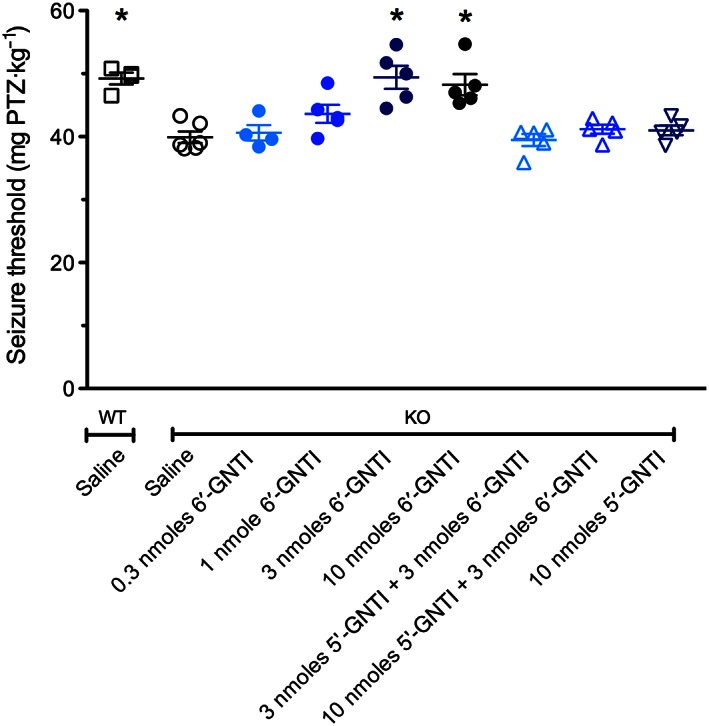
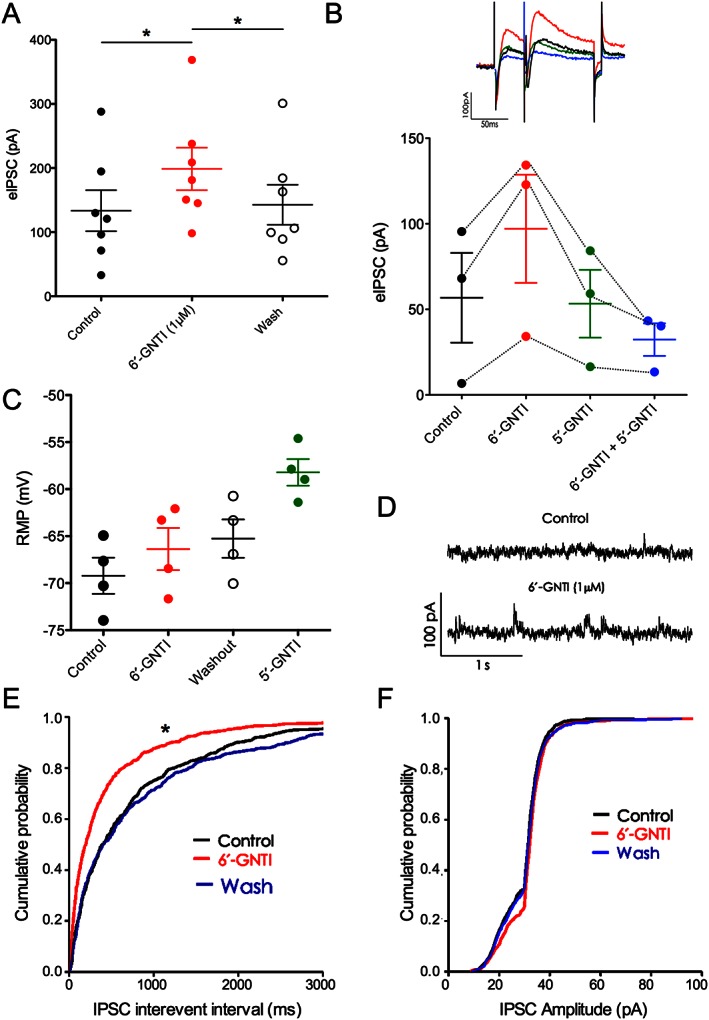
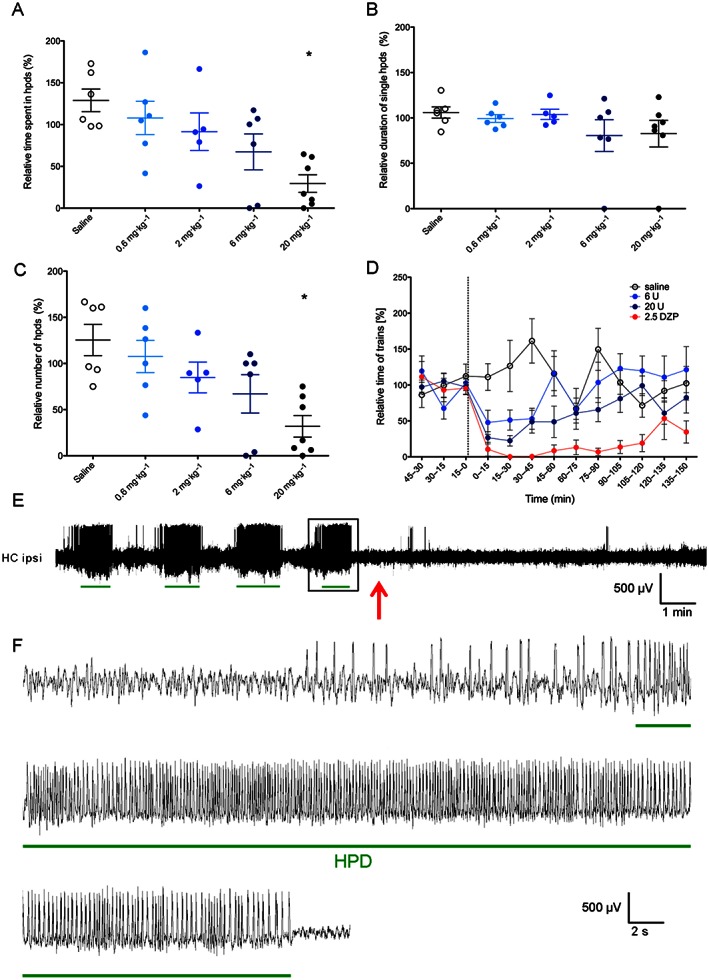
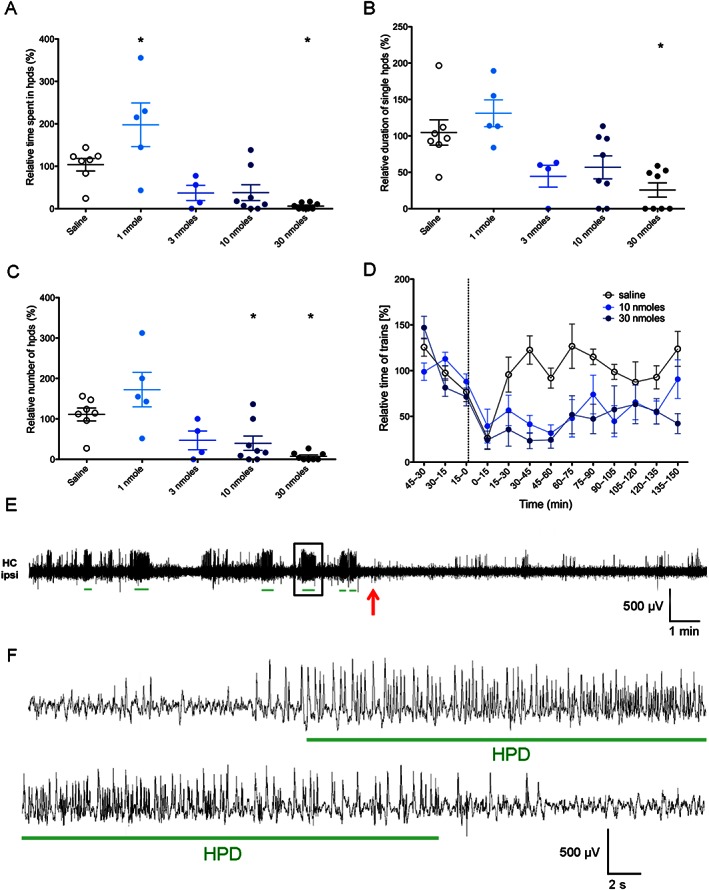
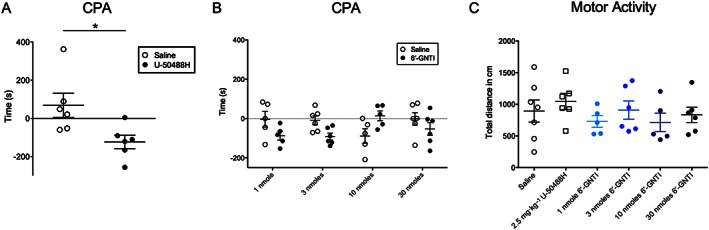
As previously shown for U-50488H, 6'-GNTI markedly increased the threshold for pentylenetetrazole-induced seizures. All treated mice displayed reduced paroxysmal activity in response to U-50488H (20 mg·kg(-1) ) or 6'-GNTI (10-30 nmoles) treatment in the mouse model of intra-hippocampal injection of kainic acid. Single cell recordings on hippocampal pyramidal cells revealed enhanced inhibitory signalling as potential mechanisms causing the reduction of paroxysmal activity. Effects of 6'-GNTI were blocked in both seizure models by the κ receptor antagonist 5'-GNTI. Moreover, 6'-GNTI did not induce CPA, a measure of aversive effects, while U-50488H did.
Our data provide the proof of principle that anticonvulsant/antiseizure and aversive effects of κ receptor activation can be pharmacologically separated in vivo.
癫痫是全球最常见的神经系统疾病之一,患病率为1%-2%。尽管抗癫痫药物已应用数十年,但药物难治性患者的发病率仍超过30%。自20世纪80年代以来,已有研究提出κ阿片受体(κ受体)激动剂具有抗癫痫作用。然而,其临床应用因烦躁不安的副作用而受到阻碍。最近,开发出了G蛋白偏向性κ受体激动剂,提示其厌恶效应有所降低。
我们在急性癫痫模型、耐药性颞叶癫痫模型以及条件性位置回避(CPA)试验中,研究了κ受体激动剂U-50488H和G蛋白偏向性部分κ受体激动剂6'-GNTI的作用。此外,我们进行了脑片电生理学研究,以了解6'-GNTI的作用机制。
如先前对U-50488H的研究所示,6'-GNTI显著提高了戊四氮诱导癫痫发作的阈值。在海马内注射 kainic 酸的小鼠模型中,所有接受治疗的小鼠在给予U-50488H(20mg·kg⁻¹)或6'-GNTI(10-30nmol)治疗后,阵发性活动均减少。对海马锥体细胞的单细胞记录显示,抑制性信号增强是导致阵发性活动减少的潜在机制。在两种癫痫模型中,κ受体拮抗剂5'-GNTI均阻断了6'-GNTI的作用。此外,6'-GNTI未诱导CPA(一种厌恶效应的指标),而U-50488H则会诱导。
我们的数据提供了原理证明,即κ受体激活的抗惊厥/抗癫痫作用和厌恶效应在体内可通过药理学方法分离。