Department of Anesthesiology and Washington University Pain Center, Washington University School of Medicine, Saint Louis, MO, USA; Center for Clinical Pharmacology, University of Health Sciences & Pharmacy at St. Louis and Washington University School of Medicine, St. Louis, MO, USA.
Department of Anesthesiology and Washington University Pain Center, Washington University School of Medicine, Saint Louis, MO, USA; Center for Clinical Pharmacology, University of Health Sciences & Pharmacy at St. Louis and Washington University School of Medicine, St. Louis, MO, USA.
Pharmacol Res. 2023 Nov;197:106961. doi: 10.1016/j.phrs.2023.106961. Epub 2023 Oct 14.
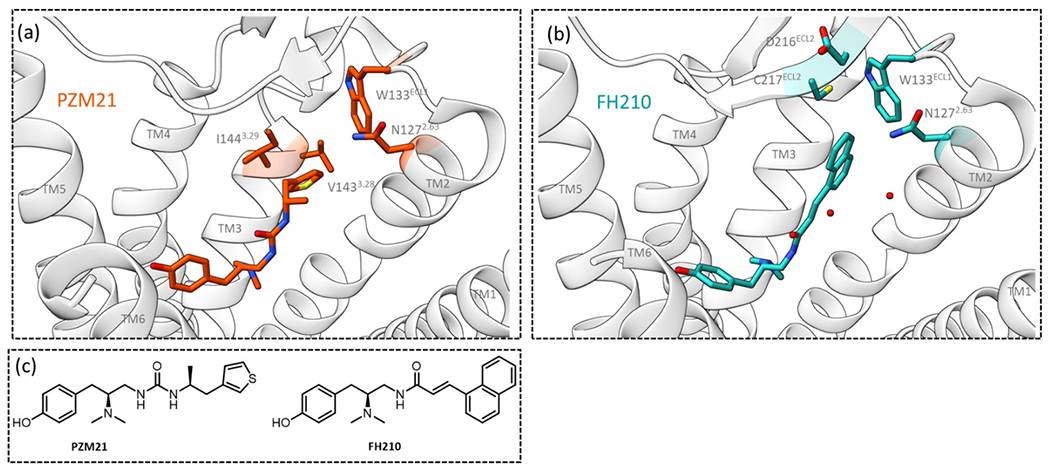
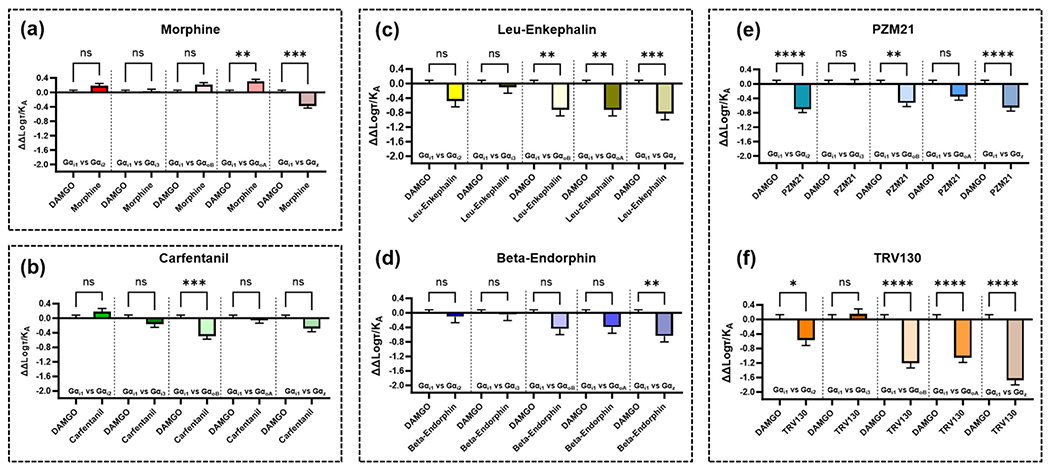
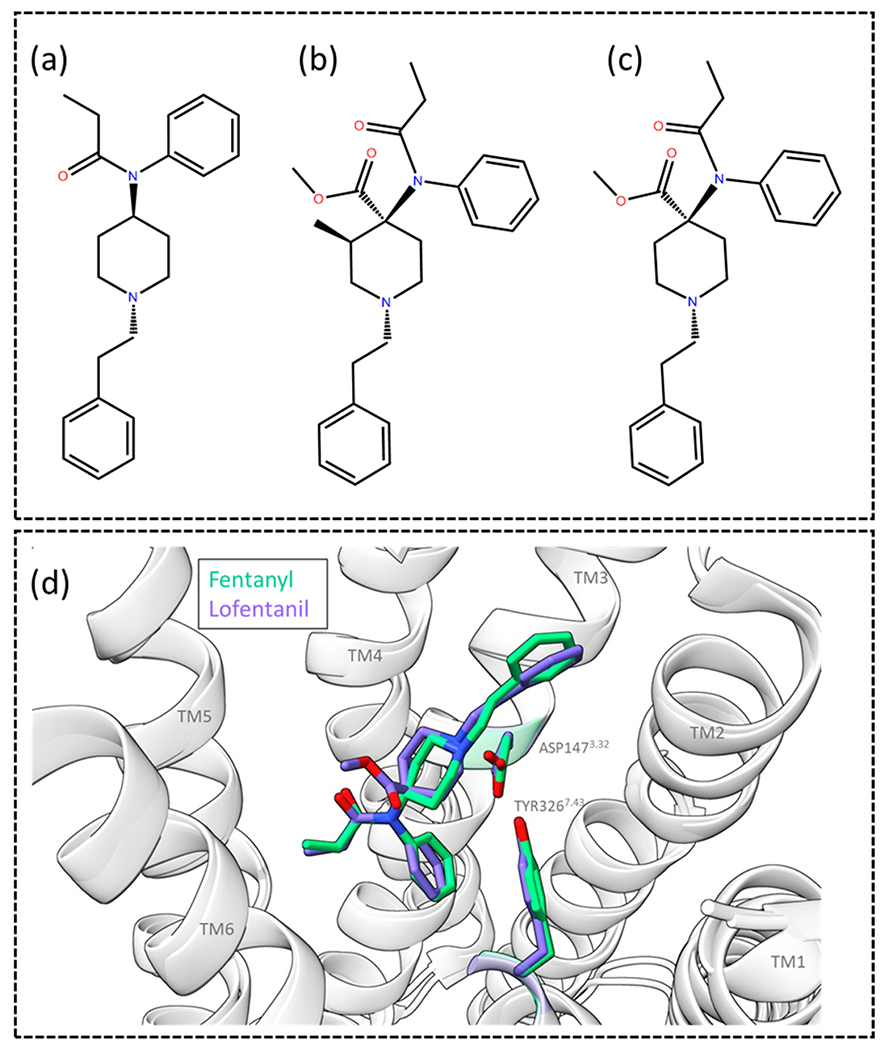
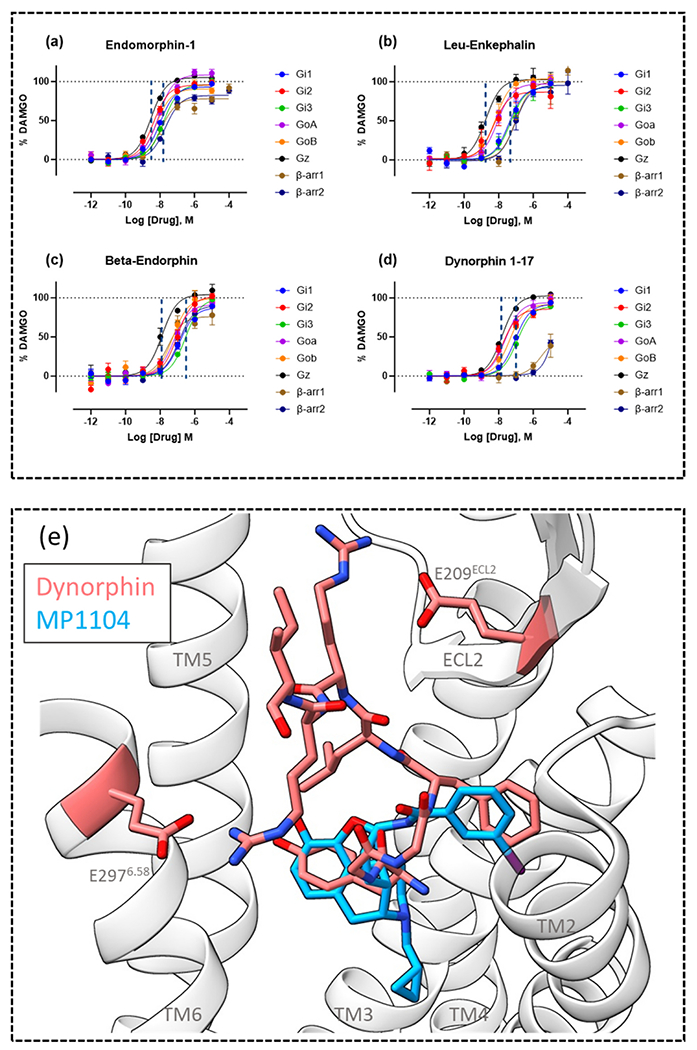
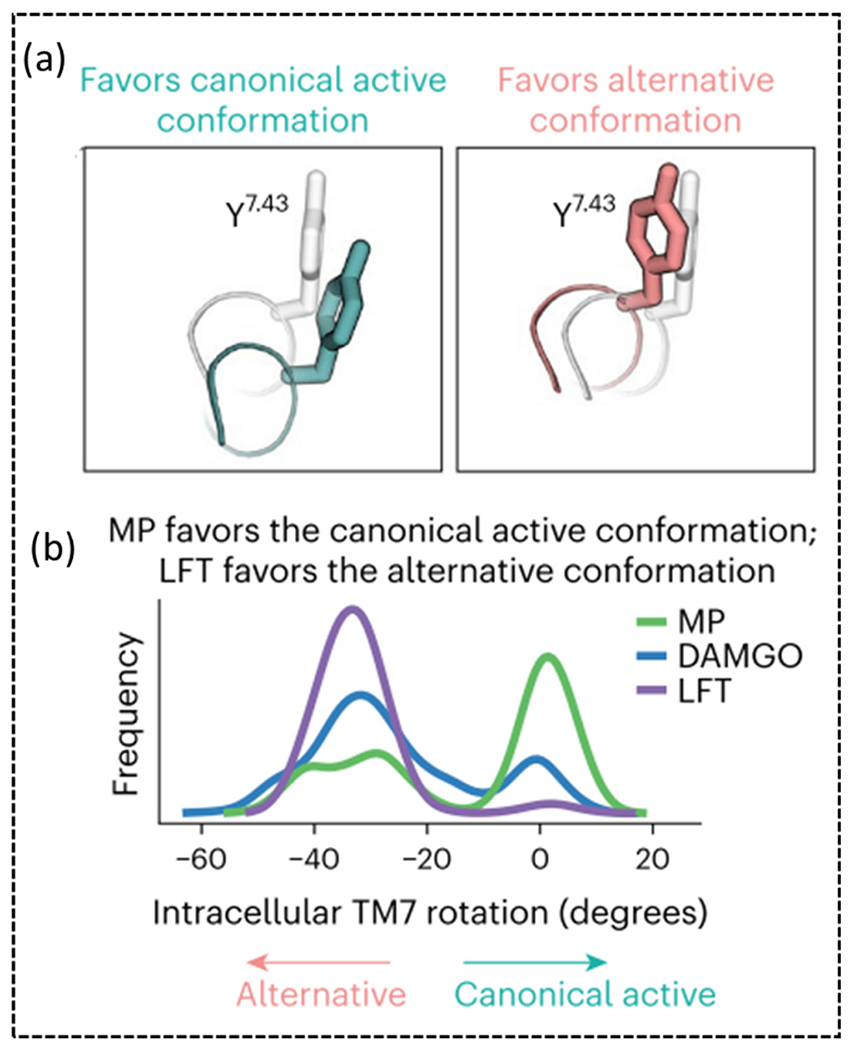
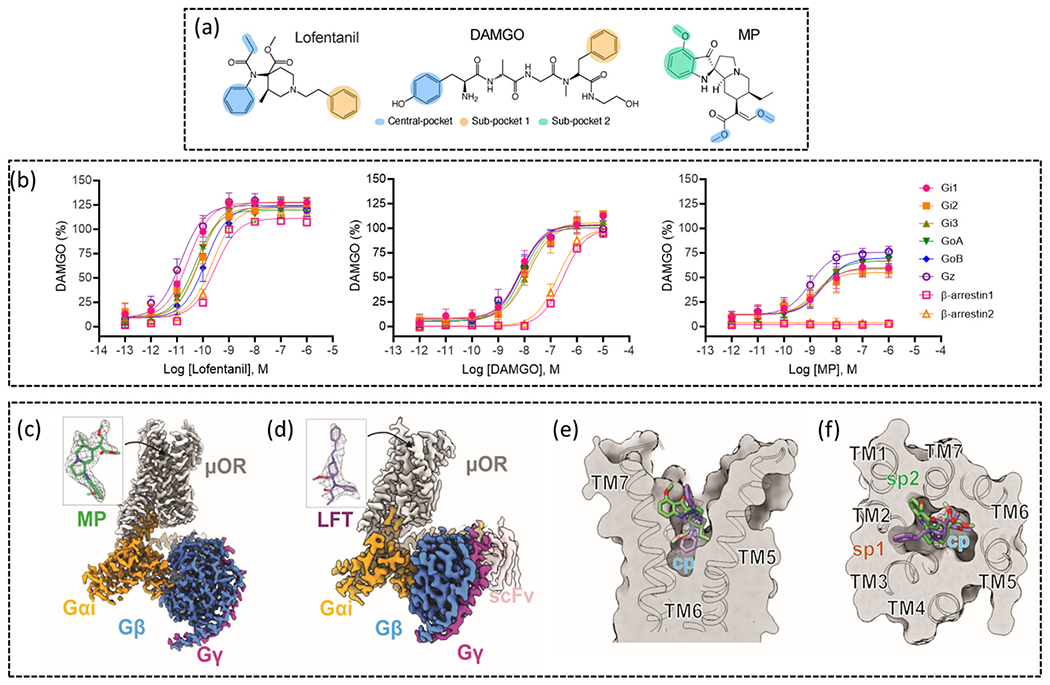
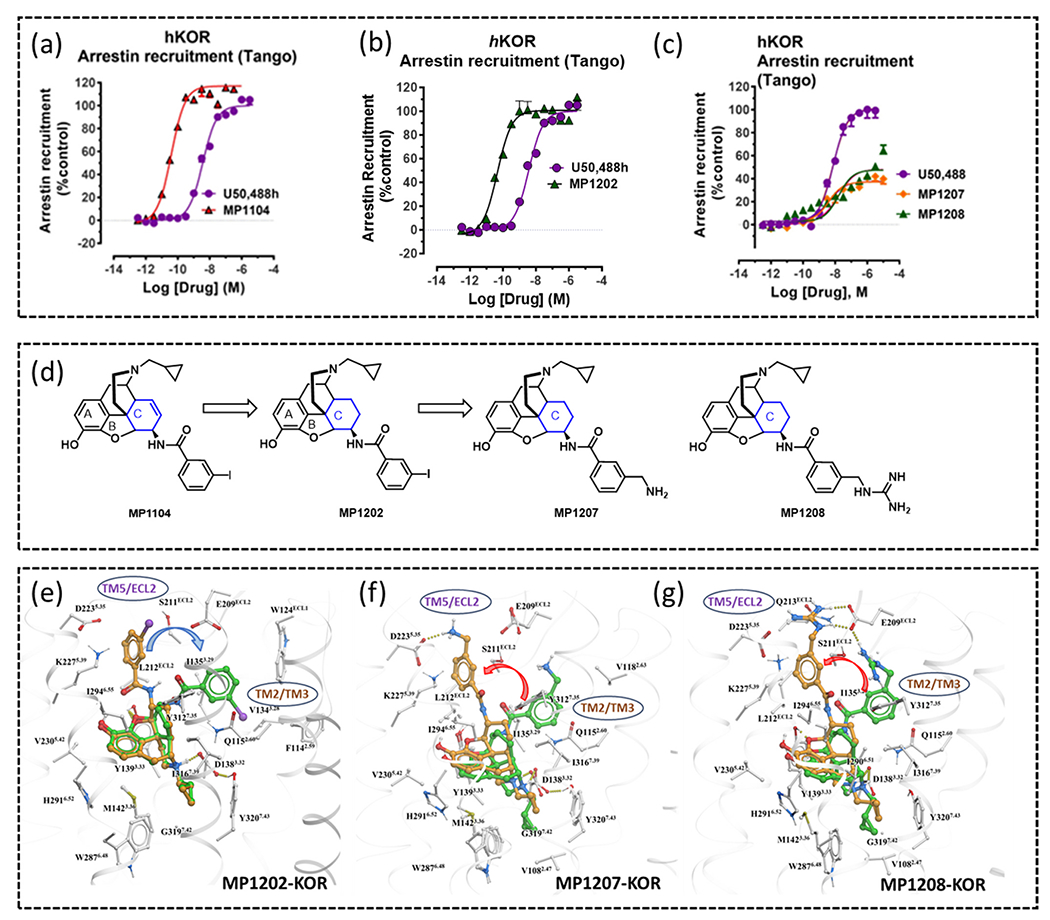
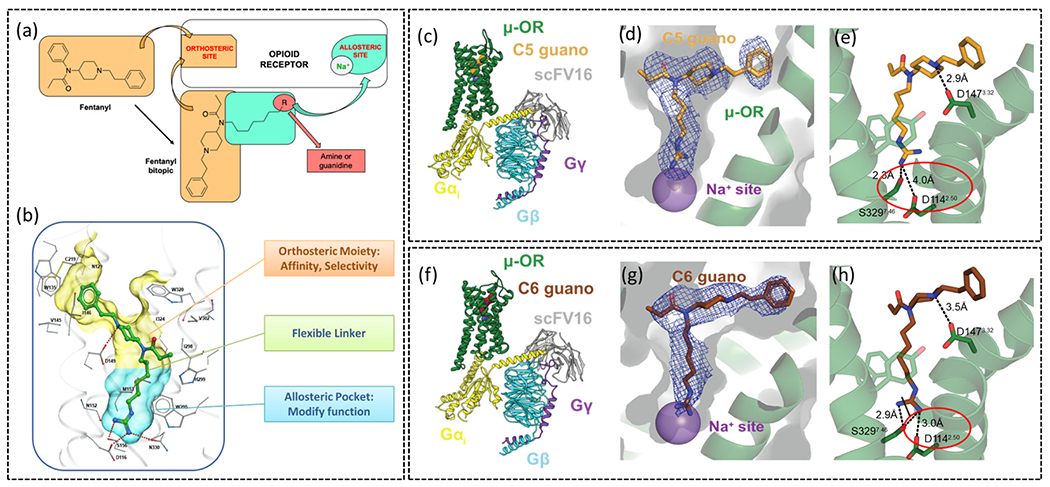
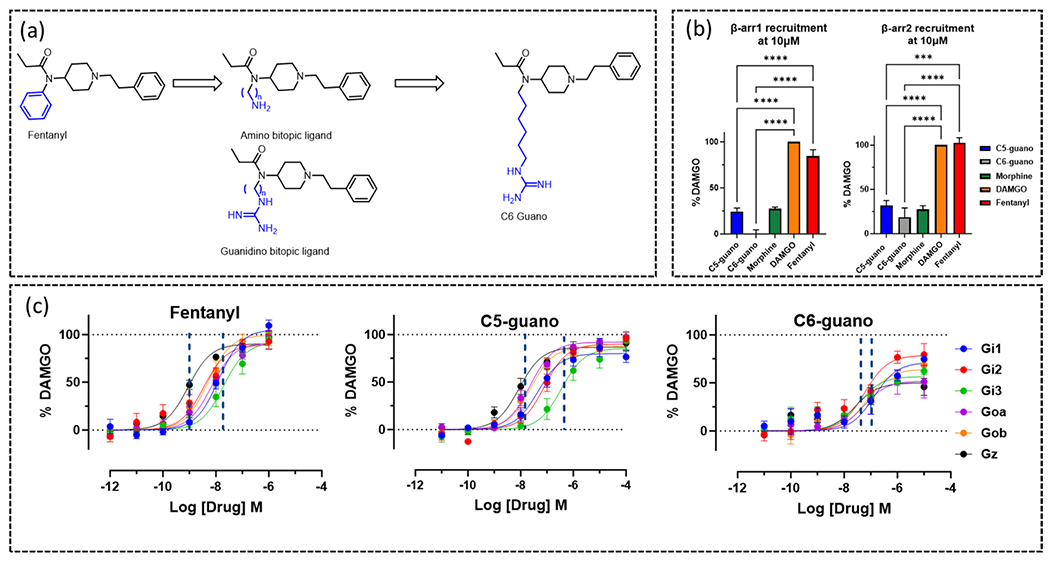
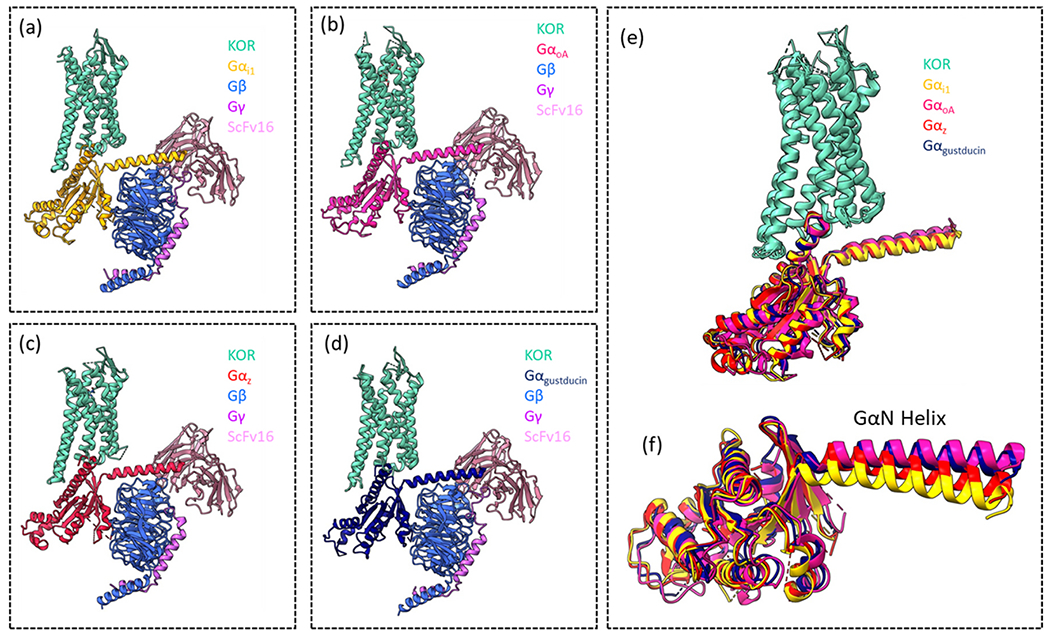
Drugs acting at the opioid receptor family are clinically used to treat chronic and acute pain, though they represent the second line of treatment behind GABA analogs, antidepressants and SSRI's. Within the opioid family mu and kappa opioid receptor are commonly targeted. However, activation of the mu opioid receptor has side effects of constipation, tolerance, dependence, euphoria, and respiratory depression; activation of the kappa opioid receptor leads to dysphoria and sedation. The side effects of mu opioid receptor activation have led to mu receptor drugs being widely abused with great overdose risk. For these reasons, newer safer opioid analgesics are in high demand. For many years a focus within the opioid field was finding drugs that activated the G protein pathway at mu opioid receptor, without activating the β-arrestin pathway, known as biased agonism. Recent advances have shown that this may not be the way forward to develop safer analgesics at mu opioid receptor, though there is still some promise at the kappa opioid receptor. Here we discuss recent novel approaches to develop safer opioid drugs including efficacy vs bias and fine-tuning receptor activation by targeting sub-pockets in the orthosteric site, we explore recent works on the structural basis of bias, and we put forward the suggestion that Gα subtype selectivity may be an exciting new area of interest.
作用于阿片受体家族的药物临床上用于治疗慢性和急性疼痛,尽管它们是 GABA 类似物、抗抑郁药和 SSRI 之后的二线治疗药物。阿片受体家族中的 μ 和 κ 阿片受体通常是靶向的。然而,μ 阿片受体的激活会产生便秘、耐受性、依赖性、欣快感和呼吸抑制等副作用;κ 阿片受体的激活会导致烦躁不安和镇静。μ 阿片受体激活的副作用导致 μ 受体药物被广泛滥用,具有很大的过量风险。出于这些原因,新型更安全的阿片类镇痛药的需求很高。多年来,阿片类药物领域的一个重点是寻找激活 μ 阿片受体的 G 蛋白途径而不激活β-抑制蛋白途径的药物,称为偏激动剂。最近的进展表明,这可能不是开发更安全的 μ 阿片受体镇痛剂的方法,尽管 κ 阿片受体仍有一些希望。在这里,我们讨论了开发更安全的阿片类药物的最新方法,包括疗效与偏倚以及通过靶向正位点的亚口袋精细调节受体激活,我们探讨了偏倚的结构基础的最新研究,并提出了 Gα 亚型选择性可能是一个令人兴奋的新研究领域的建议。