Naseeb Samina, Carter Zorana, Minnis David, Donaldson Ian, Zeef Leo, Delneri Daniela
Computational and Evolutionary Biology Research Theme, Faculty of Life Sciences, University of Manchester, Manchester, United Kingdom.
Computational and Evolutionary Biology Research Theme, Faculty of Life Sciences, University of Manchester, Manchester, United Kingdom
Mol Biol Evol. 2016 Jul;33(7):1679-96. doi: 10.1093/molbev/msw045. Epub 2016 Feb 28.
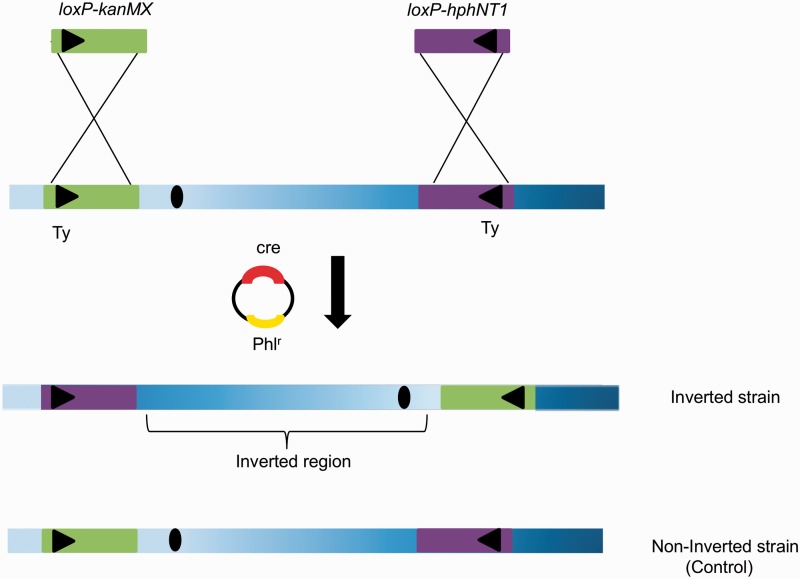
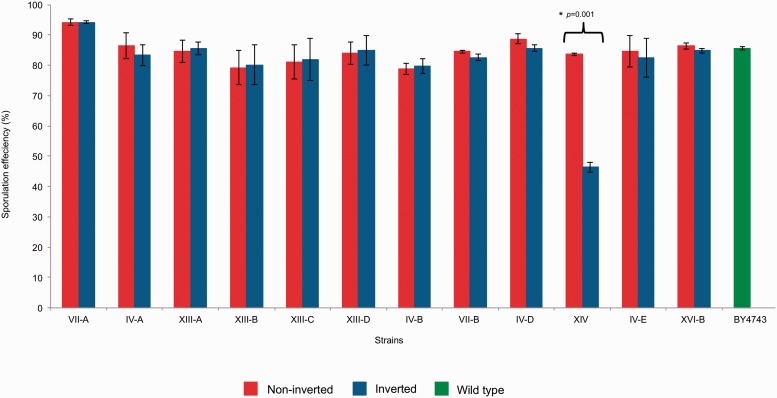
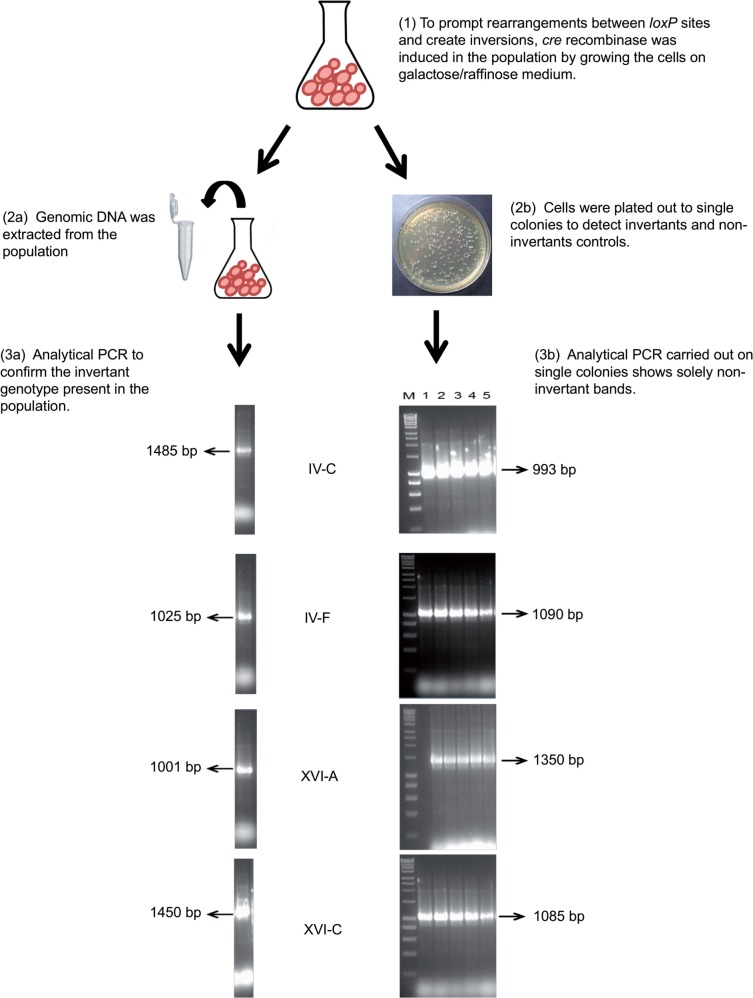
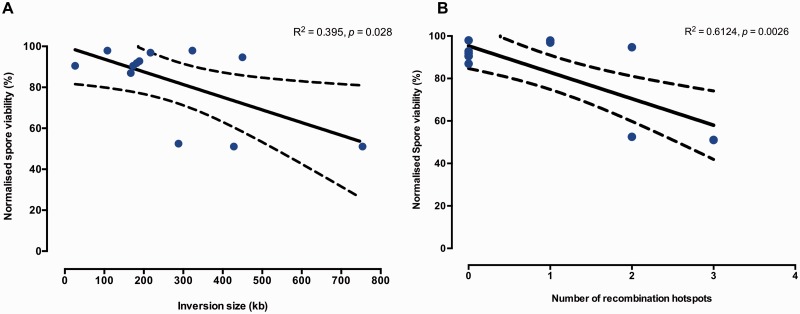
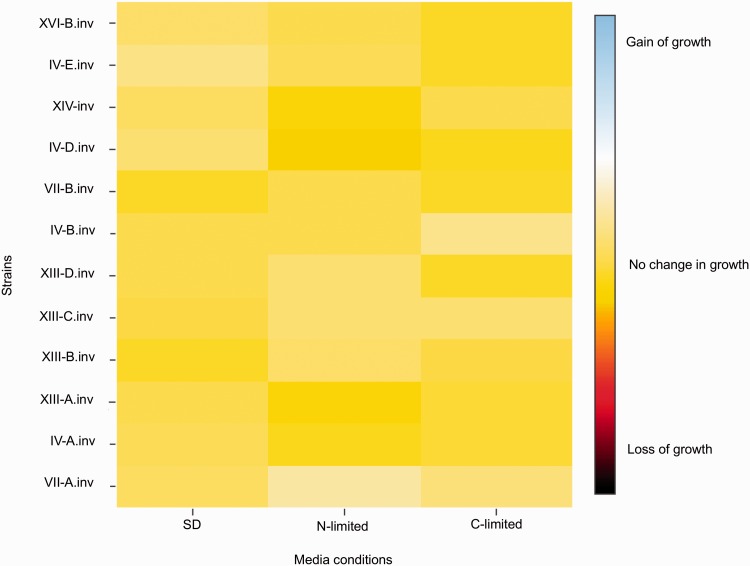
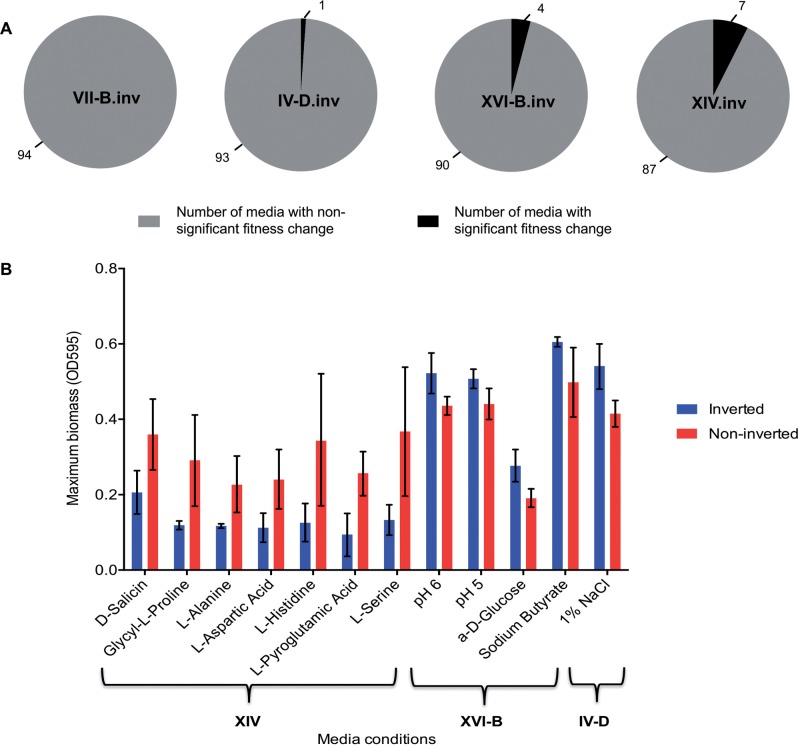
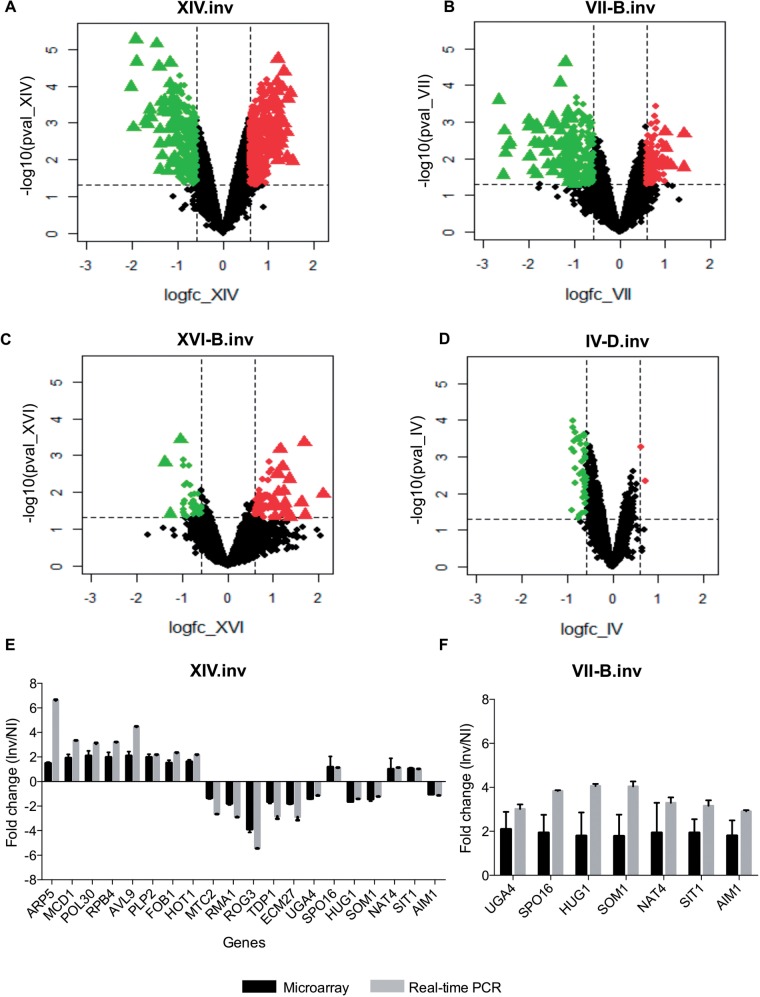
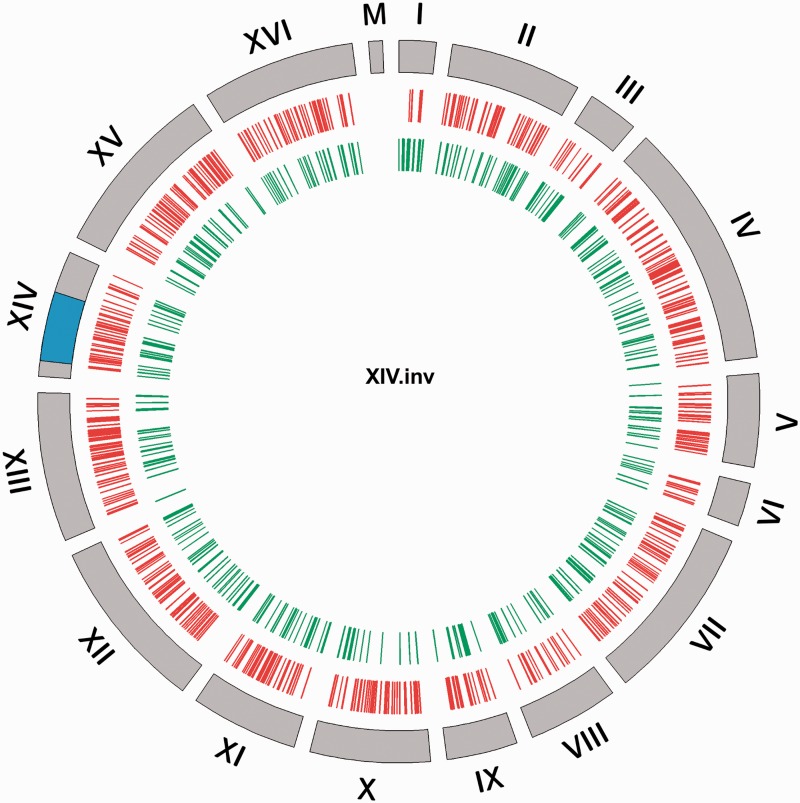
The nonrandom gene organization in eukaryotes plays a significant role in genome evolution and function. Chromosomal structural changes impact meiotic fitness and, in several organisms, are associated with speciation and rapid adaptation to different environments. Small sized chromosomal inversions, encompassing few genes, are pervasive in Saccharomyces "sensu stricto" species, while larger inversions are less common in yeasts compared with higher eukaryotes. To explore the effect of gene order on phenotype, reproductive isolation, and gene expression, we engineered 16 Saccharomyces cerevisiae strains carrying all possible paracentric and pericentric inversions between Ty1 elements, a natural substrate for rearrangements. We found that 4 inversions were lethal, while the other 12 did not show any fitness advantage or disadvantage in rich and minimal media. At meiosis, only a weak negative correlation with fitness was seen with the size of the inverted region. However, significantly lower fertility was seen in heterozygote invertant strains carrying recombination hotspots within the breakpoints. Altered transcription was observed throughout the genome rather than being overrepresented within the inversions. In spite of the large difference in gene expression in the inverted strains, mitotic fitness was not impaired in the majority of the 94 conditions tested, indicating that the robustness of the expression network buffers the deleterious effects of structural changes in several environments. Overall, our results support the notion that transcriptional changes may compensate for Ty-mediated rearrangements resulting in the maintenance of a constant phenotype, and suggest that large inversions in yeast are unlikely to be a selectable trait during vegetative growth.
真核生物中基因的非随机组织在基因组进化和功能中起着重要作用。染色体结构变化会影响减数分裂适应性,并且在一些生物体中,与物种形成和对不同环境的快速适应相关。小型染色体倒位,包含少数基因,在酿酒酵母“狭义”物种中普遍存在,而与高等真核生物相比,较大的倒位在酵母中不太常见。为了探究基因顺序对表型、生殖隔离和基因表达的影响,我们构建了16株酿酒酵母菌株,它们携带了Ty1元件之间所有可能的臂内和臂间倒位,Ty1元件是重排的天然底物。我们发现4种倒位是致死性的,而其他12种在丰富和基本培养基中未显示出任何适应性优势或劣势。在减数分裂时,仅观察到与适应性存在微弱的负相关,即倒位区域的大小与之相关。然而,在断点内携带重组热点的杂合倒位菌株中,生育力显著降低。在整个基因组中观察到转录改变,而不是在倒位中过度表达。尽管倒位菌株中基因表达存在很大差异,但在测试的94种条件中的大多数情况下,有丝分裂适应性并未受损,这表明表达网络的稳健性缓冲了在几种环境中结构变化的有害影响。总体而言,我们的结果支持这样一种观点,即转录变化可能补偿Ty介导的重排,从而维持恒定的表型,并表明酵母中的大倒位在营养生长期间不太可能是一个可选择的性状。