Vachev T I, Stoyanova V K, Ivanov H Y, Minkov I N, Popov N T
Department of Plant Physiology and Molecular Biology University of Plovdiv "Paisii Hilendarski", Plovdiv, Bulgaria; Department of Pediatrics and Medical Genetics, Medical University - Plovdiv, 4000 Plovdiv, Bulgaria.
Department of Pediatrics and Medical Genetics, Medical University - Plovdiv, 4000 Plovdiv, Bulgaria.
Balkan J Med Genet. 2015 Dec 30;18(1):31-8. doi: 10.1515/bjmg-2015-0003. eCollection 2015 Jun.
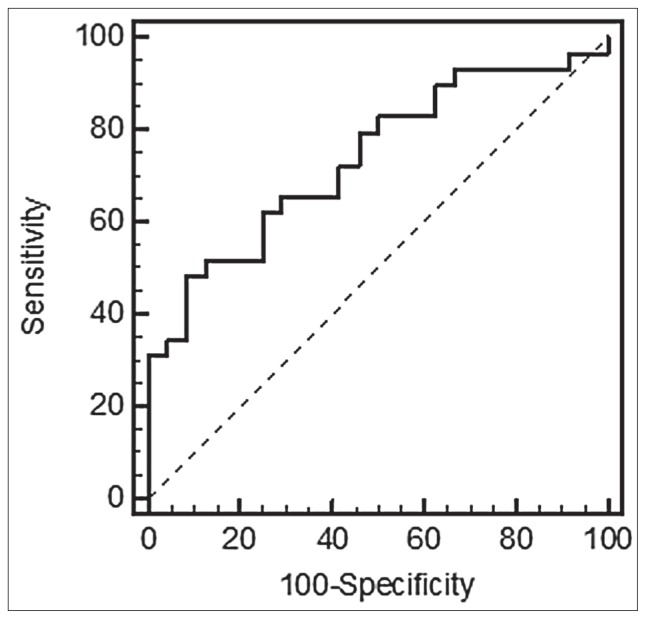
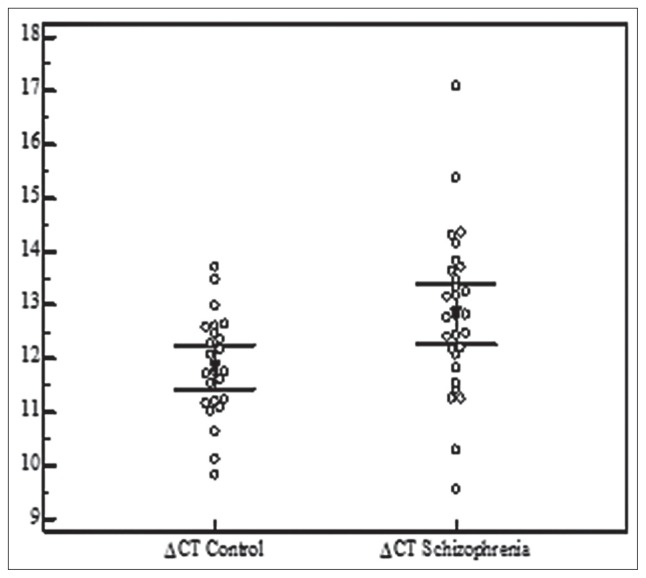
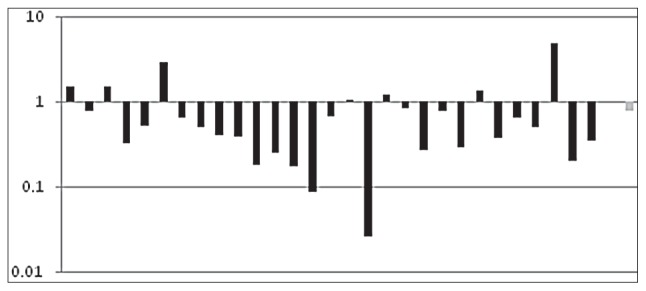
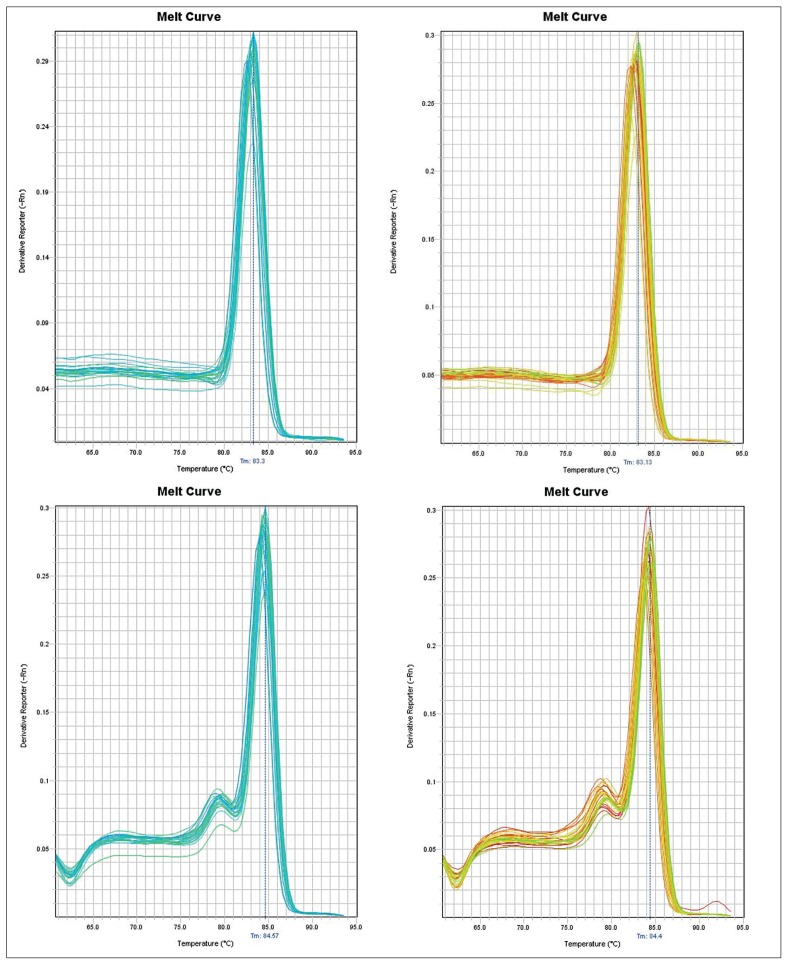
Schizophrenia (SZ) is a chronic neuropsychiatric disorder characterized by affective, neuromorphological and cognitive impairment, deteriorated social functioning and psychosis with underlying molecular abnormalities, including gene expression changes. Observations have suggested that fasciculation and elongation protein ζ-1 (FEZ1) may be implicated in the pathogenesis of schizophrenia. Nevertheless, our current knowledge of the expression of FEZ1 in peripheral blood of schizophrenia patients remains unclear. The purpose of this study was to identify the characteristic gene expression patterns of FEZ1 in peripheral blood samples from schizophrenia patients. We performed quantitative reverse-transcriptase (qRT-PCR) analysis using peripheral blood from drug-free schizophrenia patients (n = 29) and age and gender-matched general population controls (n = 24). For the identification of FEZ1 gene expression patterns, we applied a comparative threshold cycle (CT) method. A statistically significant difference of FEZ1 mRNA level was revealed in schizophrenia subjects compared to healthy controls (p = 0.0034). To the best of our knowledge, this study is the first describing a down-regulation of FEZ1 gene expression in peripheral blood of patients with schizophrenia. Our results suggested a possible functional role of FEZ1 in the pathogenesis of schizophrenia and confirmed the utility of peripheral blood samples for molecular profiling of psychiatric disorders including schizophrenia. The current study describes FEZ1 gene expression changes in peripheral blood of patients with schizophrenia with significantly down-regulation of FEZ1 mRNA. Thus, our results provide support for a model of SZ pathogenesis that includes the effects of FEZ1 expression.
精神分裂症(SZ)是一种慢性神经精神障碍,其特征为情感、神经形态和认知功能受损,社会功能退化以及伴有包括基因表达变化在内的潜在分子异常的精神病症状。观察结果表明,成束和延伸蛋白ζ-1(FEZ1)可能与精神分裂症的发病机制有关。然而,我们目前对精神分裂症患者外周血中FEZ1表达的了解仍不清楚。本研究的目的是确定精神分裂症患者外周血样本中FEZ1的特征性基因表达模式。我们使用未服用药物的精神分裂症患者(n = 29)以及年龄和性别匹配的普通人群对照(n = 24)的外周血进行了定量逆转录酶(qRT-PCR)分析。为了确定FEZ1基因表达模式,我们应用了比较阈值循环(CT)方法。与健康对照相比,精神分裂症患者中FEZ1 mRNA水平存在统计学上的显著差异(p = 0.0034)。据我们所知,本研究首次描述了精神分裂症患者外周血中FEZ1基因表达下调。我们的结果表明FEZ1在精神分裂症发病机制中可能具有功能作用,并证实了外周血样本在包括精神分裂症在内的精神疾病分子谱分析中的实用性。当前研究描述了精神分裂症患者外周血中FEZ1基因表达的变化,其中FEZ1 mRNA显著下调。因此,我们的结果为包括FEZ1表达影响在内的精神分裂症发病机制模型提供了支持。