Yadavilli Sridevi, Hwang Eugene I, Packer Roger J, Nazarian Javad
Research Center for Genetic Medicine, Children's National Health System, 111 Michigan Ave. NW, Washington, DC 20010, USA.
Division of Oncology, Children's National Health System, 111 Michigan Ave. NW, Washington, DC 20010, USA.
Transl Oncol. 2016 Feb;9(1):57-63. doi: 10.1016/j.tranon.2015.12.005.
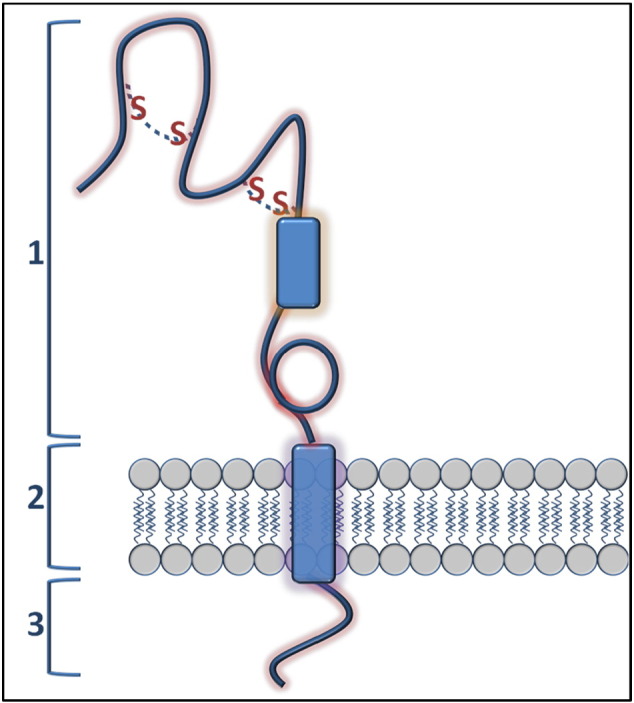
Neuron glia antigen-2 ((NG2), also known as chondroitin sulphate proteoglycan 4, or melanoma-associated chondroitin sulfate proteoglycan) is a type-1 membrane protein expressed by many central nervous system (CNS) cells during development and differentiation and plays a critical role in proliferation and angiogenesis. 'NG2' often references either the protein itself or the highly proliferative and undifferentiated glial cells expressing high levels of NG2 protein. NG2 glia represent the fourth major type of neuroglia in the mammalian nervous system and are classified as oligodendrocyte progenitor cells by virtue of their committed oligodendrocyte generation in developing and adult brain. Here, we discuss NG2 glial cells as well as NG2 protein and its expression and role with regards to CNS neoplasms as well as its potential as a therapeutic target for treating childhood CNS cancers.
神经元胶质抗原2((NG2),也称为硫酸软骨素蛋白聚糖4或黑色素瘤相关硫酸软骨素蛋白聚糖)是一种1型膜蛋白,在发育和分化过程中由许多中枢神经系统(CNS)细胞表达,并在增殖和血管生成中起关键作用。“NG2”通常指蛋白质本身或表达高水平NG2蛋白的高度增殖和未分化的神经胶质细胞。NG2神经胶质是哺乳动物神经系统中第四种主要的神经胶质类型,由于它们在发育中的和成体大脑中定向生成少突胶质细胞,因此被归类为少突胶质细胞前体细胞。在这里,我们讨论NG2神经胶质细胞以及NG2蛋白及其在中枢神经系统肿瘤方面的表达和作用,以及其作为治疗儿童中枢神经系统癌症的治疗靶点的潜力。