Houck Alexander L, Hernández Félix, Ávila Jesús
Centro de Biología Molecular Severo Ochoa (CSIC-UAM), Madrid, Spain. Centro de Investigación Biomédica en Red de Enfermedades Neurodegenerativas (CIBERNED), Madrid, Spain.
J Exp Neurosci. 2016 Feb 25;10:31-8. doi: 10.4137/JEN.S25100. eCollection 2016.
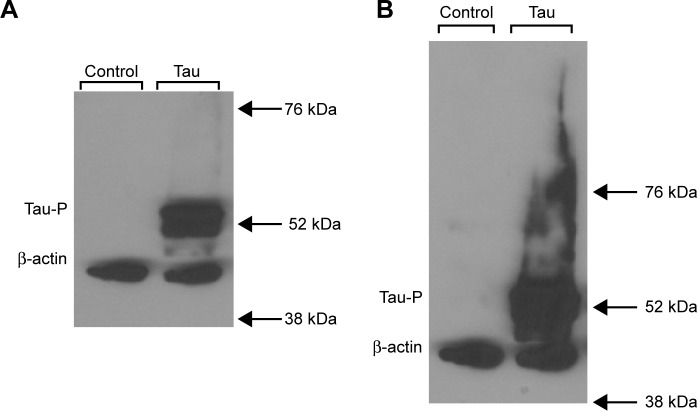
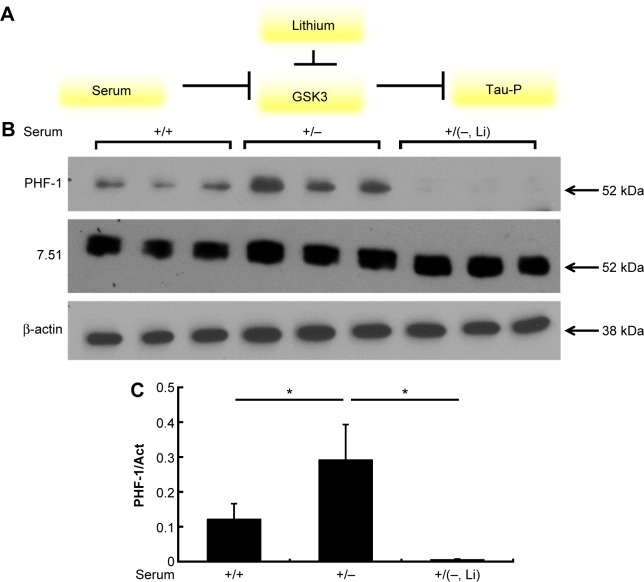
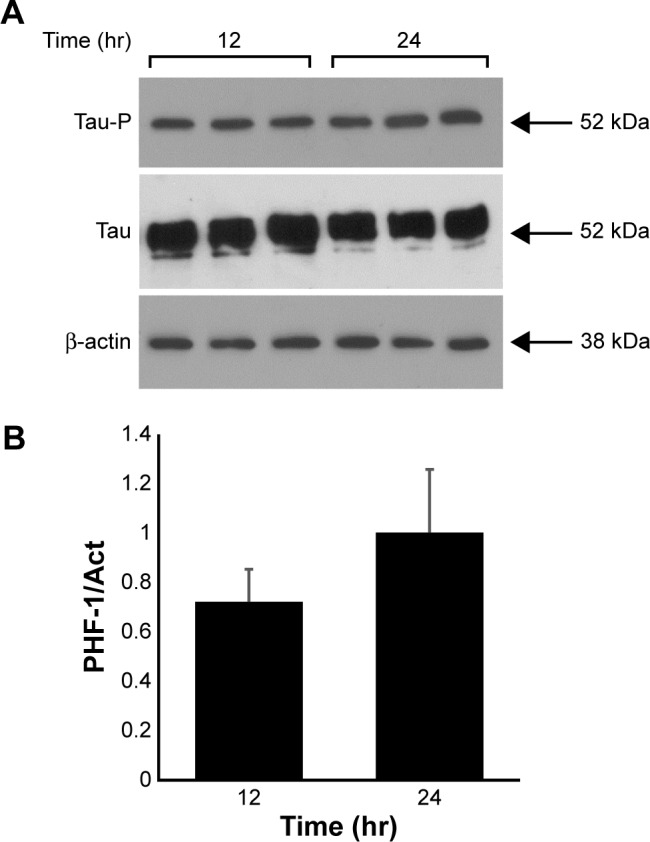
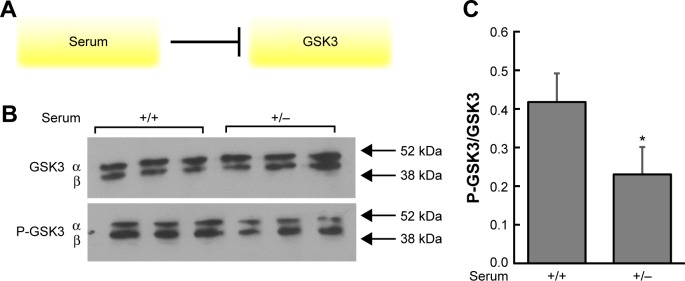
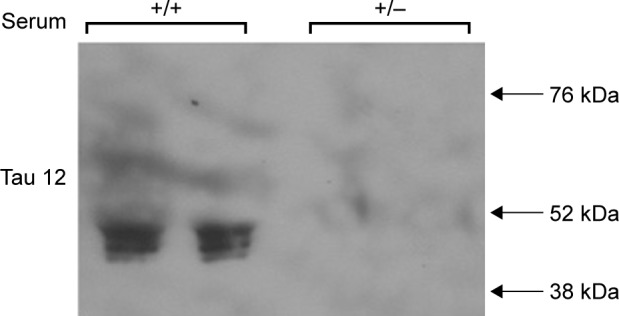
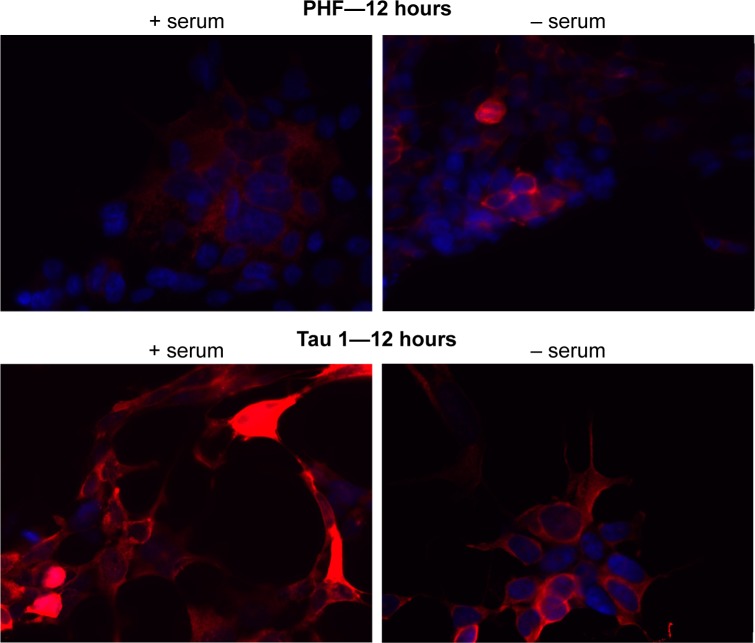
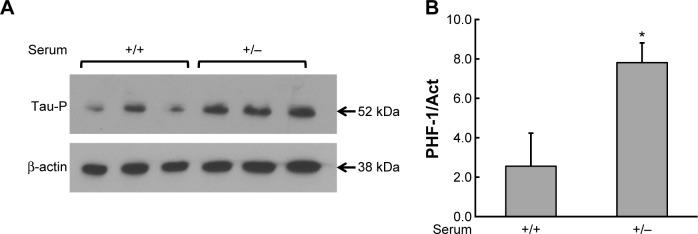
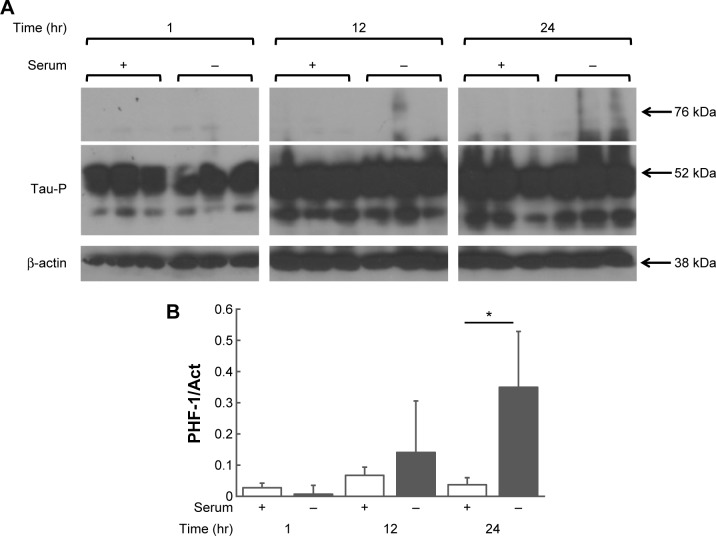
Tau proteins play a role in the stabilization of microtubules, but in pathological conditions, tauopathies, tau is modified by phosphorylation and can aggregate into aberrant aggregates. These aggregates could be toxic to cells, and different cell models have been used to test for compounds that might prevent these tau modifications. Here, we have used a cell model involving the overexpression of human tau in human embryonic kidney 293 cells. In human embryonic kidney 293 cells expressing tau in a stable manner, we have been able to replicate the phosphorylation of intracellular tau. This intracellular tau increases its own level of phosphorylation and aggregates, likely due to the regulatory effect of some growth factors on specific tau kinases such as GSK3. In these conditions, a change in secreted tau was observed. Reversal of phosphorylation and aggregation of tau was found by the use of lithium, a GSK3 inhibitor. Thus, we propose this as a simple cell model to study tau pathology in nonneuronal cells due to their viability and ease to work with.
tau蛋白在微管的稳定中发挥作用,但在病理状态(tau蛋白病)下,tau会被磷酸化修饰,并能聚集成异常聚集体。这些聚集体可能对细胞有毒,并且已经使用了不同的细胞模型来测试可能预防这些tau修饰的化合物。在此,我们使用了一种在人胚胎肾293细胞中过表达人tau的细胞模型。在稳定表达tau的人胚胎肾293细胞中,我们能够重现细胞内tau的磷酸化。这种细胞内tau增加了其自身的磷酸化水平并发生聚集,这可能是由于某些生长因子对特定tau激酶(如GSK3)的调节作用。在这些条件下,观察到分泌型tau的变化。通过使用GSK3抑制剂锂,发现tau的磷酸化和聚集得到了逆转。因此,由于其生存能力和易于操作,我们提出这是一种研究非神经元细胞中tau病理学的简单细胞模型。