Ghosheh Nidal, Olsson Björn, Edsbagge Josefina, Küppers-Munther Barbara, Van Giezen Mariska, Asplund Annika, Andersson Tommy B, Björquist Petter, Carén Helena, Simonsson Stina, Sartipy Peter, Synnergren Jane
School of Bioscience, Systems Biology Research Center, University of Skövde, 541 28 Skövde, Sweden; Institute of Biomedicine, Department of Clinical Chemistry and Transfusion Medicine, Sahlgrenska Academy, University of Gothenburg, 413 45 Gothenburg, Sweden.
School of Bioscience, Systems Biology Research Center, University of Skövde, 541 28 Skövde, Sweden.
Stem Cells Int. 2016;2016:8648356. doi: 10.1155/2016/8648356. Epub 2016 Feb 1.
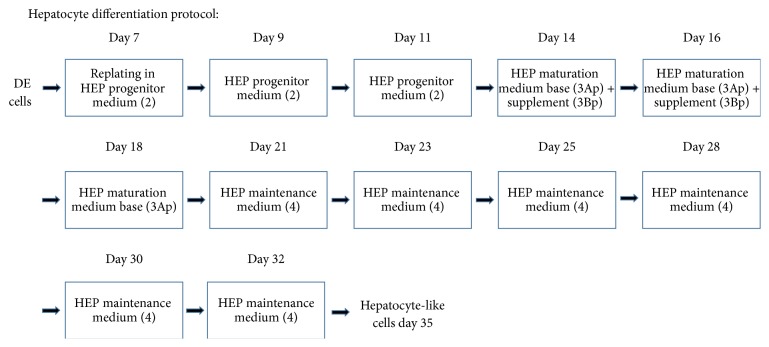
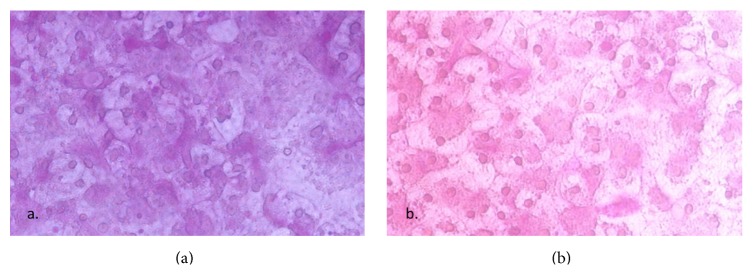
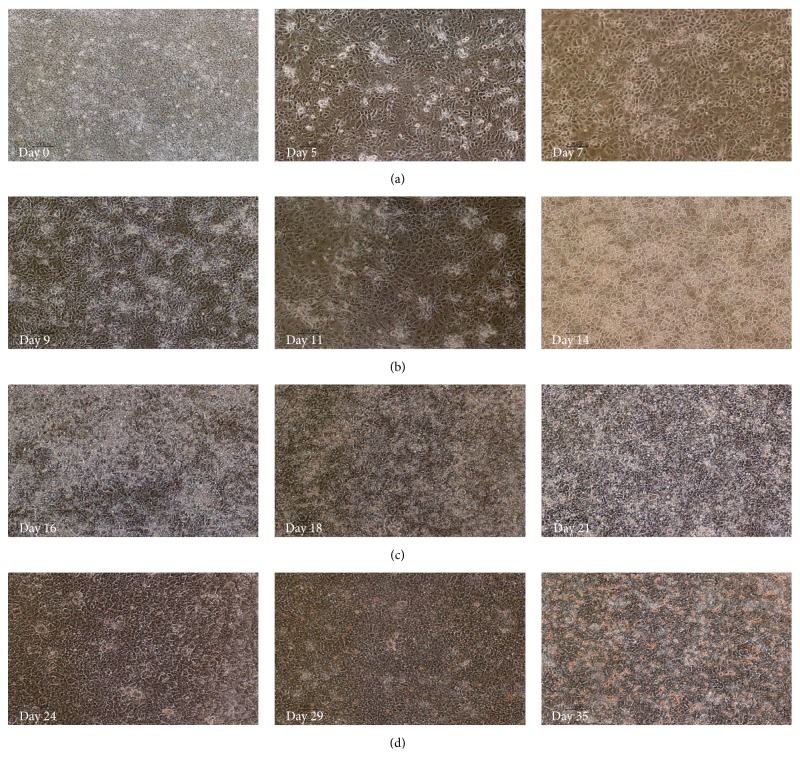
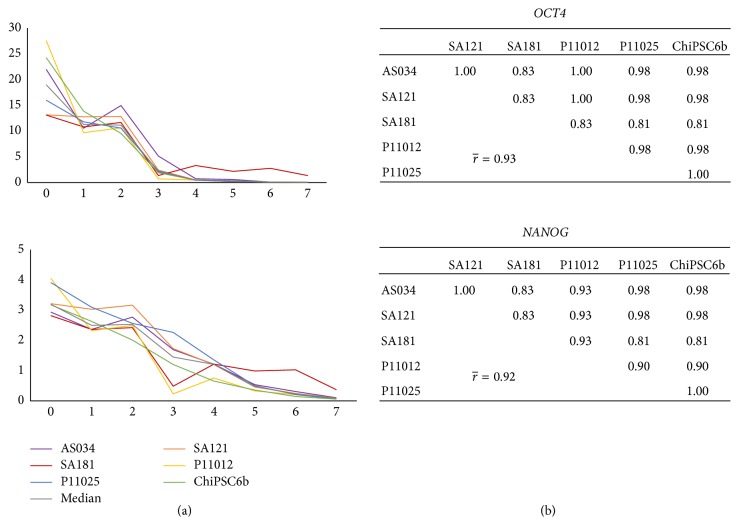
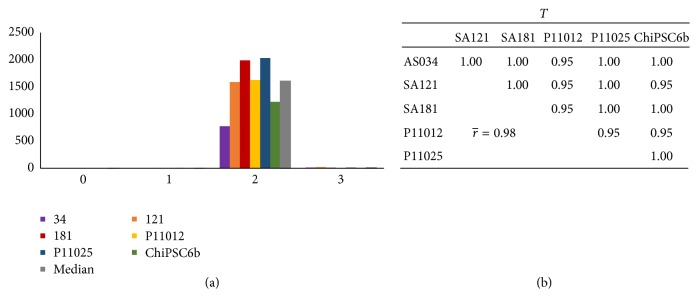
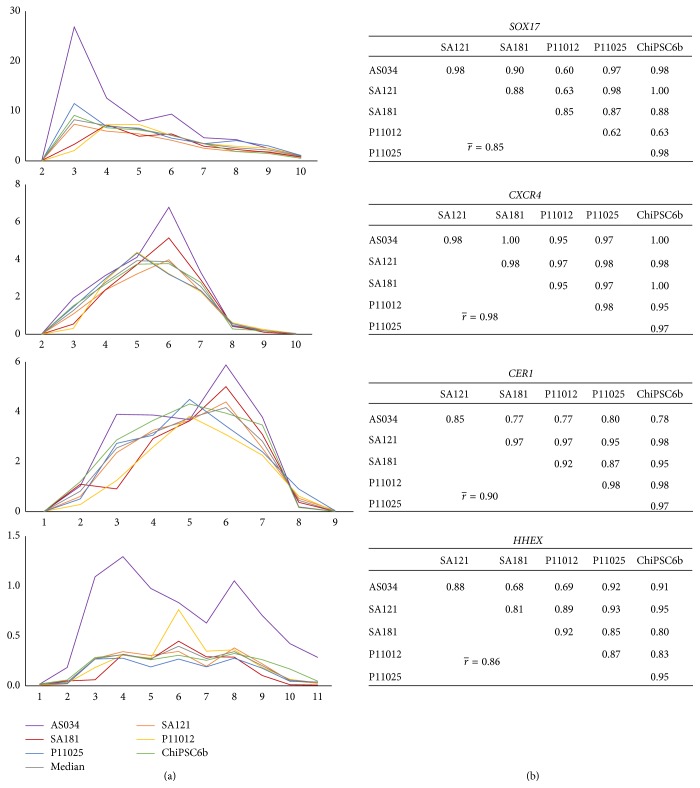
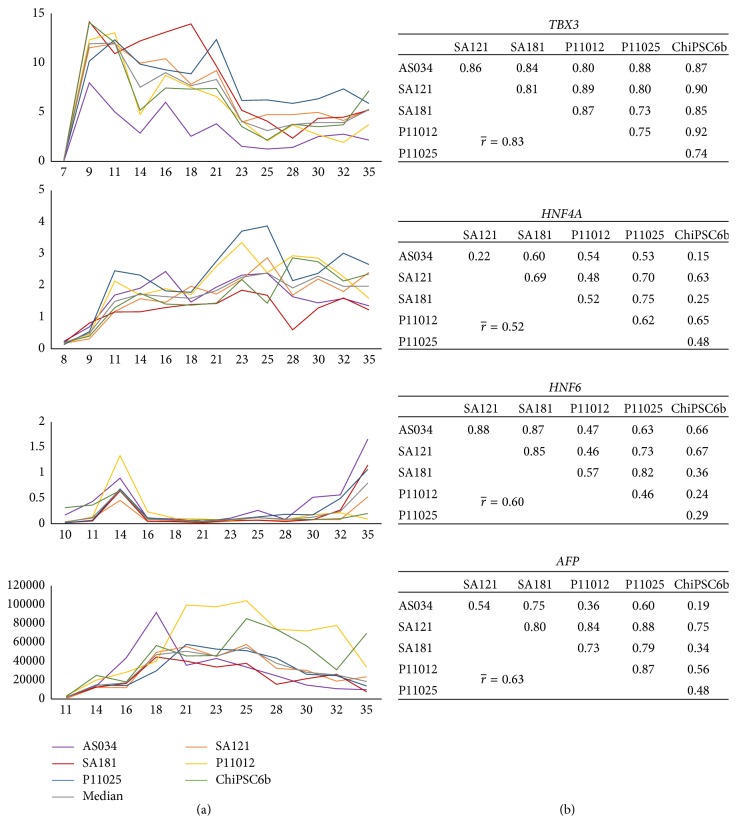
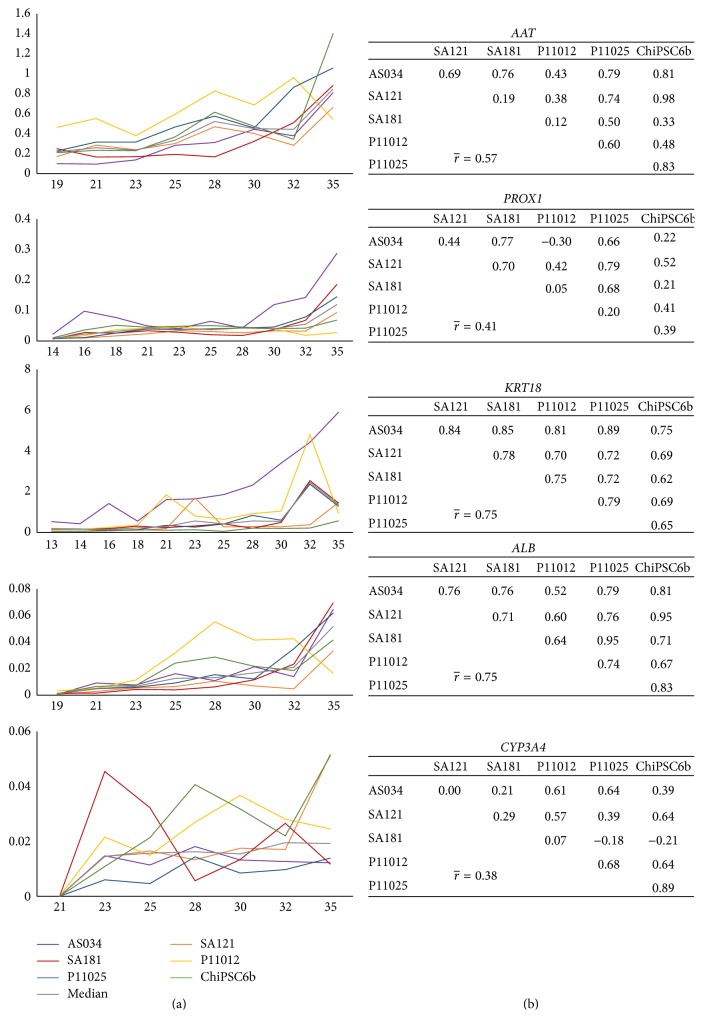
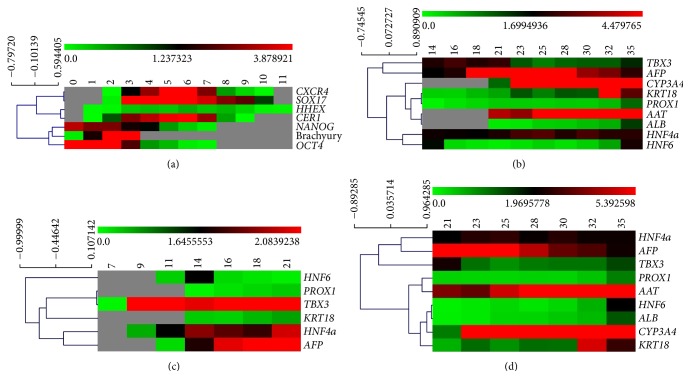
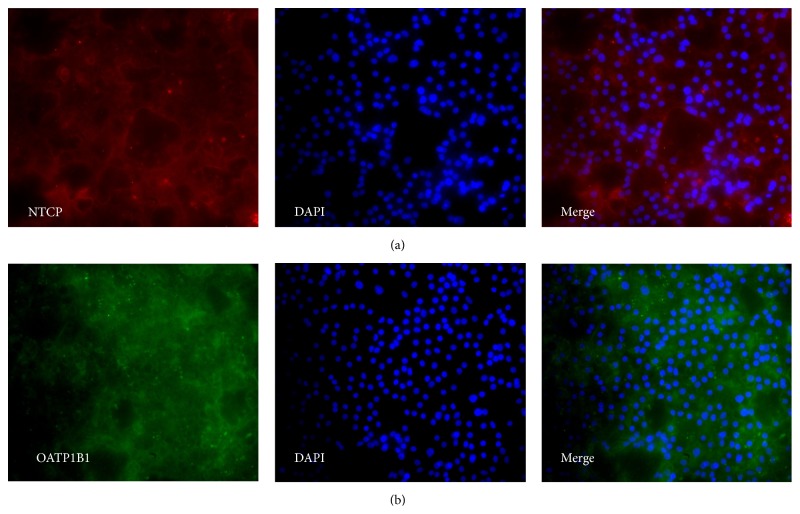
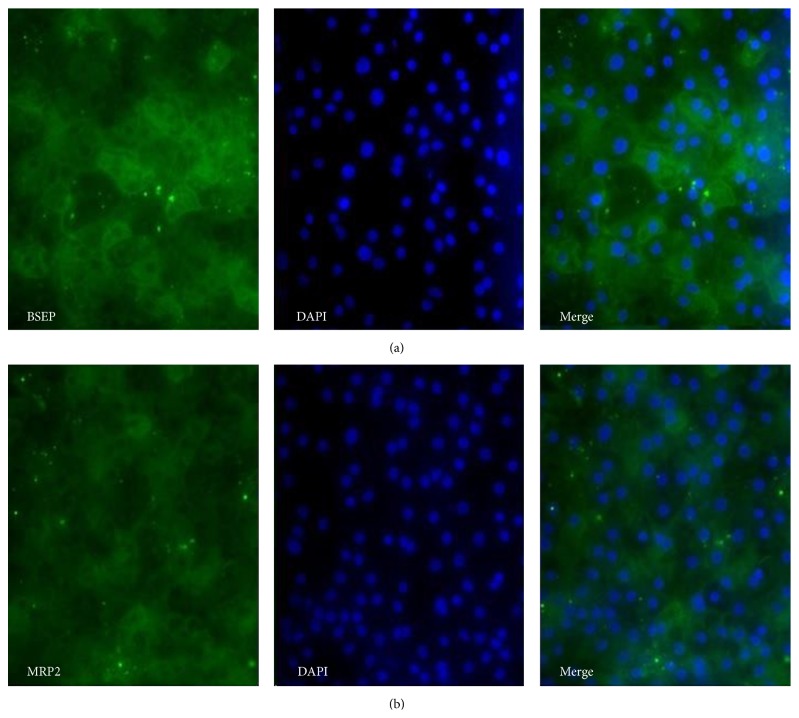
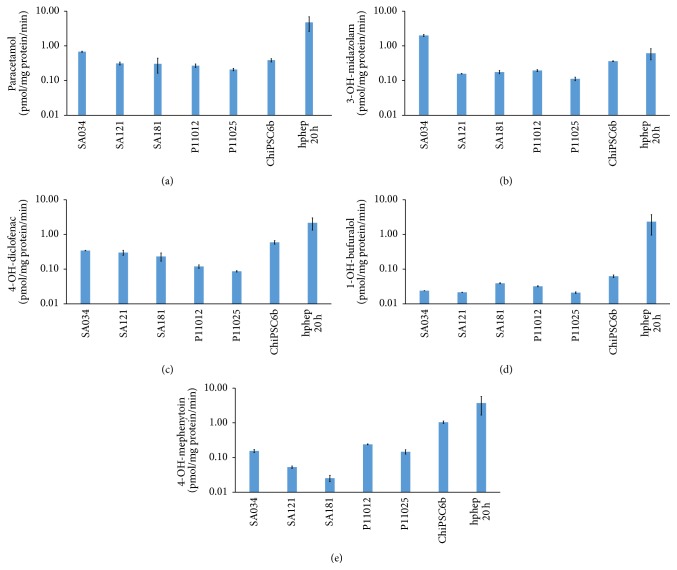
Human pluripotent stem cells- (hPSCs-) derived hepatocytes have the potential to replace many hepatic models in drug discovery and provide a cell source for regenerative medicine applications. However, the generation of fully functional hPSC-derived hepatocytes is still a challenge. Towards gaining better understanding of the differentiation and maturation process, we employed a standardized protocol to differentiate six hPSC lines into hepatocytes and investigated the synchronicity of the hPSC lines by applying RT-qPCR to assess the expression of lineage-specific genes (OCT4, NANOG, T, SOX17, CXCR4, CER1, HHEX, TBX3, PROX1, HNF6, AFP, HNF4a, KRT18, ALB, AAT, and CYP3A4) which serve as markers for different stages during liver development. The data was evaluated using correlation and clustering analysis, demonstrating that the expression of these markers is highly synchronized and correlated well across all cell lines. The analysis also revealed a distribution of the markers in groups reflecting the developmental stages of hepatocytes. Functional analysis of the differentiated cells further confirmed their hepatic phenotype. Taken together, these results demonstrate, on the molecular level, the highly synchronized differentiation pattern across multiple hPSC lines. Moreover, this study provides additional understanding for future efforts to improve the functionality of hPSC-derived hepatocytes and thereby increase the value of related models.
人多能干细胞(hPSC)来源的肝细胞有潜力替代药物研发中的多种肝脏模型,并为再生医学应用提供细胞来源。然而,生成功能完全的hPSC来源肝细胞仍然是一项挑战。为了更好地理解分化和成熟过程,我们采用标准化方案将6种hPSC系分化为肝细胞,并通过逆转录定量聚合酶链反应(RT-qPCR)评估谱系特异性基因(OCT4、NANOG、T、SOX17、CXCR4、CER1、HHEX、TBX3、PROX1、HNF6、AFP、HNF4a、KRT18、ALB、AAT和CYP3A4)的表达,以研究hPSC系的同步性,这些基因作为肝脏发育不同阶段的标志物。使用相关性和聚类分析对数据进行评估,结果表明这些标志物的表达高度同步,且在所有细胞系中相关性良好。分析还揭示了标志物在反映肝细胞发育阶段的组中的分布情况。对分化细胞的功能分析进一步证实了它们的肝表型。综上所述,这些结果在分子水平上证明了多个hPSC系之间高度同步的分化模式。此外,本研究为未来提高hPSC来源肝细胞功能从而增加相关模型价值的努力提供了更多认识。