Pearson James A, Thayer Terri C, McLaren James E, Ladell Kristin, De Leenheer Evy, Phillips Amy, Davies Joanne, Kakabadse Dimitri, Miners Kelly, Morgan Peter, Wen Li, Price David A, Wong F Susan
Diabetes Research Group, Division of Infection and Immunity, School of Medicine, Cardiff University, Wales, U.K.
Cellular Immunology Group, Division of Infection and Immunity, School of Medicine, Cardiff University, Wales, U.K.
Diabetes. 2016 Jun;65(6):1679-89. doi: 10.2337/db15-1498. Epub 2016 Mar 7.
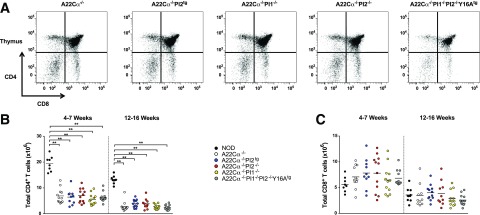
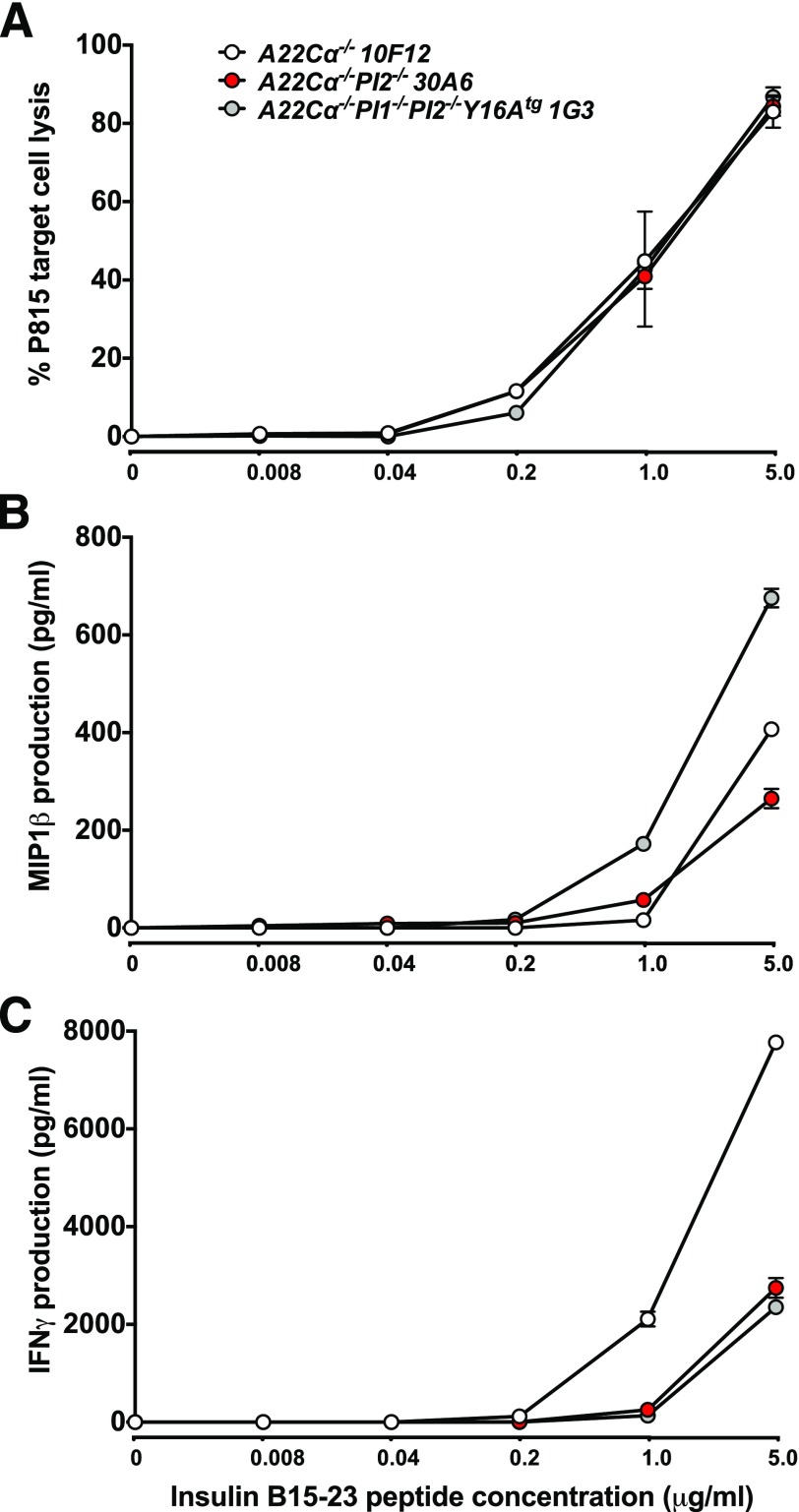
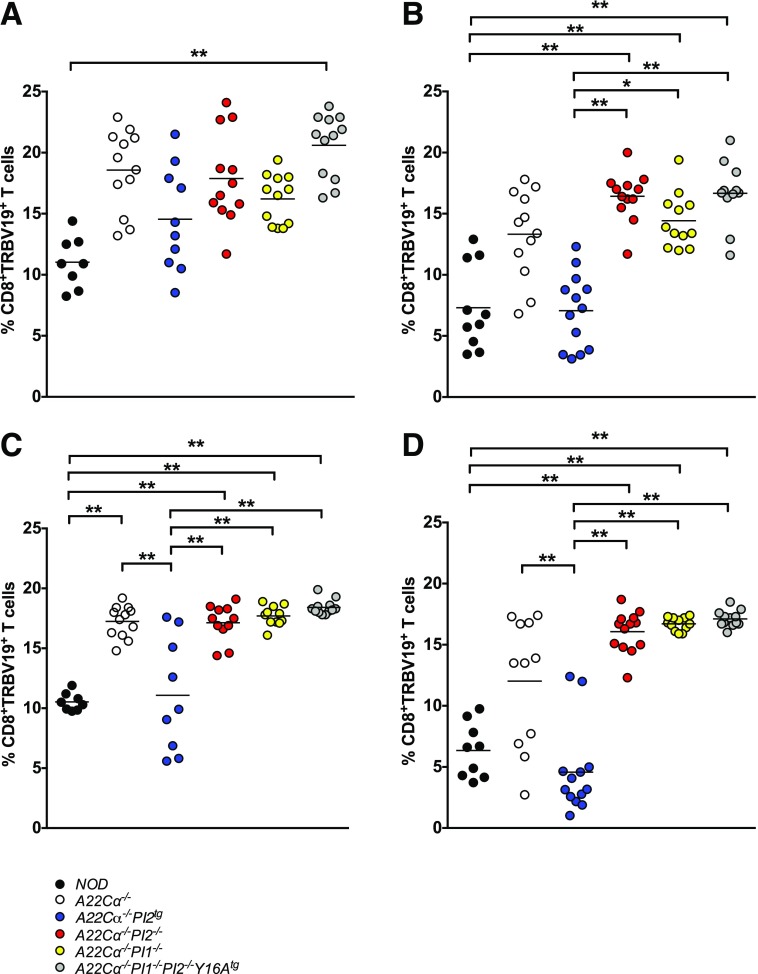
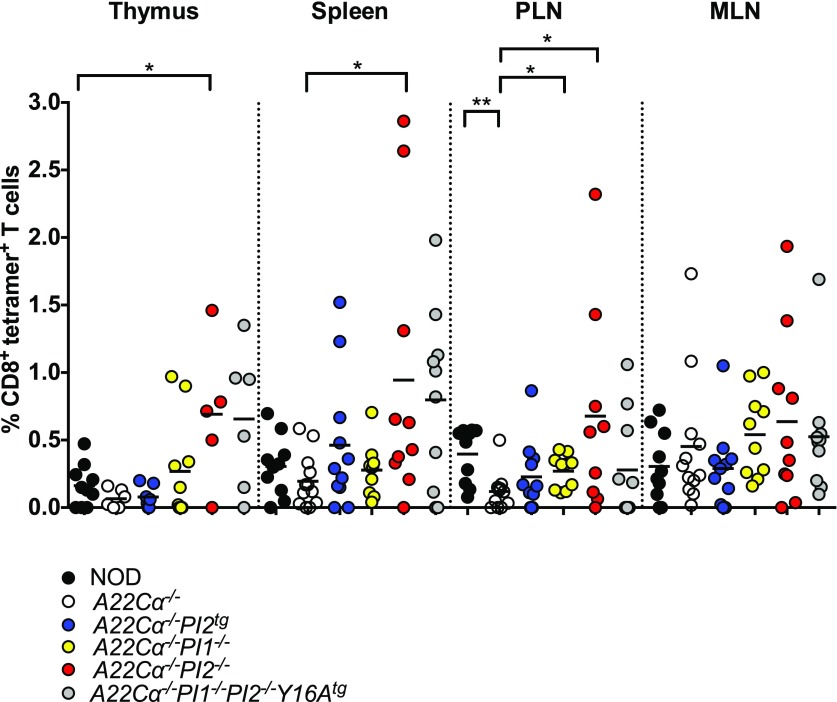
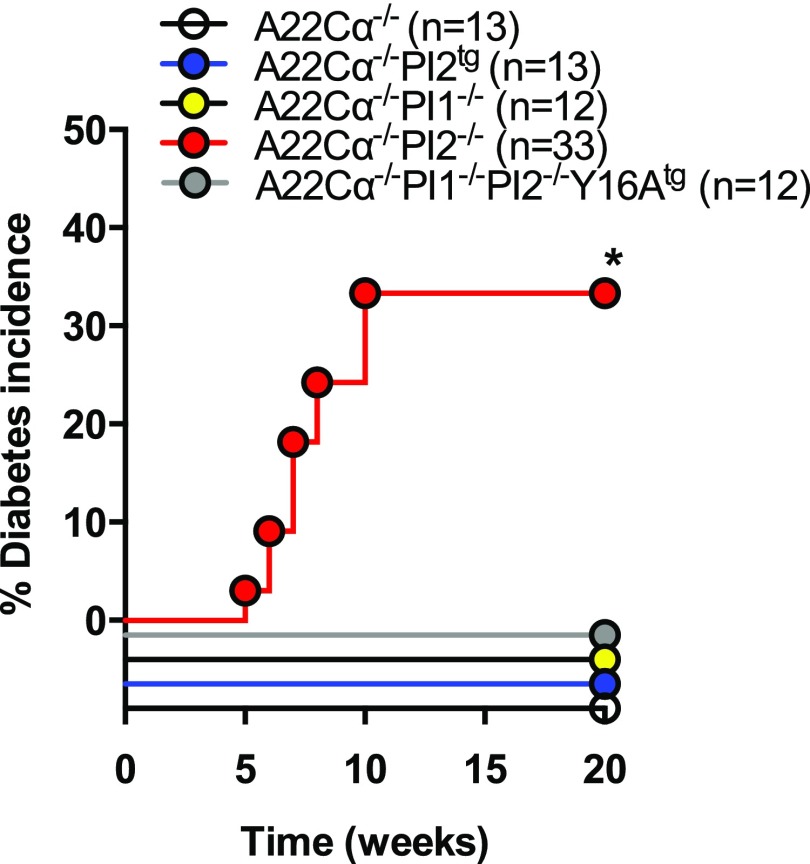
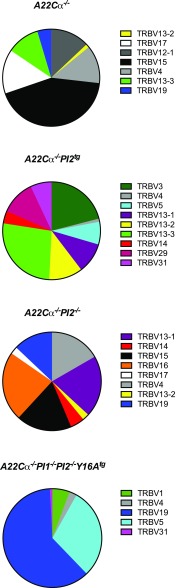
NOD mice, a model strain for human type 1 diabetes, express proinsulin (PI) in the thymus. However, insulin-reactive T cells escape negative selection, and subsequent activation of the CD8(+) T-cell clonotype G9C8, which recognizes insulin B15-23 via an αβ T-cell receptor (TCR) incorporating TRAV8-1/TRAJ9 and TRBV19/TRBJ2-3 gene rearrangements, contributes to the development of diabetes. In this study, we used fixed TRAV8-1/TRAJ9 TCRα-chain transgenic mice to assess the impact of PI isoform expression on the insulin-reactive CD8(+) T-cell repertoire. The key findings were: 1) PI2 deficiency increases the frequency of insulin B15-23-reactive TRBV19(+)CD8(+) T cells and causes diabetes; 2) insulin B15-23-reactive TRBV19(+)CD8(+) T cells are more abundant in the pancreatic lymph nodes of mice lacking PI1 and/or PI2; 3) overexpression of PI2 decreases TRBV19 usage in the global CD8(+) T-cell compartment; 4) a biased repertoire of insulin-reactive CD8(+) T cells emerges in the periphery regardless of antigen exposure; and 5) low-avidity insulin-reactive CD8(+) T cells are less affected by antigen exposure in the thymus than in the periphery. These findings inform our understanding of the diabetogenic process and reveal new avenues for therapeutic exploitation in type 1 diabetes.
NOD小鼠是人类1型糖尿病的模型菌株,在胸腺中表达胰岛素原(PI)。然而,胰岛素反应性T细胞逃避了阴性选择,随后识别胰岛素B15 - 23的CD8(+) T细胞克隆型G9C8通过包含TRAV8 - 1/TRAJ9和TRBV19/TRBJ2 - 3基因重排的αβ T细胞受体(TCR)被激活,这有助于糖尿病的发展。在本研究中,我们使用固定的TRAV8 - 1/TRAJ9 TCRα链转基因小鼠来评估PI同工型表达对胰岛素反应性CD8(+) T细胞库的影响。主要发现如下:1)PI2缺乏会增加胰岛素B15 - 23反应性TRBV19(+)CD8(+) T细胞的频率并导致糖尿病;2)在缺乏PI1和/或PI2的小鼠胰腺淋巴结中,胰岛素B15 - 23反应性TRBV19(+)CD8(+) T细胞更为丰富;3)PI2的过表达会降低整体CD8(+) T细胞区室中TRBV19的使用频率;4)无论是否接触抗原,外周都会出现偏向性的胰岛素反应性CD8(+) T细胞库;5)低亲和力胰岛素反应性CD8(+) T细胞在胸腺中比在外周受抗原接触的影响更小。这些发现增进了我们对糖尿病发病过程的理解,并揭示了1型糖尿病治疗开发的新途径。