Wong F Susan, Siew Lai Khai, Scott Gwen, Thomas Ian J, Chapman Stephen, Viret Christophe, Wen Li
Department of Cellular and Molecular Medicine, University of Bristol, Bristol, UK.
Diabetes. 2009 May;58(5):1156-64. doi: 10.2337/db08-0800. Epub 2009 Feb 10.
We have previously reported a highly diabetogenic CD8 T-cell clone, G9C8, in the nonobese diabetic (NOD) mouse, specific to low-avidity insulin peptide B15-23, and cells responsive to this antigen are among the earliest islet infiltrates. We aimed to study the selection, activation, and development of the diabetogenic capacity of these insulin-reactive T-cells.
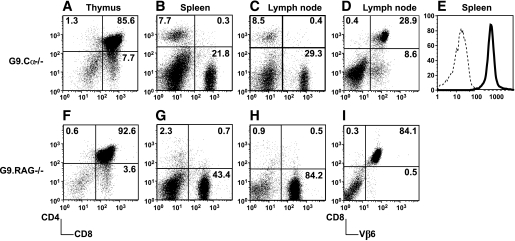
We generated a T-cell receptor (TCR) transgenic mouse expressing the cloned TCR Valpha18/Vbeta6 receptor of the G9C8 insulin-reactive CD8 T-cell clone. The mice were crossed to TCRCalpha-/- mice so that the majority of the T-cells expressed the clonotypic TCR, and the phenotype and function of the cells was investigated.
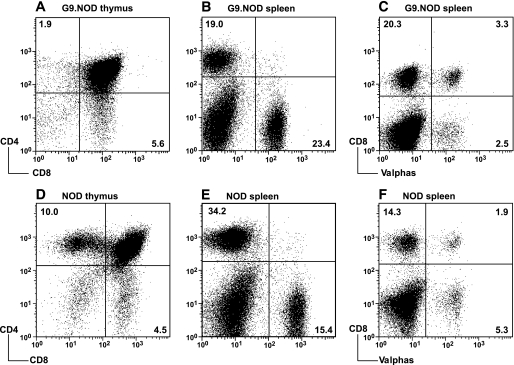
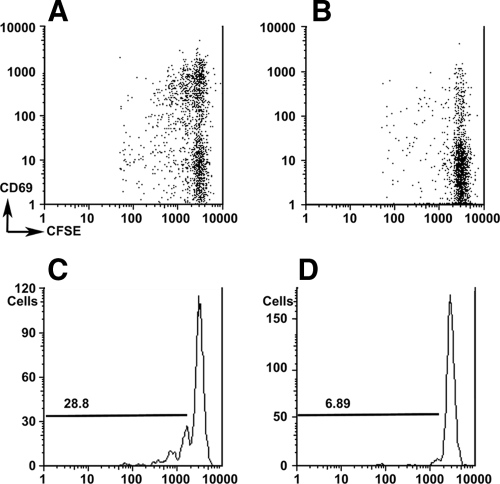
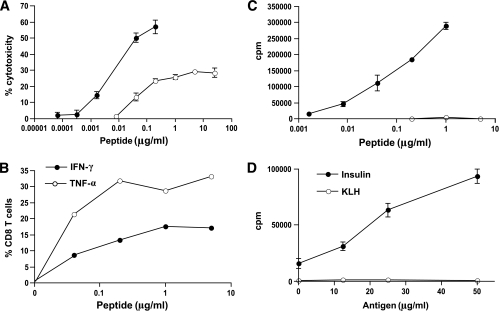
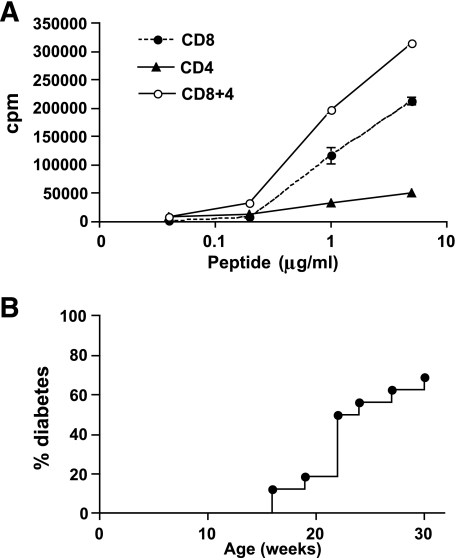
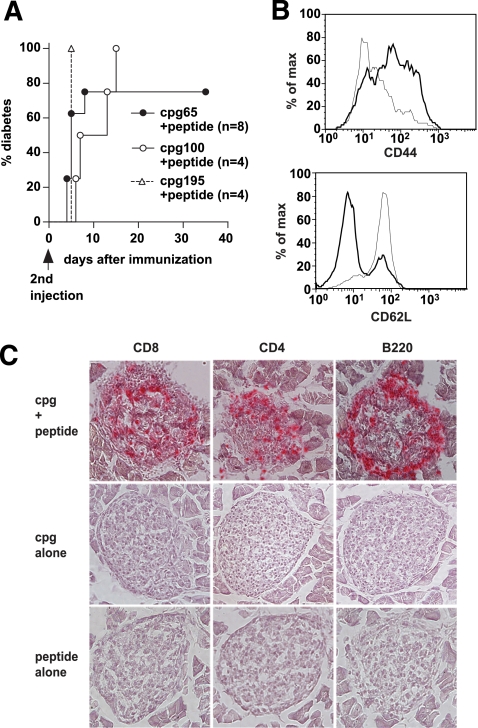
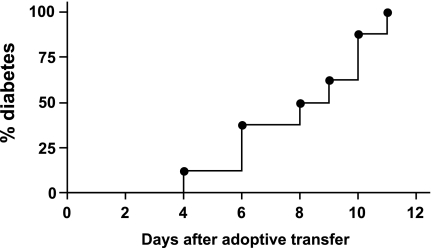
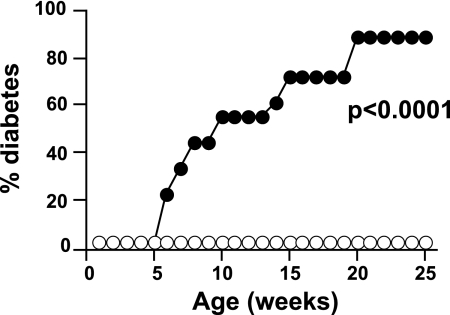
There was good selection of CD8 T-cells with a predominance of CD8 single-positive thymocytes, in spite of thymic insulin expression. Peripheral lymph node T-cells had a naïve phenotype (CD44lo, CD62Lhi) and proliferated to insulin B15-23 peptide and to insulin. These cells produced interferon-gamma and tumor necrosis factor-alpha in response to insulin peptide and were cytotoxic to insulin peptide-coated targets. In vivo, the TCR transgenic mice developed insulitis but not spontaneous diabetes. However, the mice developed diabetes on immunization, and the activated transgenic T-cells were able to transfer diabetes to immunodeficient NOD.scid mice.
Autoimmune CD8 T-cells responding to a low-affinity insulin B-chain peptide escape from thymic negative selection and require activation in vivo to cause diabetes.
我们之前报道过在非肥胖糖尿病(NOD)小鼠中存在一个高度致糖尿病的CD8 T细胞克隆G9C8,它对低亲和力胰岛素肽B15 - 23具有特异性,并且对该抗原产生反应的细胞是最早浸润胰岛的细胞之一。我们旨在研究这些胰岛素反应性T细胞致糖尿病能力的选择、激活和发展过程。
我们构建了一种T细胞受体(TCR)转基因小鼠,其表达G9C8胰岛素反应性CD8 T细胞克隆的克隆化TCR Valpha18/Vbeta6受体。将这些小鼠与TCRCalpha - / - 小鼠杂交,使得大多数T细胞表达克隆型TCR,然后对细胞的表型和功能进行研究。
尽管胸腺中有胰岛素表达,但仍有大量CD8单阳性胸腺细胞对CD8 T细胞进行了良好的选择。外周淋巴结T细胞具有幼稚表型(CD44lo,CD62Lhi),并对胰岛素B15 - 23肽和胰岛素发生增殖反应。这些细胞在接触胰岛素肽后产生干扰素 - γ和肿瘤坏死因子 - α,并且对包被胰岛素肽的靶细胞具有细胞毒性。在体内,TCR转基因小鼠发生胰岛炎,但未发生自发性糖尿病。然而,这些小鼠在免疫后会发生糖尿病,并且激活的转基因T细胞能够将糖尿病转移给免疫缺陷的NOD.scid小鼠。
对低亲和力胰岛素B链肽产生反应的自身免疫性CD8 T细胞逃避了胸腺阴性选择,并且需要在体内激活才能导致糖尿病。