Zhao Chuntao, Deng Yaqi, Liu Lei, Yu Kun, Zhang Liguo, Wang Haibo, He Xuelian, Wang Jincheng, Lu Changqing, Wu Laiman N, Weng Qinjie, Mao Meng, Li Jianrong, van Es Johan H, Xin Mei, Parry Lee, Goldman Steven A, Clevers Hans, Lu Q Richard
Department of Pediatrics, State Key Laboratory of Biotherapy, West China Second Hospital, Sichuan University, Collaborative Innovation Center for Biotherapy, Chengdu 610041, China.
Division of Experimental Hematology and Cancer Biology, Department of Pediatrics, Brain Tumor Center, Cincinnati Children's Hospital Medical Center, Cincinnati, Ohio 45229, USA.
Nat Commun. 2016 Mar 9;7:10883. doi: 10.1038/ncomms10883.
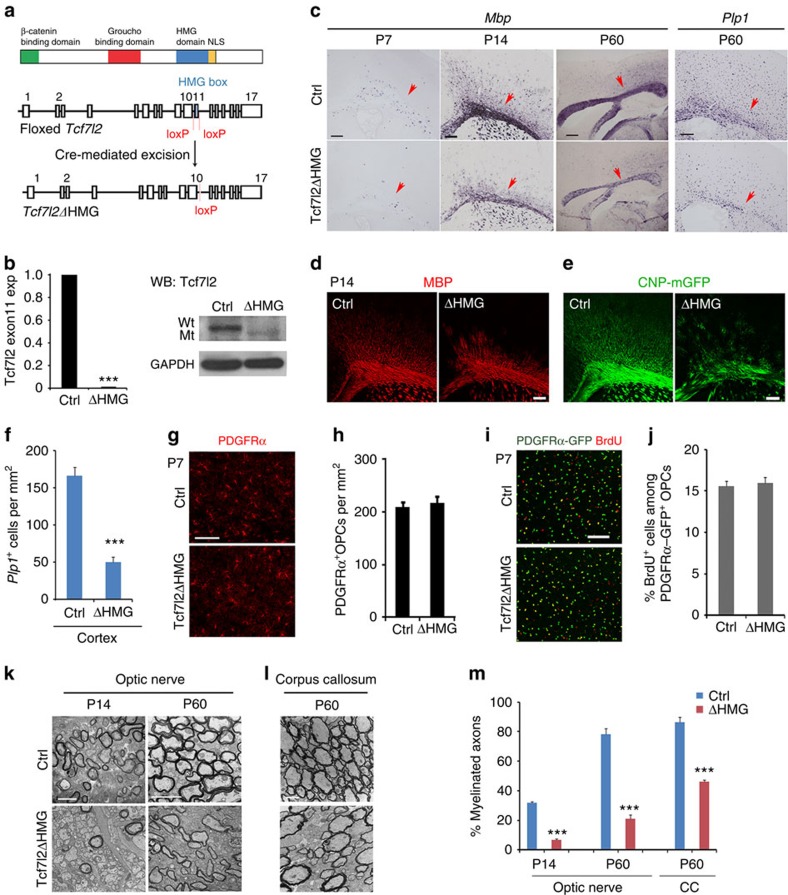
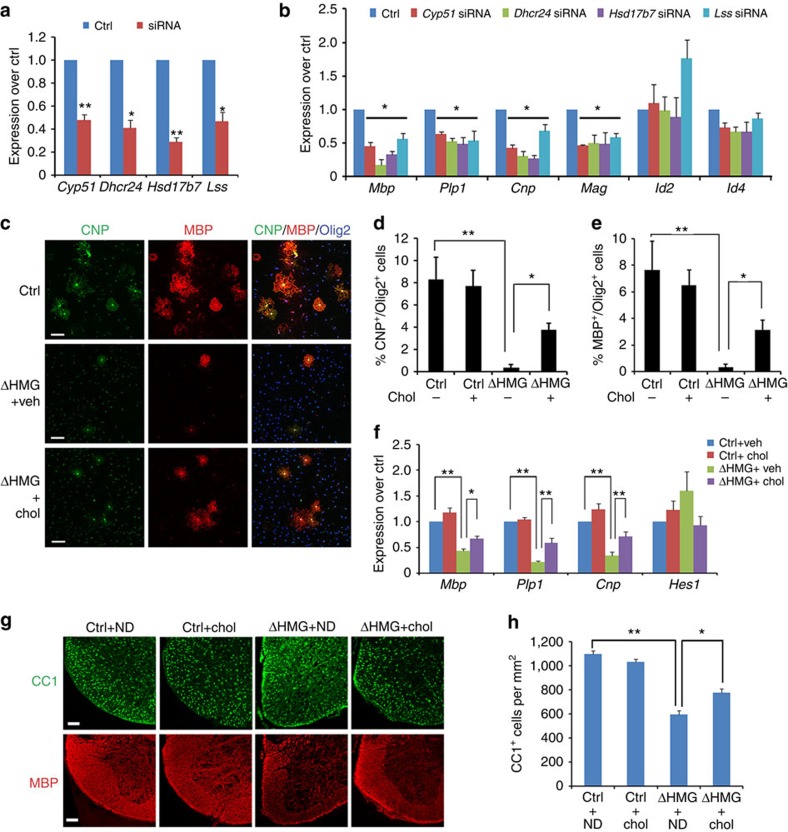
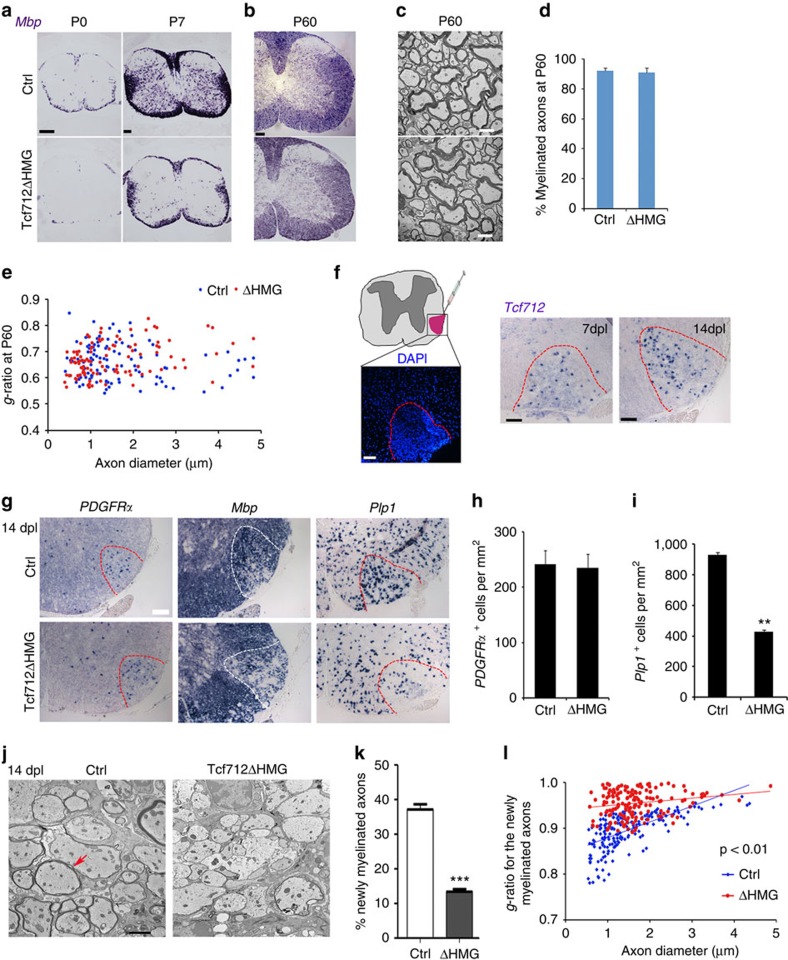
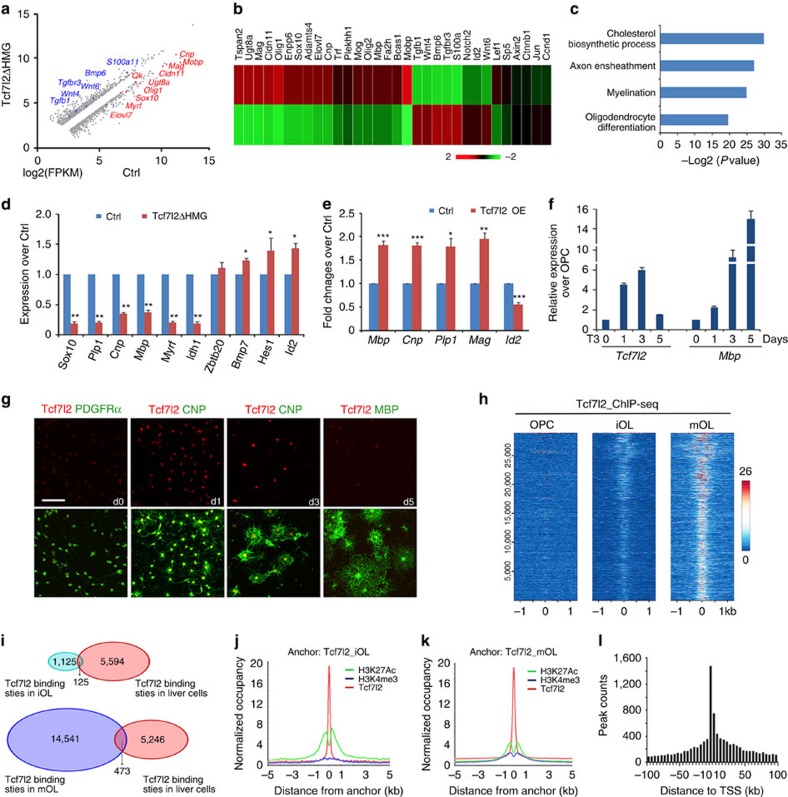
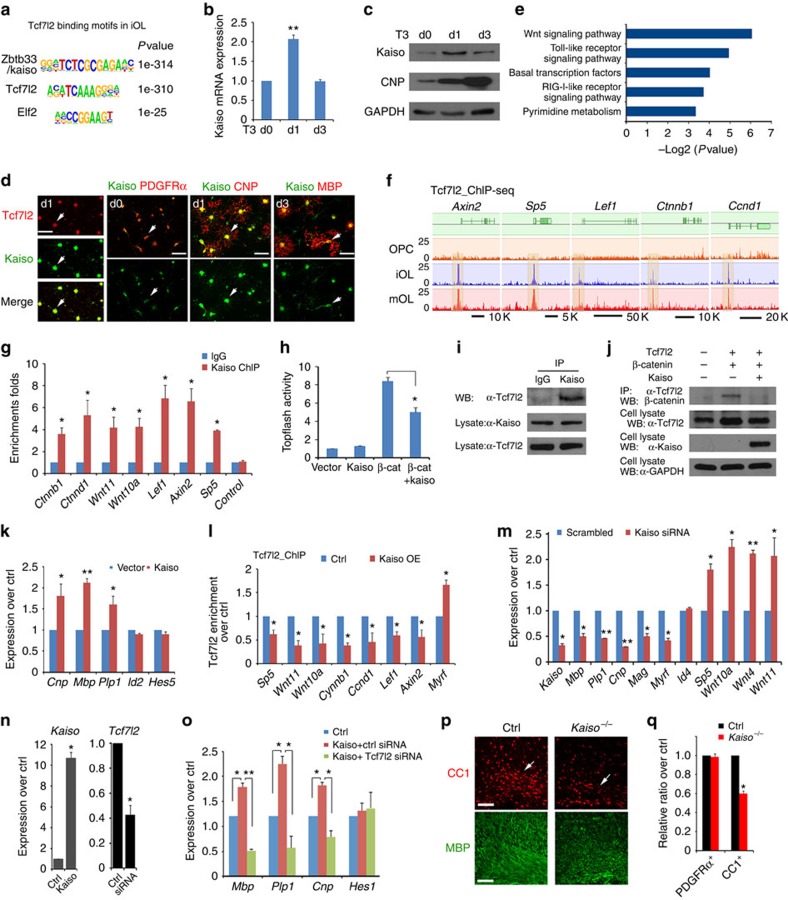
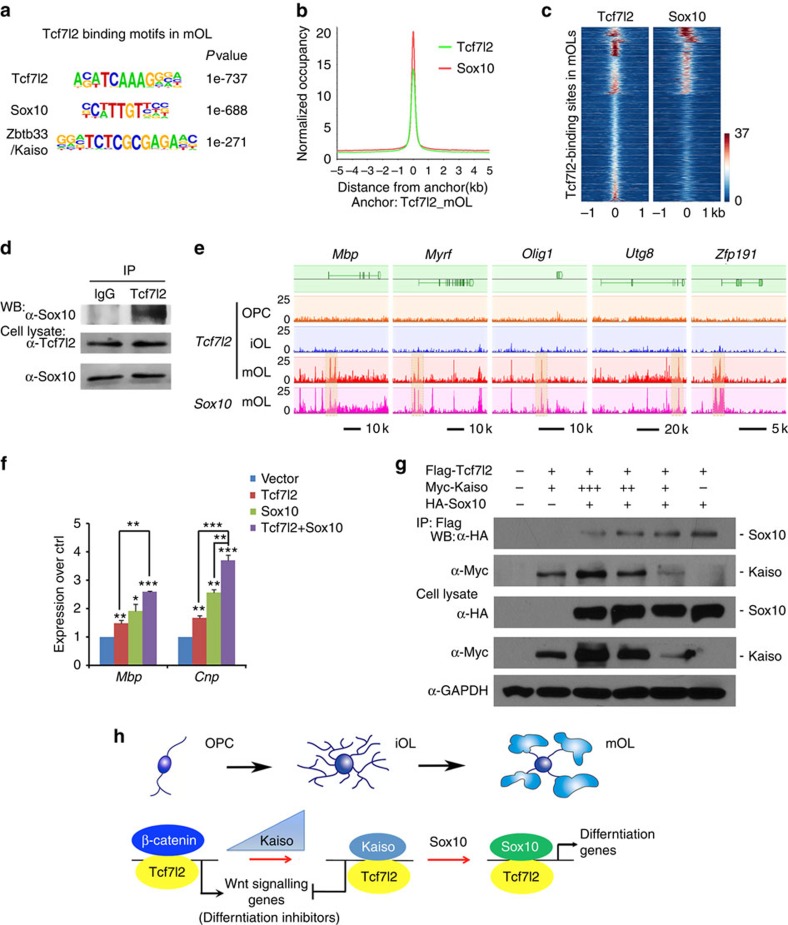
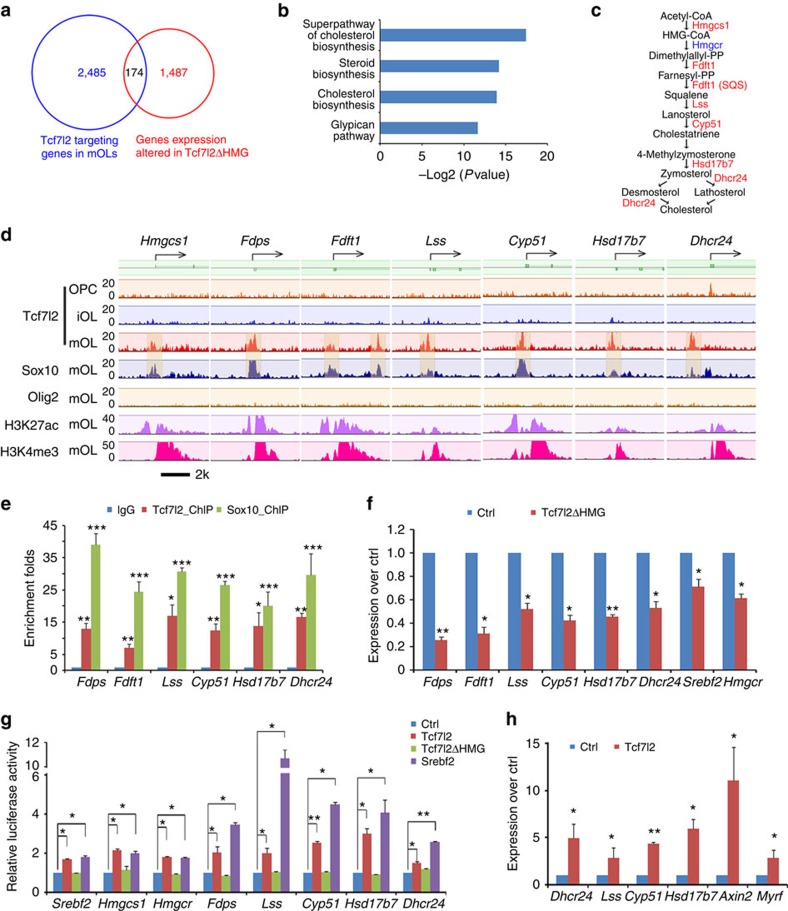
Constitutive activation of Wnt/β-catenin inhibits oligodendrocyte myelination. Tcf7l2/Tcf4, a β-catenin transcriptional partner, is required for oligodendrocyte differentiation. How Tcf7l2 modifies β-catenin signalling and controls myelination remains elusive. Here we define a stage-specific Tcf7l2-regulated transcriptional circuitry in initiating and sustaining oligodendrocyte differentiation. Multistage genome occupancy analyses reveal that Tcf7l2 serially cooperates with distinct co-regulators to control oligodendrocyte lineage progression. At the differentiation onset, Tcf7l2 interacts with a transcriptional co-repressor Kaiso/Zbtb33 to block β-catenin signalling. During oligodendrocyte maturation, Tcf7l2 recruits and cooperates with Sox10 to promote myelination. In that context, Tcf7l2 directly activates cholesterol biosynthesis genes and cholesterol supplementation partially rescues oligodendrocyte differentiation defects in Tcf712 mutants. Together, we identify stage-specific co-regulators Kaiso and Sox10 that sequentially interact with Tcf7l2 to coordinate the switch at the transitions of differentiation initiation and maturation during oligodendrocyte development, and point to a previously unrecognized role of Tcf7l2 in control of cholesterol biosynthesis for CNS myelinogenesis.
Wnt/β-连环蛋白的组成性激活会抑制少突胶质细胞的髓鞘形成。Tcf7l2/Tcf4是β-连环蛋白的转录伴侣,是少突胶质细胞分化所必需的。Tcf7l2如何修饰β-连环蛋白信号传导并控制髓鞘形成仍不清楚。在这里,我们定义了一个阶段特异性的Tcf7l2调控转录回路,用于启动和维持少突胶质细胞的分化。多阶段基因组占据分析表明,Tcf7l2与不同的共调节因子连续合作,以控制少突胶质细胞谱系的进展。在分化开始时,Tcf7l2与转录共抑制因子Kaiso/Zbtb33相互作用,以阻断β-连环蛋白信号传导。在少突胶质细胞成熟过程中,Tcf7l2招募Sox10并与其合作以促进髓鞘形成。在这种情况下,Tcf7l2直接激活胆固醇生物合成基因,胆固醇补充可部分挽救Tcf712突变体中的少突胶质细胞分化缺陷。总之,我们鉴定出阶段特异性的共调节因子Kaiso和Sox10,它们依次与Tcf7l2相互作用,以协调少突胶质细胞发育过程中分化起始和成熟转变时的开关,并指出Tcf7l2在控制中枢神经系统髓鞘形成的胆固醇生物合成中以前未被认识的作用。