Dey Avishek, Samanta Milan Kumar, Gayen Srimonta, Sen Soumitra K, Maiti Mrinal K
Adv. Lab. for Plant Genetic Engineering, Advanced Technology Development Center, Indian Institute of Technology Kharagpur, Kharagpur 721302, India.
Department of Biotechnology, Indian Institute of Technology Kharagpur, Kharagpur 721302, India.
PLoS One. 2016 Mar 9;11(3):e0150763. doi: 10.1371/journal.pone.0150763. eCollection 2016.
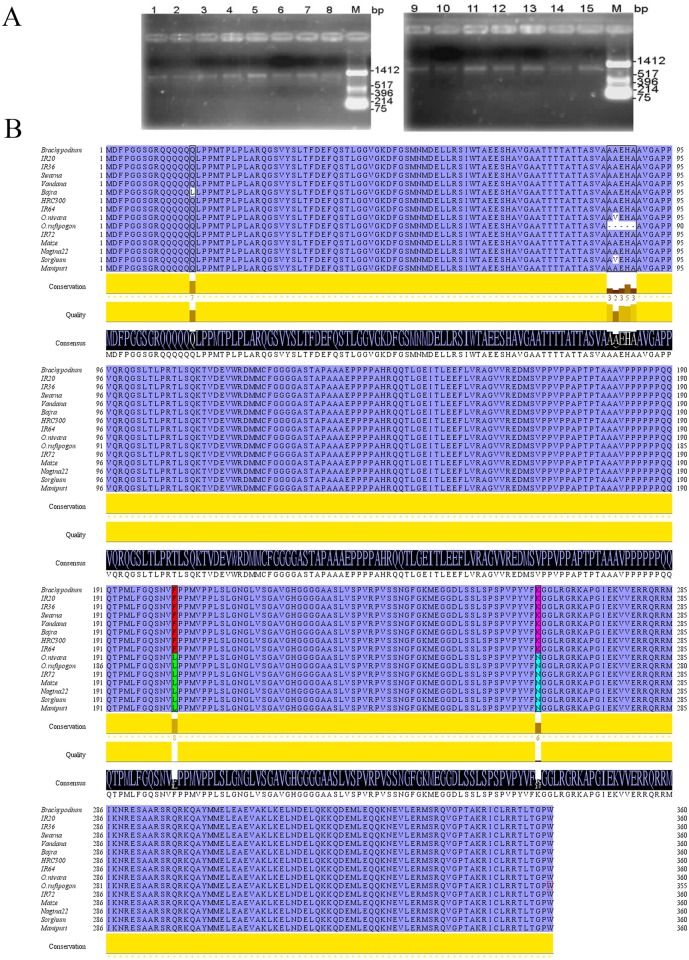
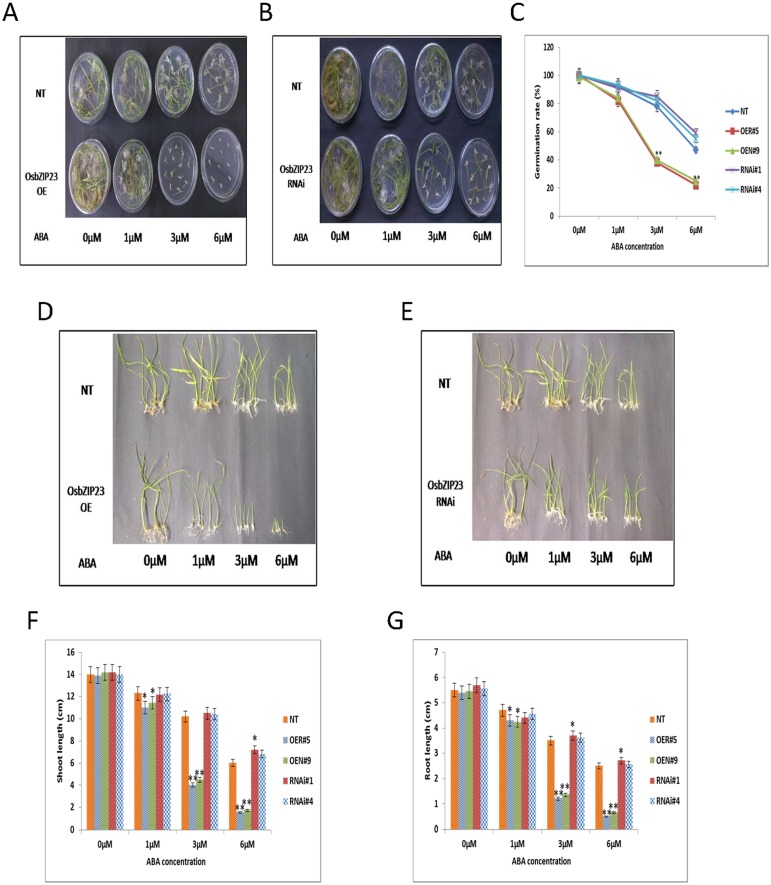
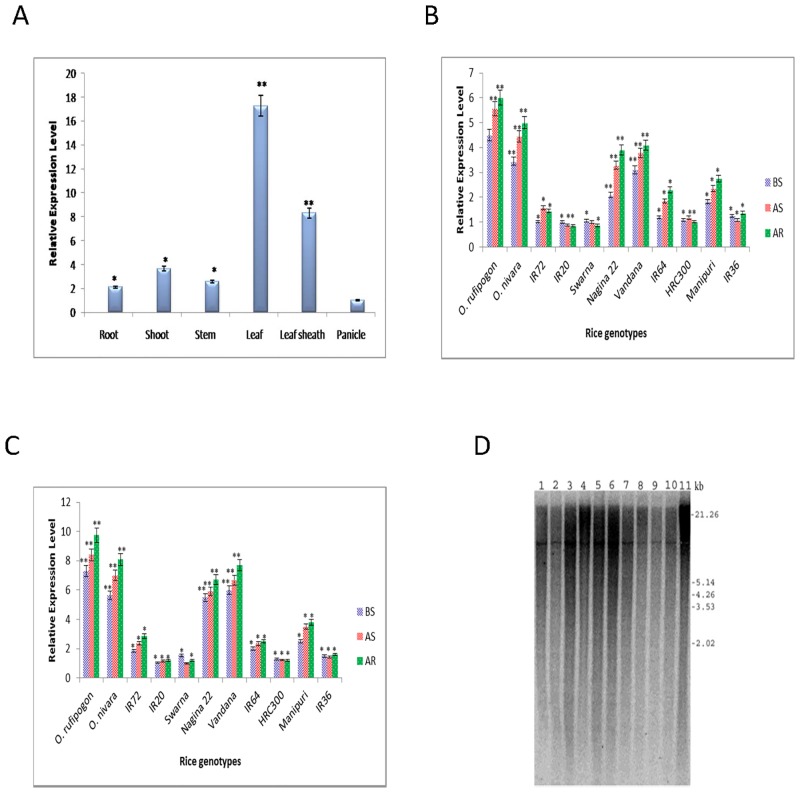
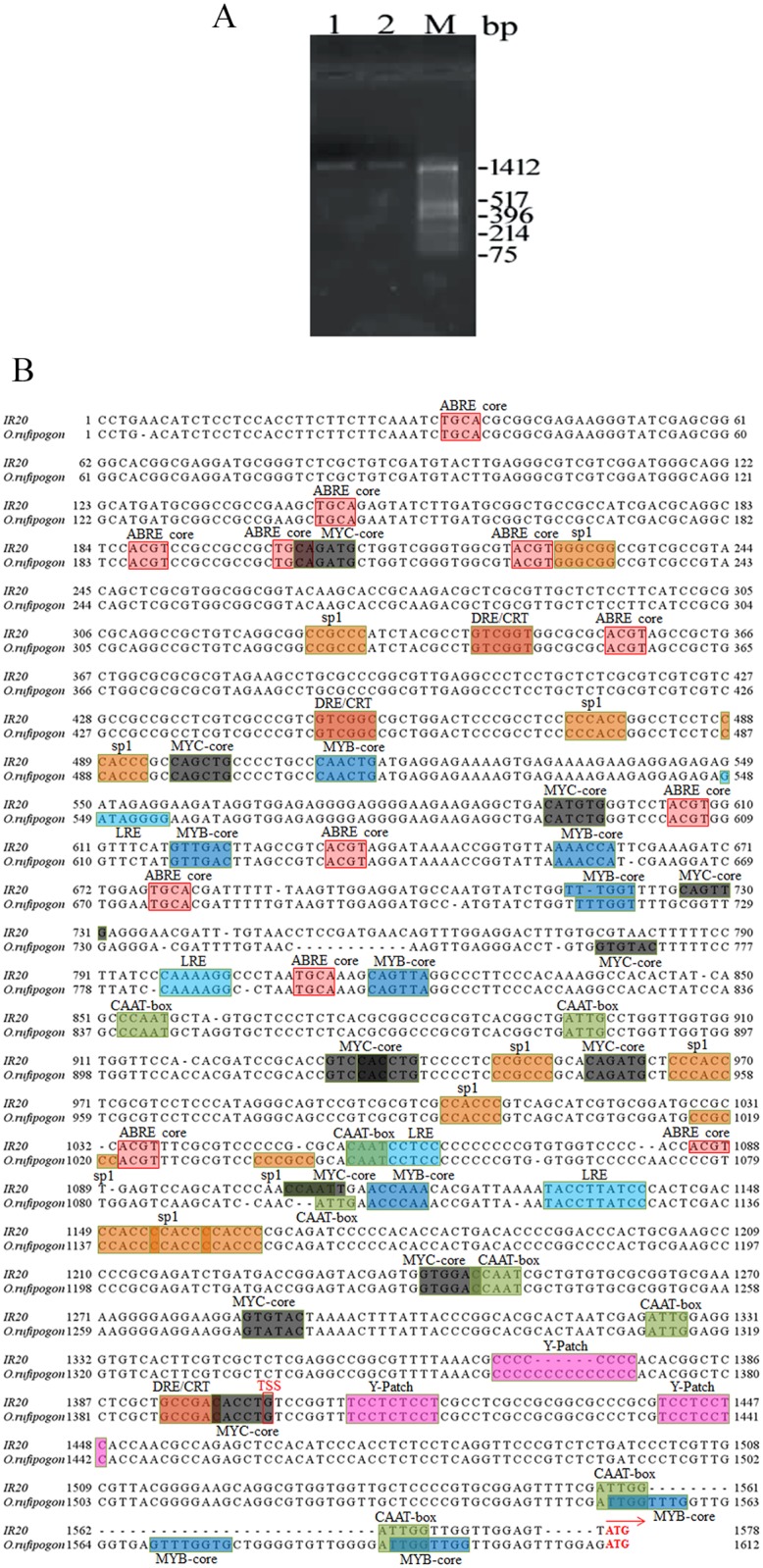
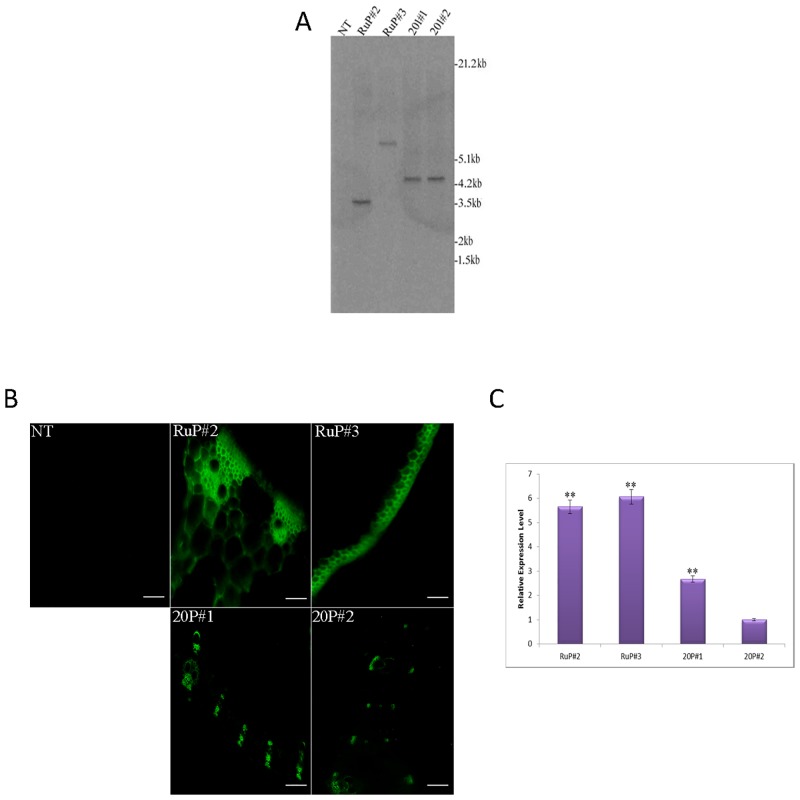
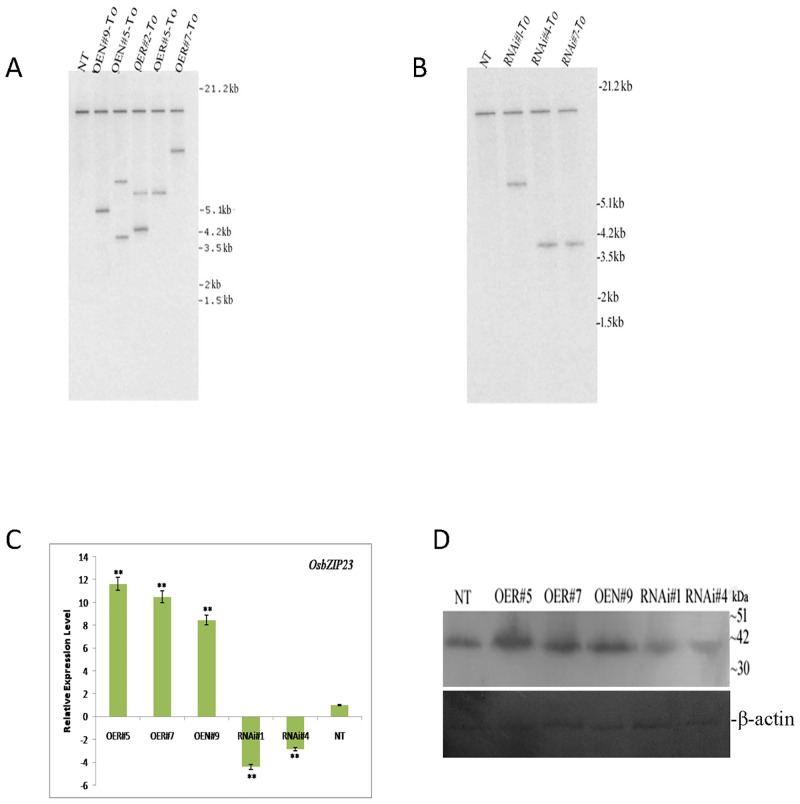
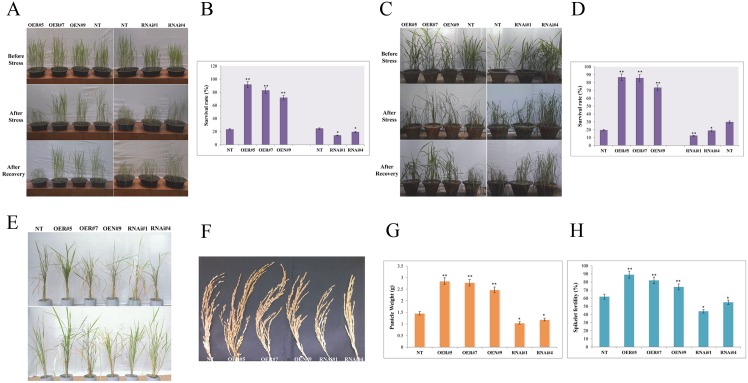
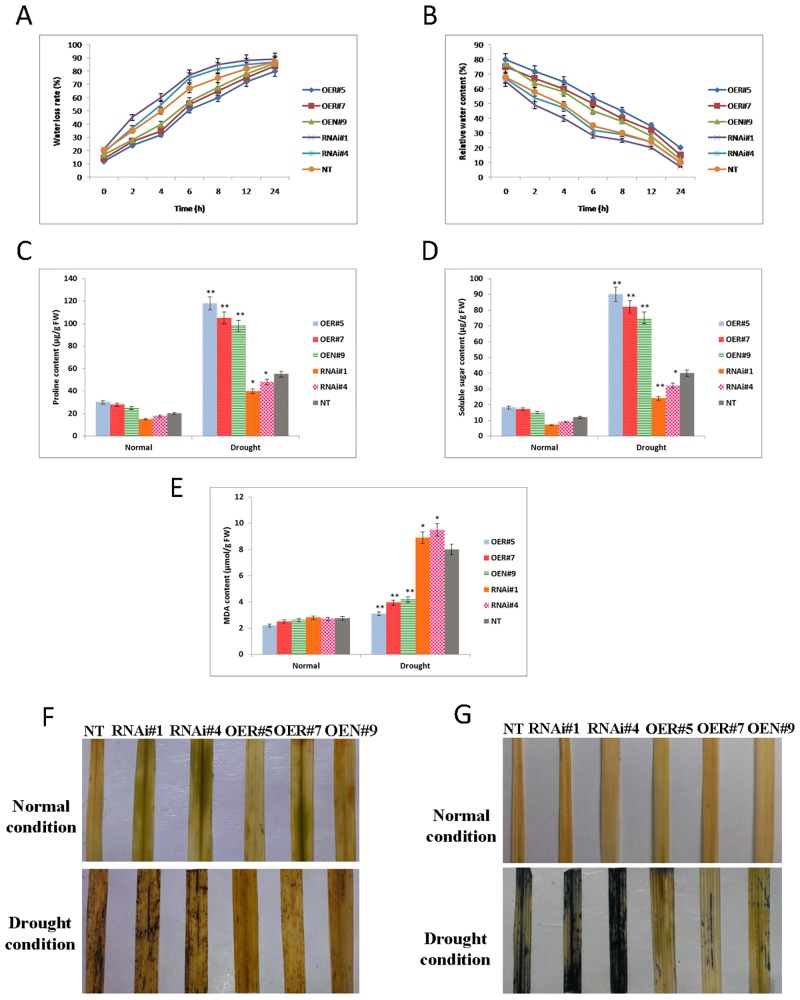
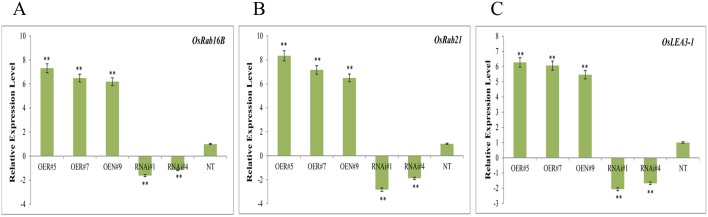
Drought is one of the major limiting factors for productivity of crops including rice (Oryza sativa L.). Understanding the role of allelic variations of key regulatory genes involved in stress-tolerance is essential for developing an effective strategy to combat drought. The bZIP transcription factors play a crucial role in abiotic-stress adaptation in plants via abscisic acid (ABA) signaling pathway. The present study aimed to search for allelic polymorphism in the OsbZIP23 gene across selected drought-tolerant and drought-sensitive rice genotypes, and to characterize the new allele through overexpression (OE) and gene-silencing (RNAi). Analyses of the coding DNA sequence (CDS) of the cloned OsbZIP23 gene revealed single nucleotide polymorphism at four places and a 15-nucleotide deletion at one place. The single-copy OsbZIP23 gene is expressed at relatively higher level in leaf tissues of drought-tolerant genotypes, and its abundance is more in reproductive stage. Cloning and sequence analyses of the OsbZIP23-promoter from drought-tolerant O. rufipogon and drought-sensitive IR20 cultivar showed variation in the number of stress-responsive cis-elements and a 35-nucleotide deletion at 5'-UTR in IR20. Analysis of the GFP reporter gene function revealed that the promoter activity of O. rufipogon is comparatively higher than that of IR20. The overexpression of any of the two polymorphic forms (1083 bp and 1068 bp CDS) of OsbZIP23 improved drought tolerance and yield-related traits significantly by retaining higher content of cellular water, soluble sugar and proline; and exhibited decrease in membrane lipid peroxidation in comparison to RNAi lines and non-transgenic plants. The OE lines showed higher expression of target genes-OsRab16B, OsRab21 and OsLEA3-1 and increased ABA sensitivity; indicating that OsbZIP23 is a positive transcriptional-regulator of the ABA-signaling pathway. Taken together, the present study concludes that the enhanced gene expression rather than natural polymorphism in coding sequence of OsbZIP23 is accountable for improved drought tolerance and yield performance in rice genotypes.
干旱是包括水稻(Oryza sativa L.)在内的作物生产力的主要限制因素之一。了解参与胁迫耐受性的关键调控基因的等位变异作用对于制定有效的抗旱策略至关重要。bZIP转录因子通过脱落酸(ABA)信号通路在植物非生物胁迫适应中起关键作用。本研究旨在寻找选定的耐旱和干旱敏感水稻基因型中OsbZIP23基因的等位多态性,并通过过表达(OE)和基因沉默(RNAi)来表征新等位基因。对克隆的OsbZIP23基因的编码DNA序列(CDS)分析揭示了四个位置的单核苷酸多态性和一个位置的15个核苷酸缺失。单拷贝的OsbZIP23基因在耐旱基因型的叶片组织中表达水平相对较高,并且在生殖阶段其丰度更高。对耐旱的野生稻和干旱敏感的IR20品种的OsbZIP23启动子进行克隆和序列分析,结果表明胁迫响应顺式元件数量存在差异,并且IR20的5'-UTR处有一个35个核苷酸的缺失。对绿色荧光蛋白报告基因功能的分析表明,野生稻的启动子活性相对高于IR20。OsbZIP23的两种多态形式(1083 bp和1068 bp CDS)中的任何一种过表达都通过保留较高含量的细胞水、可溶性糖和脯氨酸,显著提高了耐旱性和产量相关性状;与RNAi株系和非转基因植物相比,膜脂过氧化作用降低。OE株系显示靶基因OsRab16B、OsRab21和OsLEA3-1的表达较高,并且ABA敏感性增加;表明OsbZIP23是ABA信号通路的正转录调节因子。综上所述,本研究得出结论,OsbZIP23编码序列中增强的基因表达而非自然多态性是水稻基因型耐旱性和产量表现提高的原因。