Soffritti Giovanna, Busconi Matteo, Sánchez Rosa Ana, Thiercelin Jean-Marie, Polissiou Moschos, Roldán Marta, Fernández José Antonio
Department of Sustainable Crop Production, Faculty of Agriculture, Food and Environmental Sciences, Università Cattolica del Sacro Cuore, Via Emilia Parmense 84, Piacenza 29122, Italy.
BioDNA, Centro di Ricerca sulla biodiversità e sul DNA antico, Università Cattolica del Sacro Cuore, Piacenza 29122, Italy.
Molecules. 2016 Mar 11;21(3):343. doi: 10.3390/molecules21030343.
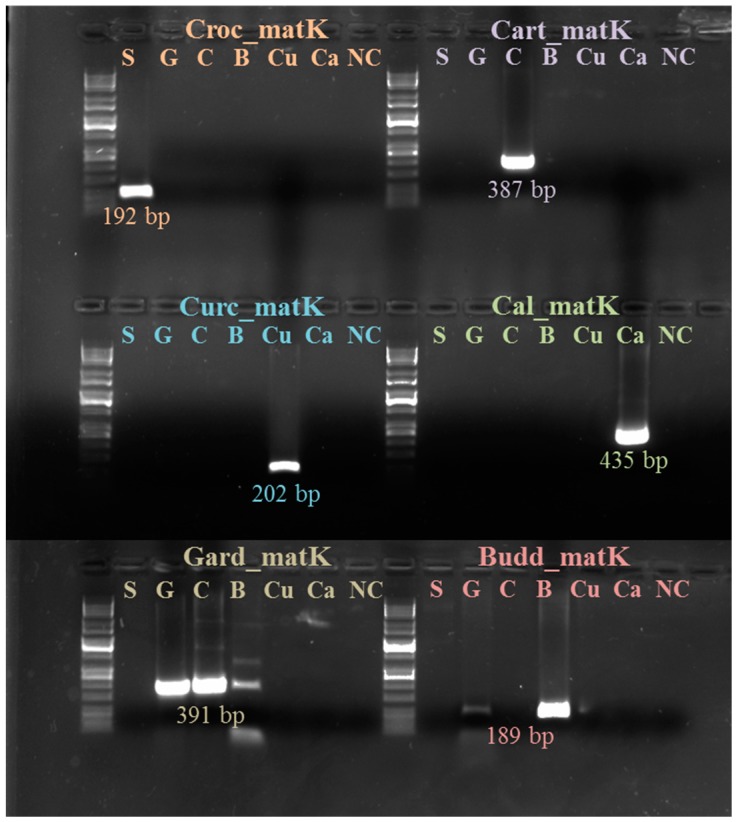
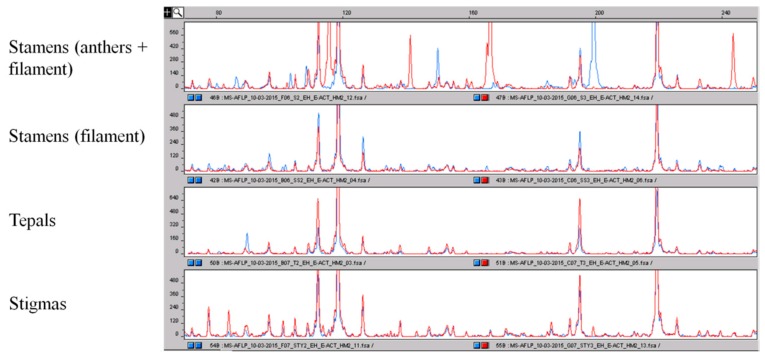
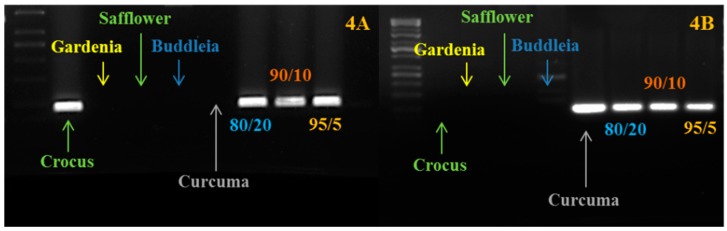
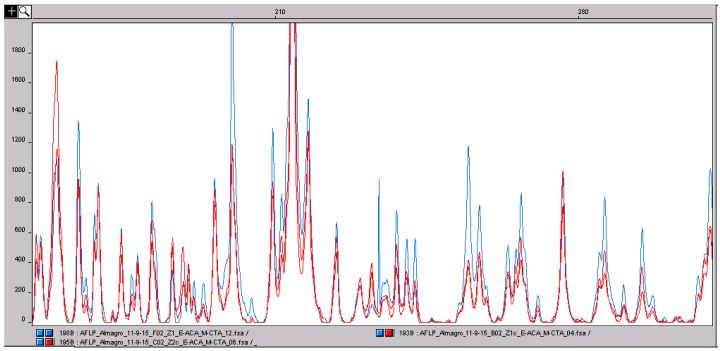
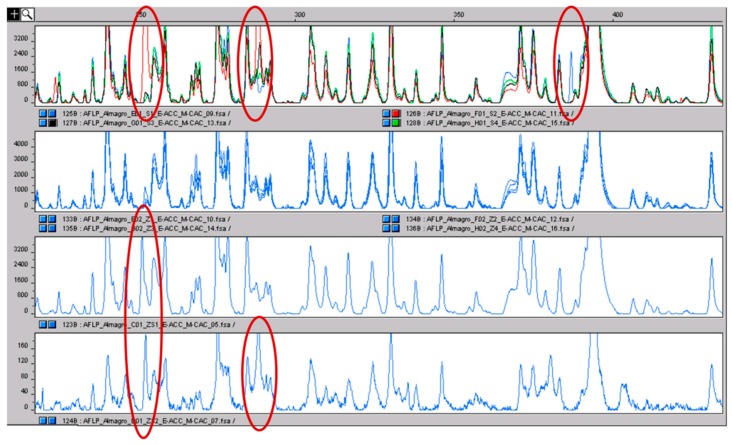
Saffron (Crocus sativus L.) is very expensive and, because of this, often subject to adulteration. Modern genetic fingerprinting techniques are an alternative low cost technology to the existing chemical techniques, which are used to control the purity of food products. Buddleja officinalis Maxim, Gardenia jasminoides Ellis, Curcuma longa L., Carthamus tinctorius L. and Calendula officinalis L. are among the most frequently-used adulterants in saffron spice. Three commercial kits were compared concerning the ability to recover PCR-grade DNA from saffron, truly adulterated samples and possible adulterants, with a clear difference among them, mainly with the processed samples. Only one of the three kits was able to obtain amplifiable DNA from almost all of the samples, with the exception of extracts. On the recovered DNA, new markers were developed based on the sequence of the plastid genes matK and rbcL. These primers, mainly those developed on matK, were able to recognize saffron and the adulterant species and also in mixtures with very low percentages of adulterant. Finally, considering that the addition of different parts of saffron flowers is one of the most widespread adulterations, by analyzing the DNA of the different parts of the flower (styles, stamens and tepals) at the genetic and epigenetic level, we succeeded in finding differences between the three tissues that can be further evaluated for a possible detection of the kind of fraud.
藏红花(番红花)价格昂贵,因此常被掺假。现代基因指纹技术是一种替代现有化学技术的低成本技术,现有化学技术用于控制食品纯度。巴戟天、栀子、姜黄、红花和金盏花是藏红花香料中最常用的掺假物。比较了三种商业试剂盒从藏红花、真正掺假的样品和可能的掺假物中提取PCR级DNA的能力,它们之间存在明显差异,主要体现在处理过的样品上。三种试剂盒中只有一种能够从几乎所有样品(提取物除外)中获得可扩增的DNA。基于质体基因matK和rbcL的序列,在回收的DNA上开发了新的标记。这些引物,主要是基于matK开发的引物,能够识别藏红花和掺假物种,也能识别掺假比例极低的混合物。最后,考虑到添加藏红花花的不同部分是最普遍的掺假方式之一,通过在基因和表观遗传水平上分析花的不同部分(花柱、雄蕊和花被片)的DNA,我们成功地发现了这三种组织之间的差异,这些差异可进一步评估,以检测可能的欺诈类型。