Zhu S, Jones M K, Hickman D, Han S, Reeves W, Karst S M
College of Medicine, Department of Molecular Genetics & Microbiology, Emerging Pathogens Institute, University of Florida, Gainesville, Florida, USA.
College of Medicine, Department of Medicine, Division of Rheumatology & Clinical Immunology, University of Florida, Gainesville, Florida, USA.
Mucosal Immunol. 2016 Nov;9(6):1559-1570. doi: 10.1038/mi.2016.15. Epub 2016 Mar 23.
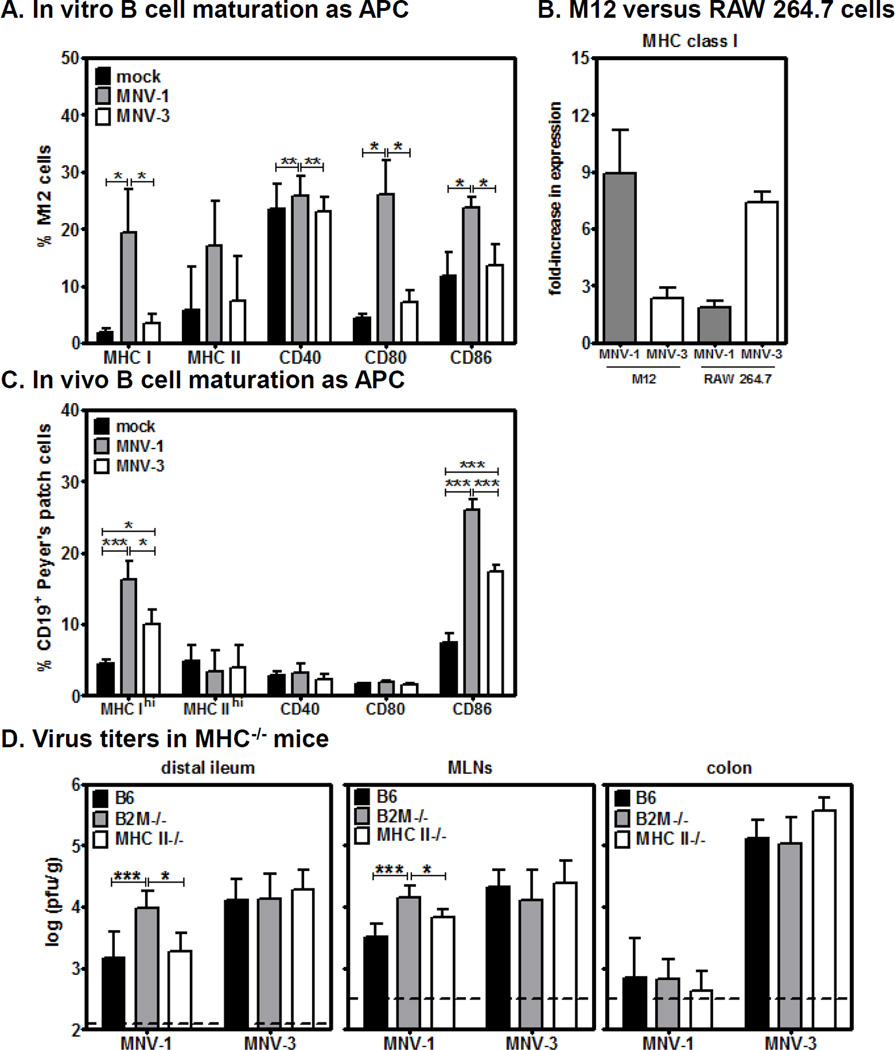
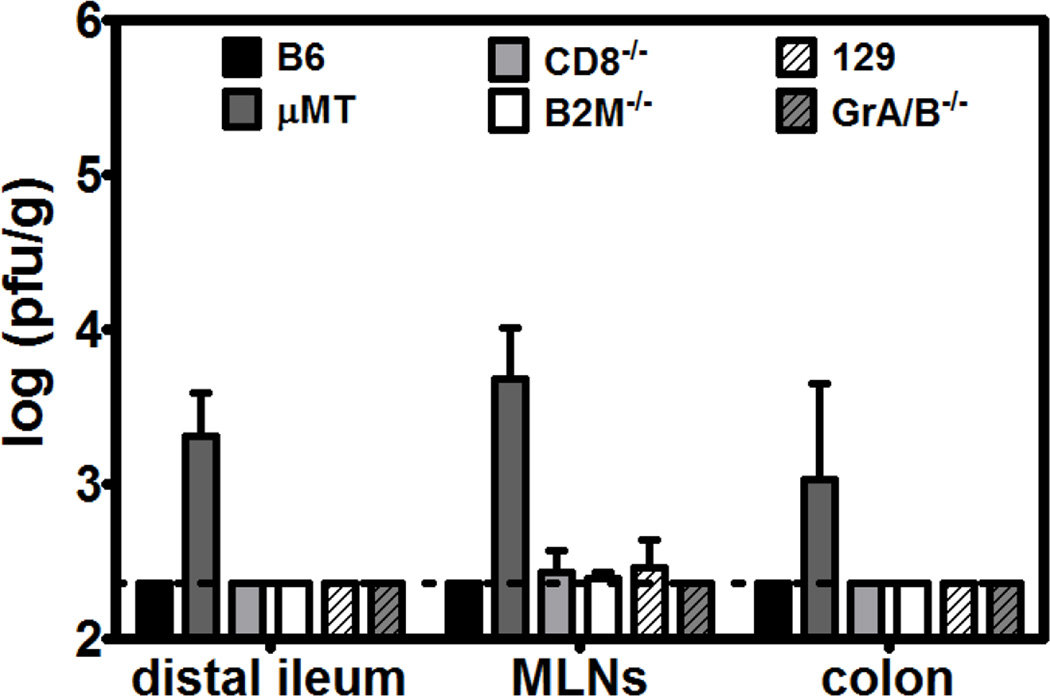
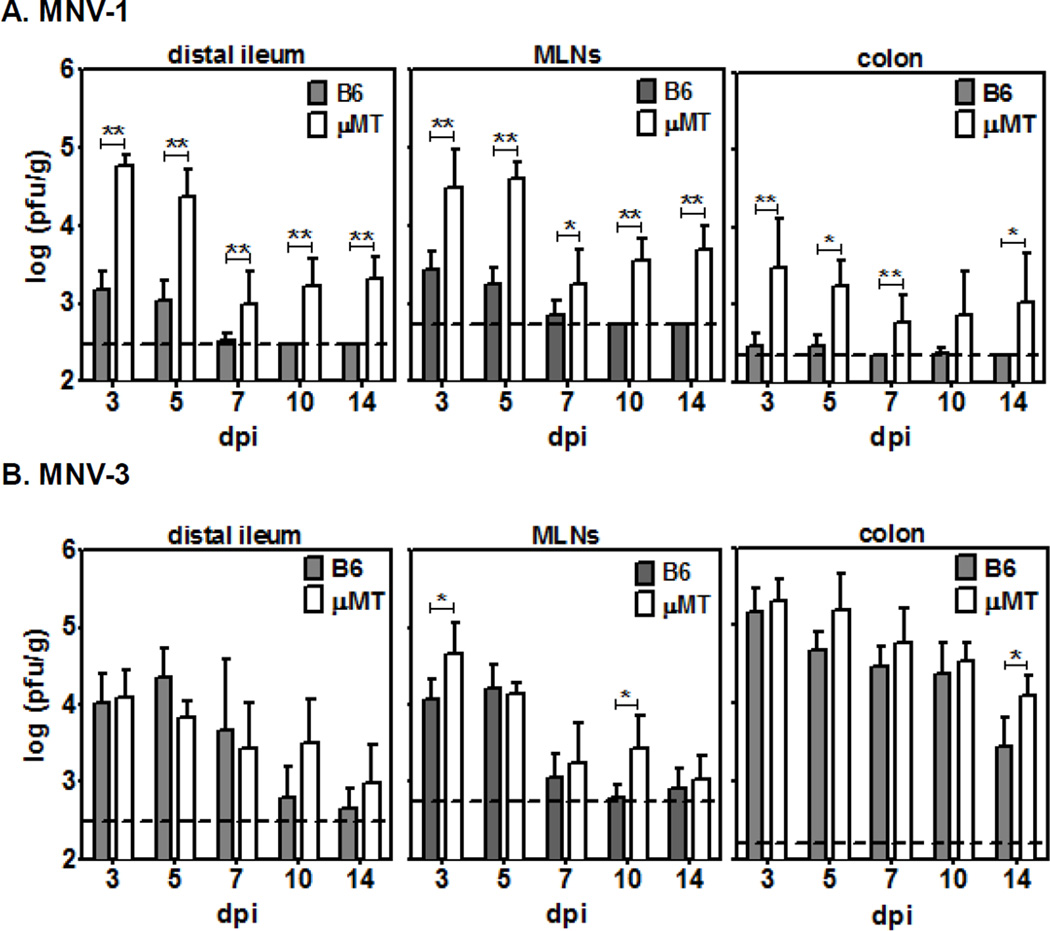
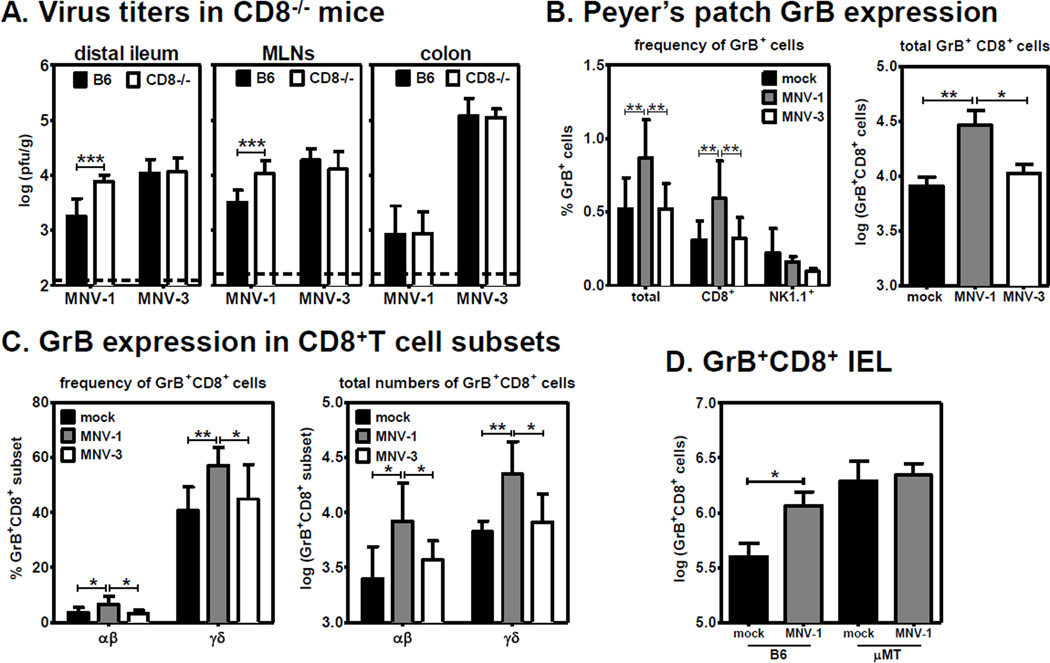
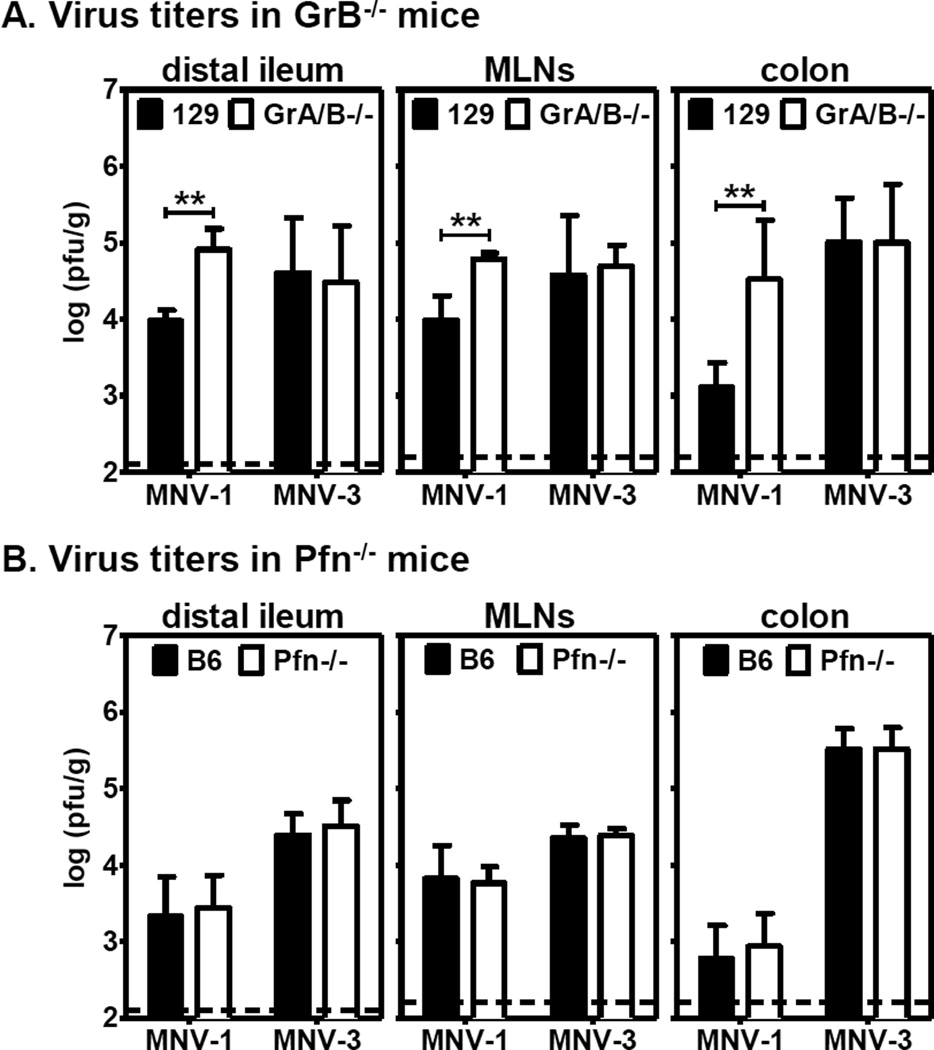
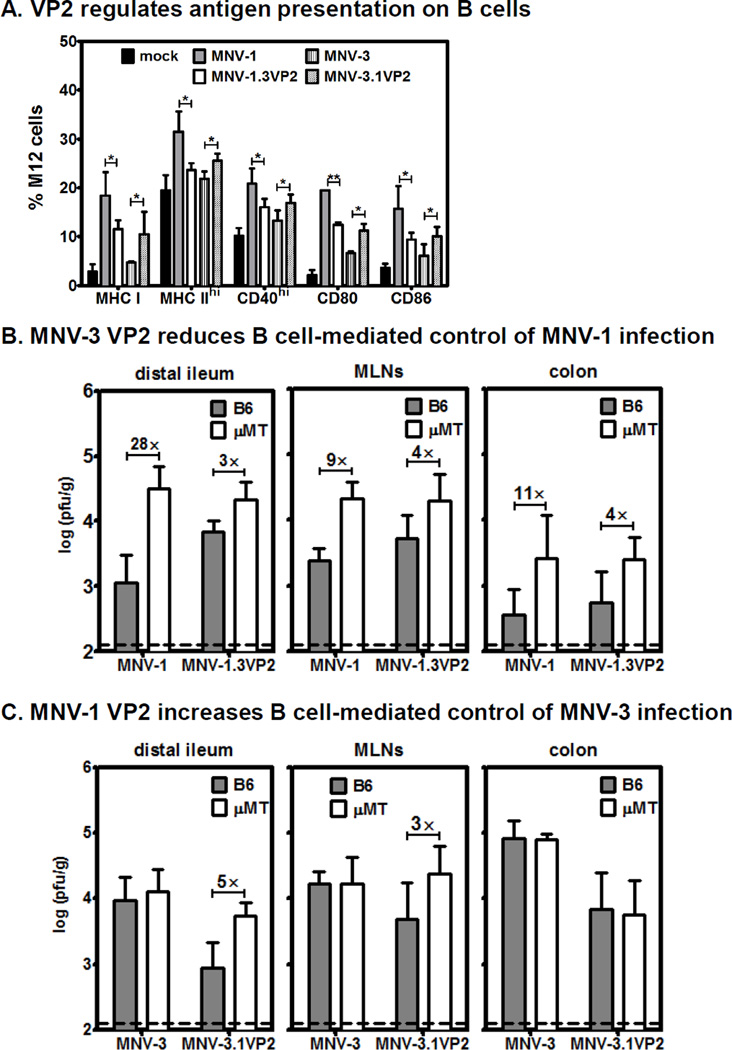
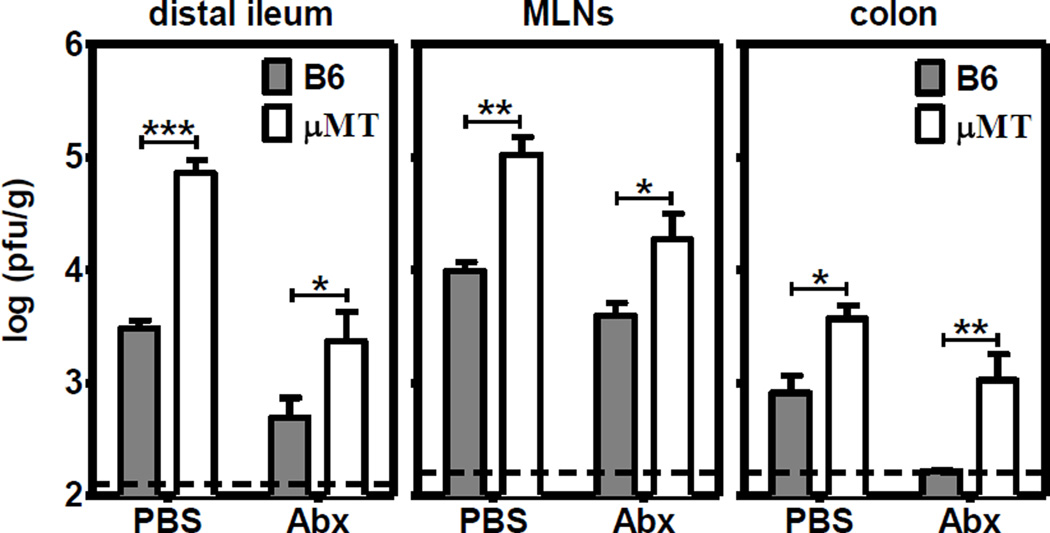
Human noroviruses are a leading cause of gastroenteritis, and so, vaccine development is desperately needed. Elucidating viral mechanisms of immune antagonism can provide key insight into designing effective immunization platforms. We recently revealed that B cells are targets of norovirus infection. Because noroviruses can regulate antigen presentation by infected macrophages and B cells can function as antigen-presenting cells, we tested whether noroviruses regulate B-cell-mediated antigen presentation and the biological consequence of such regulation. Indeed, murine noroviruses could prevent B-cell expression of antigen presentation molecules and this directly correlated with impaired control of acute infection. In addition to B cells, acute control required MHC class I molecules, CD8 T cells, and granzymes, supporting a model whereby B cells act as antigen presenting cells to activate cytotoxic CD8 T cells. This immune pathway was active prior to the induction of antiviral antibody responses. As in macrophages, the minor structural protein VP2 regulated B-cell antigen presentation in a virus-specific manner. Commensal bacteria were not required for the activation of this pathway and ultimately only B cells were required for the clearance of viral infection. These findings provide new insight into the role of B cells in stimulating antiviral CD8 T-cell responses.
人诺如病毒是肠胃炎的主要病因,因此迫切需要开发疫苗。阐明病毒免疫拮抗机制可为设计有效的免疫平台提供关键见解。我们最近发现B细胞是诺如病毒感染的靶标。由于诺如病毒可调节受感染巨噬细胞的抗原呈递,且B细胞可作为抗原呈递细胞发挥作用,我们测试了诺如病毒是否调节B细胞介导的抗原呈递以及这种调节的生物学后果。事实上,鼠诺如病毒可阻止抗原呈递分子在B细胞上的表达,这与急性感染控制受损直接相关。除了B细胞,急性感染的控制还需要MHC I类分子、CD8 T细胞和颗粒酶,这支持了一种模型,即B细胞作为抗原呈递细胞来激活细胞毒性CD8 T细胞。这条免疫途径在抗病毒抗体反应诱导之前就已活跃。与巨噬细胞一样,次要结构蛋白VP2以病毒特异性方式调节B细胞抗原呈递。激活这条途径不需要共生细菌,最终清除病毒感染仅需要B细胞。这些发现为B细胞在刺激抗病毒CD8 T细胞反应中的作用提供了新的见解。