Brown Joshua C, Petersen Amber, Zhong Ling, Himelright Miranda L, Murphy Jessica A, Walikonis Randall S, Gerges Nashaat Z
Department of Cell Biology, Neurobiology and Anatomy, The Medical College of Wisconsin, Milwaukee, Wisconsin 53132 USA.
Department of Physiology and Neurobiology, University of Connecticut, Storrs, Connecticut 06269 USA.
Nat Commun. 2016 Mar 24;7:11080. doi: 10.1038/ncomms11080.
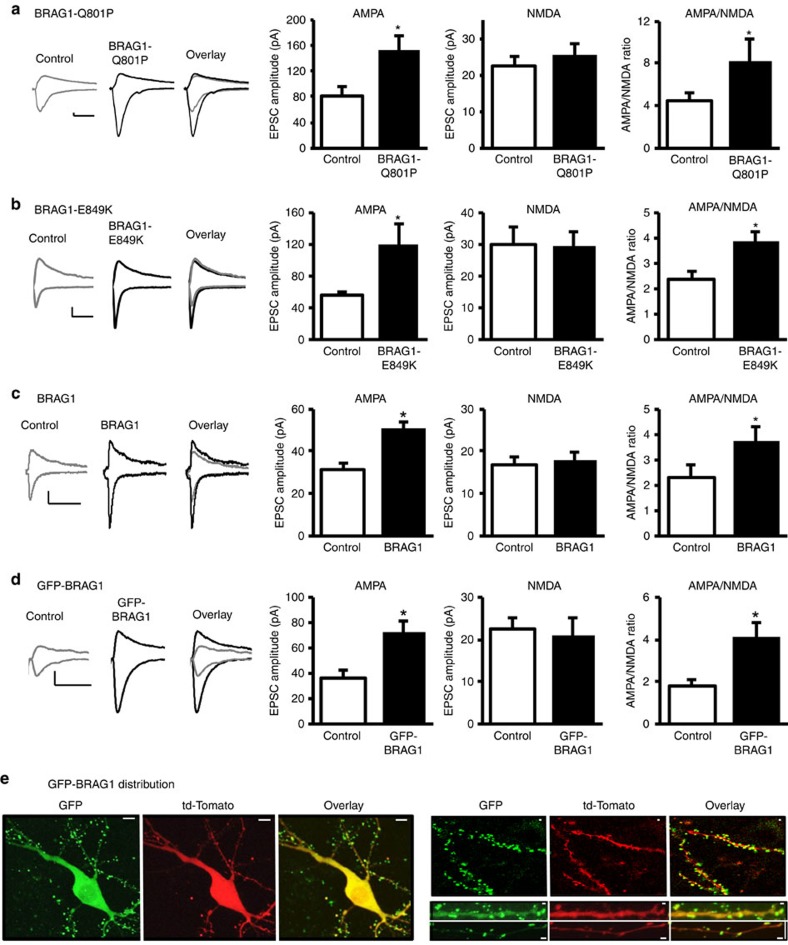
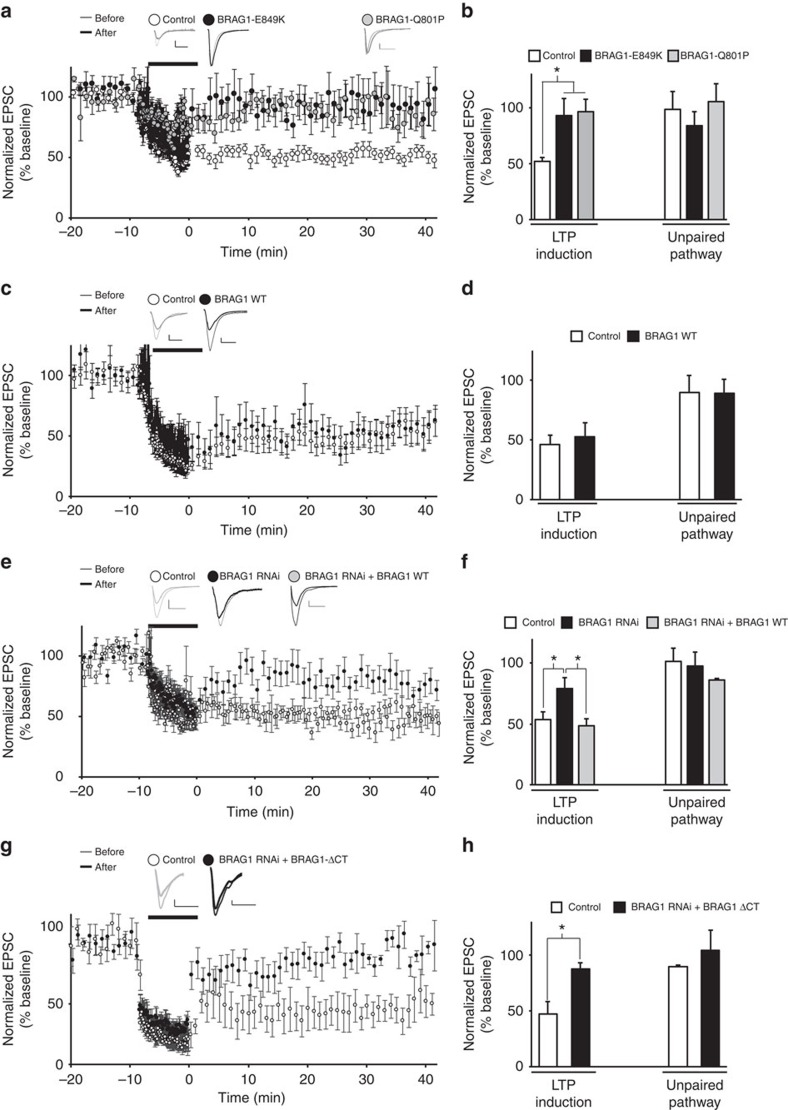
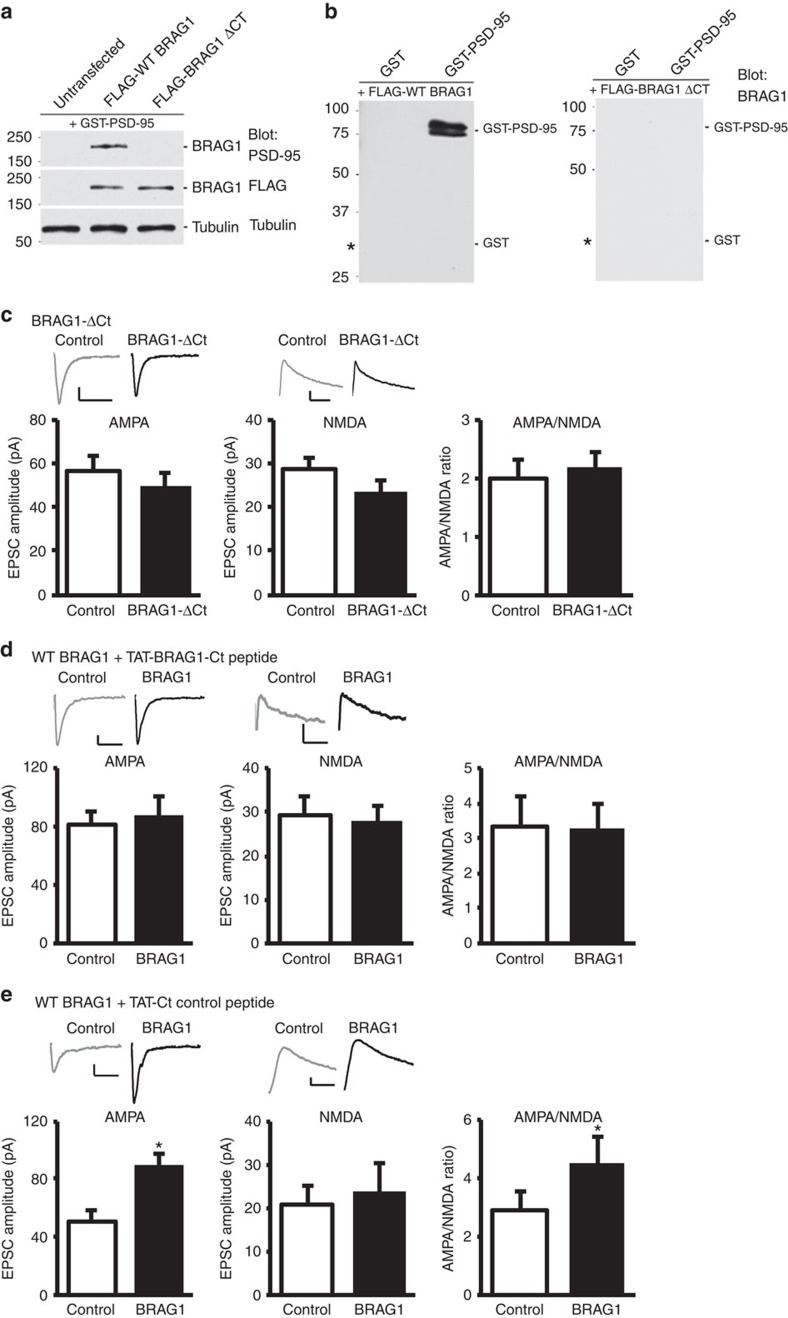
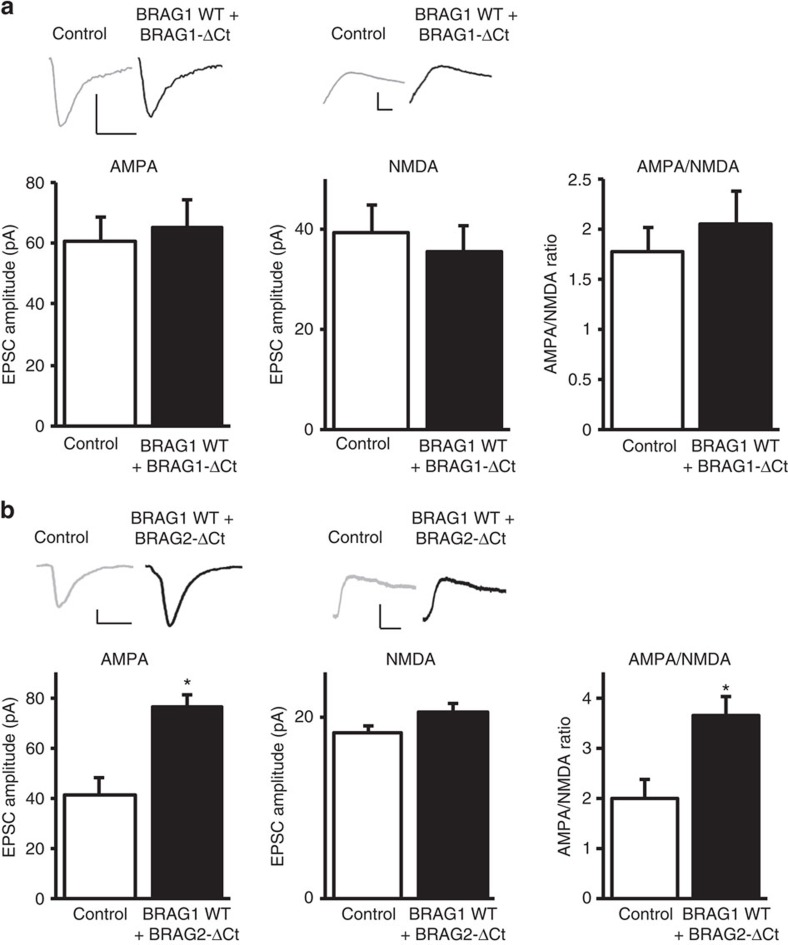
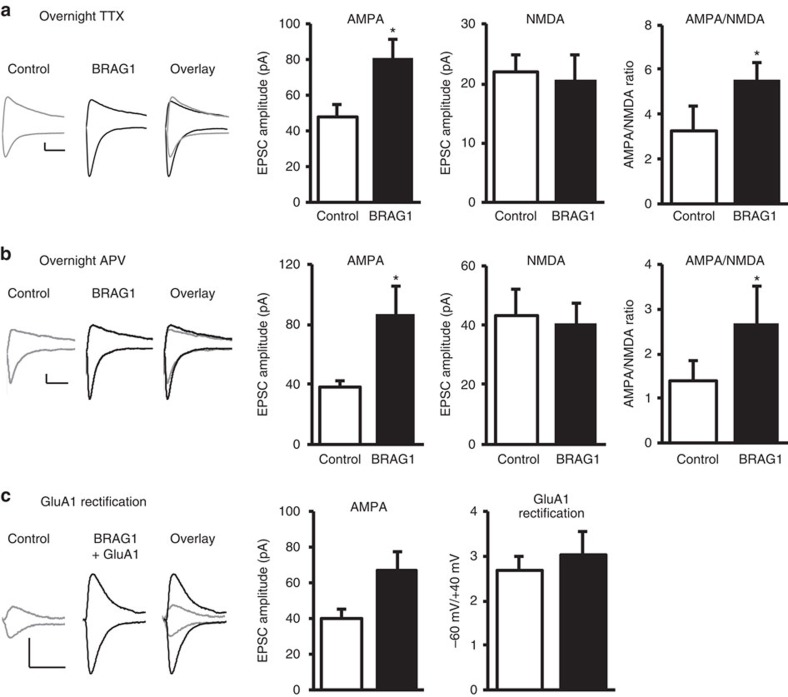
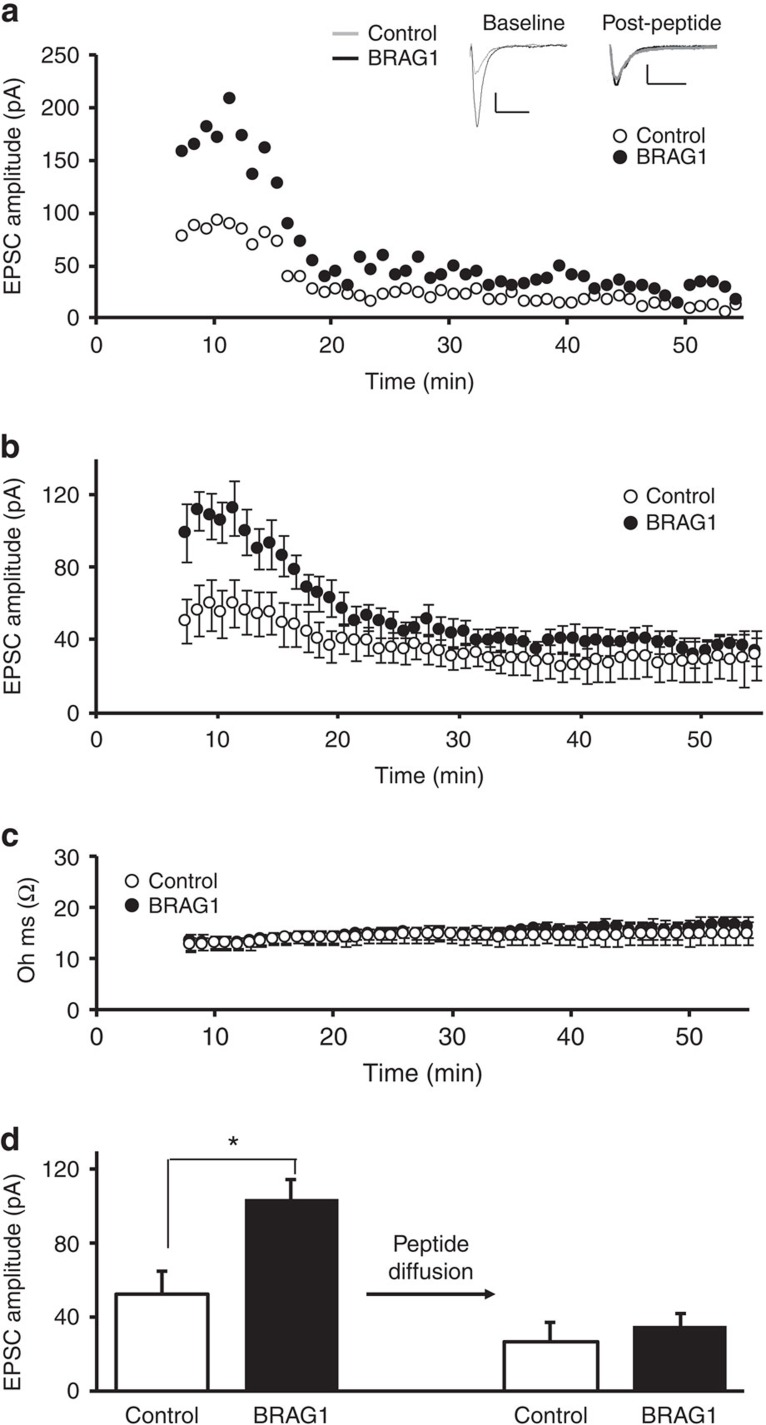
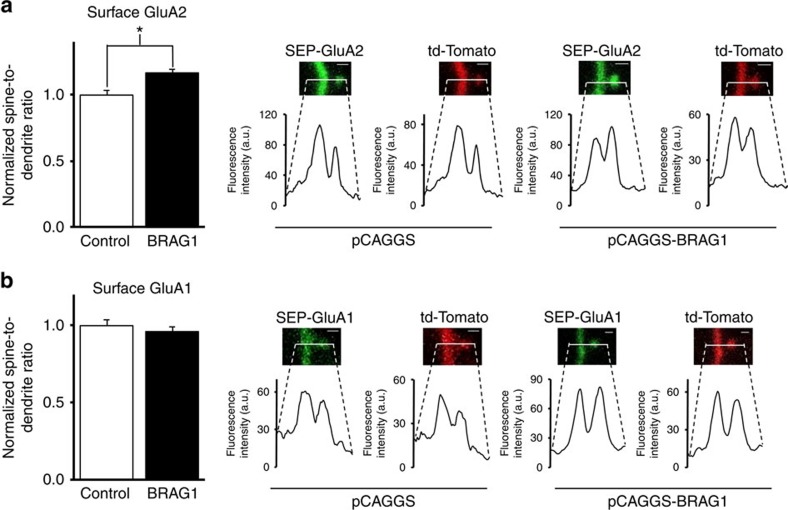
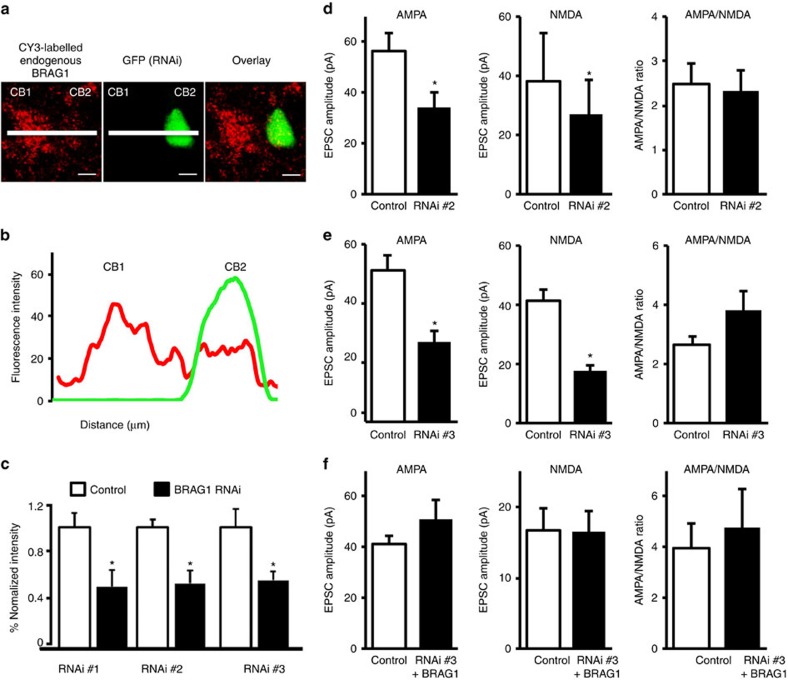
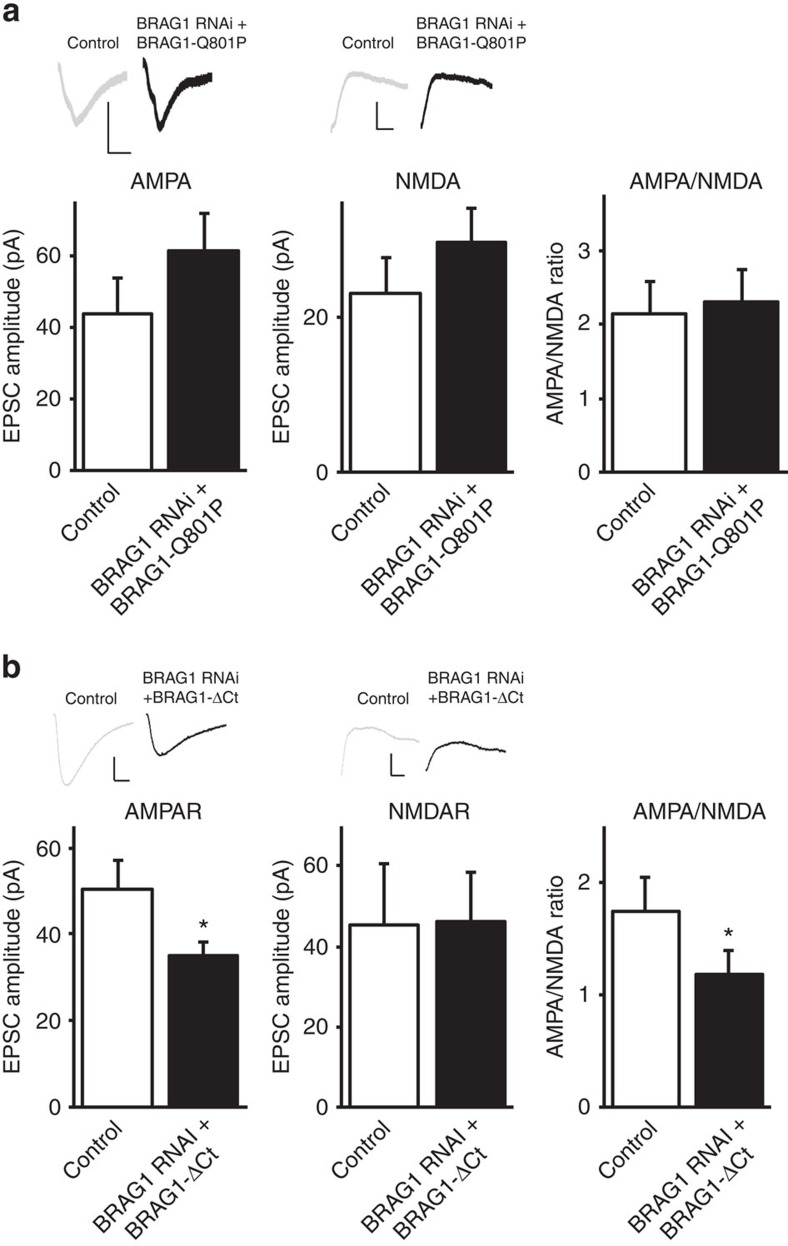
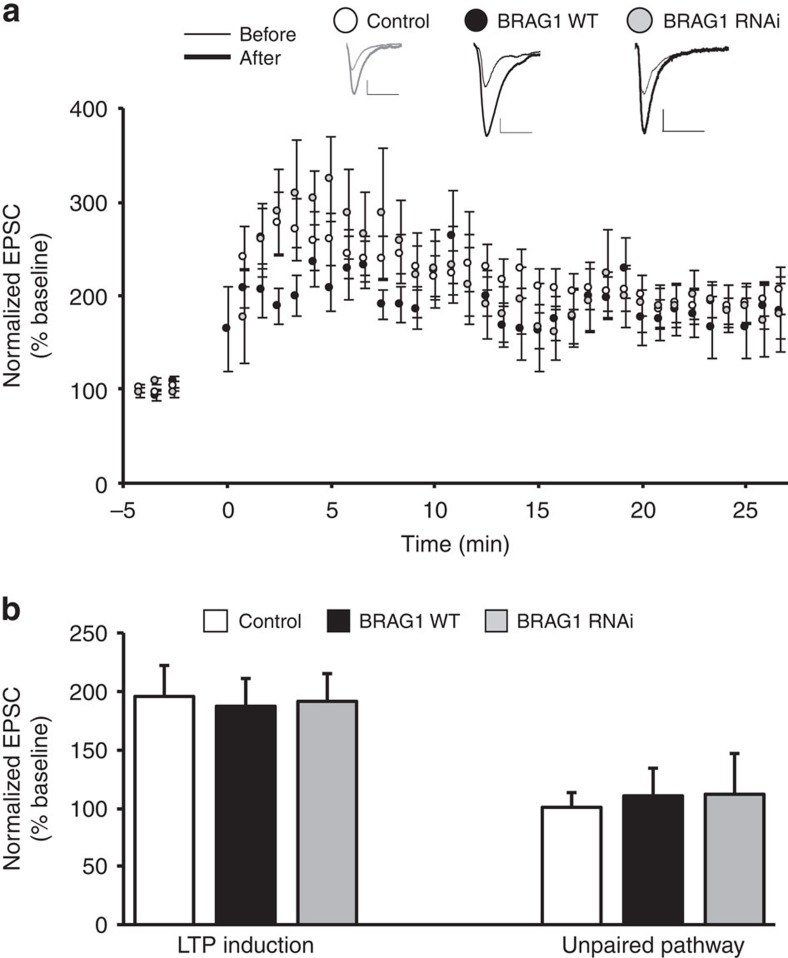
Dysfunction of the proteins regulating synaptic function can cause synaptic plasticity imbalance that underlies neurological disorders such as intellectual disability. A study found that four distinct mutations within BRAG1, an Arf-GEF synaptic protein, each led to X-chromosome-linked intellectual disability (XLID). Although the physiological functions of BRAG1 are poorly understood, each of these mutations reduces BRAG1's Arf-GEF activity. Here we show that BRAG1 is required for the activity-dependent removal of AMPA receptors in rat hippocampal pyramidal neurons. Moreover, we show that BRAG1 bidirectionally regulates synaptic transmission. On one hand, BRAG1 is required for the maintenance of synaptic transmission. On the other hand, BRAG1 expression enhances synaptic transmission, independently of BRAG1 Arf-GEF activity or neuronal activity, but dependently on its C-terminus interactions. This study demonstrates a dual role of BRAG1 in synaptic function and highlights the functional relevance of reduced BRAG1 Arf-GEF activity as seen in the XLID-associated human mutations.
调节突触功能的蛋白质功能障碍可导致突触可塑性失衡,这是诸如智力障碍等神经疾病的基础。一项研究发现,Arf-GEF突触蛋白BRAG1内的四种不同突变,每种都导致X染色体连锁智力障碍(XLID)。尽管对BRAG1的生理功能了解甚少,但这些突变中的每一种都会降低BRAG1的Arf-GEF活性。在这里,我们表明BRAG1是大鼠海马锥体神经元中依赖活性去除AMPA受体所必需的。此外,我们表明BRAG1双向调节突触传递。一方面,BRAG1是维持突触传递所必需的。另一方面,BRAG1的表达增强突触传递,独立于BRAG1的Arf-GEF活性或神经元活性,但依赖于其C末端相互作用。这项研究证明了BRAG1在突触功能中的双重作用,并突出了在与XLID相关的人类突变中所见的BRAG1的Arf-GEF活性降低的功能相关性。