Kourjian Georgio, Rucevic Marijana, Berberich Matthew J, Dinter Jens, Wambua Daniel, Boucau Julie, Le Gall Sylvie
Ragon Institute of MGH, MIT and Harvard, Cambridge, MA 02139.
Ragon Institute of MGH, MIT and Harvard, Cambridge, MA 02139
J Immunol. 2016 May 1;196(9):3595-607. doi: 10.4049/jimmunol.1600055. Epub 2016 Mar 23.
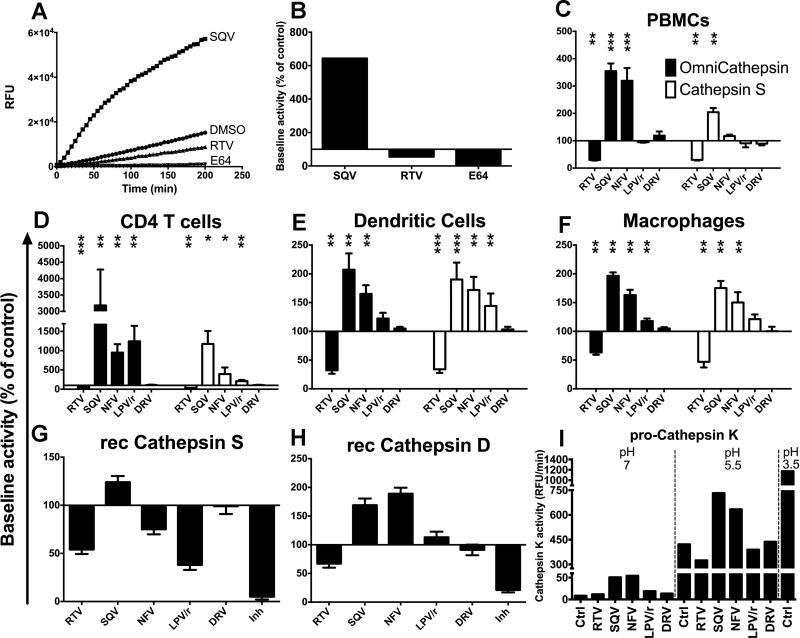
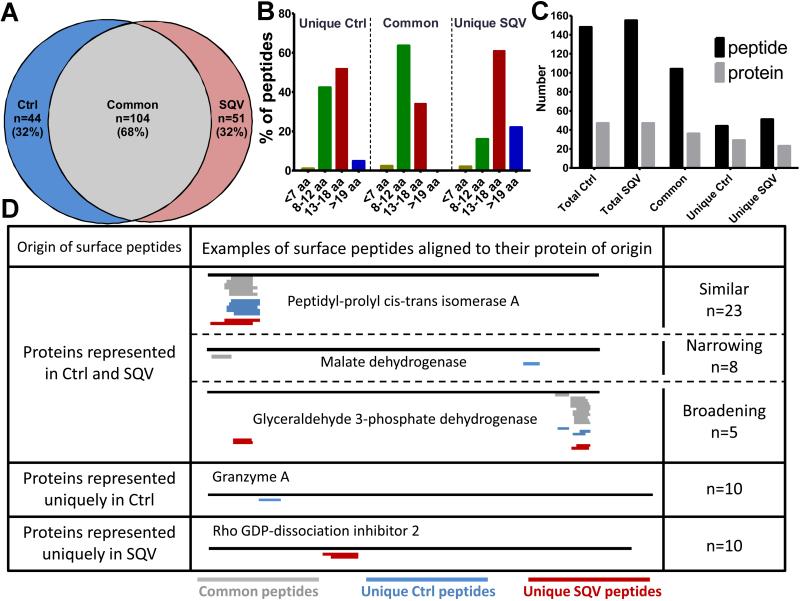
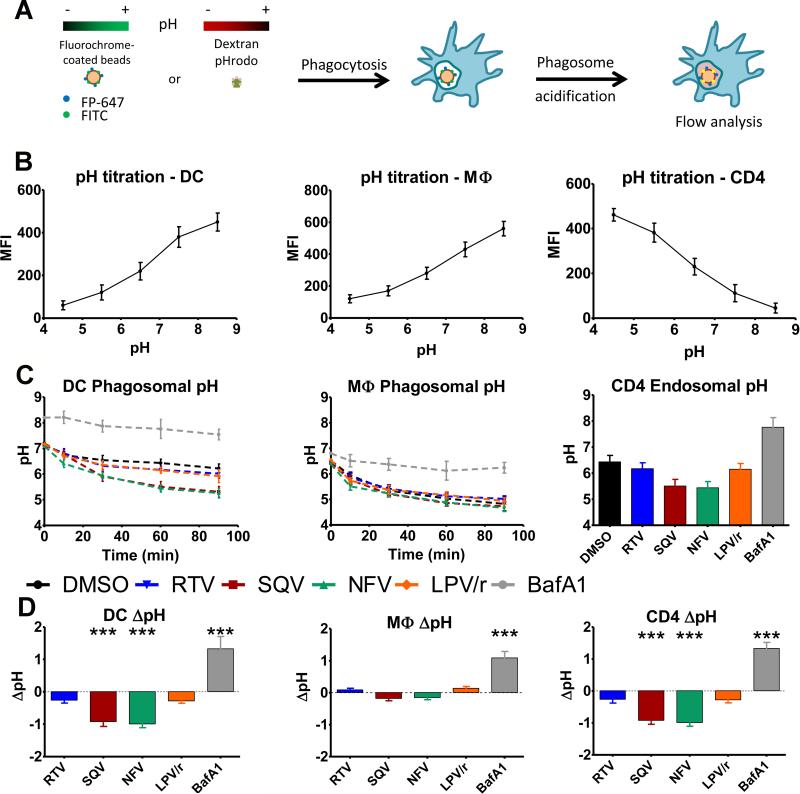
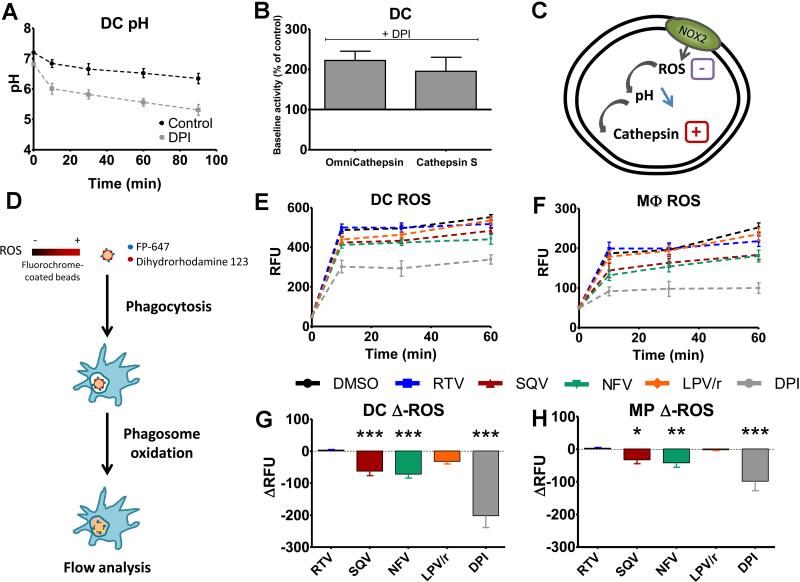
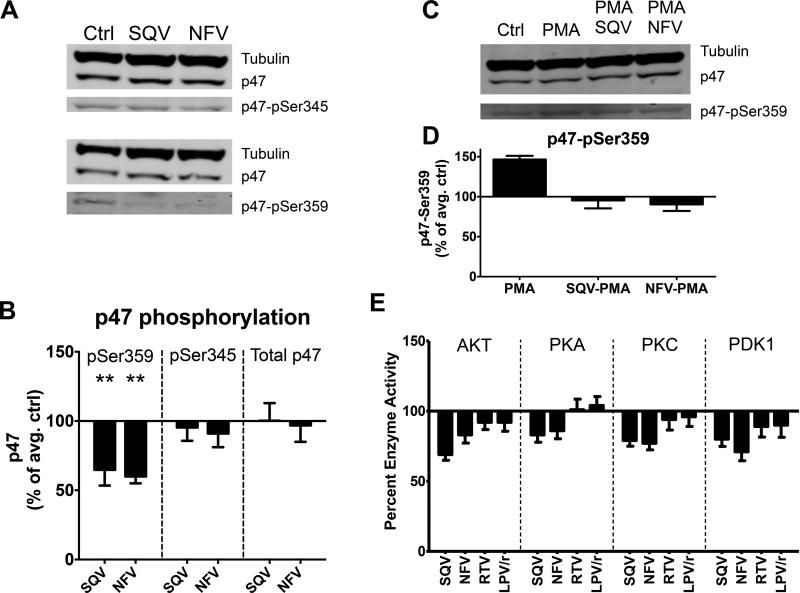
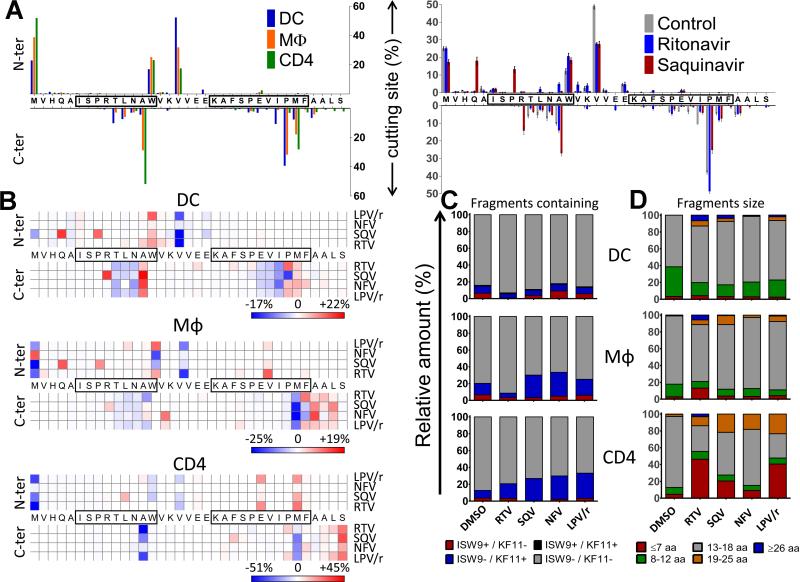
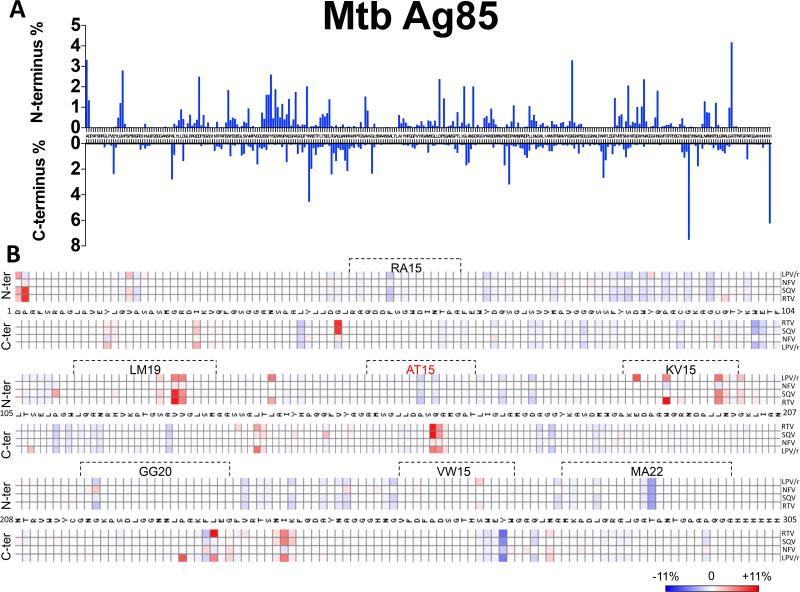
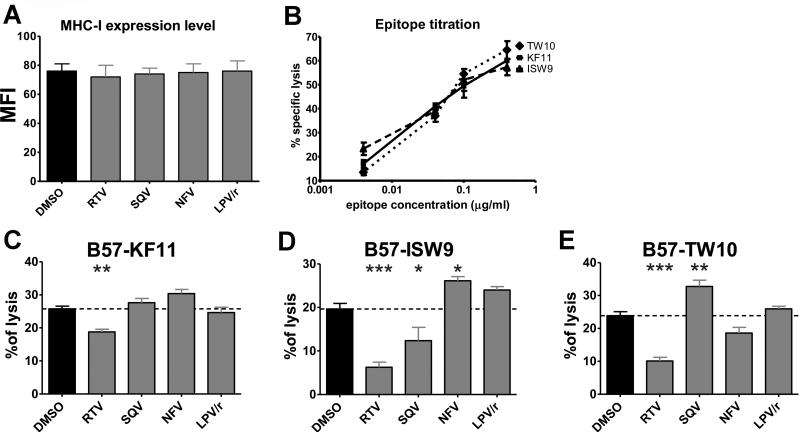
Immune recognition by T cells relies on the presentation of pathogen-derived peptides by infected cells, but the persistence of chronic infections calls for new approaches to modulate immune recognition. Ag cross-presentation, the process by which pathogen Ags are internalized, degraded, and presented by MHC class I, is crucial to prime CD8 T cell responses. The original degradation of Ags is performed by pH-dependent endolysosomal cathepsins. In this article, we show that HIV protease inhibitors (PIs) prescribed to HIV-infected persons variably modulate cathepsin activities in human APCs, dendritic cells and macrophages, and CD4 T cells, three cell subsets infected by HIV. Two HIV PIs acted in two complementary ways on cathepsin hydrolytic activities: directly on cathepsins and indirectly on their regulators by inhibiting Akt kinase activities, reducing NADPH oxidase 2 activation, and lowering phagolysosomal reactive oxygen species production and pH, which led to enhanced cathepsin activities. HIV PIs modified endolysosomal degradation and epitope production of proteins from HIV and other pathogens in a sequence-dependent manner. They altered cross-presentation of Ags by dendritic cells to epitope-specific T cells and T cell-mediated killing. HIV PI-induced modulation of Ag processing partly changed the MHC self-peptidome displayed by primary human cells. This first identification, to our knowledge, of prescription drugs modifying the regulation of cathepsin activities and the MHC-peptidome may provide an alternate therapeutic approach to modulate immune recognition in immune disease beyond HIV.
T细胞的免疫识别依赖于受感染细胞对病原体衍生肽的呈递,但慢性感染的持续存在需要新的方法来调节免疫识别。抗原交叉呈递是病原体抗原被内化、降解并由MHC I类分子呈递的过程,对启动CD8 T细胞反应至关重要。抗原的初始降解由pH依赖性的内溶酶体组织蛋白酶进行。在本文中,我们表明,给HIV感染者开的HIV蛋白酶抑制剂(PIs)可不同程度地调节人抗原呈递细胞(APCs)、树突状细胞和巨噬细胞以及CD4 T细胞(这三种被HIV感染的细胞亚群)中的组织蛋白酶活性。两种HIV蛋白酶抑制剂以两种互补的方式作用于组织蛋白酶的水解活性:直接作用于组织蛋白酶,并通过抑制Akt激酶活性、降低NADPH氧化酶2的激活以及降低吞噬溶酶体活性氧的产生和pH值间接作用于其调节因子,从而导致组织蛋白酶活性增强。HIV蛋白酶抑制剂以序列依赖的方式改变了HIV和其他病原体蛋白的内溶酶体降解和表位产生。它们改变了树突状细胞将抗原交叉呈递给表位特异性T细胞以及T细胞介导的杀伤作用。HIV蛋白酶抑制剂诱导的抗原加工调节部分改变了原代人细胞所展示的MHC自身肽组。据我们所知,这首次鉴定出可改变组织蛋白酶活性调节和MHC肽组的处方药,可能为调节除HIV之外的免疫疾病中的免疫识别提供一种替代治疗方法。