Berry Elizabeth A, Tran Mai L, Dimos Christos S, Budziszek Michael J, Scavuzzo-Duggan Tess R, Roberts Alison W
Department of Biological Sciences, University of Rhode Island Kingston, RI, USA.
Front Plant Sci. 2016 Mar 8;7:248. doi: 10.3389/fpls.2016.00248. eCollection 2016.
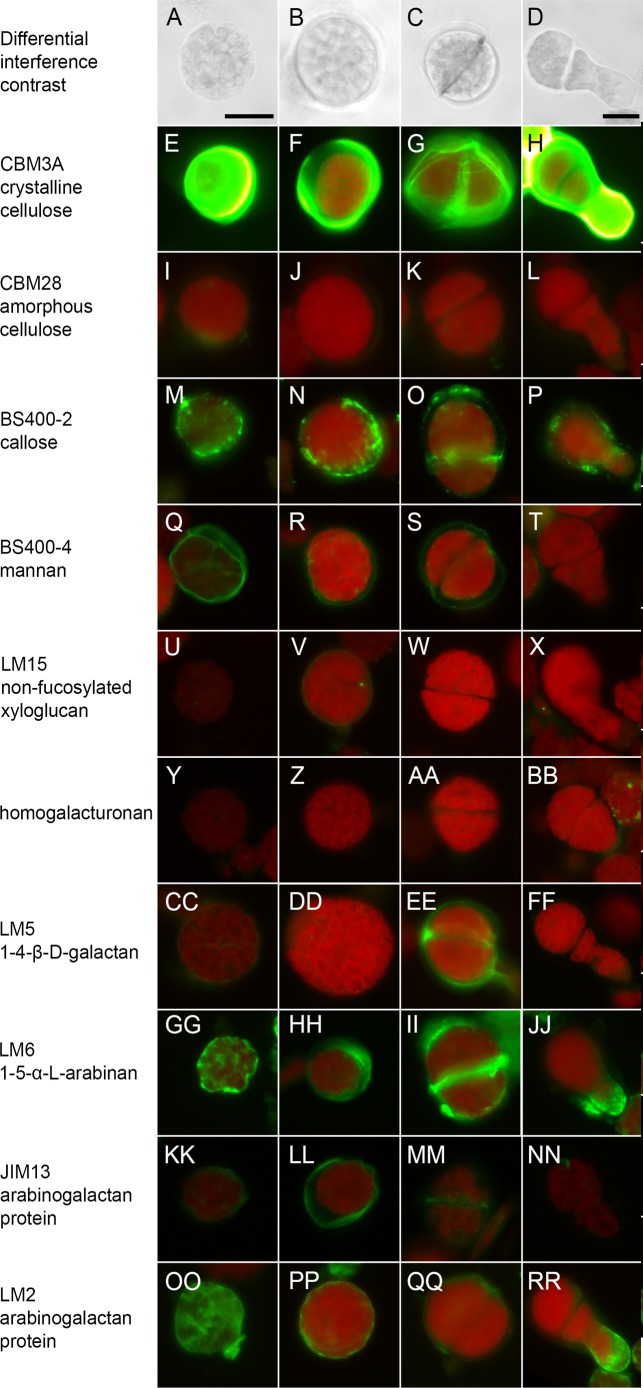
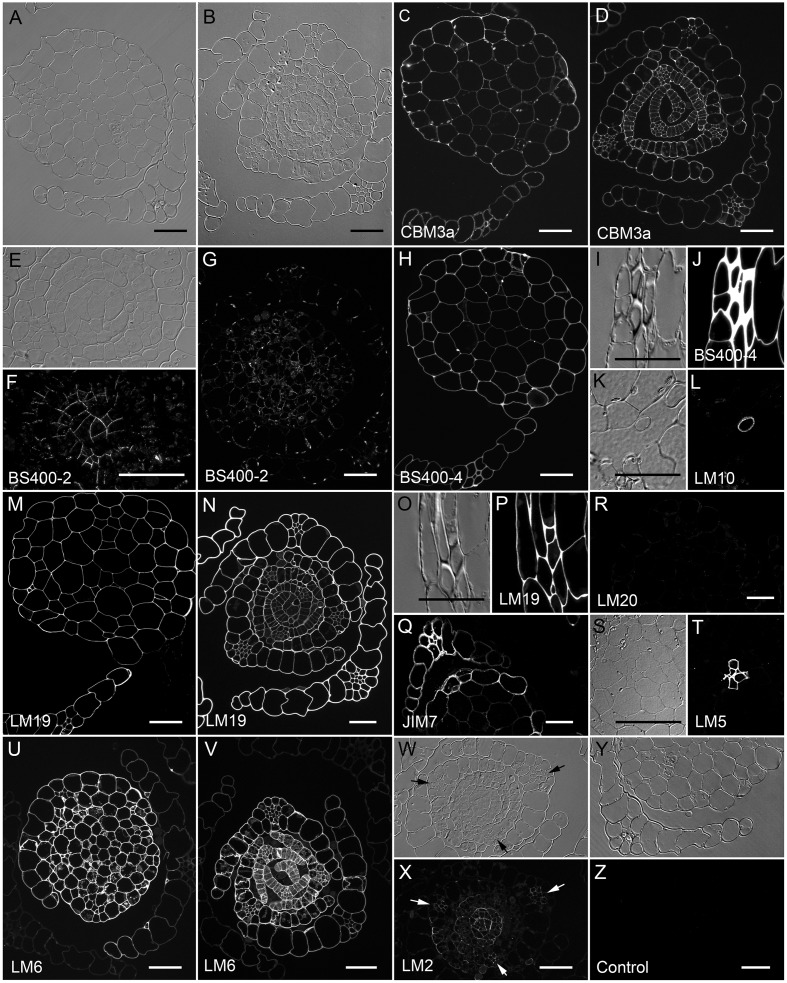
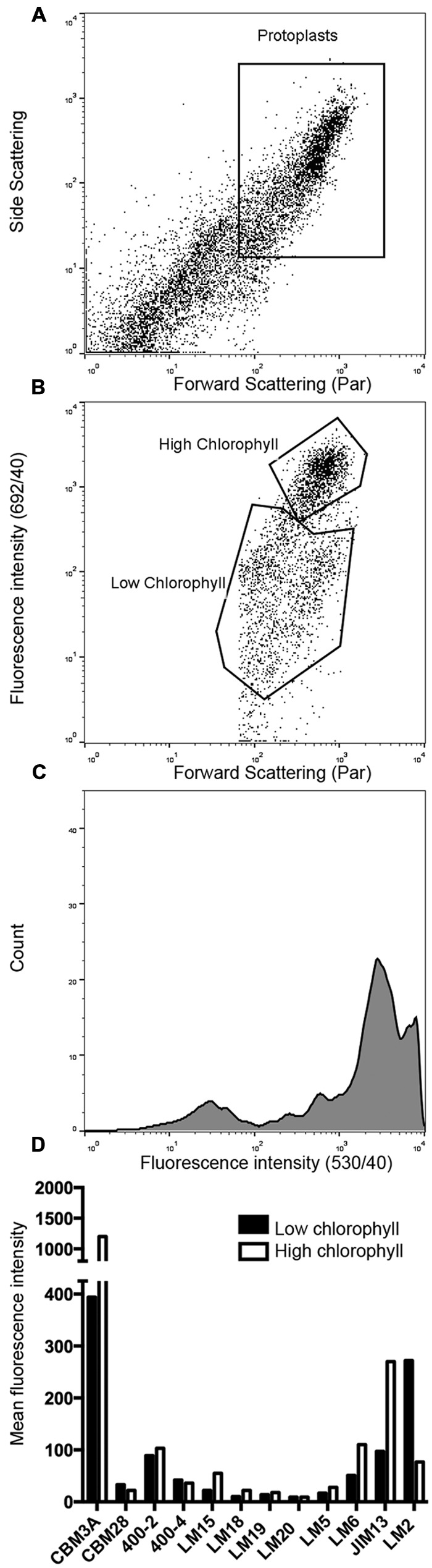
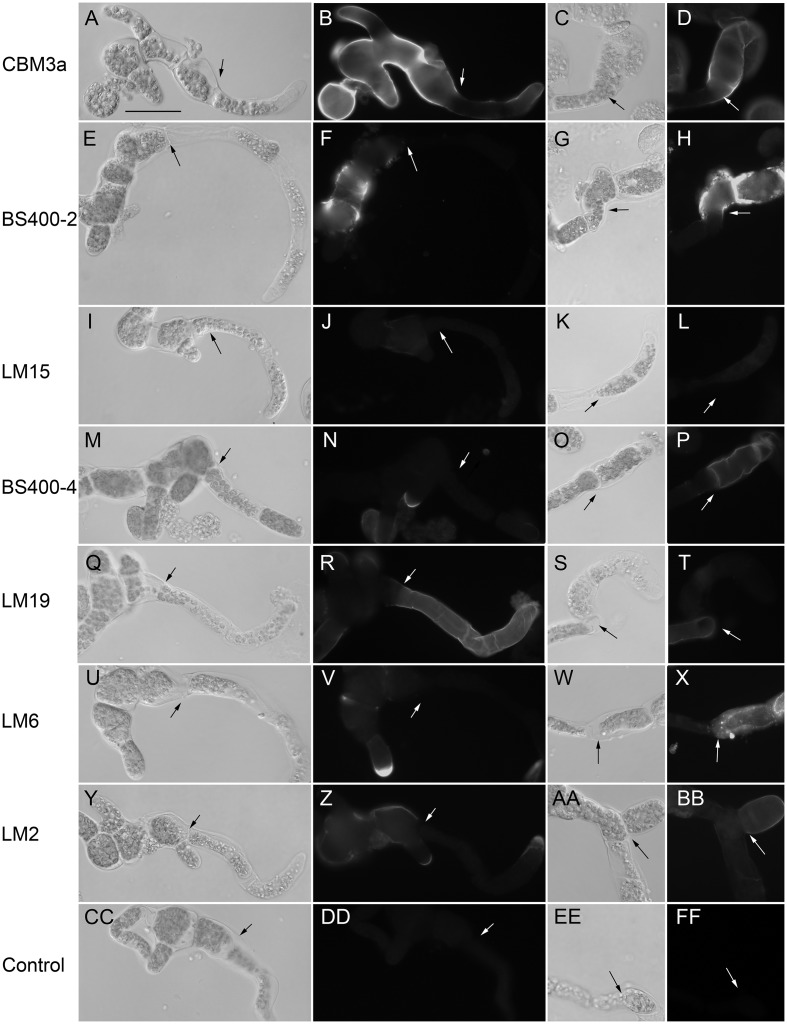
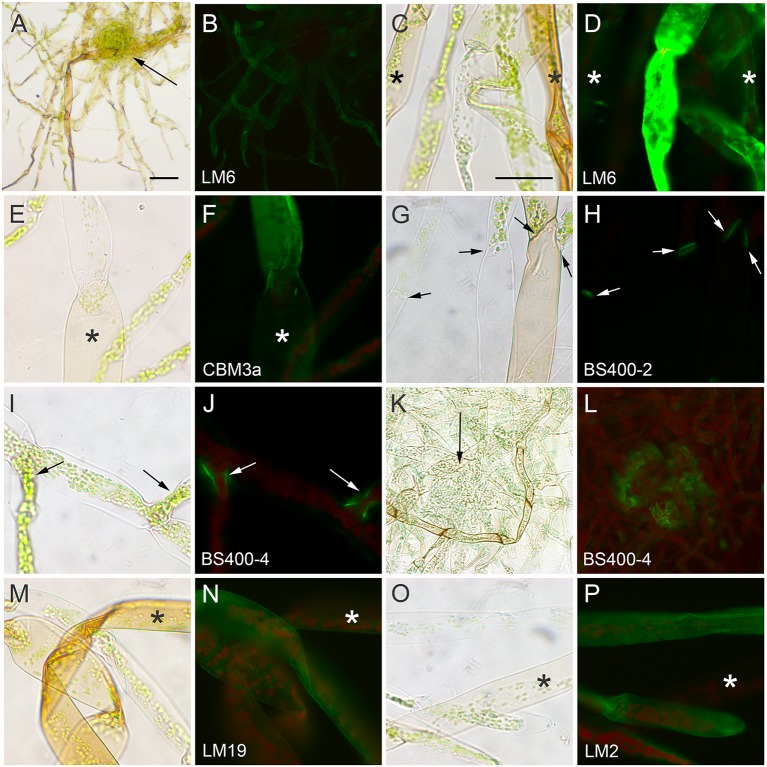
In contrast to homeohydric vascular plants, mosses employ a poikilohydric strategy for surviving in the dry aerial environment. A detailed understanding of the structure, composition, and development of moss cell walls can contribute to our understanding of not only the evolution of overall cell wall complexity, but also the differences that have evolved in response to selection for different survival strategies. The model moss species Physcomitrella patens has a predominantly haploid lifecycle consisting of protonemal filaments that regenerate from protoplasts and enlarge by tip growth, and leafy gametophores composed of cells that enlarge by diffuse growth and differentiate into several different types. Advantages for genetic studies include methods for efficient targeted gene modification and extensive genomic resources. Immuno and affinity cytochemical labeling were used to examine the distribution of polysaccharides and proteins in regenerated protoplasts, protonemal filaments, rhizoids, and sectioned gametophores of P. patens. The cell wall composition of regenerated protoplasts was also characterized by flow cytometry. Crystalline cellulose was abundant in the cell walls of regenerating protoplasts and protonemal cells that developed on media of high osmolarity, whereas homogalactuonan was detected in the walls of protonemal cells that developed on low osmolarity media and not in regenerating protoplasts. Mannan was the major hemicellulose detected in all tissues tested. Arabinogalactan proteins were detected in different cell types by different probes, consistent with structural heterogneity. The results reveal developmental and cell type specific differences in cell wall composition and provide a basis for analyzing cell wall phenotypes in knockout mutants.
与恒水维管植物不同,苔藓采用变水策略在干燥的空气环境中生存。深入了解苔藓细胞壁的结构、组成和发育,不仅有助于我们理解整个细胞壁复杂性的进化,还能帮助我们理解因不同生存策略选择而产生的差异。模式苔藓物种小立碗藓具有主要为单倍体的生命周期,包括从原生质体再生并通过顶端生长而伸长的原丝体,以及由通过扩散生长而增大并分化为几种不同类型细胞的叶状配子体。其遗传学研究的优势包括高效的靶向基因修饰方法和丰富的基因组资源。免疫和亲和细胞化学标记被用于检测小立碗藓再生原生质体、原丝体、假根和切片配子体中多糖和蛋白质的分布。再生原生质体的细胞壁组成也通过流式细胞术进行了表征。在高渗透压培养基上发育的再生原生质体和原丝体细胞的细胞壁中富含结晶纤维素,而在低渗透压培养基上发育的原丝体细胞的细胞壁中检测到同型半乳糖醛酸聚糖,在再生原生质体中未检测到。甘露聚糖是在所有测试组织中检测到的主要半纤维素。通过不同探针在不同细胞类型中检测到阿拉伯半乳聚糖蛋白,这与结构异质性一致。这些结果揭示了细胞壁组成在发育和细胞类型上的特异性差异,并为分析基因敲除突变体中的细胞壁表型提供了基础。