Finlay David B, Joseph Wayne R, Grimsey Natasha L, Glass Michelle
Centre for Brain Research and Department of Pharmacology and Clinical Pharmacology, Faculty of Medical and Health Sciences, University of Auckland, Auckland, New Zealand.
Auckland Cancer Society Research Centre, Faculty of Medical and Health Sciences, University of Auckland, Auckland, New Zealand.
PeerJ. 2016 Mar 21;4:e1835. doi: 10.7717/peerj.1835. eCollection 2016.
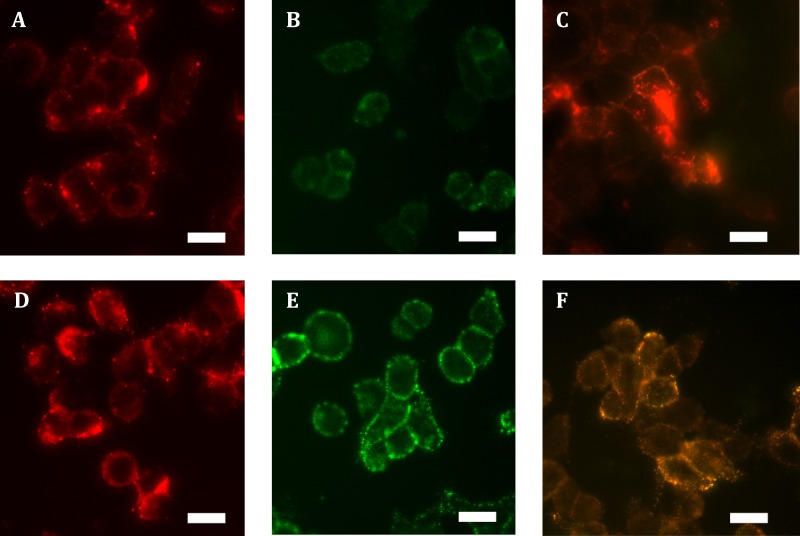
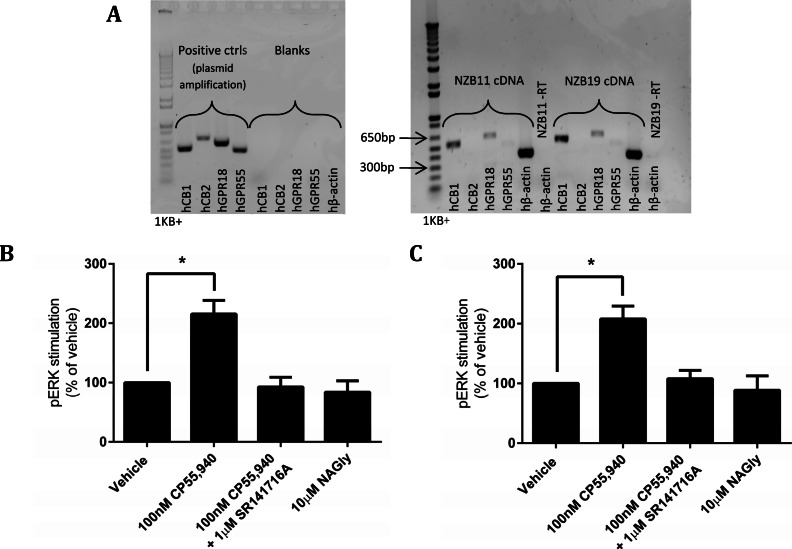
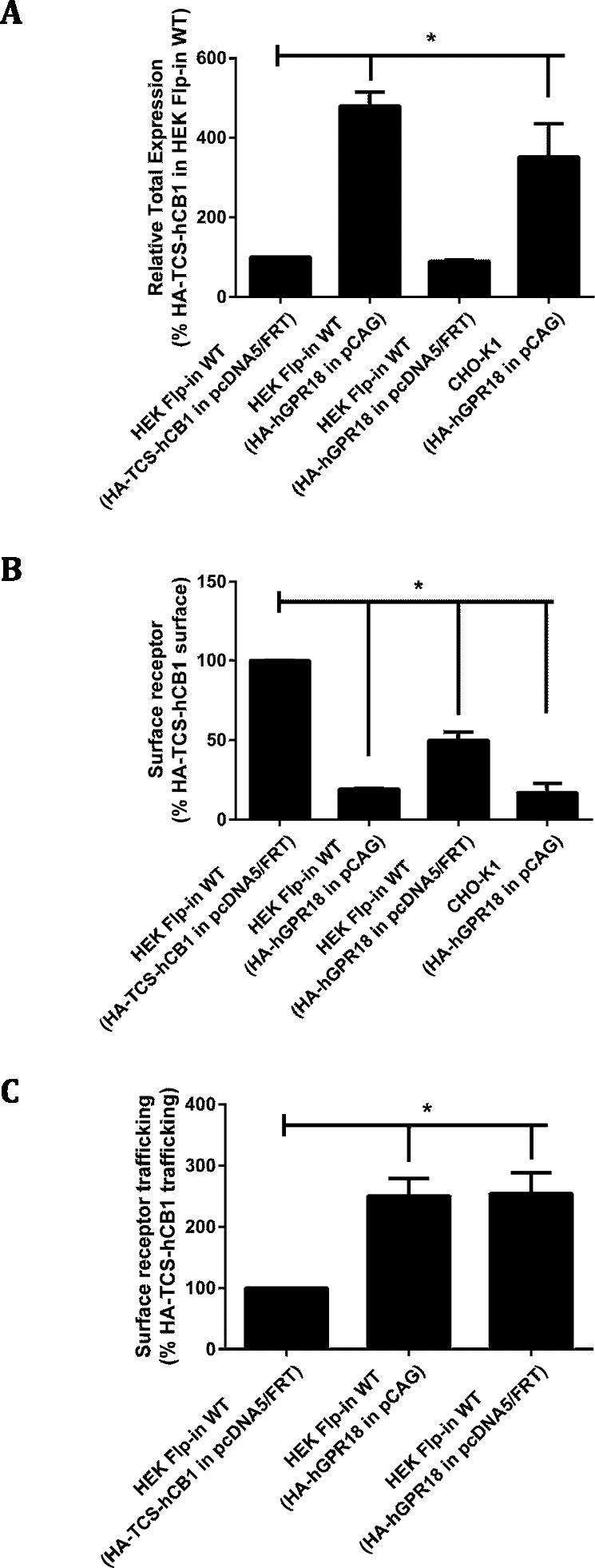
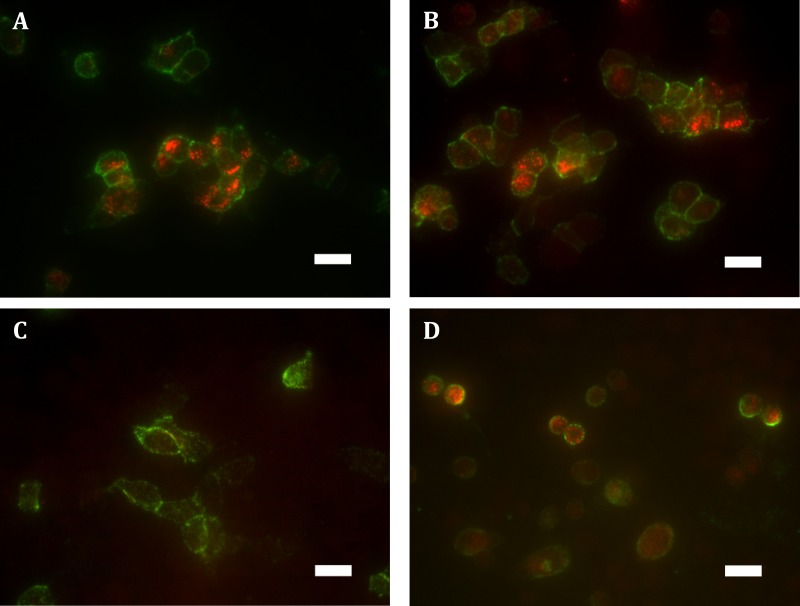
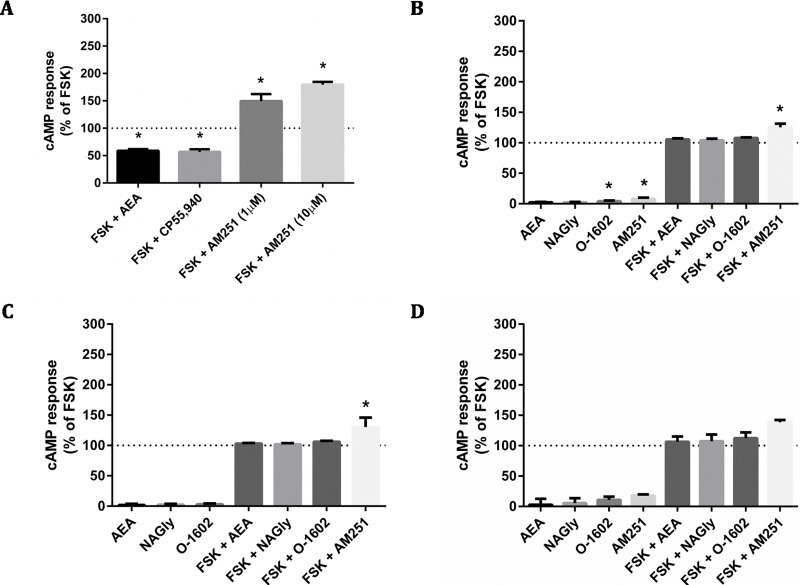
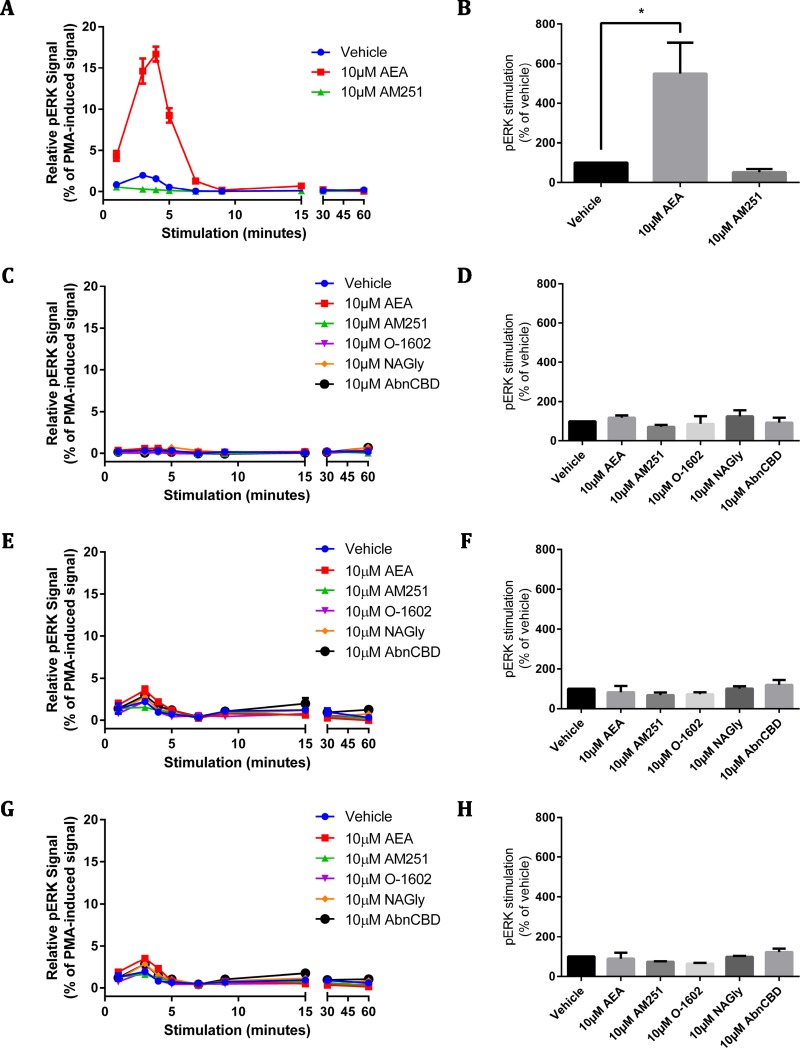
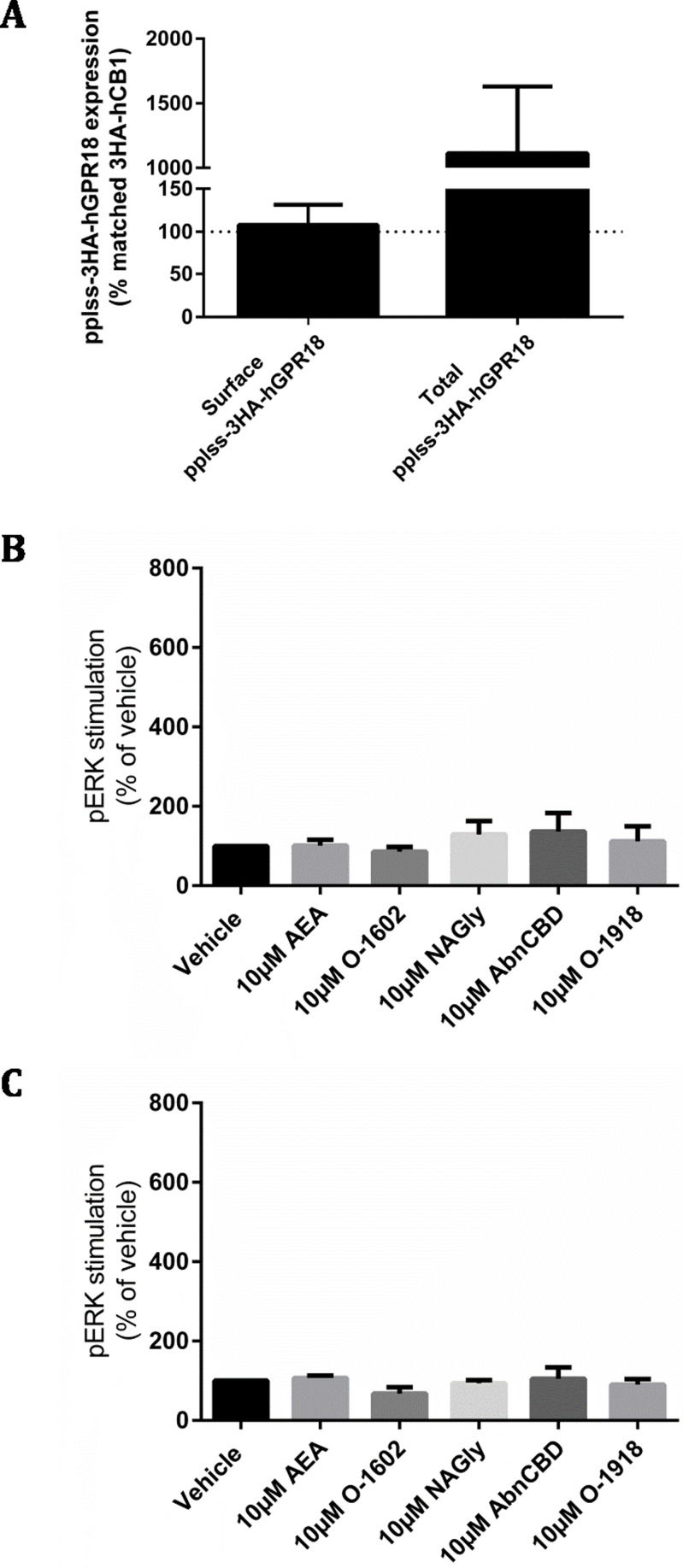
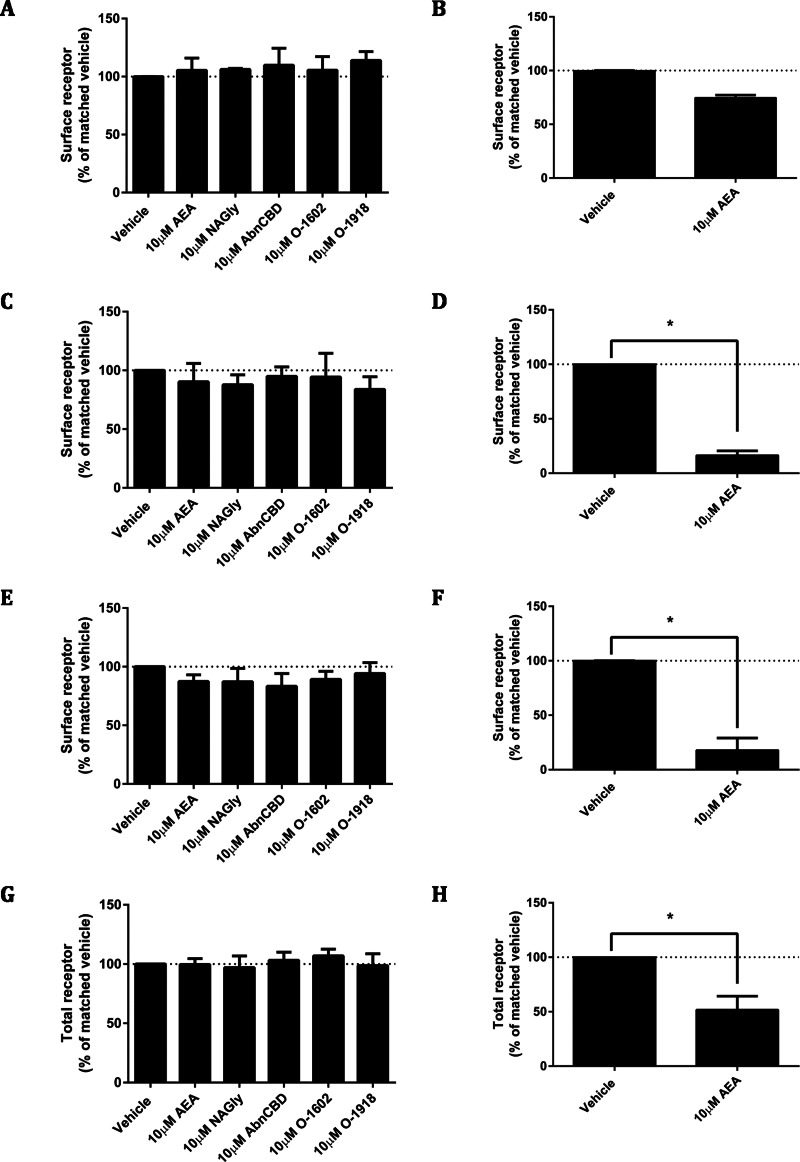
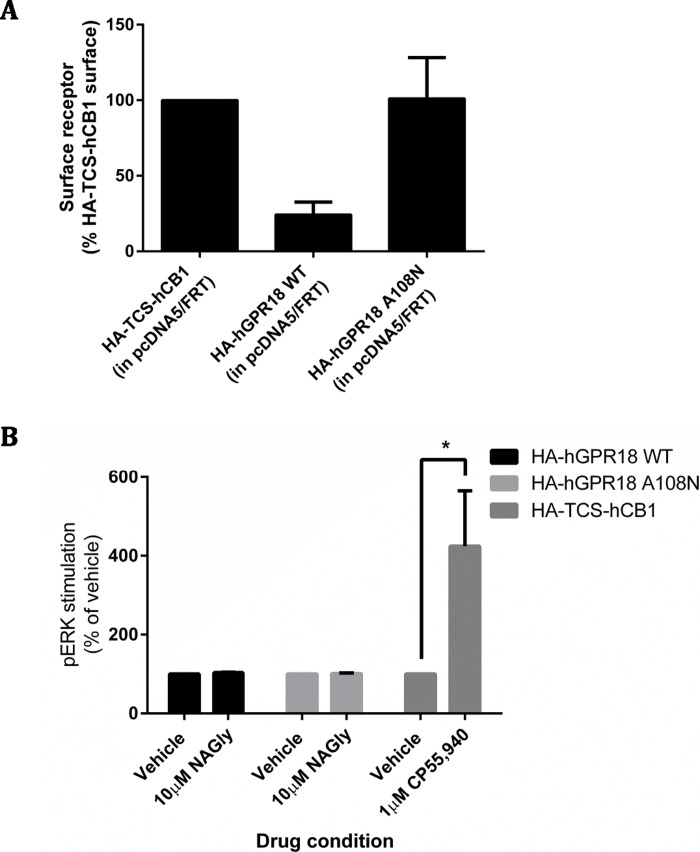
The orphan receptor GPR18 has become a research target following the discovery of a putative endogenous agonist, N-arachidonoyl glycine (NAGly). Chemical similarity between NAGly and the endocannabinoid anandamide suggested the hypothesis that GPR18 is a third cannabinoid receptor. GPR18-mediated cellular signalling through inhibition of cyclic adenosine monophosphate (cAMP) and phosphorylation of extracellular signal-regulated kinase (ERK), in addition to physiological consequences such as regulation of cellular migration and proliferation/apoptosis have been described in response to both NAGly and anandamide. However, discordant findings have also been reported. Here we sought to describe the functional consequences of GPR18 activation in heterologously-expressing HEK cells. GPR18 expression was predominantly intracellular in stably transfected cell lines, but moderate cell surface expression could be achieved in transiently transfected cells which also had higher overall expression. Assays were employed to characterise the ability of NAGly or anandamide to inhibit cAMP or induce ERK phosphorylation through GPR18, or induce receptor trafficking. Positive control experiments, which utilised cells expressing hCB1 receptors (hCB1R), were performed to validate assay design and performance. While these functional pathways in GPR18-expressing cells were not modified on treatment with a panel of putative GPR18 ligands, a constitutive phenotype was discovered for this receptor. Our data reveal that GPR18 undergoes rapid constitutive receptor membrane trafficking-several-fold faster than hCB1R, a highly constitutively active receptor. To enhance the likelihood of detecting agonist-mediated receptor signalling responses, we increased GPR18 protein expression (by tagging with a preprolactin signal sequence) and generated a putative constitutively inactive receptor by mutating the hGPR18 gene at amino acid site 108 (alanine to asparagine). This A108N mutant did cause an increase in surface receptor expression (which may argue for reduced constitutive activity), but no ligand-mediated effects were detected. Two glioblastoma multiforme cell lines (which endogenously express GPR18) were assayed for NAGly-induced pERK phosphorylation, with negative results. Despite a lack of ligand-mediated responses in all assays, the constitutive trafficking of GPR18 remains an interesting facet of receptor function and will have consequences for understanding the role of GPR18 in physiology.
孤儿受体GPR18在假定的内源性激动剂N-花生四烯酰甘氨酸(NAGly)被发现后成为研究靶点。NAGly与内源性大麻素花生四烯乙醇胺之间的化学相似性提出了GPR18是第三种大麻素受体的假说。已经报道了GPR18通过抑制环磷酸腺苷(cAMP)和细胞外信号调节激酶(ERK)的磷酸化介导细胞信号传导,以及对NAGly和花生四烯乙醇胺作出反应时的生理后果,如调节细胞迁移和增殖/凋亡。然而,也有不一致的研究结果报道。在这里,我们试图描述在异源表达的HEK细胞中GPR18激活的功能后果。在稳定转染的细胞系中,GPR18表达主要位于细胞内,但在瞬时转染且总体表达较高的细胞中可实现适度的细胞表面表达。采用实验来表征NAGly或花生四烯乙醇胺通过GPR18抑制cAMP或诱导ERK磷酸化或诱导受体转运的能力。进行了利用表达人CB1受体(hCB1R)的细胞的阳性对照实验,以验证实验设计和性能。虽然用一组假定的GPR18配体处理后,表达GPR18的细胞中的这些功能途径未被改变,但发现该受体具有组成型表型。我们的数据显示,GPR18经历快速的组成型受体膜转运,比高度组成型活性受体hCB1R快几倍。为了增加检测激动剂介导的受体信号反应的可能性,我们增加了GPR18蛋白表达(通过用前催乳素信号序列标记),并通过将hGPR18基因的第108位氨基酸(丙氨酸突变为天冬酰胺)产生了一种假定的组成型无活性受体。这种A108N突变体确实导致表面受体表达增加(这可能表明组成型活性降低),但未检测到配体介导效应。对两种多形性胶质母细胞瘤细胞系(内源性表达GPR18)进行了NAGly诱导的pERK磷酸化检测,结果为阴性。尽管在所有实验中均缺乏配体介导的反应,但GPR18的组成型转运仍然是受体功能的一个有趣方面,并且将对理解GPR18在生理学中的作用产生影响。