Soubeyrand Sébastien, Martinuk Amy, Lau Paulina, McPherson Ruth
Atherogenomics Laboratory, University of Ottawa Heart Institute, Ottawa, Canada.
Division of Cardiology, University of Ottawa Heart Institute, Ottawa, Canada.
PLoS One. 2016 Mar 28;11(3):e0152346. doi: 10.1371/journal.pone.0152346. eCollection 2016.
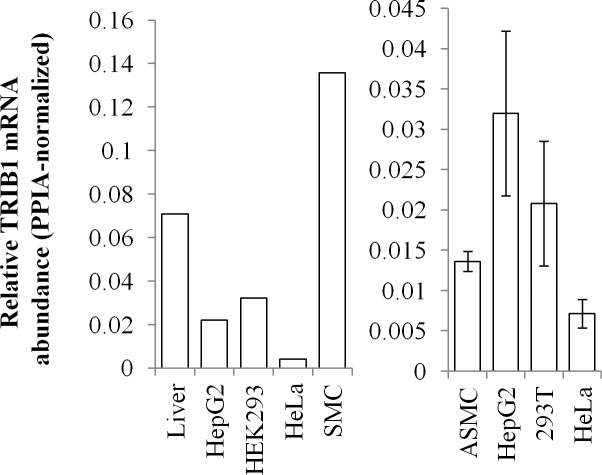
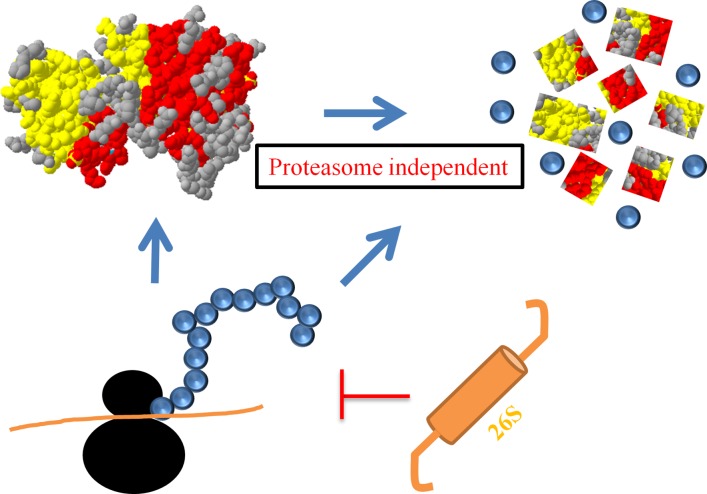
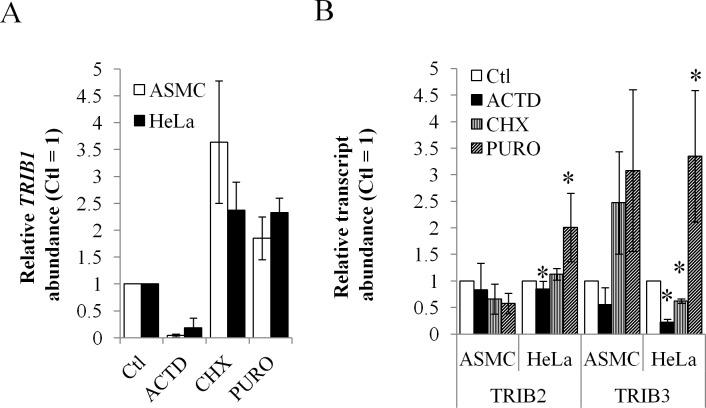
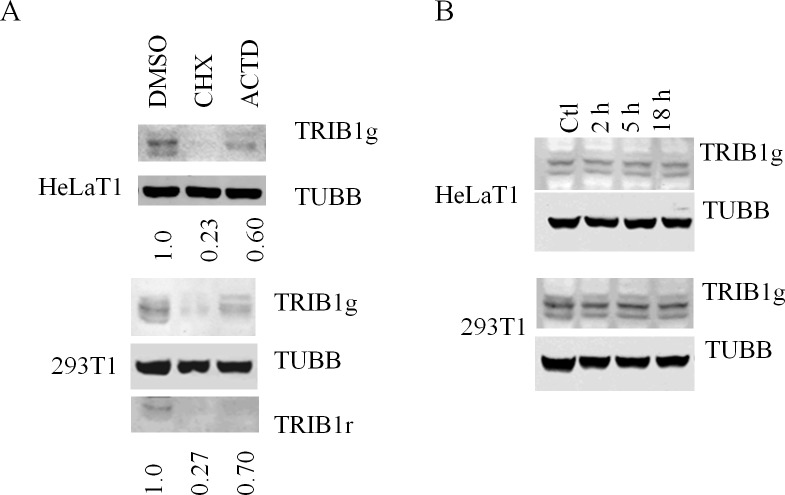
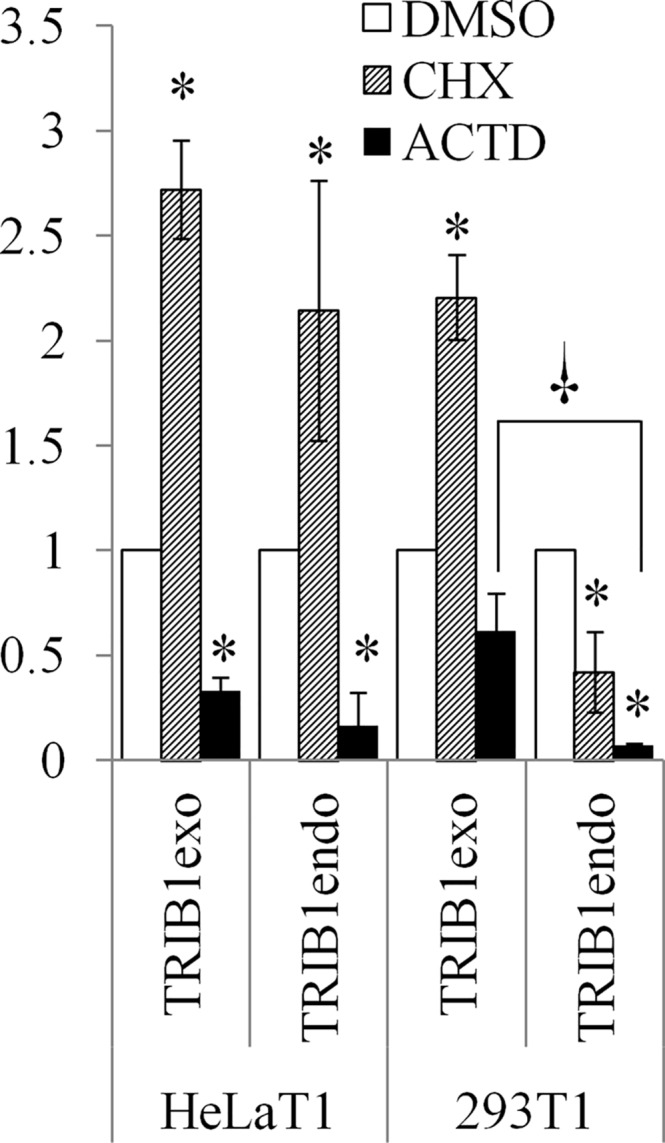
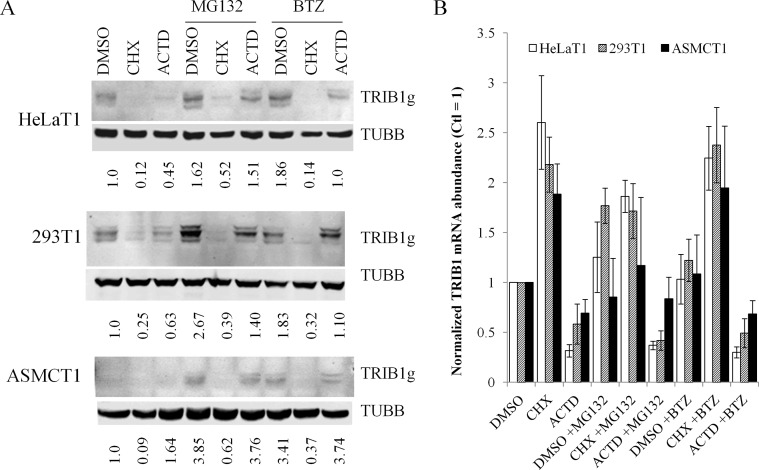
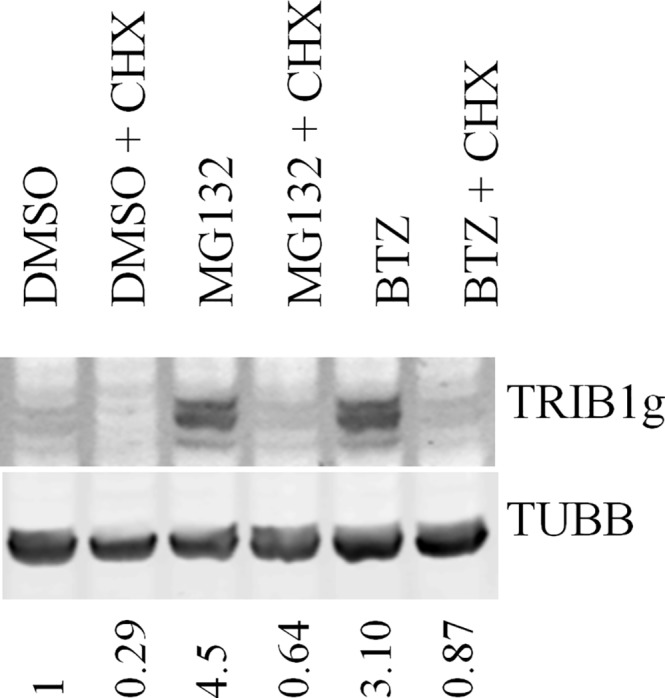
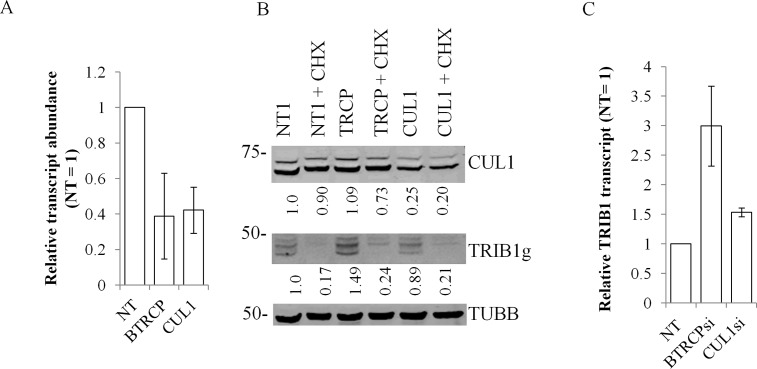
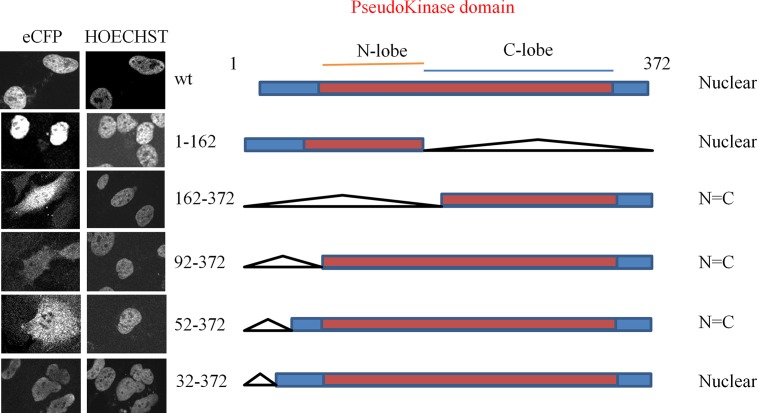
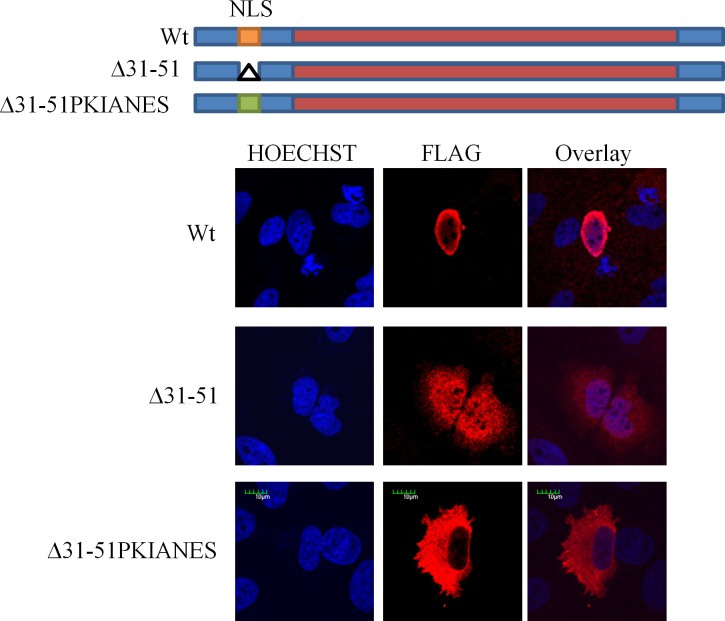
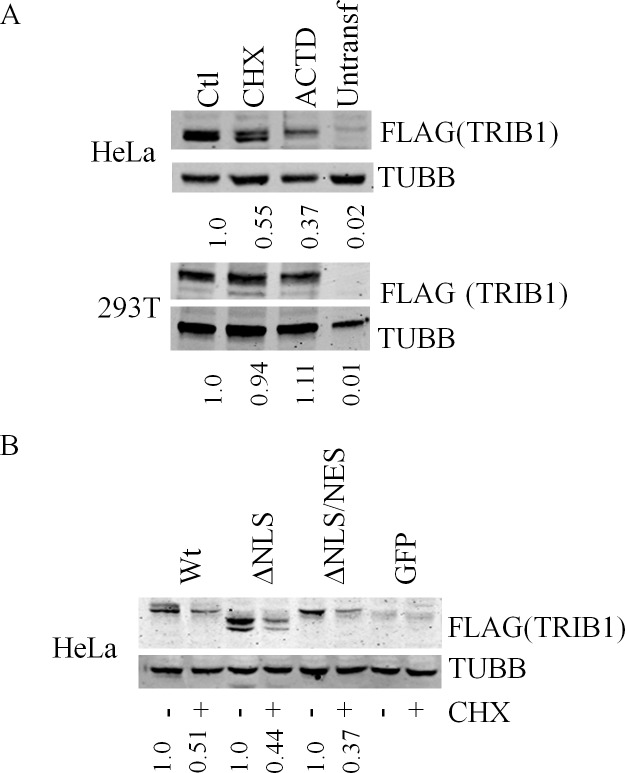
The TRIB1 gene has been associated with multiple malignancies, plasma triglycerides and coronary artery disease (CAD). Despite the clinical significance of this pseudo-kinase, there is little information on the regulation of TRIB1. Previous studies reported TRIB1 mRNA to be unstable, hinting that TRIB1 might be subject to post-transcriptional regulation. This work explores TRIB1 regulation, focusing on its post-transcriptional aspects. In 3 distinct model systems (HEK293T, HeLa and arterial smooth muscle cells) TRIB1 was undetectable as assessed by western blot. Using recombinant TRIB1 as a proxy, we demonstrate TRIB1 to be highly unstable at the protein and RNA levels. By contrast, recombinant TRIB1 was stable in cellular extracts. Blocking proteasome function led to increased protein steady state levels but failed to rescue protein instability, demonstrating that the 2 processes are uncoupled. Unlike as shown for TRIB2, CUL1 and TRCPβ did not play a role in mediating TRIB1 instability although TRCPβ suppression increased TRIB1 expression. Lastly, we demonstrate that protein instability is independent of TRIB1 subcellular localization. Following the identification of TRIB1 nuclear localization signal, a cytosolic form was engineered. Despite being confined to the cytosol, TRIB1 remained unstable, suggesting that instability occurs at a stage that precedes its nuclear translocation and downstream nuclear function. These results uncover possible avenues of intervention to regulate TRIB1 function by identifying two distinct regulatory axes that control TRIB1 at the post-transcriptional level.
TRIB1基因与多种恶性肿瘤、血浆甘油三酯及冠状动脉疾病(CAD)相关。尽管这种假激酶具有临床意义,但关于TRIB1的调控信息却很少。先前的研究报道TRIB1 mRNA不稳定,这暗示TRIB1可能受到转录后调控。本研究探讨TRIB1的调控,重点关注其转录后方面。在3种不同的模型系统(HEK293T、HeLa和动脉平滑肌细胞)中,通过蛋白质印迹法评估发现无法检测到TRIB1。使用重组TRIB1作为替代物,我们证明TRIB1在蛋白质和RNA水平上高度不稳定。相比之下,重组TRIB1在细胞提取物中是稳定的。阻断蛋白酶体功能导致蛋白质稳态水平升高,但未能挽救蛋白质的不稳定性,这表明这两个过程是不相关的。与TRIB2的情况不同,CUL1和TRCPβ在介导TRIB1的不稳定性方面不起作用,尽管抑制TRCPβ可增加TRIB1的表达。最后,我们证明蛋白质的不稳定性与TRIB1的亚细胞定位无关。在确定TRIB1核定位信号后,构建了一种胞质形式。尽管局限于胞质溶胶中,TRIB1仍然不稳定,这表明不稳定性发生在其核转位和下游核功能之前的阶段。这些结果通过识别在转录后水平控制TRIB1的两个不同调控轴,揭示了调节TRIB1功能的可能干预途径。