Asan Onur, Yang Yushi
Center for Patient Care and Outcomes Research, Department of Medicine, Medical College of Wisconsin, Milwaukee, WI, United States.
JMIR Hum Factors. 2015 Apr 14;2(1):e5. doi: 10.2196/humanfactors.4062.
Eye-tracking technology has been used to measure human cognitive processes and has the potential to improve the usability of health information technology (HIT). However, it is still unclear how the eye-tracking method can be integrated with other traditional usability methodologies to achieve its full potential.
The objective of this study was to report on HIT evaluation studies that have used eye-tracker technology, and to envision the potential use of eye-tracking technology in future research.
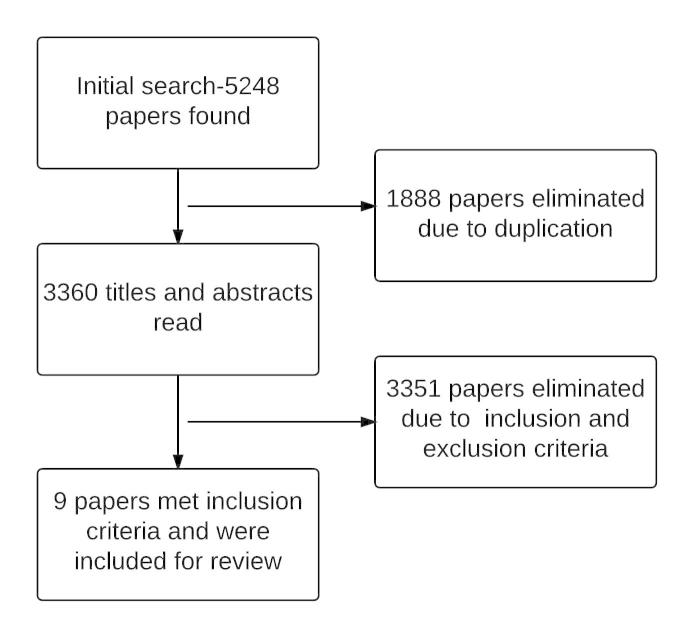
We used four reference databases to initially identify 5248 related papers, which resulted in only 9 articles that met our inclusion criteria.
Eye-tracking technology was useful in finding usability problems in many ways, but is still in its infancy for HIT usability evaluation. Limited types of HITs have been evaluated by eye trackers, and there has been a lack of evaluation research in natural settings.
More research should be done in natural settings to discover the real contextual-based usability problems of clinical and mobile HITs using eye-tracking technology with more standardized methodologies and guidance.
眼动追踪技术已被用于测量人类认知过程,并且有潜力提高健康信息技术(HIT)的可用性。然而,目前仍不清楚眼动追踪方法如何与其他传统可用性方法相结合以充分发挥其潜力。
本研究的目的是报告使用眼动追踪技术的HIT评估研究,并展望眼动追踪技术在未来研究中的潜在用途。
我们使用四个参考文献数据库初步识别出5248篇相关论文,最终仅有9篇文章符合我们的纳入标准。
眼动追踪技术在许多方面有助于发现可用性问题,但在HIT可用性评估方面仍处于起步阶段。眼动追踪仪评估的HIT类型有限,并且缺乏在自然环境中的评估研究。
应在自然环境中开展更多研究,以使用更标准化的方法和指导,借助眼动追踪技术发现临床和移动HIT基于实际情境的可用性问题。