Kwon Ahlm, Kim Yonggoo, Kim Myungshin, Kim Jiyeon, Choi Hayoung, Jekarl Dong Wook, Lee Seungok, Kim Jung Min, Shin Jong-Chul, Park In Yang
Catholic Genetic Laboratory Center, Seoul St. Mary's Hospital, College of Medicine, The Catholic University of Korea, Seoul, Republic of Korea.
Department of Laboratory Medicine, College of Medicine, The Catholic University of Korea, Seoul, Republic of Korea.
Sci Rep. 2016 Apr 5;6:23544. doi: 10.1038/srep23544.
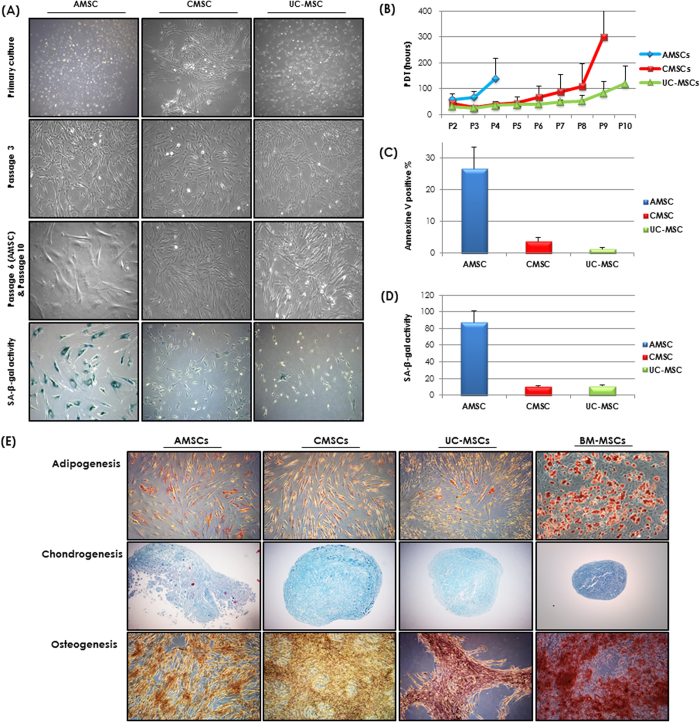
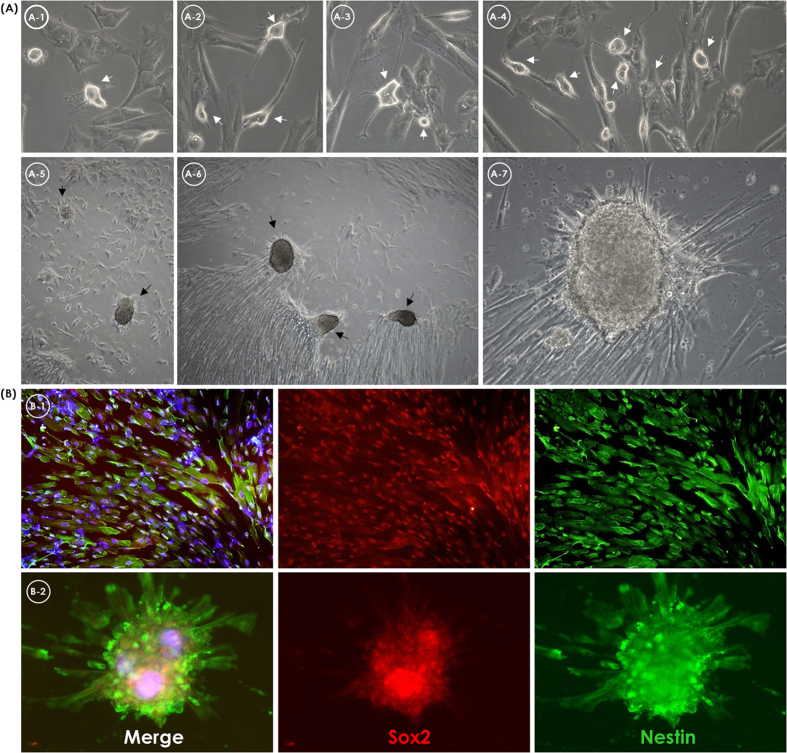
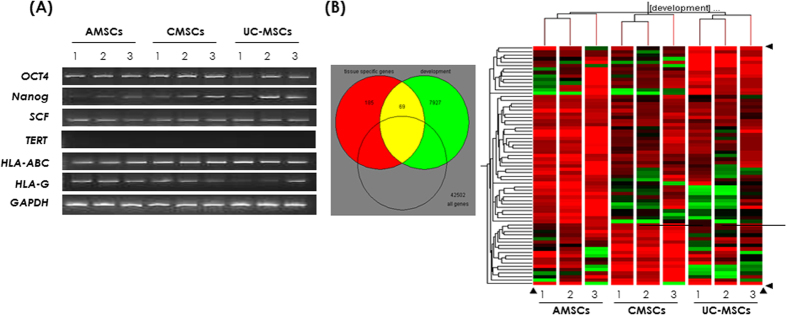
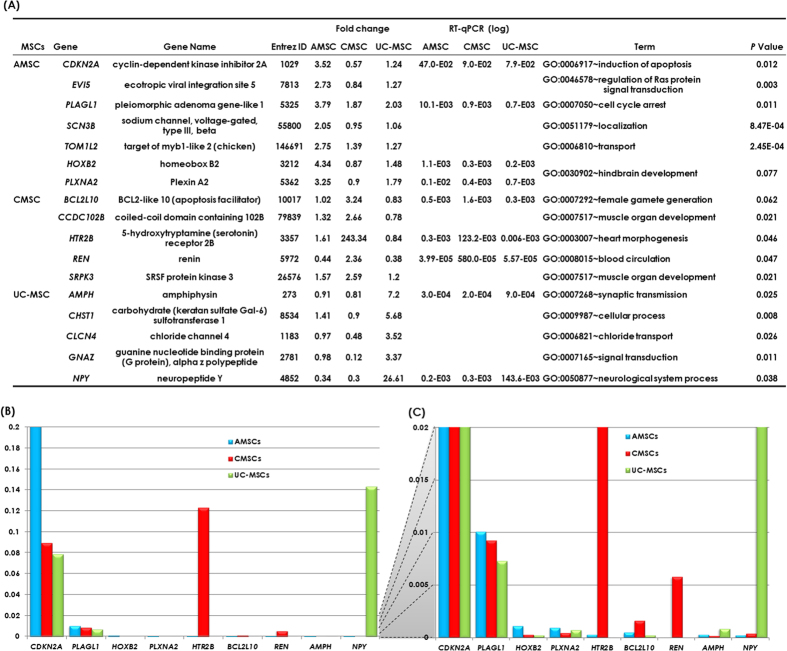
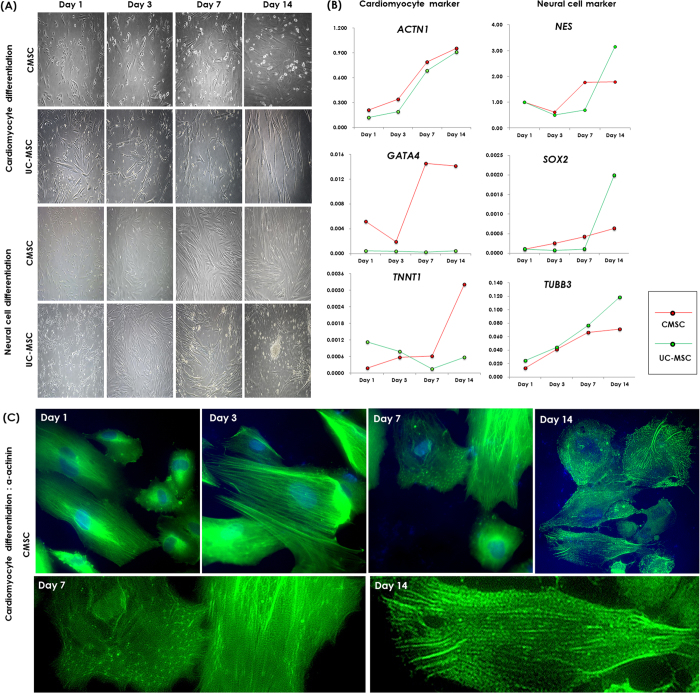
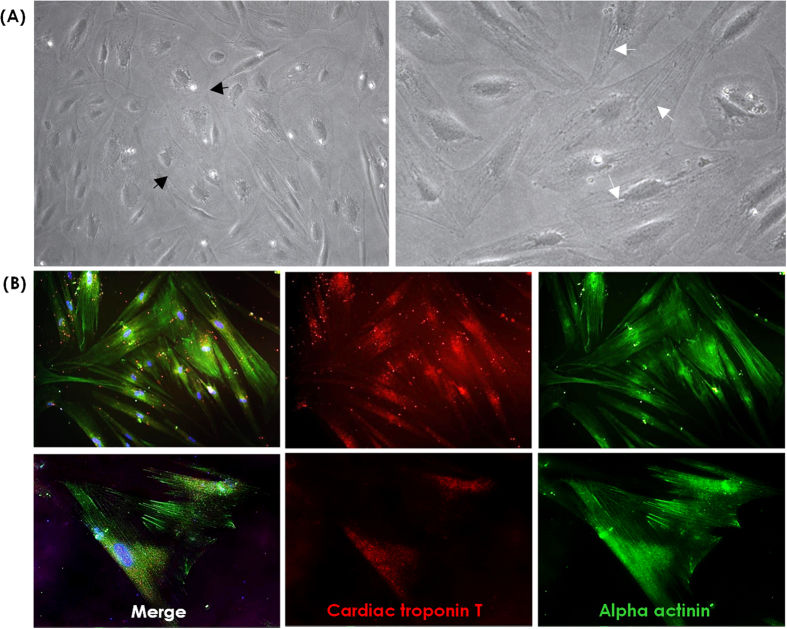
Human perinatal tissue is an abundant source of mesenchymal stromal cells(MSCs) and lacks the ethical concerns. Perinatal MSCs can be obtained from various tissues as like amnion, chorion, and umbilical cord. Still, little is known of the distinct nature of each MSC type. In this study, we successfully isolated and cultured MSCs from amnion(AMSCs), chorion(CMSCs), and umbilical cord(UC-MSCs). Proliferation potential was different among them, that AMSCs revealed the lowest proliferation rate due to increased Annexin V and senescence-associated β-galactosidase positive cells. We demonstrated distinct characteristic gene expression according to the source of the original tissue using microarray. In particular, genes associated with apoptosis and senescence including CDKN2A were up-regulated in AMSCs. In CMSCs, genes associated with heart morphogenesis and blood circulation including HTR2B were up-regulated. Genes associated with neurological system processes including NPY were up-regulated in UC-MSCs. Quantitative RT-PCR confirmed the gene expression data. And in vitro differentiation of MSCs demonstrated that CMSCs and UC-MSCs had a more pronounced ability to differentiate into cardiomyocyte and neural cells, respectively. This study firstly demonstrated the innate tissue-specific differentiation potency of perinatal MSCs which can be helpful in choosing more adequate cell sources for better outcome in a specific disease.
人围产期组织是间充质基质细胞(MSC)的丰富来源,且不存在伦理问题。围产期MSC可从多种组织中获取,如羊膜、绒毛膜和脐带。然而,对于每种MSC类型的独特性质,人们了解甚少。在本研究中,我们成功地从羊膜(AMSC)、绒毛膜(CMSC)和脐带(UC-MSC)中分离并培养了MSC。它们之间的增殖潜力有所不同,其中AMSC由于膜联蛋白V增加和衰老相关β-半乳糖苷酶阳性细胞增多,显示出最低的增殖率。我们使用微阵列根据原始组织来源展示了不同的特征基因表达。特别是,包括CDKN2A在内的与细胞凋亡和衰老相关的基因在AMSC中上调。在CMSC中,与心脏形态发生和血液循环相关的基因,包括HTR2B上调。与神经系统过程相关的基因,包括NPY在UC-MSC中上调。定量逆转录聚合酶链反应(qRT-PCR)证实了基因表达数据。并且MSC的体外分化表明,CMSC和UC-MSC分别具有更强的分化为心肌细胞和神经细胞的能力。本研究首次证明了围产期MSC固有的组织特异性分化潜能,这有助于为特定疾病选择更合适的细胞来源以获得更好的治疗效果。