Tao Jing, Abudoukelimu Mayila, Ma Yi-tong, Yang Yi-ning, Li Xiao-mei, Chen Bang-dang, Liu Fen, He Chun-hui, Li Hua-yin
Department of Cardiology, the First Affiliated Hospital of Xinjiang Medical University, Li Yu Shan South Road 137, Urumqi, 830001, People's Republic of China.
Xinjiang Medical University, Li Yu Shan South Road 137, Urumqi, 830001, People's Republic of China.
Lipids Health Dis. 2016 Apr 6;15:72. doi: 10.1186/s12944-016-0240-5.
In animal models, secreted frizzled related protein 1 (Sfrp1) inhibition of the Wnt signaling pathway is beneficial because Sfrp1 reduces myocardial apoptosis and prevents heart failure. The mechanisms mediating the cellular survival effect of Sfrp1 has not been completely elucidated. The present study was designed to investigate the possible protective actions of Sfrp1 on cardiac muscle cells using an in vitro model of ischemia/reperfusion, and to evaluate the possible involvement of the Wnt signaling pathway.
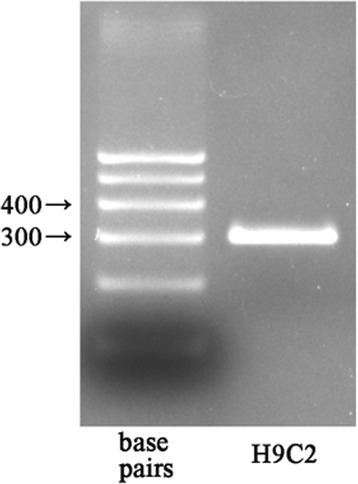
We used a recombinant AAV9 vector to deliver the Sfrp1 gene into H9C2 rat cardiomyoblasts and adopted an in vitro model of ischemia/reperfusion. Cell vitality was measured by CKK-8 and the trypan blue exclusion assay. Western blot was used to evaluate the expression of Dvl-1, β-catenin, c-Myc, Bax, and Bcl-2. Flow cytometry analysis of cardiomyocyte apoptosis was performed.
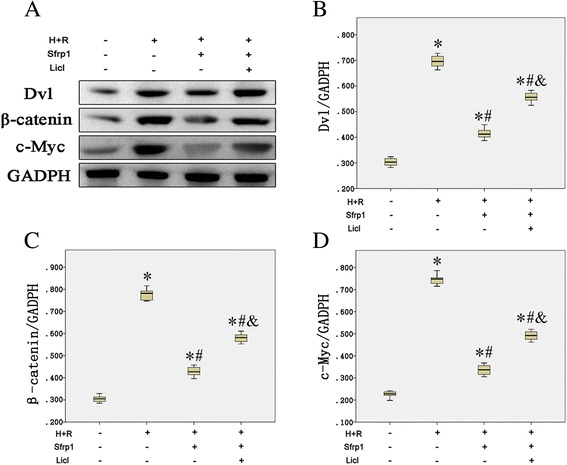
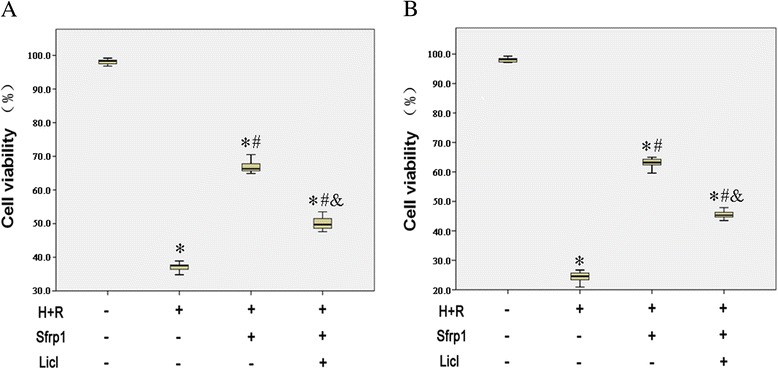
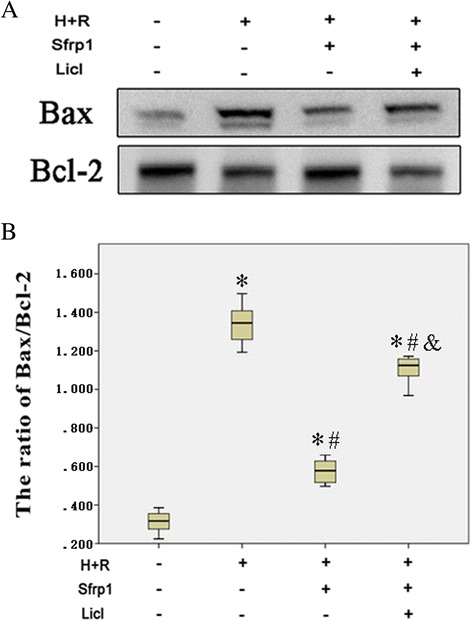
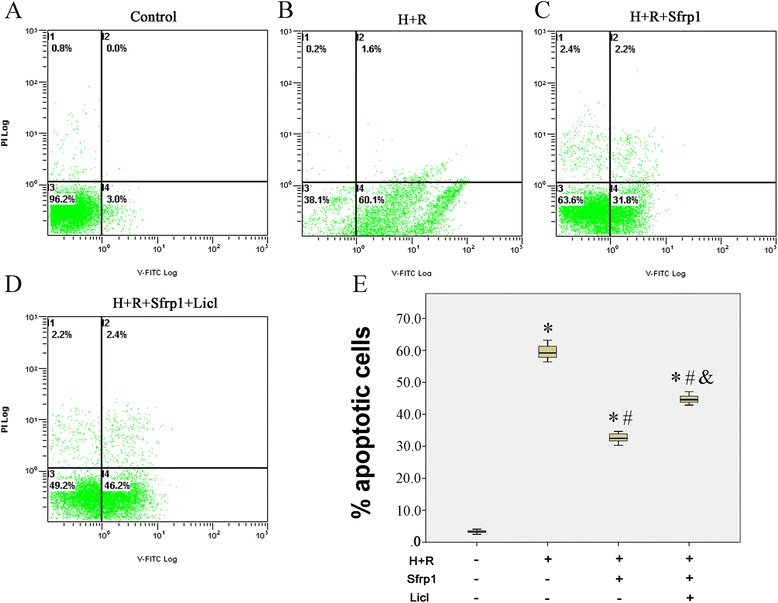
We confirmed that Sfrp1 significantly increased cell viability (assayed by trypan blue and CKK-8) and decreased apoptosis (assayed by flow cytometry analysis and the Bax/Bcl-2 ratio). These effects were partly attributable to the ability of Sfrp1 to down-regulate Wnt signaling pathway (assayed by Western blot to evaluate the expression of Dvl-1, β-catenin, and c-Myc). Indeed, reactivation of the Wnt signaling pathway activity with the specific activator, Licl, reduced Sfrp1-induced cardioprotection during hypoxia and reoxygenation.
The present study demonstrated that Sfrp1 directly protected H9C2 cells from hypoxia and reoxygenation-induced reperfusion injury and apoptosis through inhibition of the Wnt signaling pathway, and added new mechanistic insight regarding the cardioprotective role of Sfrp1 on ischemic damage.
在动物模型中,分泌型卷曲相关蛋白1(Sfrp1)对Wnt信号通路的抑制是有益的,因为Sfrp1可减少心肌细胞凋亡并预防心力衰竭。介导Sfrp1细胞存活效应的机制尚未完全阐明。本研究旨在使用缺血/再灌注体外模型研究Sfrp1对心肌细胞可能的保护作用,并评估Wnt信号通路可能的参与情况。
我们使用重组腺相关病毒9(AAV9)载体将Sfrp1基因导入H9C2大鼠心肌成纤维细胞,并采用缺血/再灌注体外模型。通过细胞计数试剂盒-8(CKK-8)和台盼蓝排斥试验测量细胞活力。采用蛋白质免疫印迹法评估Dishevelled-1(Dvl-1)、β-连环蛋白、c-Myc、Bax和Bcl-2的表达。进行心肌细胞凋亡的流式细胞术分析。
我们证实Sfrp1显著提高细胞活力(通过台盼蓝和CKK-8检测)并减少凋亡(通过流式细胞术分析和Bax/Bcl-2比值检测)。这些作用部分归因于Sfrp1下调Wnt信号通路的能力(通过蛋白质免疫印迹法评估Dvl-1、β-连环蛋白和c-Myc的表达)。事实上,用特异性激活剂氯化锂(Licl)重新激活Wnt信号通路活性,可降低Sfrp1在缺氧和复氧期间诱导的心脏保护作用。
本研究表明,Sfrp1通过抑制Wnt信号通路直接保护H9C2细胞免受缺氧和复氧诱导的再灌注损伤及凋亡,并为Sfrp1对缺血损伤的心脏保护作用增添了新的机制性见解。