Niu Chao, Chauhan Uday, Gargus Matthew, Shaker Anisa
Department of Medicine, Division of Gastroenterology and Hepatology, Keck School of Medicine of USC, Los Angeles, California, United States of America.
PLoS One. 2016 Apr 7;11(4):e0153185. doi: 10.1371/journal.pone.0153185. eCollection 2016.
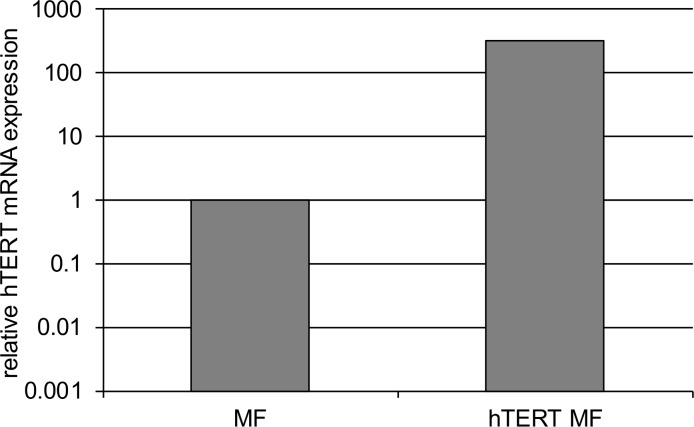
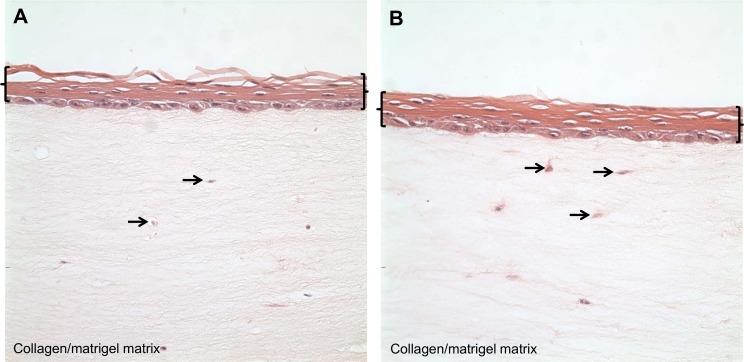
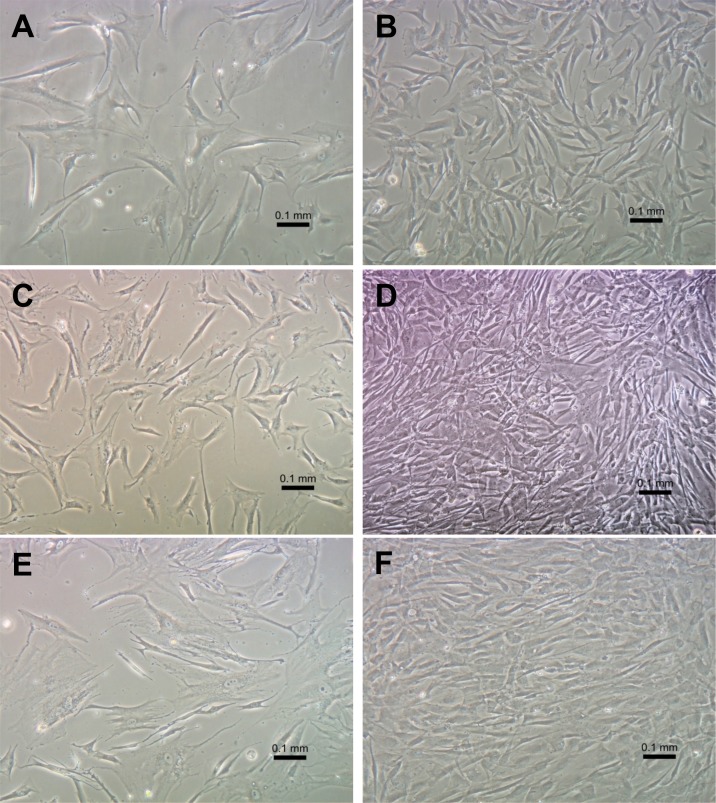
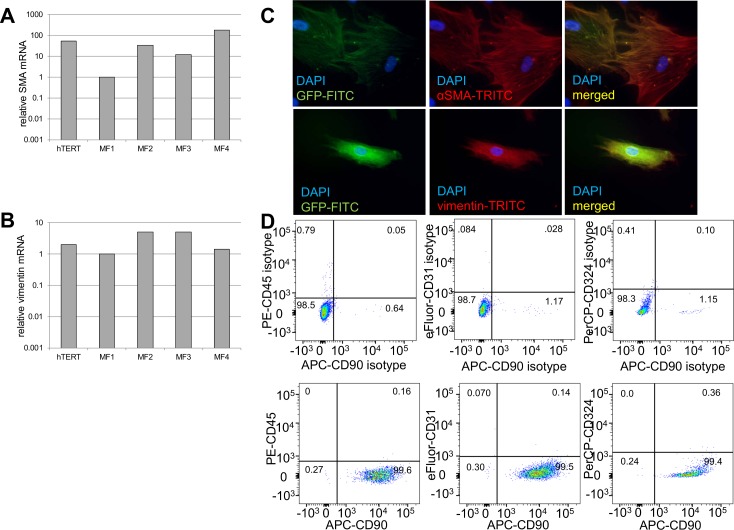
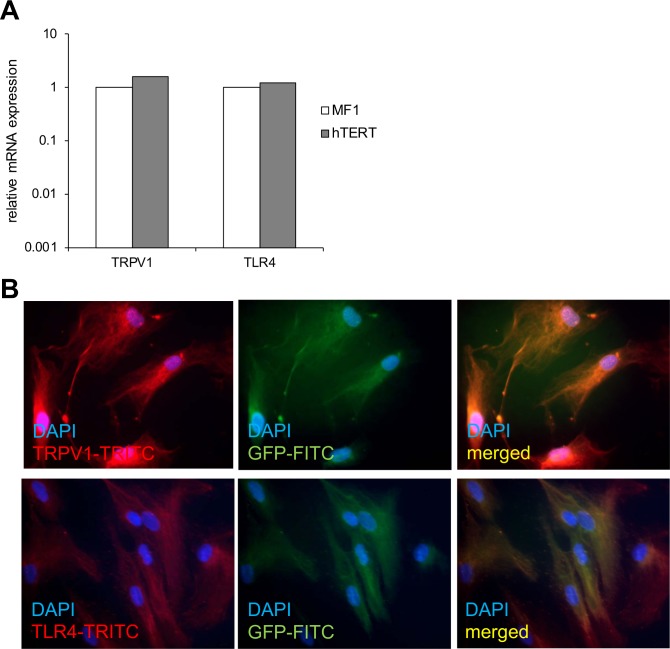
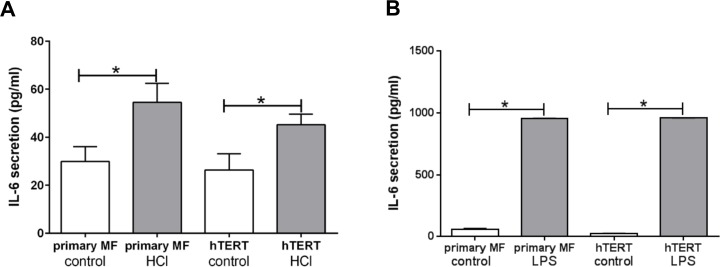
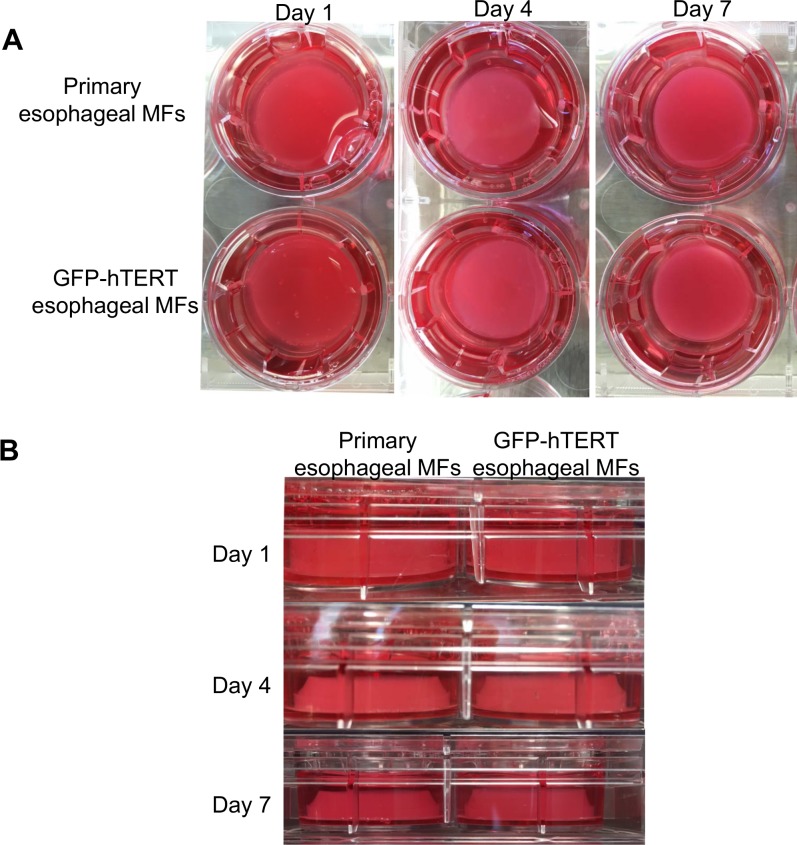
Stromal cells with a myofibroblast phenotype present in the normal human esophagus are increased in individuals with gastro-esophageal reflux disease (GERD). We have previously demonstrated that myofibroblasts stimulated with acid and TLR4 agonists increase IL-6 and IL-8 secretion using primary cultures of myofibroblasts established from normal human esophagus. While primary cultures have the advantage of reflecting the in vivo environment, a short life span and unavoidable heterogeneity limits the usefulness of this model in larger scale in vitro cellular signaling studies. The major aim of this paper therefore was to generate a human esophageal myofibroblast line with an extended lifespan. In the work presented here we have generated and characterized an immortalized human esophageal myofibroblast line by transfection with a commercially available GFP-hTERT lentivirus. Immortalized human esophageal myofibroblasts demonstrate phenotypic, genotypic and functional similarity to primary cultures of esophageal myofibroblasts we have previously described. We found that immortalized esophageal myofibroblasts retain myofibroblast spindle-shaped morphology at low and high confluence beyond passage 80, and express α-SMA, vimentin, and CD90 myofibroblast markers. Immortalized human esophageal myofibroblasts also express the putative acid receptor TRPV1 and TLR4 and retain the functional capacity to respond to stimuli encountered in GERD with secretion of IL-6. Finally, immortalized human esophageal myofibroblasts also support the stratified growth of squamous esophageal epithelial cells in 3D organotypic cultures. This newly characterized immortalized human esophageal myofibroblast cell line can be used in future cellular signaling and co-culture studies.
在胃食管反流病(GERD)患者中,正常人类食管中存在的具有肌成纤维细胞表型的基质细胞会增加。我们之前已经证明,用酸和TLR4激动剂刺激的肌成纤维细胞,利用从正常人类食管建立的肌成纤维细胞原代培养物,会增加IL-6和IL-8的分泌。虽然原代培养具有反映体内环境的优势,但较短的寿命和不可避免的异质性限制了该模型在大规模体外细胞信号研究中的实用性。因此,本文的主要目的是生成一种寿命延长的人食管肌成纤维细胞系。在本文介绍的工作中,我们通过用市售的GFP-hTERT慢病毒转染,生成并鉴定了一种永生化的人食管肌成纤维细胞系。永生化的人食管肌成纤维细胞在表型、基因型和功能上与我们之前描述的食管肌成纤维细胞原代培养物相似。我们发现,永生化的食管肌成纤维细胞在第80代以后的低汇合度和高汇合度下都保持肌成纤维细胞的纺锤形形态,并表达α-SMA、波形蛋白和CD90等肌成纤维细胞标志物。永生化的人食管肌成纤维细胞还表达假定的酸受体TRPV1和TLR4,并保留通过分泌IL-6对GERD中遇到的刺激作出反应的功能能力。最后,永生化的人食管肌成纤维细胞还支持鳞状食管上皮细胞在三维器官型培养中的分层生长。这种新鉴定的永生化人食管肌成纤维细胞系可用于未来的细胞信号和共培养研究。