Yang Liying, Lu Xiaohua, Nossa Carlos W, Francois Fritz, Peek Richard M, Pei Zhiheng
Department of Pathology, New York University School of Medicine, New York, New York, USA.
Gastroenterology. 2009 Aug;137(2):588-97. doi: 10.1053/j.gastro.2009.04.046. Epub 2009 Apr 23.
BACKGROUND & AIMS: Gastroesophageal reflux causes inflammation and intestinal metaplasia and its downstream sequelum adenocarcinoma in the distal esophagus. The incidence of esophageal adenocarcinoma has increased approximately 6-fold in the United States since the 1970s, accompanied with a significant increase in the prevalence of gastroesophageal reflux disease (GERD). Despite extensive epidemiologic study, the cause for GERD and the unexpected increases remain unexplainable. Microbes are among the environmental factors that may contribute to the etiology of GERD, but very little research has been done on the esophageal microbiome, particularly in its relation to GERD. This is the first comprehensive reported correlation between a change in the esophageal microbiome and esophageal diseases.
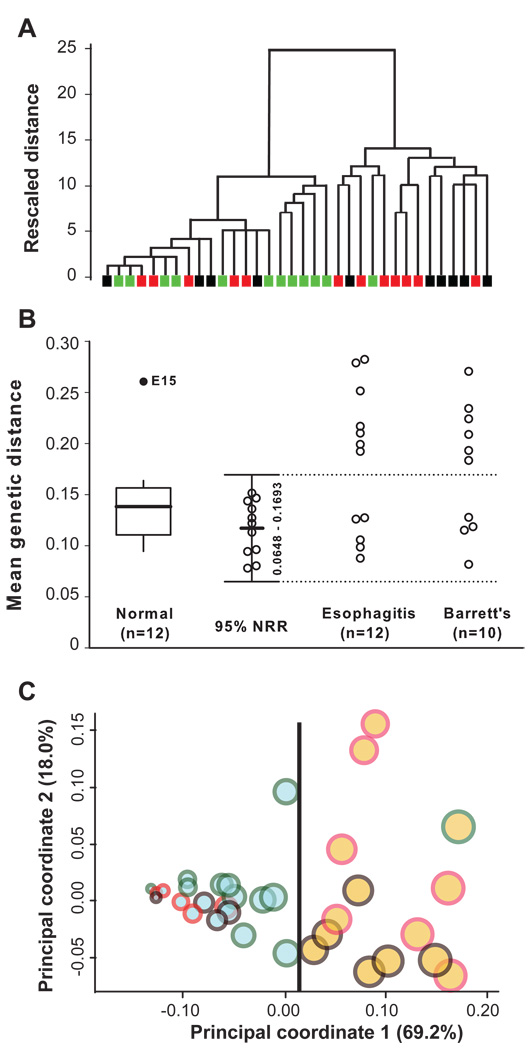
Biopsy samples of the distal esophagus were collected from 34 patients. Host phenotypes were histologically defined as normal, esophagitis, or Barrett's esophagus (intestinal metaplasia). Microbiomes from the biopsy samples were analyzed by bacterial 16S ribosomal RNA gene survey and classified into types using unsupervised cluster analysis and phenotype-guided analyses. Independence between host phenotypes and microbiome types were analyzed by Fisher exact test.
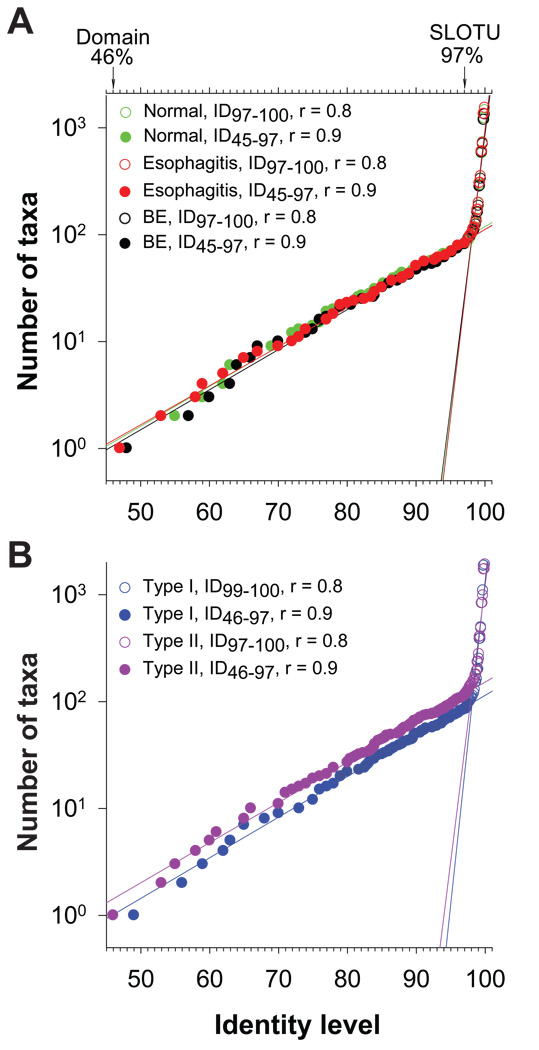
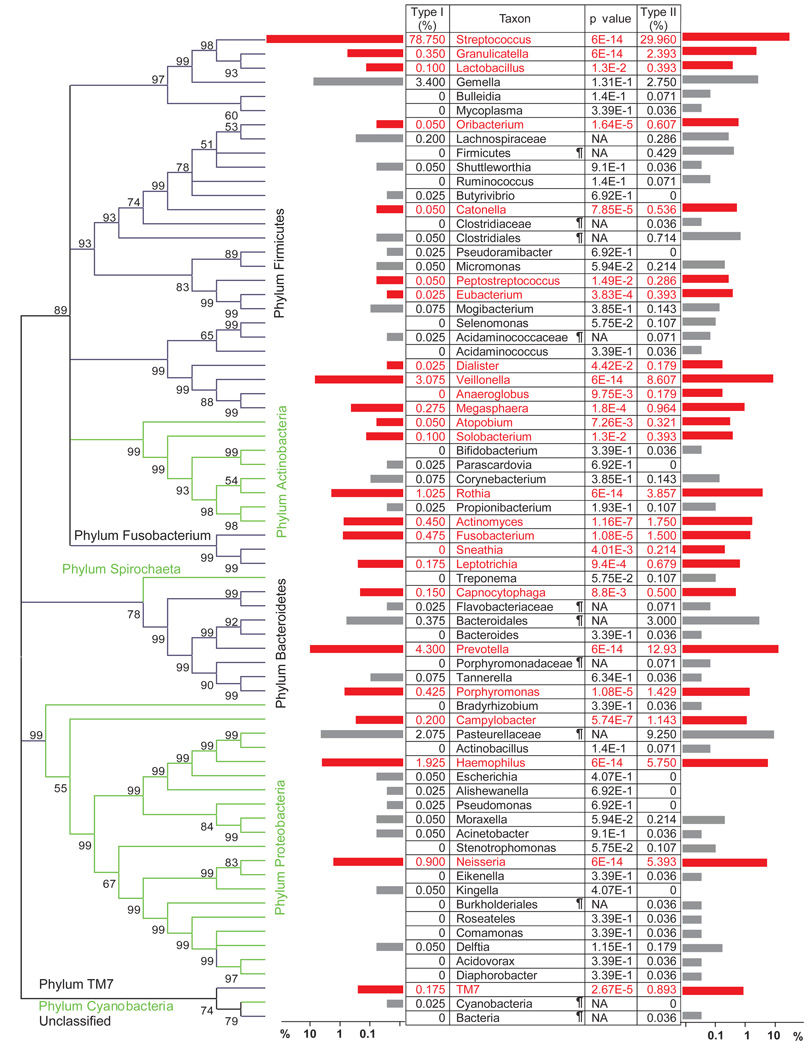
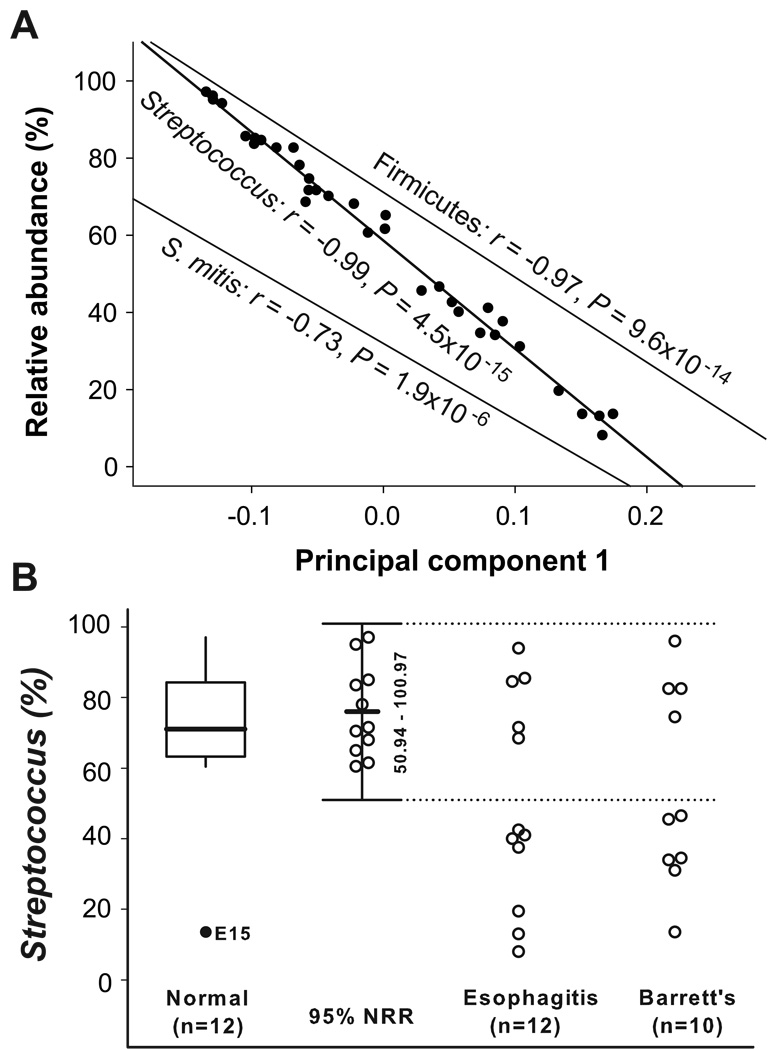
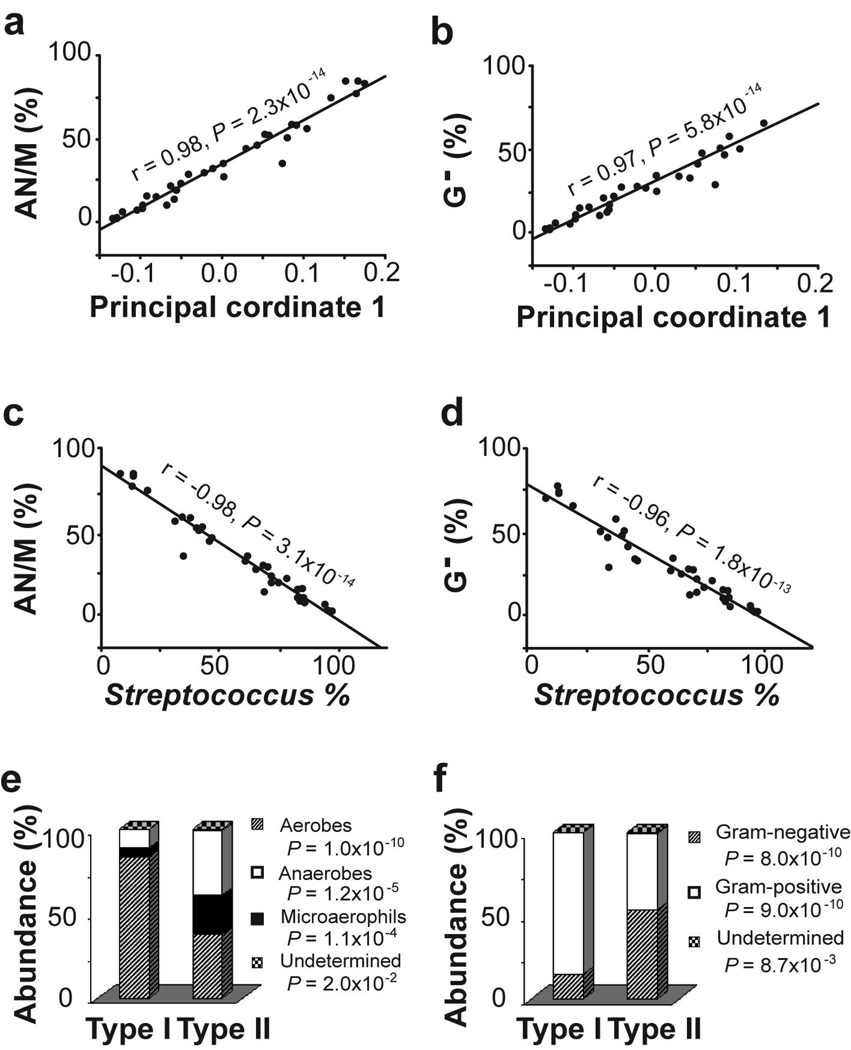
Esophageal microbiomes can be classified into 2 types. The type I microbiome was dominated by the genus Streptococcus and concentrated in the phenotypically normal esophagus. Conversely, the type II microbiome contained a greater proportion of gram-negative anaerobes/microaerophiles and primarily correlated with esophagitis (odds ratio, 15.4) and Barrett's esophagus (odds ratio, 16.5).
In the human distal esophagus, inflammation and intestinal metaplasia are associated with global alteration of the microbiome. These findings raise the issue of a possible role for dysbiosis in the pathogenesis of reflux-related disorders.
胃食管反流会引发炎症和肠化生,以及其下游的后遗症——食管远端腺癌。自20世纪70年代以来,美国食管腺癌的发病率增加了约6倍,与此同时,胃食管反流病(GERD)的患病率也显著上升。尽管进行了广泛的流行病学研究,但GERD的病因以及这种意外增加的原因仍无法解释。微生物是可能导致GERD病因的环境因素之一,但关于食管微生物群的研究很少,尤其是其与GERD的关系。这是首次全面报道食管微生物群变化与食管疾病之间的相关性。
从34例患者中采集食管远端活检样本。宿主表型在组织学上被定义为正常、食管炎或巴雷特食管(肠化生)。通过细菌16S核糖体RNA基因检测分析活检样本中的微生物群,并使用无监督聚类分析和表型引导分析将其分类。通过Fisher精确检验分析宿主表型与微生物群类型之间的独立性。
食管微生物群可分为2种类型。I型微生物群以链球菌属为主,集中在表型正常的食管中。相反,II型微生物群含有更大比例的革兰氏阴性厌氧菌/微需氧菌,主要与食管炎(优势比,15.4)和巴雷特食管(优势比,16.5)相关。
在人类食管远端,炎症和肠化生与微生物群的整体改变有关。这些发现提出了生态失调在反流相关疾病发病机制中可能作用的问题。