Anandpara Karan Manoj, Aswani Yashant, Thakkar Hemangini, Hira Priya, Sathe Pragati A
Department of Radiology, Seth Gordhandas Sunderdas Medical College and King Edward Memorial Hospital, Mumbai, India.
Pol J Radiol. 2016 Mar 21;81:120-4. doi: 10.12659/PJR.896033. eCollection 2016.
Granulosa cell tumours of the ovary are rare, hormonally active, oestrogen-secreting tumours of the ovary existing in two forms: the adult form and the even rarer juvenile form. These tumours present as predominantly solid lesions while the cystic, unilocular presentation is uncommon.
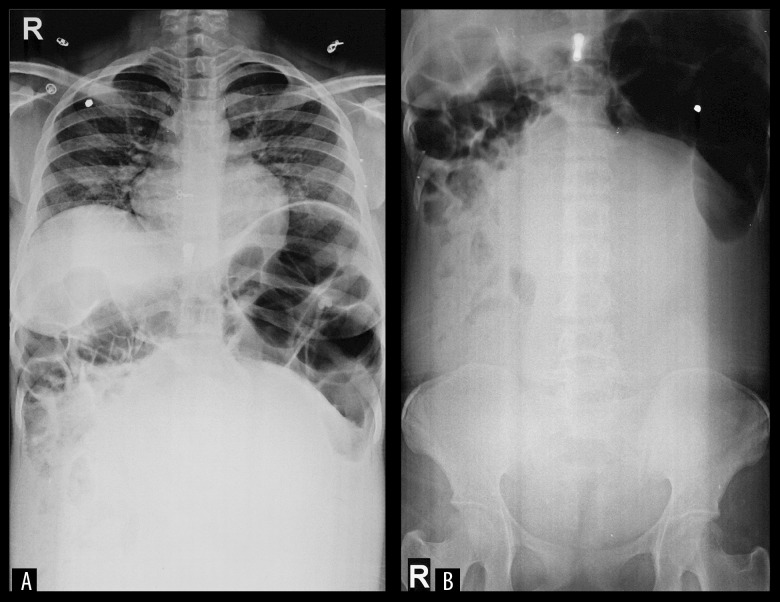
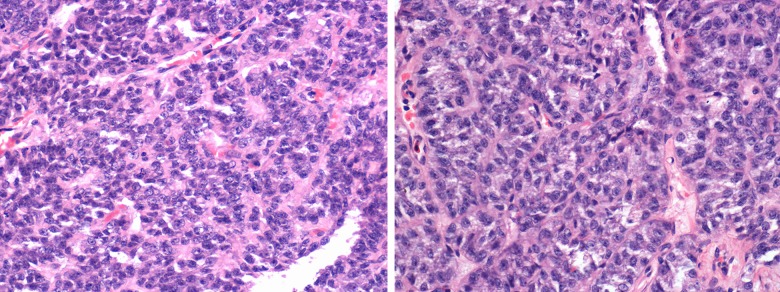
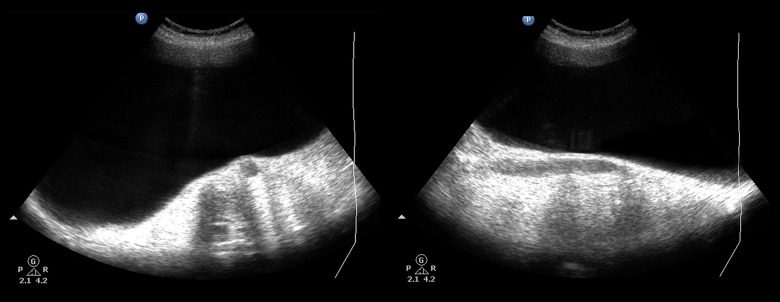
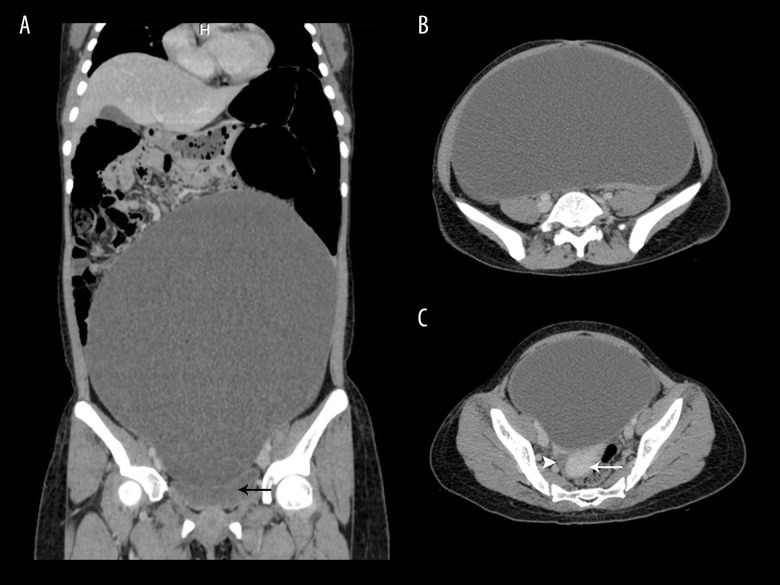
We present an 18-year-old unmarried girl who presented with complaints of chronic pain, abdominal distension and presence of facial hair. Radiological examination revealed a large, purely cystic, unilocular lesion without any solid components, debris or septations. Histopathological diagnosis was of a juvenile granulosa cell tumour.
Radiological criteria suggestive of malignant ovarian masses include thick, irregular walls and septae; papillary projections and solid, echogenic foci. Nonetheless, we propose that a malignant ovarian lesion should be included in the differential diagnosis of a unilocular, purely cystic ovarian lesion.
卵巢颗粒细胞瘤罕见,具有激素活性,是分泌雌激素的卵巢肿瘤,有两种形式:成年型和更为罕见的幼年型。这些肿瘤主要表现为实性病变,而囊性、单房性表现并不常见。
我们报告一名18岁未婚女孩,主诉慢性疼痛、腹胀和面部多毛。影像学检查显示一个大的、纯囊性、单房性病变,无任何实性成分、碎屑或分隔。组织病理学诊断为幼年型颗粒细胞瘤。
提示恶性卵巢肿块的影像学标准包括壁增厚、不规则及有分隔;乳头状突起以及实性、强回声灶。尽管如此,我们建议单房、纯囊性卵巢病变的鉴别诊断应包括恶性卵巢病变。