Haikarainen Teemu, Lehtiö Lari
Biocenter Oulu and Faculty of Biochemistry and Molecular Medicine, University of Oulu, FI-90014 Oulu, Finland.
Sci Rep. 2016 Apr 11;6:24213. doi: 10.1038/srep24213.
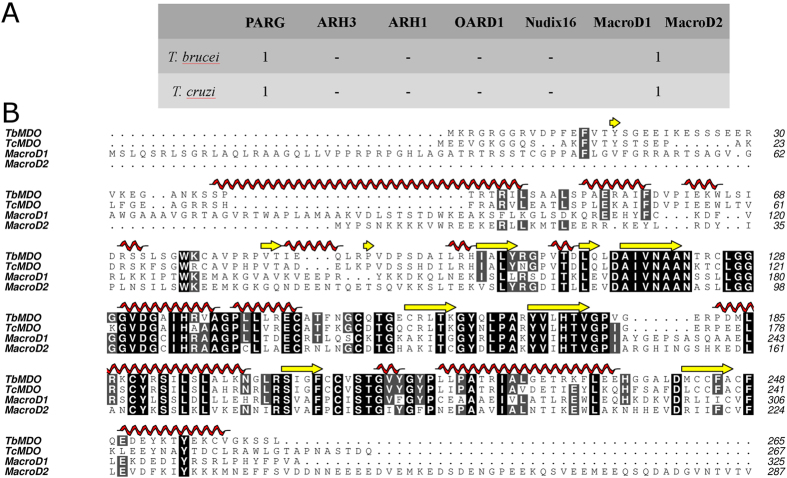
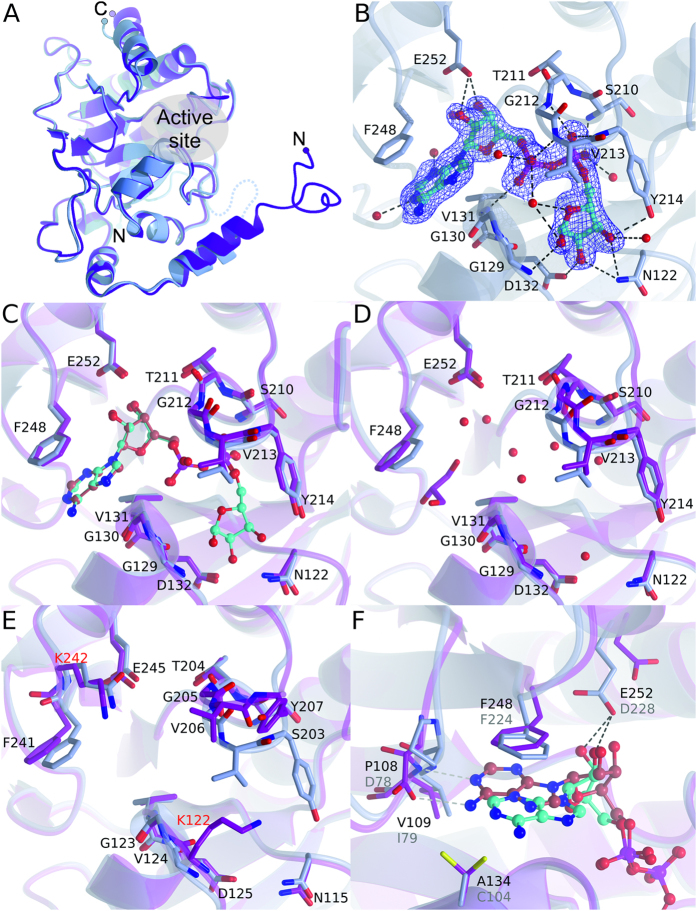
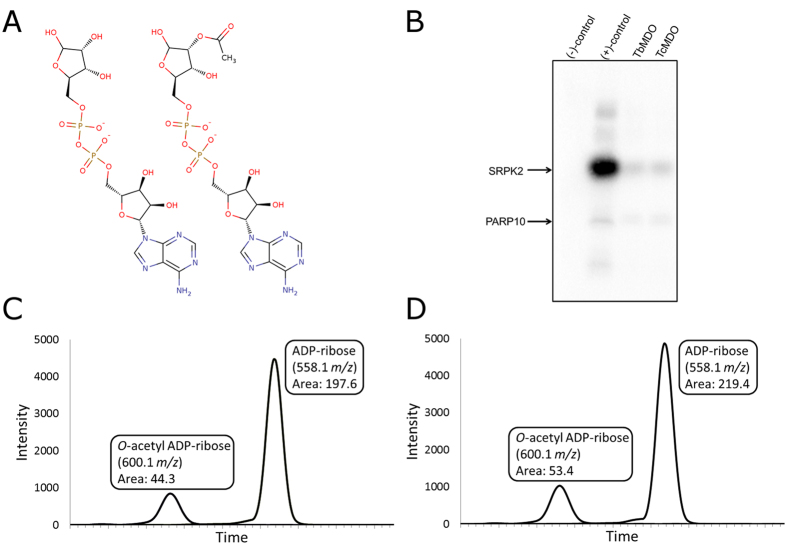
ADP-ribosylation is a ubiquitous protein modification utilized by both prokaryotes and eukaryotes for several cellular functions, such as DNA repair, proliferation, and cell signaling. Higher eukaryotes, such as humans, utilize various enzymes to reverse the modification and to regulate ADP-ribose dependent signaling. In contrast, some lower eukaryotes, including trypanosomatids, lack many of these enzymes and therefore have a much more simplified ADP-ribose metabolism. Here we identified and characterized ADP-ribose hydrolases from Trypanosoma brucei and Trypanosoma cruzi, which are homologous to human O-acetyl-ADP-ribose deacetylases MacroD1 and MacroD2. The enzymes are capable for hydrolysis of protein linked ADP-ribose and a product of sirtuin-mediated lysine deacetylation, O-acetyl-ADP-ribose. Crystal structures of the trypanosomatid macrodomains revealed a conserved catalytic site with distinct differences to human MacroD1 and MacroD2.
ADP核糖基化是一种普遍存在的蛋白质修饰,原核生物和真核生物都利用它来实现多种细胞功能,如DNA修复、增殖和细胞信号传导。高等真核生物,如人类,利用各种酶来逆转这种修饰并调节ADP核糖依赖性信号传导。相比之下,一些低等真核生物,包括锥虫,缺乏许多这些酶,因此具有更为简化的ADP核糖代谢。在这里,我们鉴定并表征了来自布氏锥虫和克氏锥虫的ADP核糖水解酶,它们与人类O-乙酰基-ADP核糖脱乙酰酶MacroD1和MacroD2同源。这些酶能够水解与蛋白质相连的ADP核糖以及一种由沉默调节蛋白介导的赖氨酸脱乙酰化产物O-乙酰基-ADP核糖。锥虫大结构域的晶体结构揭示了一个保守的催化位点,与人类MacroD1和MacroD2存在明显差异。