Duncan Ian D, Radcliff Abigail B
Department of Medical Sciences, School of Veterinary Medicine, University of Wisconsin-Madison, Madison, WI, United States.
Department of Medical Sciences, School of Veterinary Medicine, University of Wisconsin-Madison, Madison, WI, United States.
Exp Neurol. 2016 Sep;283(Pt B):452-75. doi: 10.1016/j.expneurol.2016.04.002. Epub 2016 Apr 9.
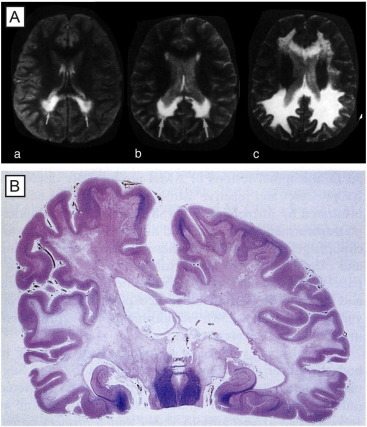
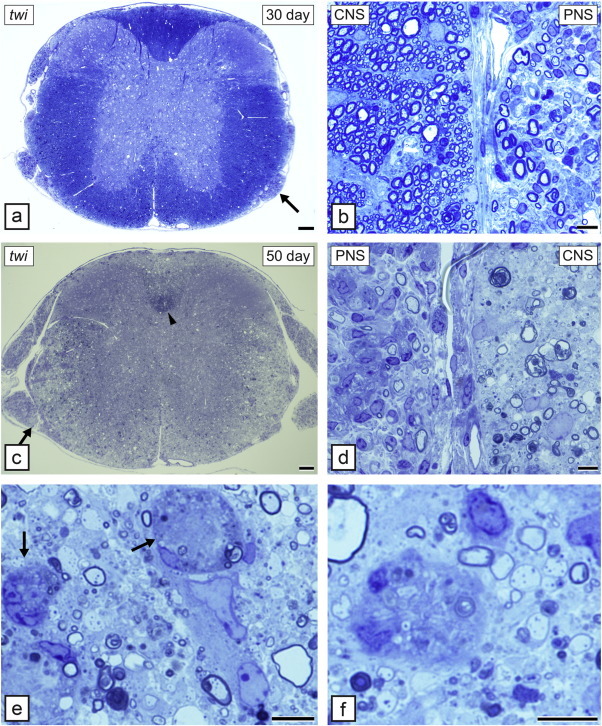
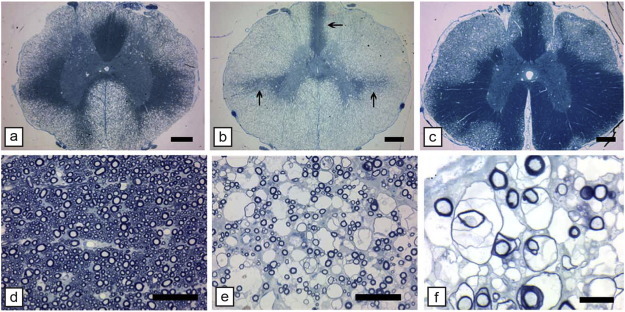
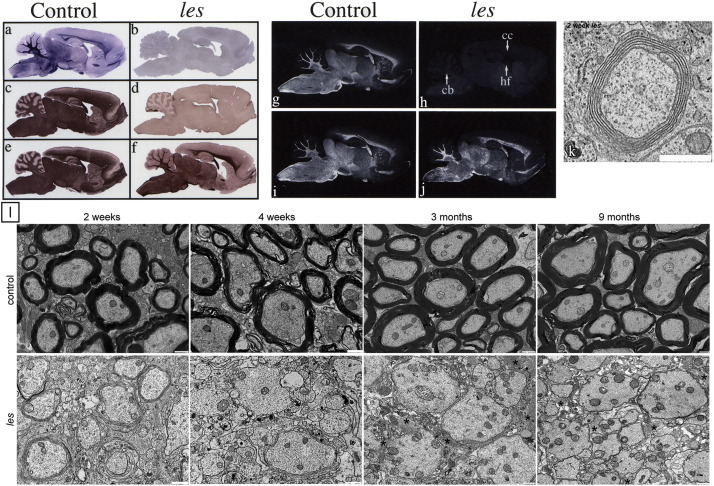
Remyelination is a major therapeutic goal in human myelin disorders, serving to restore function to demyelinated axons and providing neuroprotection. The target disorders that might be amenable to the promotion of this repair process are diverse and increasing in number. They range primarily from those of genetic, inflammatory to toxic origin. In order to apply remyelinating strategies to these disorders, it is essential to know whether the myelin damage results from a primary attack on myelin or the oligodendrocyte or both, and whether indeed these lead to myelin breakdown and demyelination. In some disorders, myelin sheath abnormalities are prominent but demyelination does not occur. This review explores the range of human and animal disorders where myelin pathology exists and focusses on defining the myelin changes in each and their cause, to help define whether they are targets for myelin repair therapy.
髓鞘再生是人类髓鞘疾病的主要治疗目标,旨在恢复脱髓鞘轴突的功能并提供神经保护。可能适合促进这一修复过程的目标疾病多种多样,且数量不断增加。它们主要包括遗传、炎症和毒性起源的疾病。为了将髓鞘再生策略应用于这些疾病,必须了解髓鞘损伤是源于对髓鞘或少突胶质细胞的原发性攻击,还是两者皆有,以及这些是否确实导致髓鞘破坏和脱髓鞘。在某些疾病中,髓鞘异常突出,但并未发生脱髓鞘。本综述探讨了存在髓鞘病理的人类和动物疾病范围,并着重于确定每种疾病中的髓鞘变化及其原因,以帮助确定它们是否为髓鞘修复治疗的目标。