Cobb Laura J, Lee Changhan, Xiao Jialin, Yen Kelvin, Wong Richard G, Nakamura Hiromi K, Mehta Hemal H, Gao Qinglei, Ashur Carmel, Huffman Derek M, Wan Junxiang, Muzumdar Radhika, Barzilai Nir, Cohen Pinchas
Department of Pediatrics, Mattel Children's Hospital, and Division of Endocrinology, David Geffen School of Medicine, University of California, Los Angeles, CA 90095, USA.
Current address: LCS Executive Consulting, North Hollywood, CA 91607, USA.
Aging (Albany NY). 2016 Apr;8(4):796-809. doi: 10.18632/aging.100943.
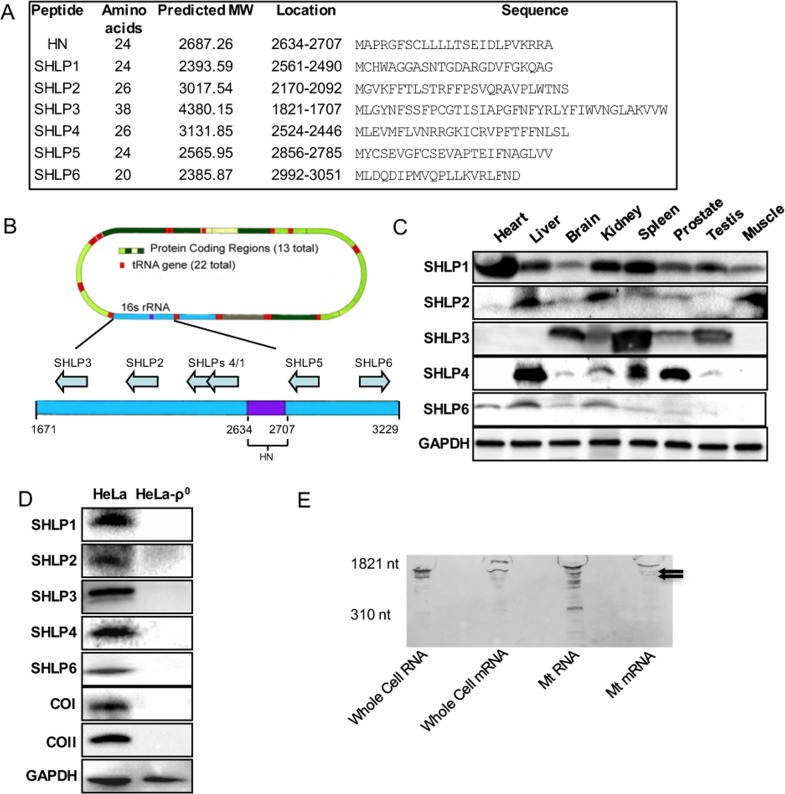
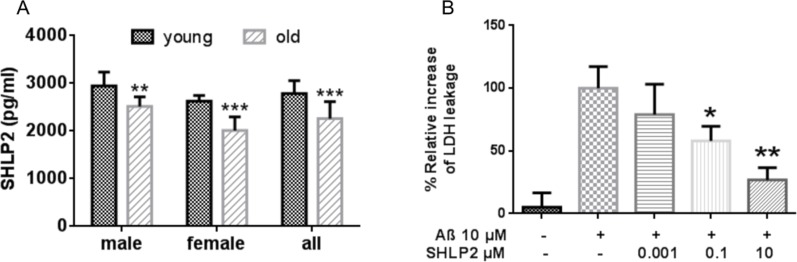
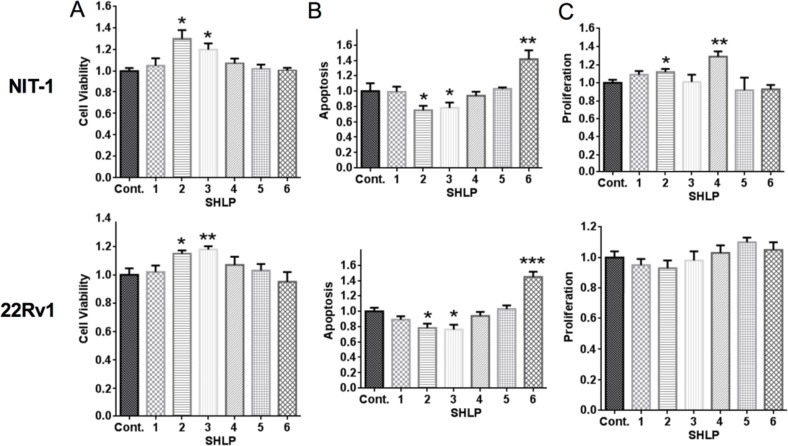
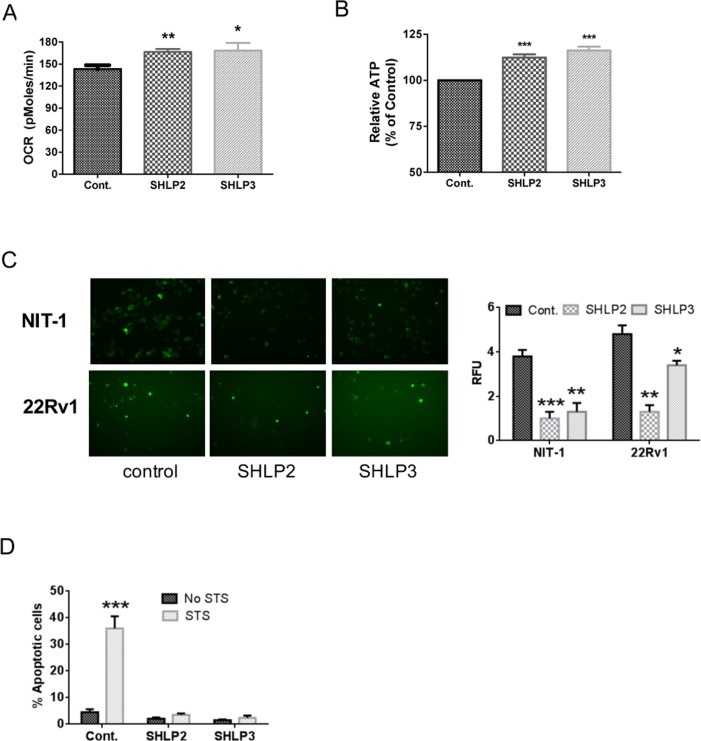
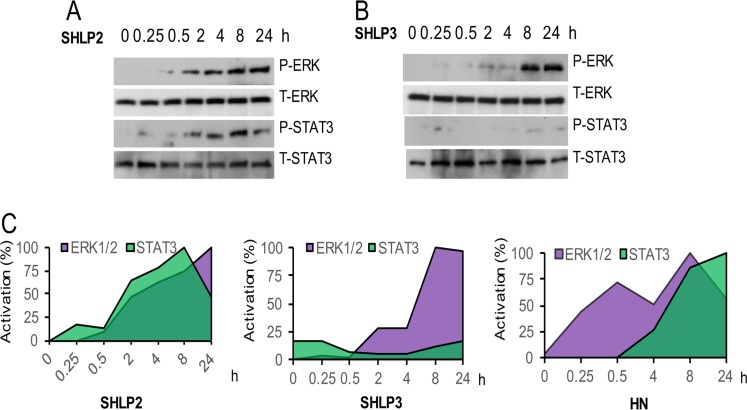
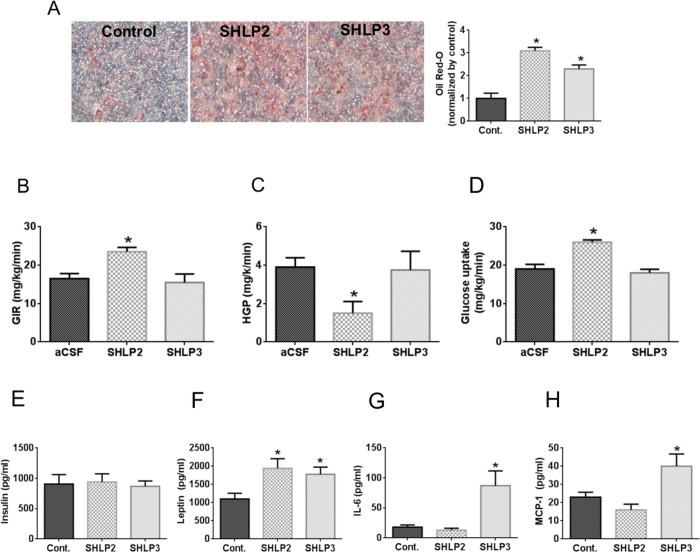
Mitochondria are key players in aging and in the pathogenesis of age-related diseases. Recent mitochondrial transcriptome analyses revealed the existence of multiple small mRNAs transcribed from mitochondrial DNA (mtDNA). Humanin (HN), a peptide encoded in the mtDNA 16S ribosomal RNA region, is a neuroprotective factor. An in silico search revealed six additional peptides in the same region of mtDNA as humanin; we named these peptides small humanin-like peptides (SHLPs). We identified the functional roles for these peptides and the potential mechanisms of action. The SHLPs differed in their ability to regulate cell viability in vitro. We focused on SHLP2 and SHLP3 because they shared similar protective effects with HN. Specifically, they significantly reduced apoptosis and the generation of reactive oxygen species, and improved mitochondrial metabolism in vitro. SHLP2 and SHLP3 also enhanced 3T3-L1 pre-adipocyte differentiation. Systemic hyperinsulinemic-euglycemic clamp studies showed that intracerebrally infused SHLP2 increased glucose uptake and suppressed hepatic glucose production, suggesting that it functions as an insulin sensitizer both peripherally and centrally. Similar to HN, the levels of circulating SHLP2 were found to decrease with age. These results suggest that mitochondria play critical roles in metabolism and survival through the synthesis of mitochondrial peptides, and provide new insights into mitochondrial biology with relevance to aging and human biology.
线粒体是衰老及年龄相关疾病发病机制中的关键因素。近期的线粒体转录组分析揭示了从线粒体DNA(mtDNA)转录而来的多种小mRNA的存在。人胰岛素(HN)是一种在mtDNA 16S核糖体RNA区域编码的肽,是一种神经保护因子。一项计算机搜索在mtDNA中与人胰岛素相同的区域发现了另外六种肽;我们将这些肽命名为小类人胰岛素肽(SHLPs)。我们确定了这些肽的功能作用及潜在作用机制。SHLPs在体外调节细胞活力的能力有所不同。我们重点研究了SHLP2和SHLP3,因为它们与HN具有相似的保护作用。具体而言,它们显著减少了细胞凋亡和活性氧的产生,并改善了体外的线粒体代谢。SHLP2和SHLP3还增强了3T3-L1前脂肪细胞的分化。全身性高胰岛素-正常血糖钳夹研究表明,脑内注入SHLP2可增加葡萄糖摄取并抑制肝葡萄糖生成,这表明它在外周和中枢均作为胰岛素增敏剂发挥作用。与HN相似,发现循环中的SHLP2水平会随着年龄的增长而下降。这些结果表明,线粒体通过合成线粒体肽在代谢和生存中发挥关键作用,并为与衰老和人类生物学相关的线粒体生物学提供了新的见解。