Kong Xiangyi, Yang Shuting, Gong Fei, Lu Changfu, Zhang Shuoping, Lu Guangxiu, Lin Ge
Institute of Reproductive and Stem Cell Engineering, college of basic medicine, Central South University, Changsha, China.
Key Laboratory of Reproductive and Stem Cell Engineering, Ministry of Health, Changsha, China.
PLoS One. 2016 Apr 14;11(4):e0153697. doi: 10.1371/journal.pone.0153697. eCollection 2016.
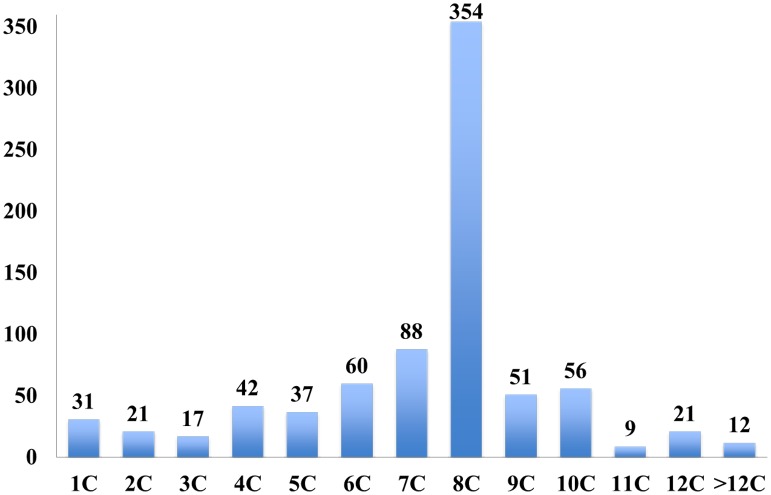
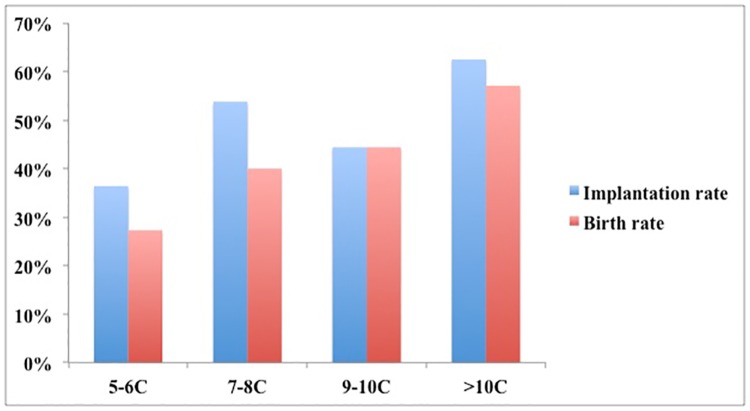
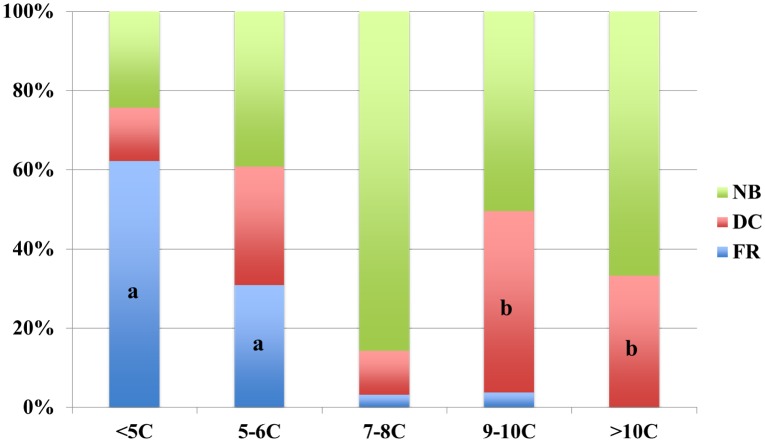
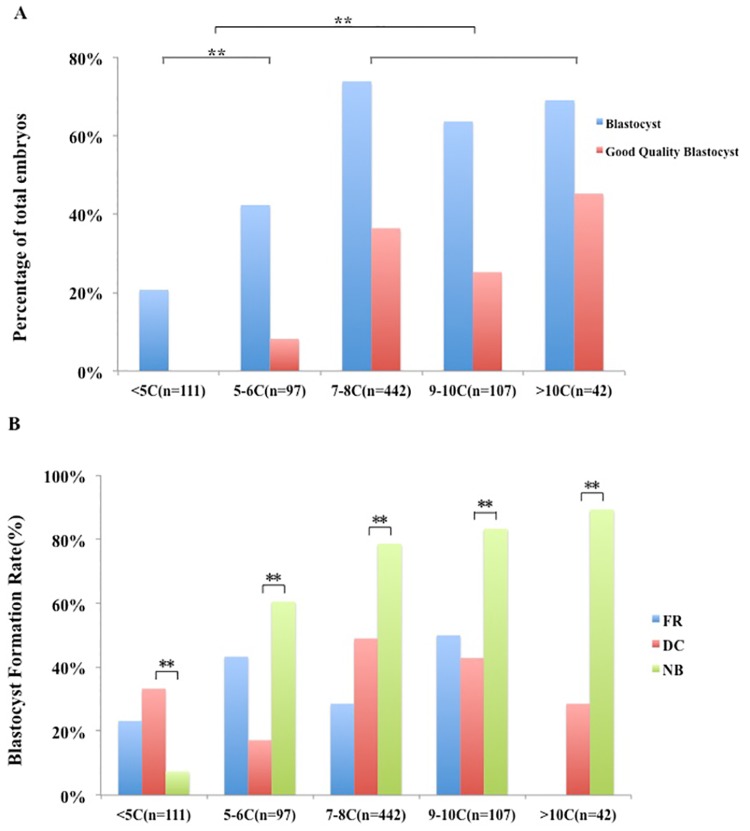
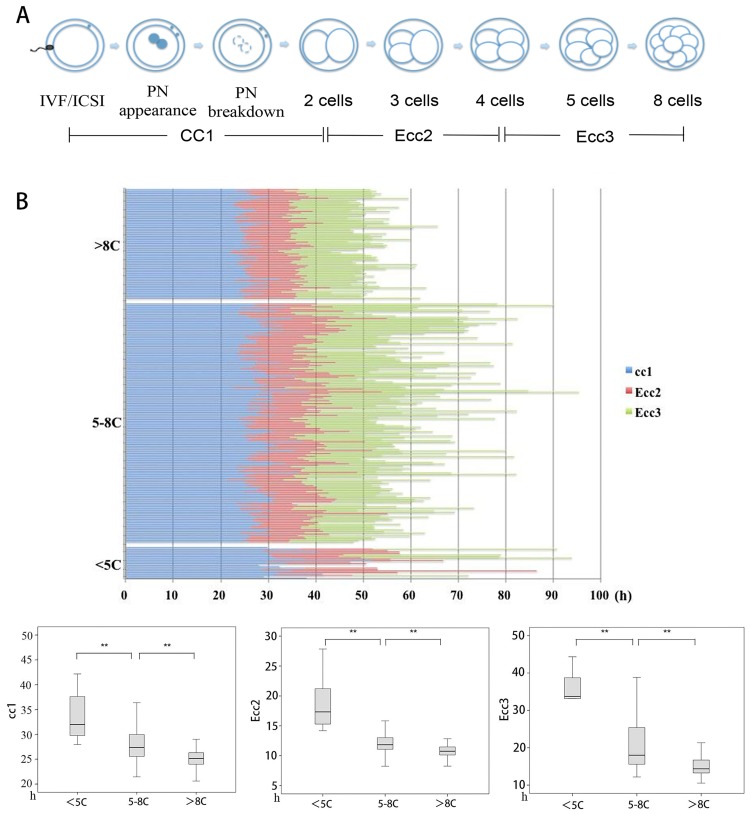
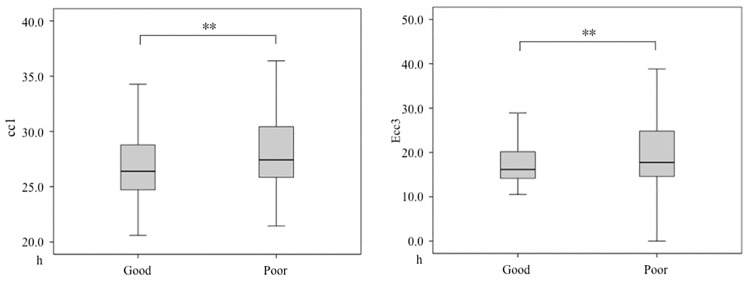
Day 3 cleavage embryo transfer is routine in many assisted reproductive technology centers today. Embryos are usually selected according to cell number, cell symmetry and fragmentation for transfer. Many studies have showed the relationship between cell number and embryo developmental potential. However, there is limited understanding of embryo division behavior and their association with embryo cell number and developmental potential. A retrospective and observational study was conducted to investigate how different division behaviors affect cell number and developmental potential of day 3 embryos by time-lapse imaging. Based on cell number at day 3, the embryos (from 104 IVF/intracytoplasmic sperm injection (ICSI) treatment cycles, n = 799) were classified as follows: less than 5 cells (< 5C; n = 111); 5-6 cells (5-6C; n = 97); 7-8 cells (7-8C; n = 442), 9-10 cells (9-10C; n = 107) and more than 10 cells (>10C; n = 42). Division behavior, morphokinetic parameters and blastocyst formation rate were analyzed in 5 groups of day 3 embryos with different cell numbers. In <5C and 5-6C embryos, fragmentation (FR; 62.2% and 30.9%, respectively) was the main cause for low cell number. The majority of 7-8C embryos exhibited obvious normal behaviors (NB; 85.7%) during development. However, the incidence of DC in 9-10C and >10C embryos increased compared to 7-8C embryos (45.8%, 33.3% vs. 11.1%, respectively). In ≥5C embryos, FR and DC significantly reduced developmental potential, whereas <5C embryos showed little potential irrespective of division behaviors. In NB embryos, the blastocyst formation rate increased with cell number from 7.4% (<5C) to 89.3% (>10C). In NB embryos, the cell cycle elongation or shortening was the main cause for abnormally low or high cell number, respectively. After excluding embryos with abnormal division behaviors, the developmental potential, implantation rate and live birth rate of day 3 embryos increased with cell number.
如今,第三天卵裂期胚胎移植在许多辅助生殖技术中心已成为常规操作。胚胎通常根据细胞数量、细胞对称性和碎片情况来选择进行移植。许多研究已经表明了细胞数量与胚胎发育潜能之间的关系。然而,对于胚胎分裂行为及其与胚胎细胞数量和发育潜能的关联,人们的了解还很有限。一项回顾性观察研究通过延时成像来调查不同的分裂行为如何影响第三天胚胎的细胞数量和发育潜能。根据第三天的细胞数量,将来自104个体外受精/卵胞浆内单精子注射(ICSI)治疗周期的799枚胚胎进行如下分类:少于5个细胞(<5C;n = 111);5 - 6个细胞(5 - 6C;n = 97);7 - 8个细胞(7 - 8C;n = 442),9 - 10个细胞(9 - 10C;n = 107)以及多于10个细胞(>10C;n = 42)。对5组不同细胞数量的第三天胚胎的分裂行为、形态动力学参数和囊胚形成率进行了分析。在<5C和5 - 6C胚胎中,碎片(FR;分别为62.2%和30.9%)是细胞数量少的主要原因。大多数7 - 8C胚胎在发育过程中表现出明显的正常行为(NB;85.7%)。然而,与7 - 8C胚胎相比,9 - 10C和>10C胚胎中双细胞期(DC)的发生率有所增加(分别为45.8%、33.3% vs. 11.1%)。在≥5C胚胎中,FR和DC显著降低了发育潜能,而<5C胚胎无论分裂行为如何,发育潜能都很低。在NB胚胎中,囊胚形成率随着细胞数量的增加从7.4%(<5C)提高到89.3%(>10C)。在NB胚胎中,细胞周期延长或缩短分别是细胞数量异常低或高的主要原因。排除具有异常分裂行为的胚胎后,第三天胚胎的发育潜能、着床率和活产率随着细胞数量的增加而提高。