Wang Lei, Huang Bangqin, Chiang Kuo-Ping, Liu Xin, Chen Bingzhang, Xie Yuyuan, Xu Yanping, Hu Jianyu, Dai Minhan
Key Laboratory of the Coastal and Wetland Ecosystems, the Ministry of Education, Xiamen University, Xiamen, China.
State Key Laboratory of Marine Environmental Science, Xiamen University, Xiamen, China.
PLoS One. 2016 Apr 18;11(4):e0153735. doi: 10.1371/journal.pone.0153735. eCollection 2016.
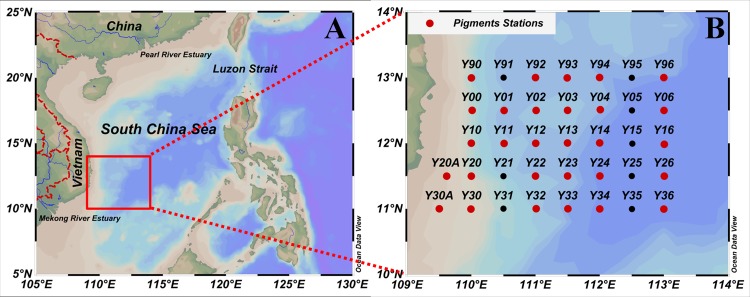
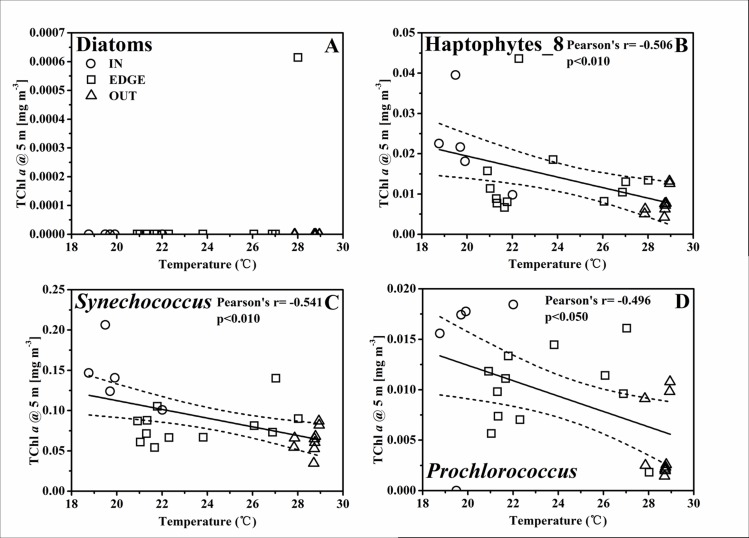
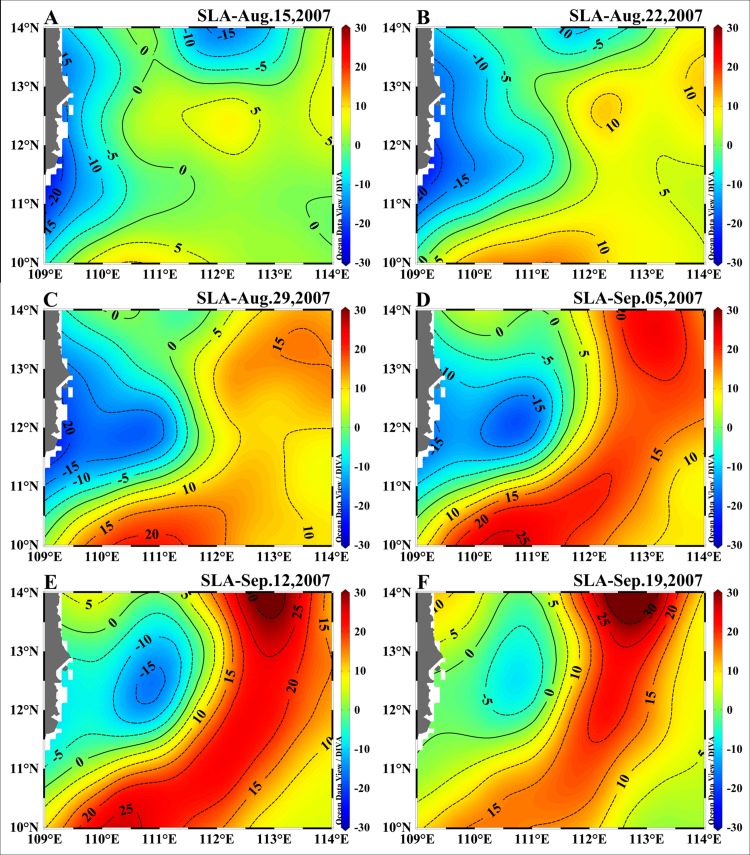
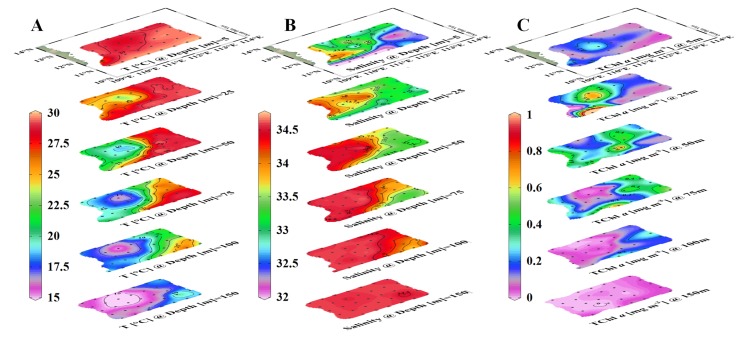
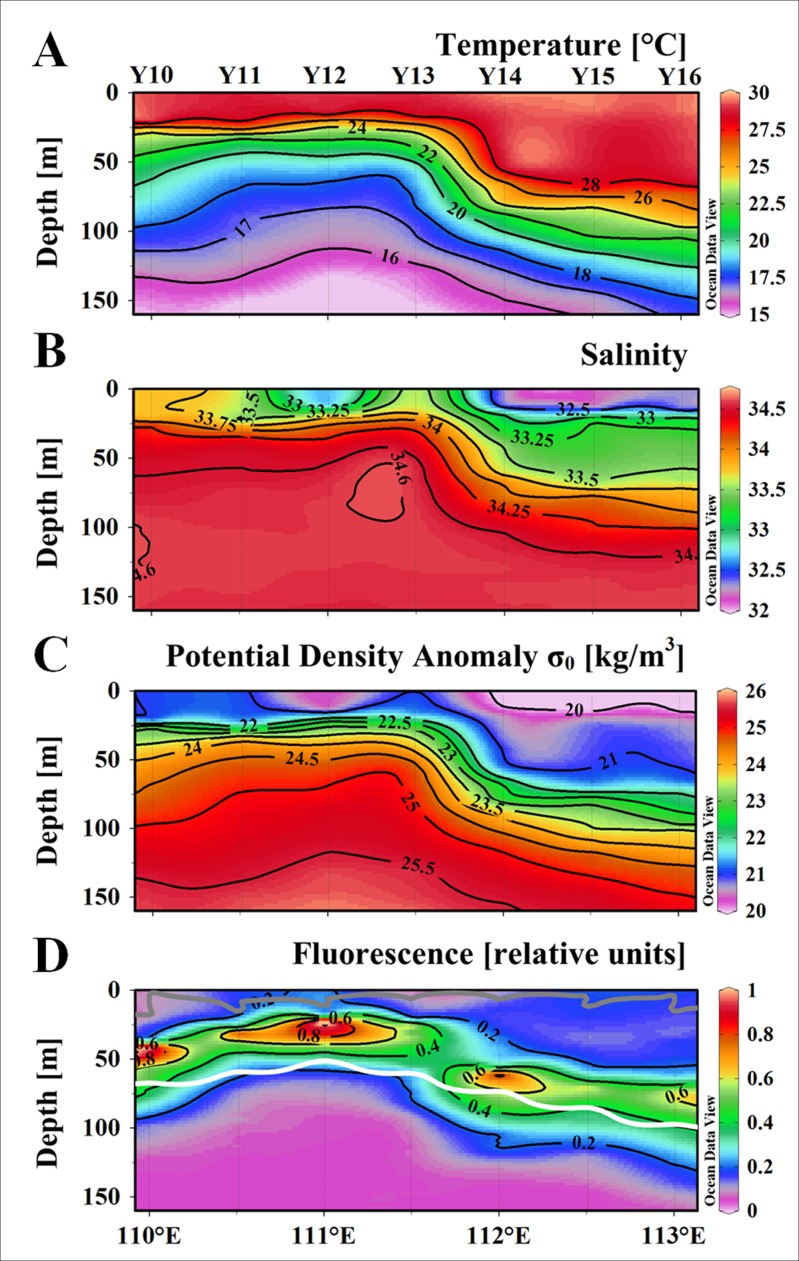
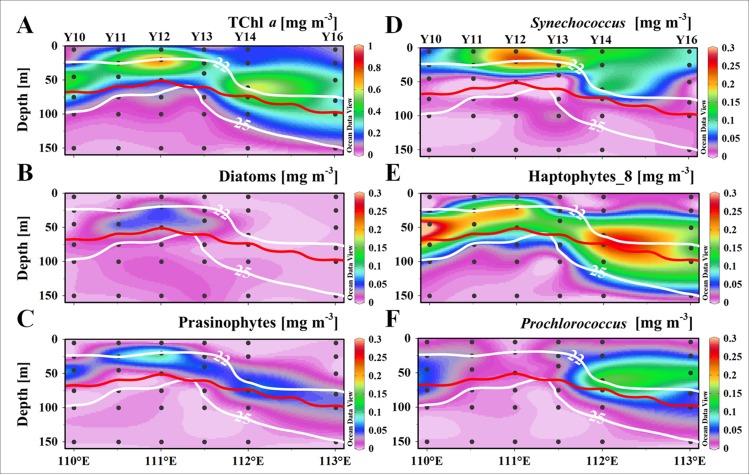
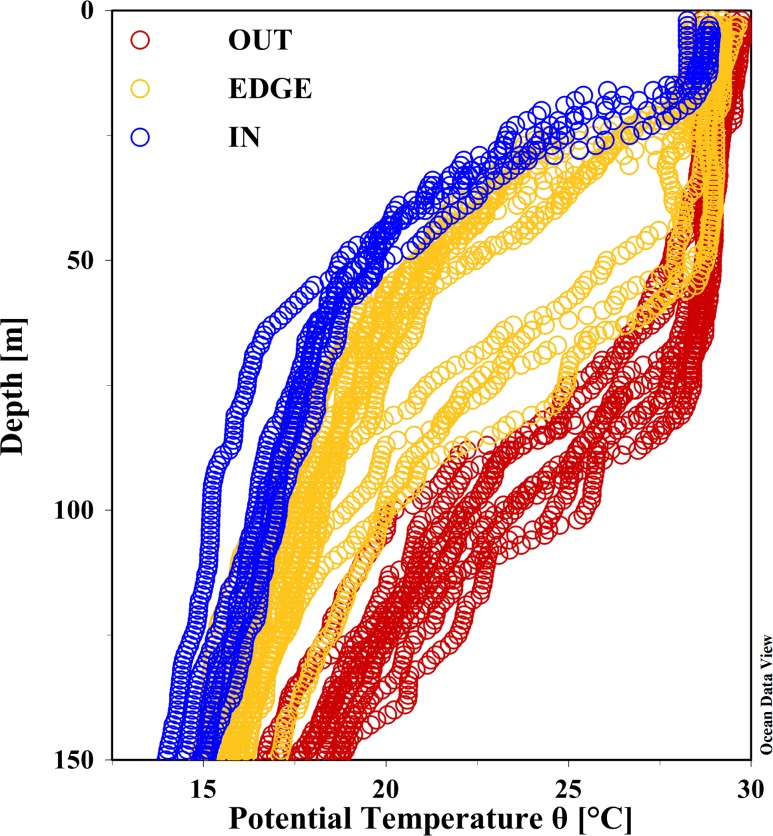
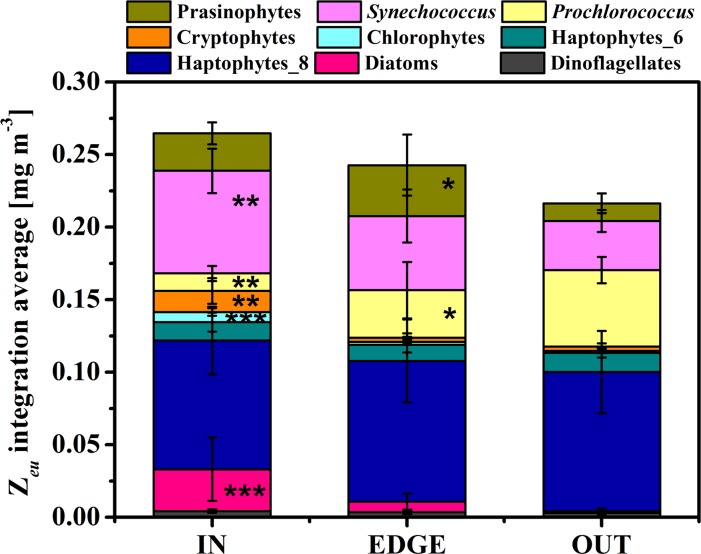
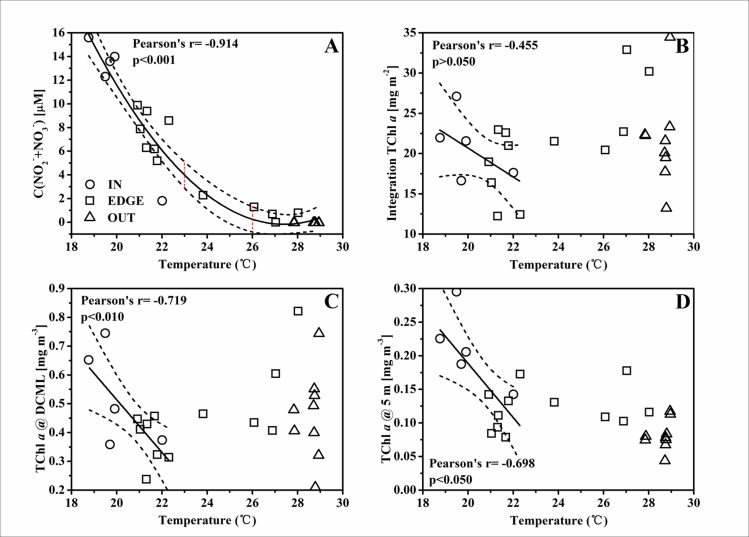
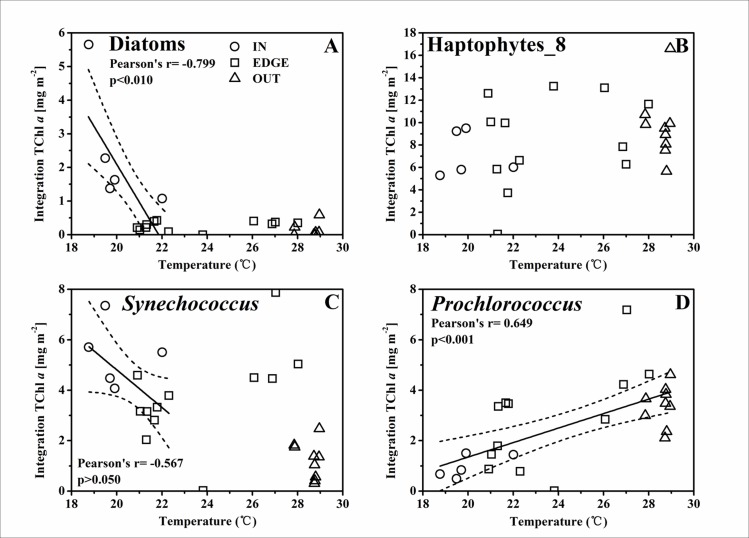
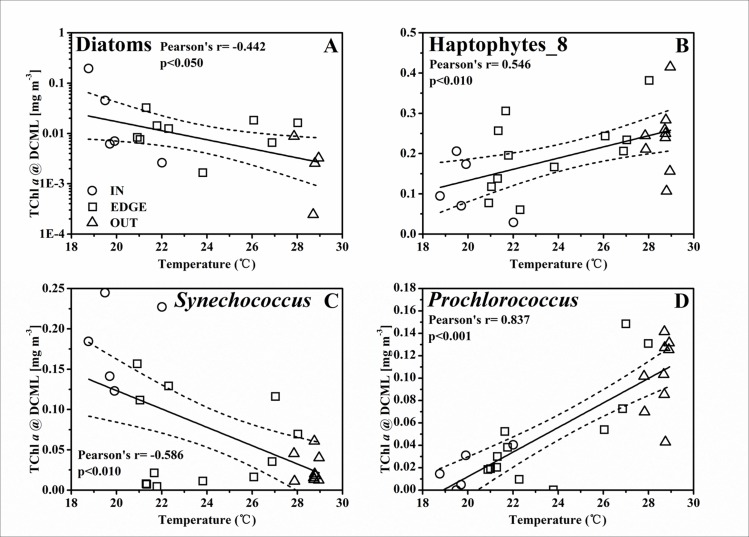
It is widely recognized that the mesoscale eddies play an important part in the biogeochemical cycle in ocean ecosystem, especially in the oligotrophic tropical zones. So here a heterogeneous cyclonic eddy in its flourishing stage was detected using remote sensing and in situ biogeochemical observation in the western South China Sea (SCS) in early September, 2007. The high-performance liquid chromatography method was used to identify the photosynthetic pigments. And the CHEMical TAXonomy (CHEMTAX) was applied to calculate the contribution of nine phytoplankton groups to the total chlorophyll a (TChl a) biomass. The deep chlorophyll a maximum layer (DCML) was raised to form a dome structure in the eddy center while there was no distinct enhancement for TChl a biomass. The integrated TChl a concentration in the upper 100 m water column was also constant from the eddy center to the surrounding water outside the eddy. However the TChl a biomass in the surface layer (at 5 m) in the eddy center was promoted 2.6-fold compared to the biomass outside the eddy (p < 0.001). Thus, the slight enhancement of TChl a biomass of euphotic zone integration within the eddy was mainly from the phytoplankton in the upper mixed zone rather than the DCML. The phytoplankton community was primarily contributed by diatoms, prasinophytes, and Synechococcus at the DCML within the eddy, while less was contributed by haptophytes_8 and Prochlorococcus. The TChl a biomass for most of the phytoplankton groups increased at the surface layer in the eddy center under the effect of nutrient pumping. The doming isopycnal within the eddy supplied nutrients gently into the upper mixing layer, and there was remarkable enhancement in phytoplankton biomass at the surface layer with 10.5% TChl a biomass of water column in eddy center and 3.7% at reference stations. So the slight increasing in the water column integrated phytoplankton biomass might be attributed to the stimulated phytoplankton biomass at the surface layer.
中尺度涡旋在海洋生态系统的生物地球化学循环中发挥着重要作用,这一点已得到广泛认可,尤其是在贫营养的热带区域。因此,2007年9月初,利用遥感和现场生物地球化学观测,在南海西部探测到一个处于繁盛阶段的非均匀气旋涡。采用高效液相色谱法鉴定光合色素。并应用化学分类法(CHEMTAX)计算9个浮游植物类群对总叶绿素a(TChl a)生物量的贡献。在涡旋中心,深层叶绿素a最大值层(DCML)上升形成穹顶结构,而TChl a生物量没有明显增强。从涡旋中心到涡旋外的周围水体,上层100米水柱中的总TChl a浓度也保持不变。然而,与涡旋外的生物量相比,涡旋中心表层(5米处)的TChl a生物量提高了2.6倍(p < 0.001)。因此,涡旋内真光层积分TChl a生物量的轻微增加主要来自上层混合层中的浮游植物,而非DCML。在涡旋内的DCML处,浮游植物群落主要由硅藻、绿藻和聚球藻贡献,而颗石藻_8和原绿球藻的贡献较少。在营养物质抽吸的作用下,涡旋中心表层大多数浮游植物类群的TChl a生物量增加。涡旋内隆起的等密度面将营养物质缓慢输送到上层混合层,表层浮游植物生物量显著增加,涡旋中心水柱的TChl a生物量为10.5%,参考站为3.7%。因此,水柱中浮游植物生物量的轻微增加可能归因于表层浮游植物生物量的刺激。