Zhang Yi, Li Jie, Cheng Xuhua, Luo Yinfeng, Mai Zhimao, Zhang Si
CAS Key Laboratory of Tropical Marine Bio-resources and Ecology South China Sea Institute of Oceanology Chinese Academy of Sciences Guangzhou China.
State Key Laboratory of Tropical Oceanography South China Sea Institute of Oceanology Chinese Academy of Sciences Guangzhou China.
Ecol Evol. 2018 Apr 19;8(10):4932-4948. doi: 10.1002/ece3.4064. eCollection 2018 May.
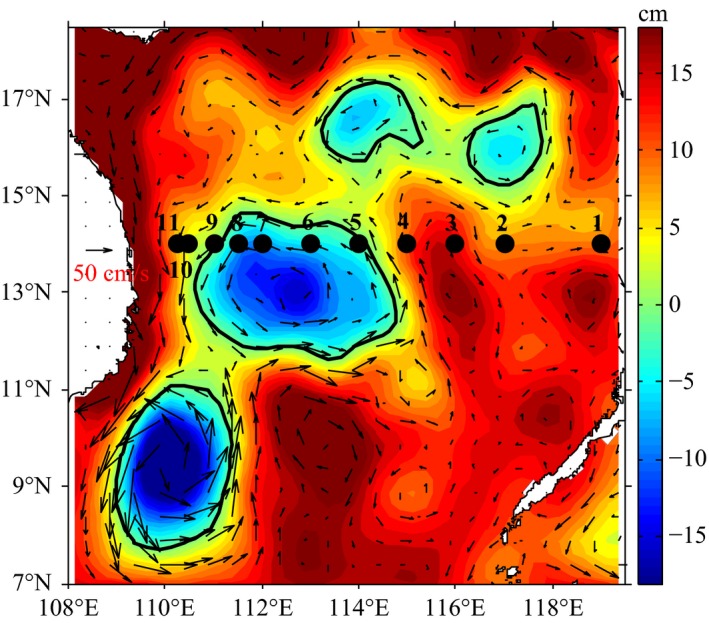
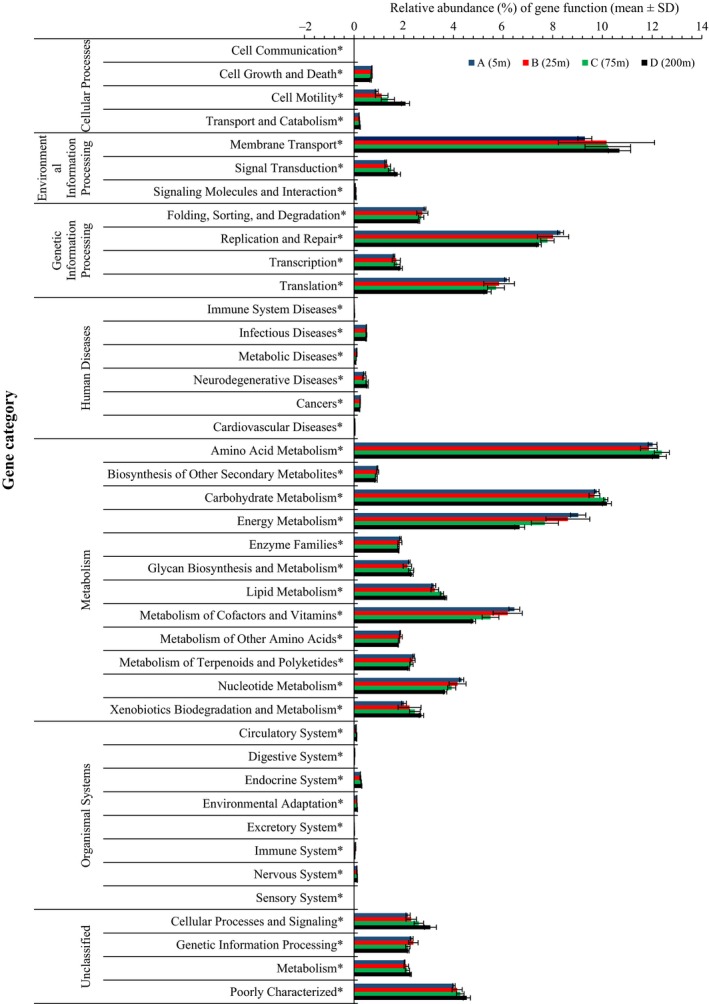
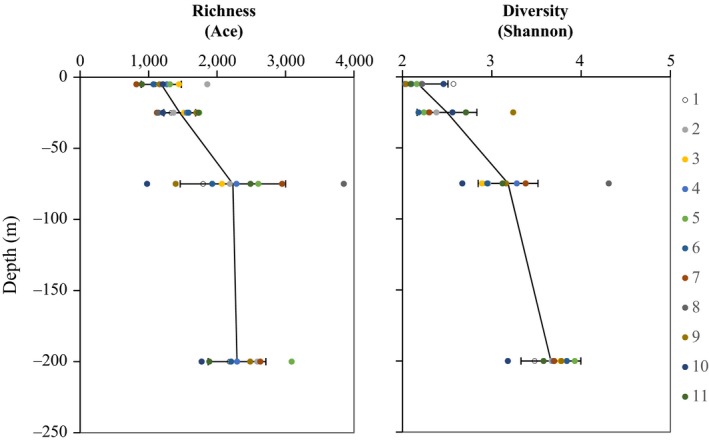
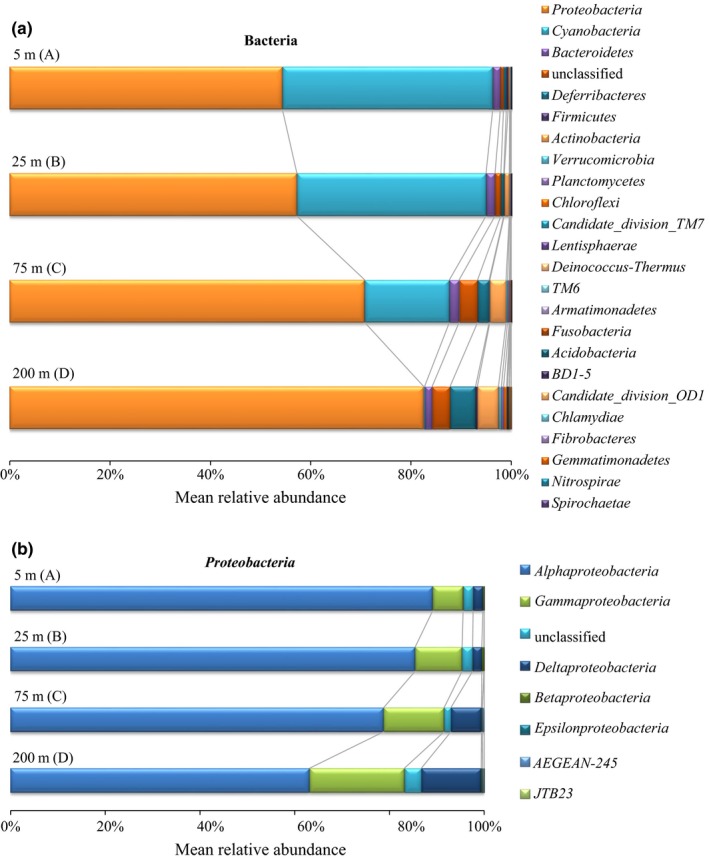
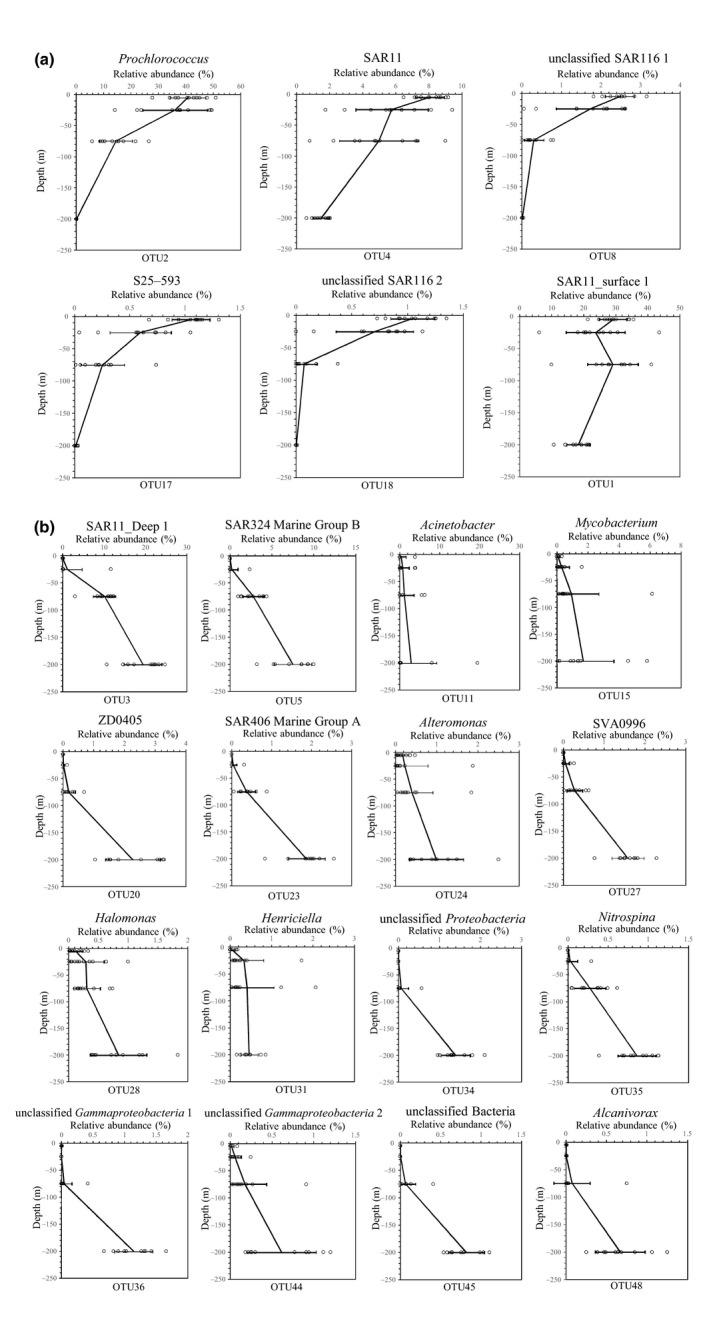
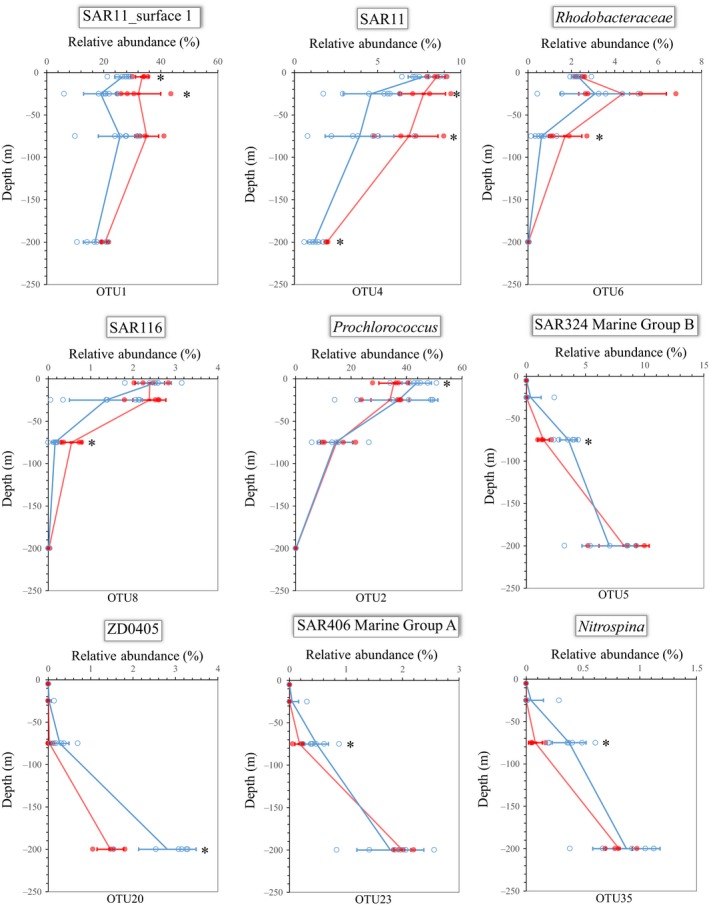
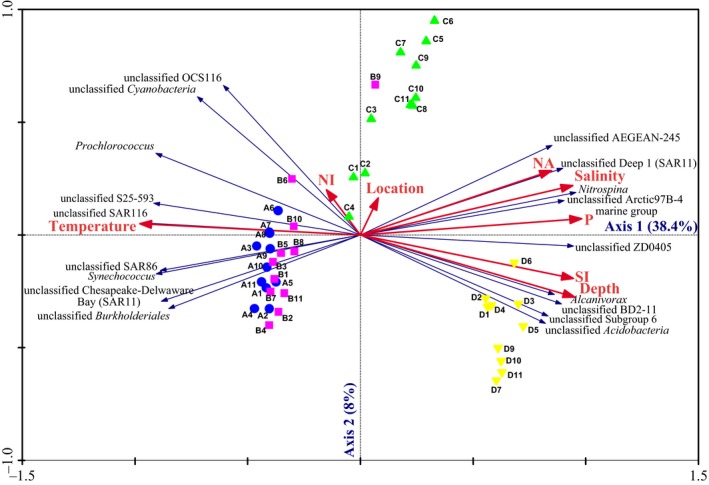
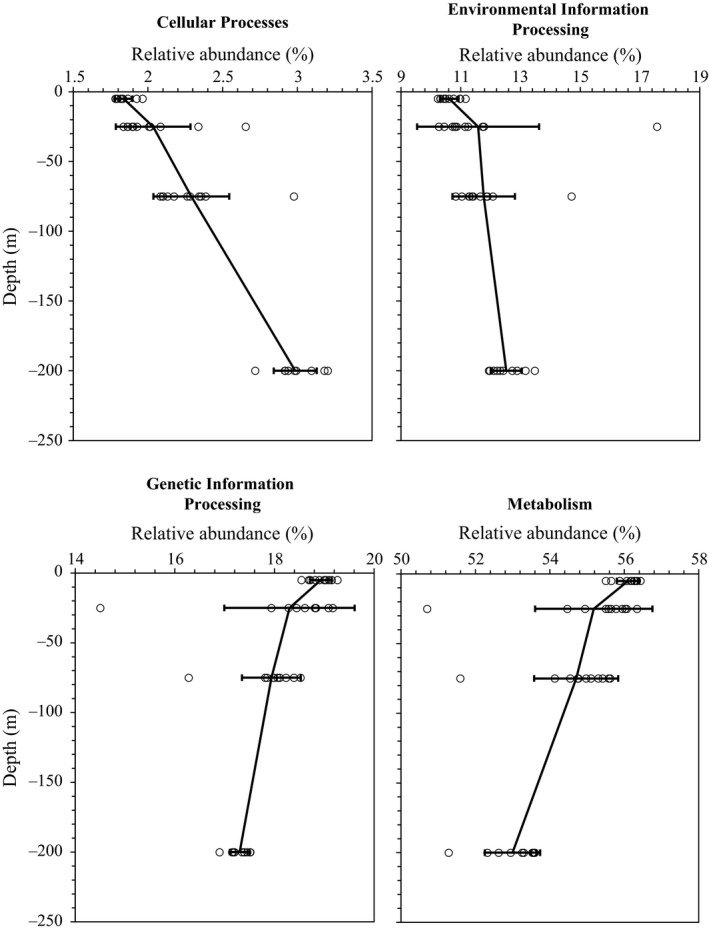
The South China Sea (SCS) is the largest marginal sea in the western tropical Pacific Ocean and is characterized by complex physicochemical environments. To date, the biogeographic patterns of the microbial communities have rarely been reported at a basin scale in the SCS. In this study, the bacterial assemblages inhabiting the epipelagic zone across 110°E to 119°E along 14°N latitude were uncovered. The vertical stratification of both bacterial taxa and their potential functions were revealed. These results suggest that the water depth-specific environment is a driver of the vertical bacterioplankton distribution. Moreover, the bacterial communities were different between the eastern stations and the western stations, where the environmental conditions were distinct. However, the mesoscale eddy did not show an obvious effect on the bacterial community due to the large distance between the sampling site and the center of the eddy. In addition to the water depth and longitudinal location of the samples, the heterogeneity of the phosphate and salinity concentrations also significantly contributed to the variance in the epipelagic bacterial community in the SCS. To the best of our knowledge, this study is the first to report that the variability in epipelagic bacterioplankton is driven by the physicochemical environment at the basin scale in the SCS. Our results emphasize that the ecological significance of bacterioplankton can be better understood by considering the relationship between the biogeographic distribution of bacteria and the oceanic dynamics processes.
南海是西热带太平洋最大的边缘海,其理化环境复杂。迄今为止,南海盆地尺度上微生物群落的生物地理模式鲜有报道。在本研究中,揭示了沿北纬14°从东经110°到119°的上层水体中的细菌群落。揭示了细菌分类群及其潜在功能的垂直分层。这些结果表明,水深特定环境是浮游细菌垂直分布的驱动因素。此外,东部站点和西部站点的细菌群落不同,其环境条件也不同。然而,由于采样点与涡旋中心距离较远,中尺度涡对细菌群落未显示出明显影响。除了样本的水深和纵向位置外,磷酸盐和盐度浓度的异质性也显著导致了南海上层细菌群落的差异。据我们所知,本研究首次报道了南海盆地尺度上上层浮游细菌的变异性受理化环境驱动。我们的结果强调,通过考虑细菌生物地理分布与海洋动力学过程之间的关系,可以更好地理解浮游细菌的生态意义。