Gavila J, Seguí M Á, Calvo L, López T, Alonso J J, Farto M, Sánchez-de la Rosa R
Servicio de Oncología Médica, Fundación Instituto Valenciano de Oncología, Calle del Profesor Beltrán Bàguena, 8, 46009, Valencia, Spain.
Servicio de Oncología Médica, Corporació Sanitaria ParcTaulí, Barcelona, Spain.
Clin Transl Oncol. 2017 Jan;19(1):91-104. doi: 10.1007/s12094-016-1508-y. Epub 2016 Apr 21.
While much progress has been made in the treatment of breast cancer, cardiac complications resulting from therapy remain a significant concern. Both anthracyclines and novel targeted agents can inflict cardiac damage. The present study aimed to evaluate the difference between what it is currently done and what standards of care should be used to minimizing and managing cardiac toxicity in breast cancer survivors.
A two-round multicenter Delphi study was carried out. The panel consisted of 100 oncologists who were asked to define the elected therapies for breast cancer patients, the clinical definition and patterns of cancer drug-derived cardiac toxicity, and those protocols focused on early detection and monitoring of cardiovascular outcomes.
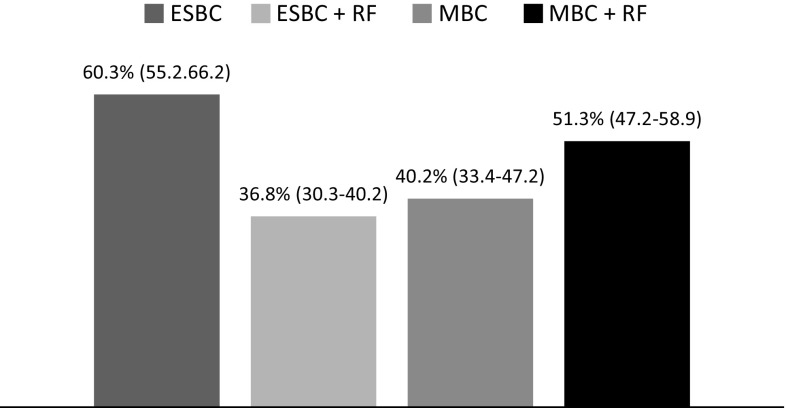
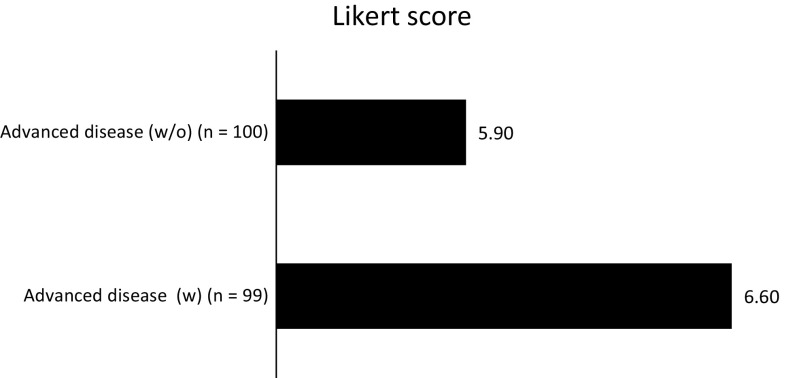
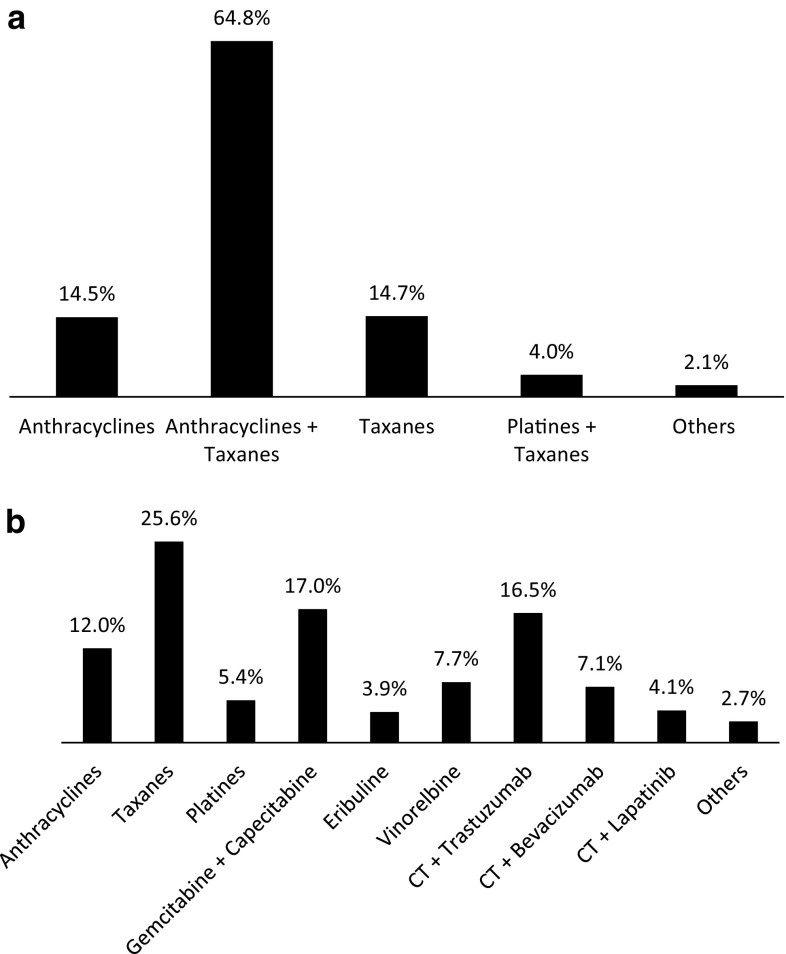
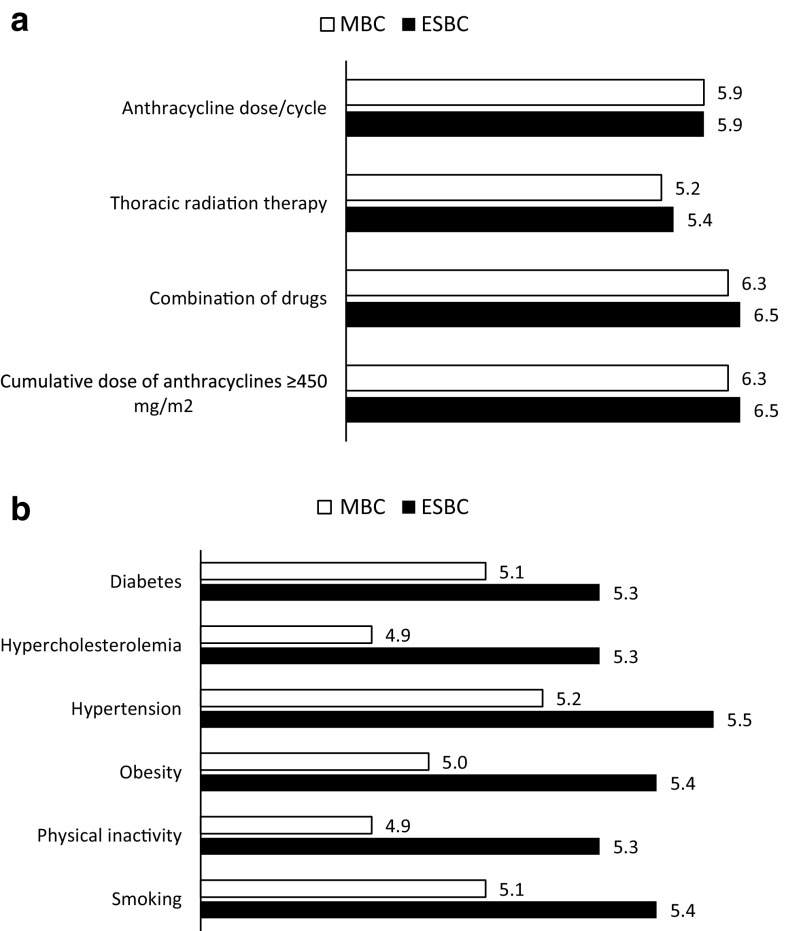
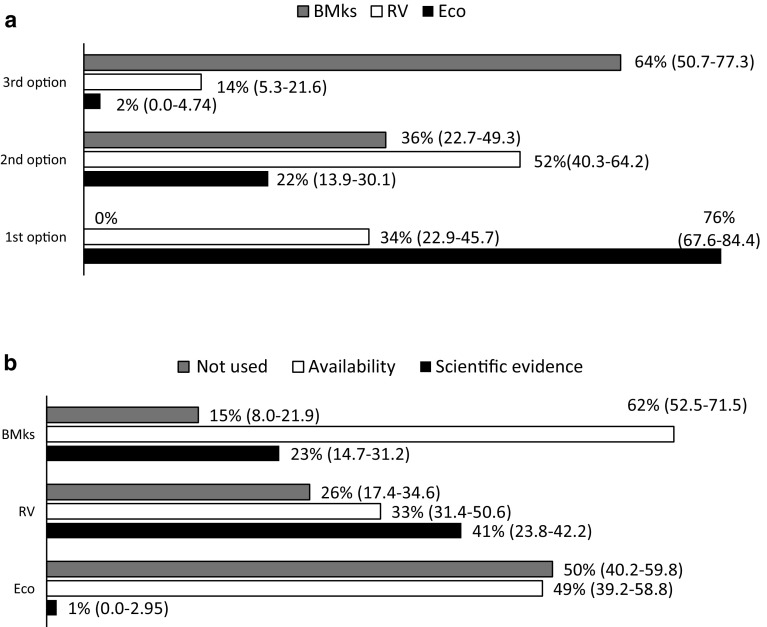
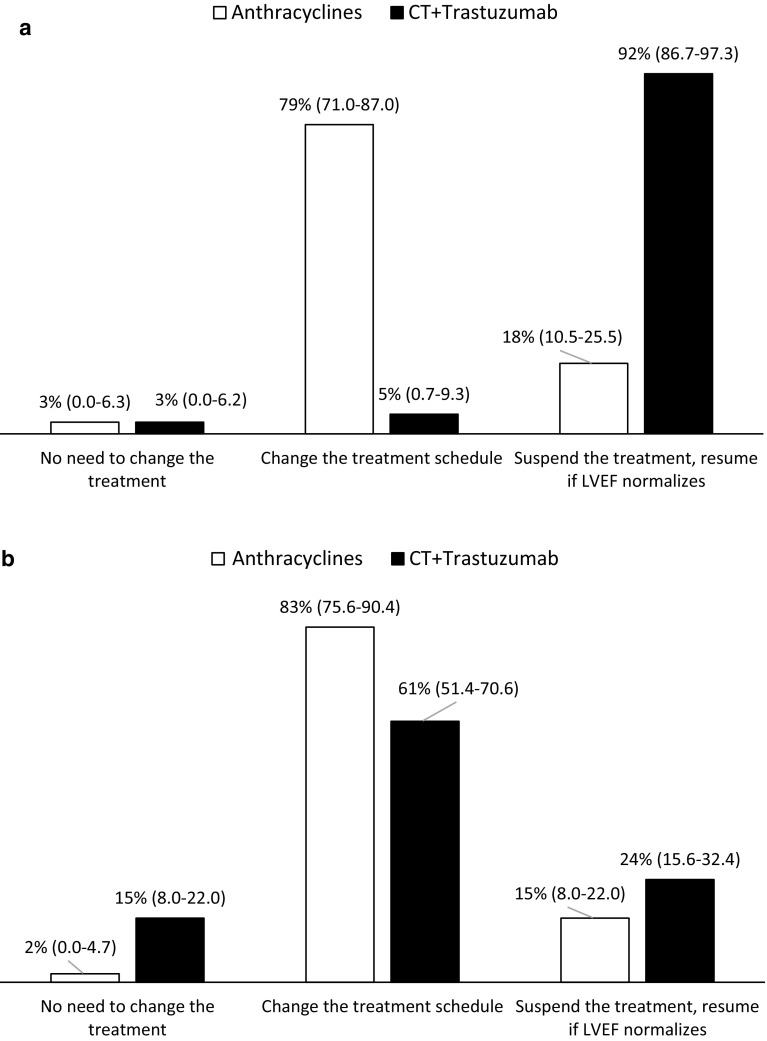
Experts agreed a more recent definition of cardiotoxicity. Around 38 % of patients with early-stage disease, and 51.3 % cases with advanced metastatic breast cancer had preexisting risk factors for cardiotoxicity. Among risk factors, cumulative dose of anthracycline ≥450 mg/m and its combination with other anticancer drugs, and a preexisting cardiovascular disease were considered the best predictors of cardiotoxicity. Echocardiography and radionuclide ventriculography have been the proposed methods for monitoring changes in cardiac structure and function. Breast cancer is generally treated with anthracyclines (80 %), so that the panel strongly stated about the need to plan a strategy to managing cardiotoxicity. A decline of left ventricular ejection fraction (LVEF) >10 %, to an LVEF value <53 % was suggested as a criterion for changing the dose schedule of anthracyclines, or suspending the treatment of chemotherapy plus trastuzumab until the normalization of the left ventricular function. The use of liposomal anthracyclines was strongly suggested as a treatment option for breast cancer patients.
The present report is the first to produce a set of statements on the prevention, evaluation and monitoring of chemotherapy-induced cardiac toxicity in breast cancer patients.
虽然乳腺癌治疗已取得很大进展,但治疗引起的心脏并发症仍是一个重大问题。蒽环类药物和新型靶向药物均可导致心脏损害。本研究旨在评估目前的做法与用于最小化和管理乳腺癌幸存者心脏毒性的护理标准之间的差异。
开展了两轮多中心德尔菲研究。该小组由100名肿瘤学家组成,他们被要求确定乳腺癌患者的选定治疗方法、癌症药物所致心脏毒性的临床定义和模式,以及那些侧重于心血管结局早期检测和监测的方案。
专家们认可了关于心脏毒性的最新定义。约38%的早期疾病患者和51.3%的晚期转移性乳腺癌患者存在心脏毒性的既往危险因素。在危险因素中,蒽环类药物累积剂量≥450mg/m及其与其他抗癌药物的联合使用,以及既往存在的心血管疾病被认为是心脏毒性的最佳预测因素。超声心动图和放射性核素心室造影已被提议作为监测心脏结构和功能变化的方法。乳腺癌通常采用蒽环类药物治疗(80%),因此该小组强烈指出需要制定一项管理心脏毒性的策略。左心室射血分数(LVEF)下降>10%,至LVEF值<53%,被建议作为改变蒽环类药物剂量方案或暂停化疗加曲妥珠单抗治疗直至左心室功能恢复正常的标准。强烈建议将脂质体蒽环类药物用作乳腺癌患者的治疗选择。
本报告首次就乳腺癌患者化疗所致心脏毒性的预防、评估和监测提出了一系列声明。