McDonnell Fiona, Irnaten Mustapha, Clark Abbot F, O'Brien Colm J, Wallace Deborah M
School of Medicine and Medical Science, University College Dublin, Dublin 4, Ireland.
Dept. Ophthalmology, Mater Misericordiae University Hospital, Dublin 7, Ireland.
PLoS One. 2016 Apr 28;11(4):e0153354. doi: 10.1371/journal.pone.0153354. eCollection 2016.
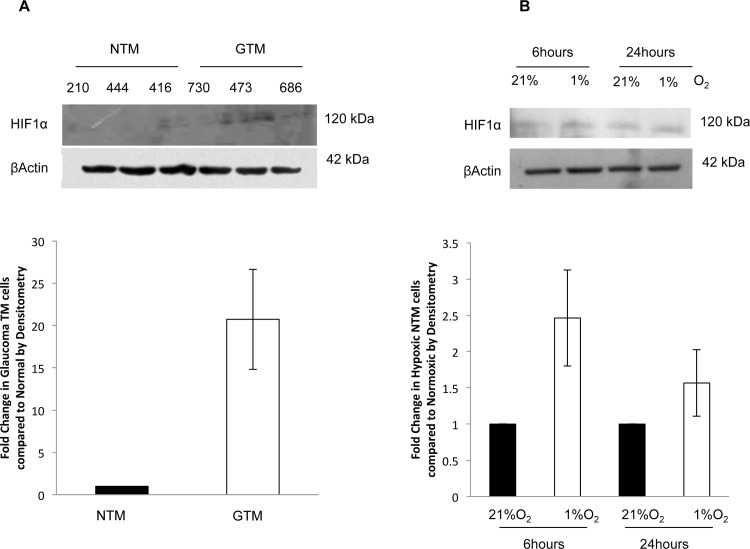
Fibrosis and a hypoxic environment are associated with the trabecular meshwork (TM) region in the blinding disease glaucoma. Hypoxia has been shown to alter DNA methylation, an epigenetic mechanism involved in regulating gene expression such as the pro-fibrotic transforming growth factor (TGF) β1 and the anti-fibrotic Ras protein activator like 1 (RASAL1). The purpose of this study was to compare DNA methylation levels, and the expression of TGFβ1 and RASAL1 in primary human normal (NTM) with glaucomatous (GTM) cells and in NTM cells under hypoxic conditions.
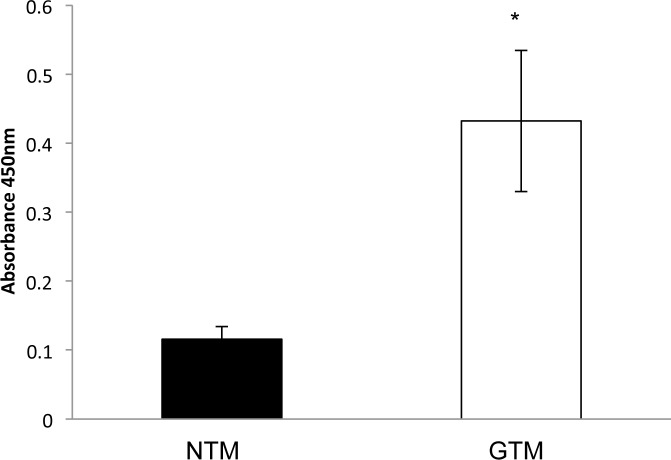
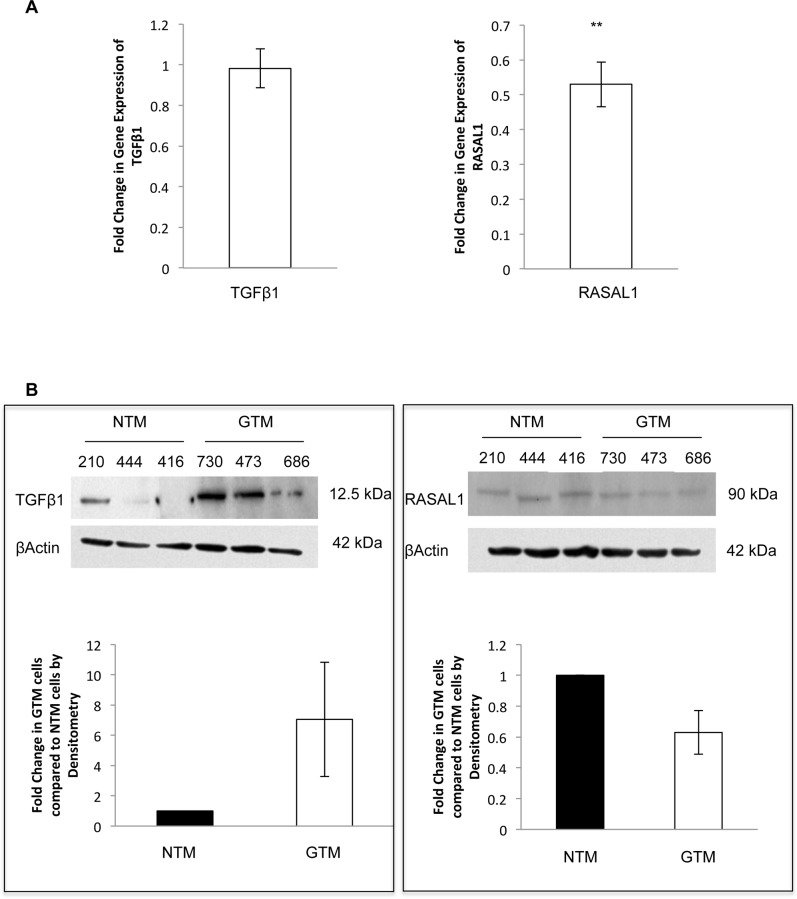
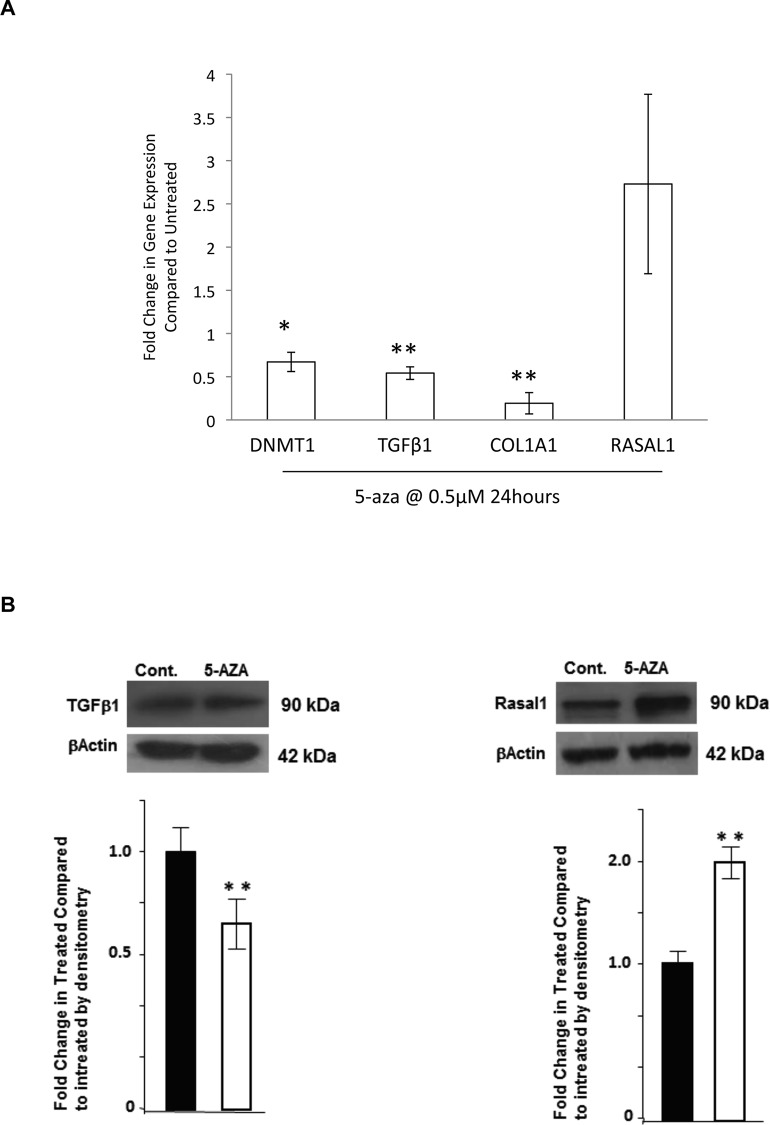
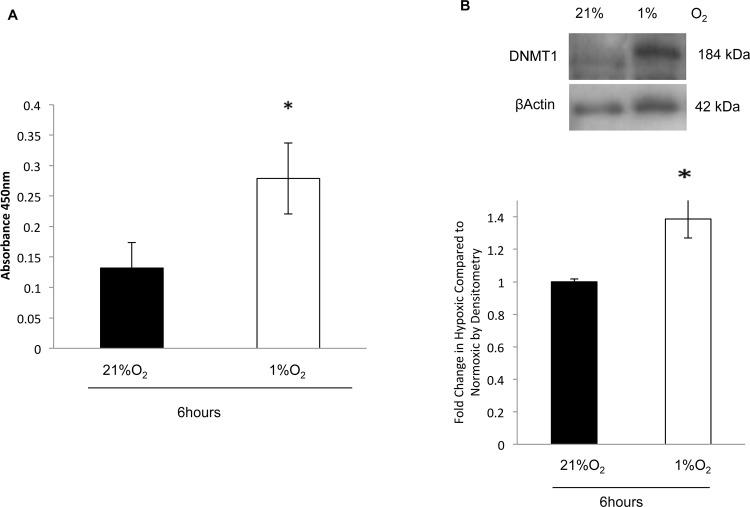
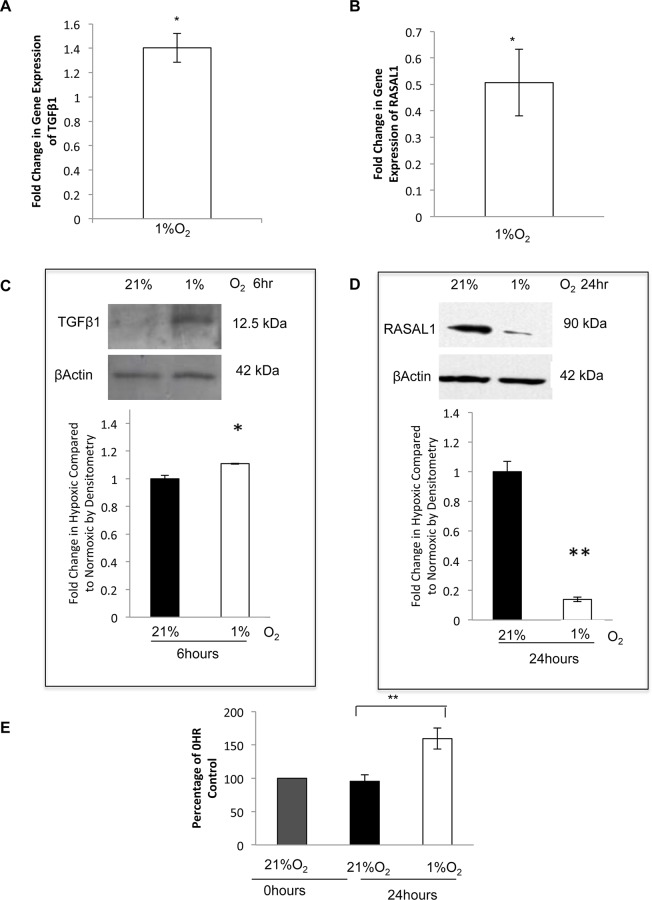
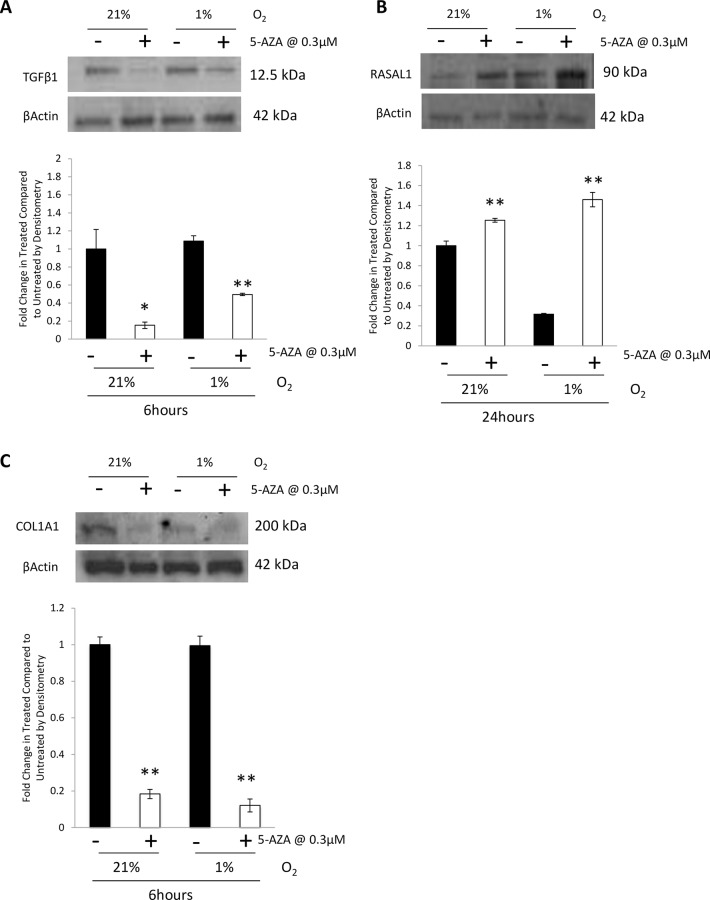
Global DNA methylation was assessed by ELISA in cultured age-matched NTM and GTM cells. qPCR was conducted for TGFβ1, collagen 1α1 (COL1A1), and RASAL1 expression. Western immunoblotting was used to determine protein expression. For hypoxia experiments, NTM cells were cultured in a 1%O2, 5%CO2 and 37°C environment. NTM and GTM cells were treated with TGFβ1 (10ng/ml) and the methylation inhibitor 5-azacytidine (5-aza) (0.5μM) respectively to determine their effects on DNA Methyltransferase 1 (DNMT1) and RASAL1 expression.
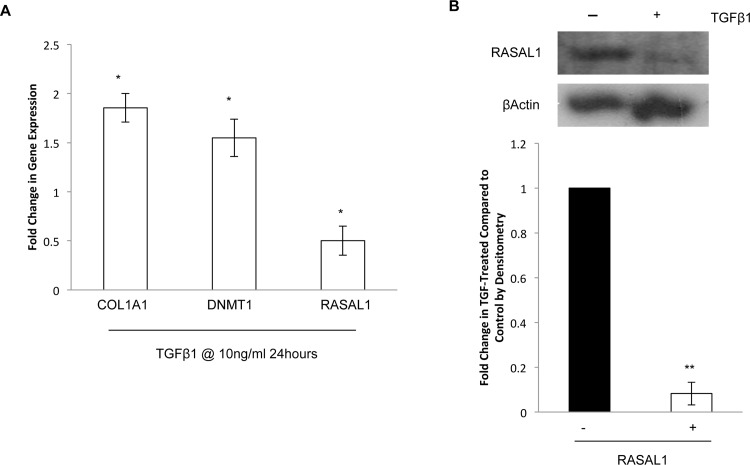
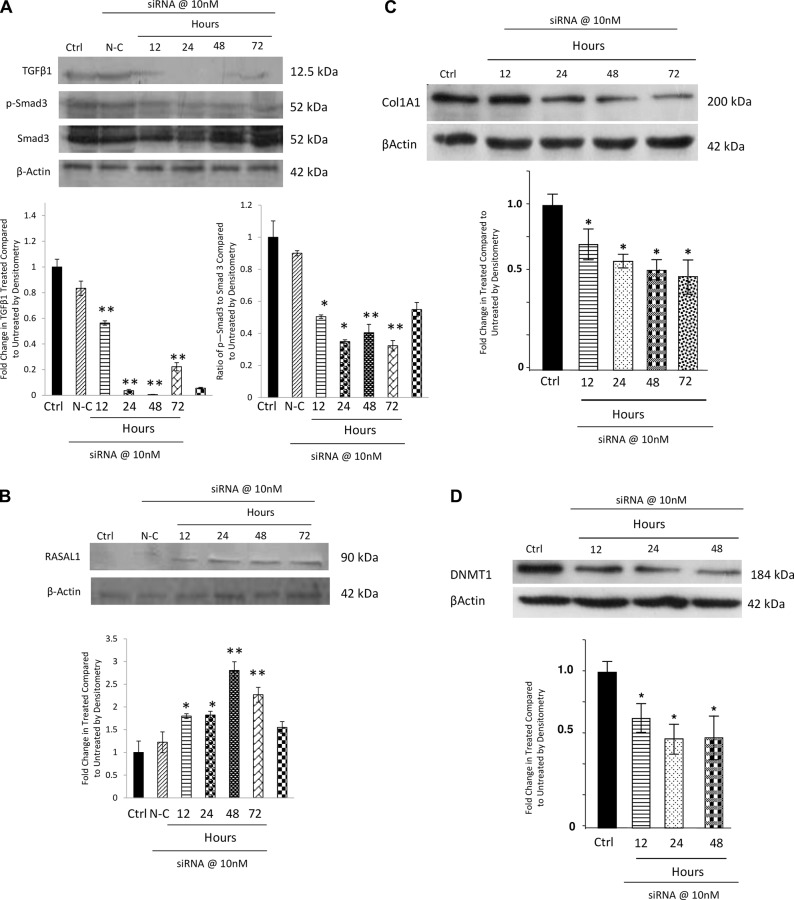
We found increased DNA methylation, increased TGFβ1 expression and decreased RASAL1 expression in GTM cells compared to NTM cells. Similar results were obtained in NTM cells under hypoxic conditions. TGFβ1 treatment increased DNMT1 and COL1A1, and decreased RASAL1 expression in NTM cells. 5-aza treatment decreased DNMT1, TGFβ1 and COL1A1 expression, and increased RASAL1 expression in GTM cells.
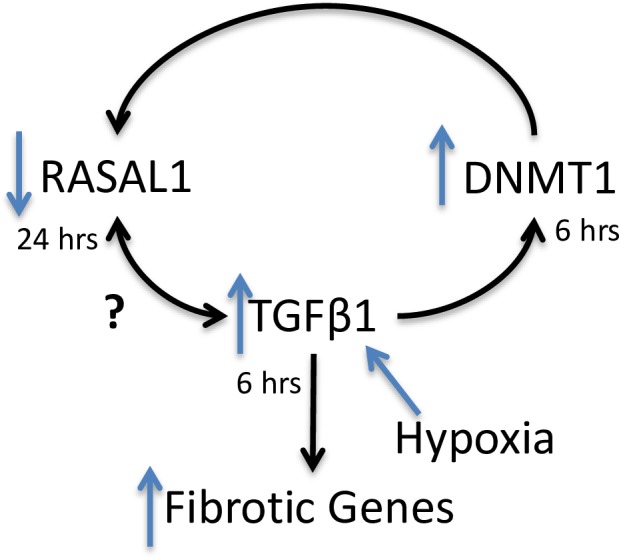
TGFβ1 and RASAL1 expression, global DNA methylation, and expression of associated methylation enzymes were altered between NTM and GTM cells. We found that hypoxia in NTM cells induced similar results to the GTM cells. Furthermore, DNA methylation, TGFβ1 and RASAL1 appear to have an interacting relationship that may play a role in driving pro-fibrotic disease progression in the glaucomatous TM.
在致盲性疾病青光眼的小梁网(TM)区域中,纤维化和低氧环境与之相关。低氧已被证明可改变DNA甲基化,这是一种参与调节基因表达的表观遗传机制,如促纤维化的转化生长因子(TGF)β1和抗纤维化的Ras蛋白激活剂1(RASAL1)。本研究的目的是比较原代人正常(NTM)与青光眼(GTM)细胞以及低氧条件下NTM细胞中DNA甲基化水平、TGFβ1和RASAL1的表达。
通过ELISA评估培养的年龄匹配的NTM和GTM细胞中的整体DNA甲基化。对TGFβ1、胶原蛋白1α1(COL1A1)和RASAL1的表达进行qPCR。使用蛋白质免疫印迹法测定蛋白质表达。对于低氧实验,将NTM细胞培养在1%O2、5%CO2和37°C的环境中。分别用TGFβ1(10ng/ml)和甲基化抑制剂5-氮杂胞苷(5-aza)(0.5μM)处理NTM和GTM细胞,以确定它们对DNA甲基转移酶1(DNMT1)和RASAL1表达的影响。
我们发现,与NTM细胞相比,GTM细胞中的DNA甲基化增加、TGFβ1表达增加且RASAL1表达降低。在低氧条件下的NTM细胞中也获得了类似的结果。TGFβ1处理增加了NTM细胞中的DNMT1和COL1A1,并降低了RASAL1表达。5-aza处理降低了GTM细胞中的DNMT1、TGFβ1和COL1A1表达,并增加了RASAL1表达。
NTM和GTM细胞之间TGFβ1和RASAL1的表达、整体DNA甲基化以及相关甲基化酶的表达发生了改变。我们发现NTM细胞中的低氧诱导了与GTM细胞相似的结果。此外,DNA甲基化、TGFβ1和RASAL1似乎存在相互作用关系,这可能在青光眼性TM的促纤维化疾病进展中起作用。