McDiarmid Adam K, Pellicori Pierpaolo, Cleland John G, Plein Sven
Multidisciplinary Cardiovascular Research Centre & Division of Biomedical Imaging, Leeds Institute of Cardiovascular and Metabolic Medicine, University of Leeds, Leeds LS2 9JT, UK.
Academic Cardiology Unit, University of Hull, Castle Hill Hospital, Kingston upon Hull, UK.
Eur Heart J. 2017 Apr 1;38(13):942-954. doi: 10.1093/eurheartj/ehw140.
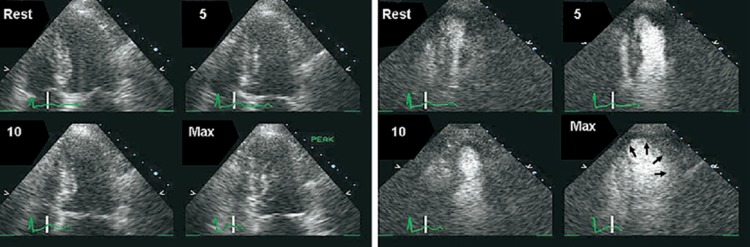
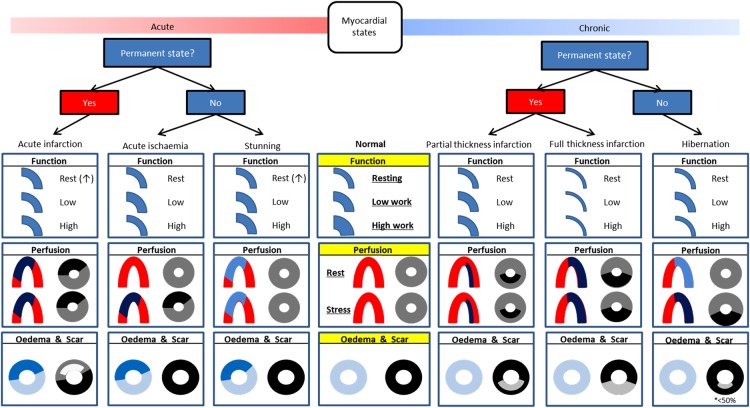
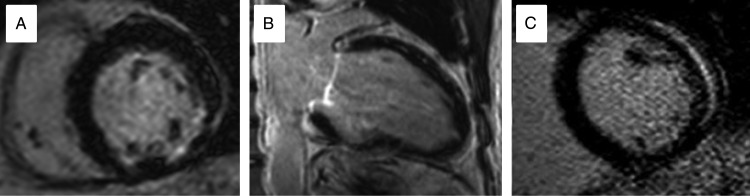
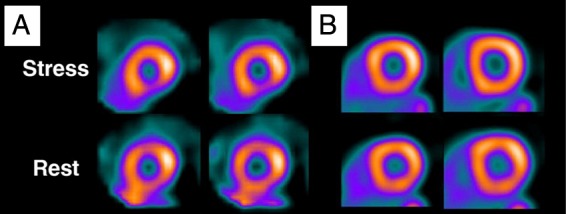
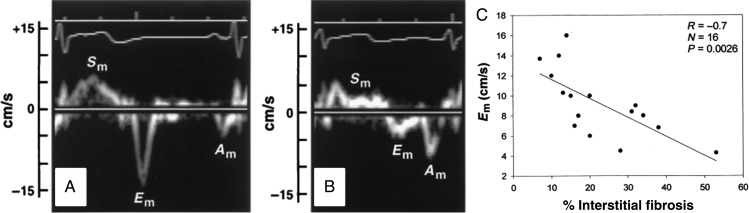
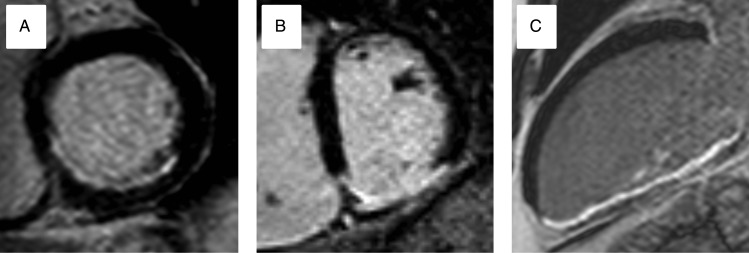
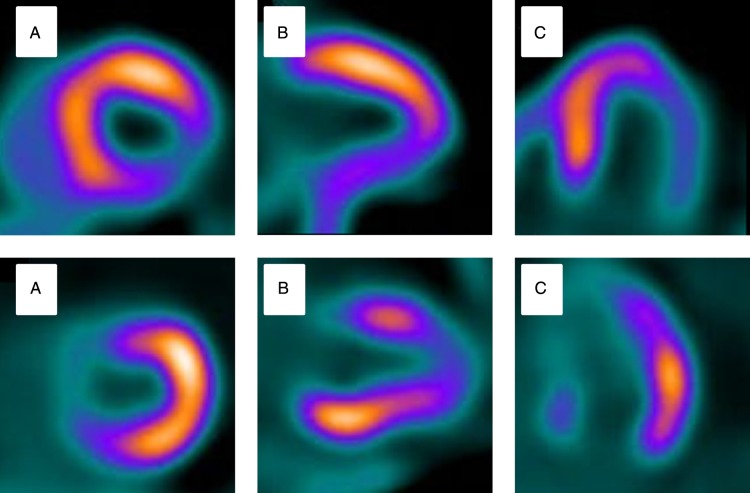
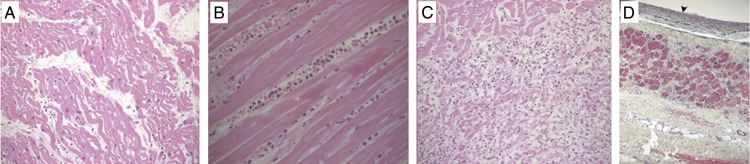
The terms used to describe different states of myocardial health and disease are poorly defined. Imprecision and inconsistency in nomenclature can lead to difficulty in interpreting and applying trial outcomes to clinical practice. In particular, the terms 'viable' and 'hibernating' are commonly applied interchangeably and incorrectly to myocardium that exhibits chronic contractile dysfunction in patients with ischaemic heart disease. The range of inherent differences amongst imaging modalities used to define myocardial health and disease add further challenges to consistent definitions. The results of several large trials have led to renewed discussion about the classification of dysfunctional myocardial segments. This article aims to describe the diverse myocardial pathologies that may affect the myocardium in ischaemic heart disease and cardiomyopathy, and how they may be assessed with non-invasive imaging techniques in order to provide a taxonomy of myocardial dysfunction.
用于描述心肌健康和疾病不同状态的术语定义不明确。命名的不精确和不一致会导致在将试验结果解释并应用于临床实践时出现困难。特别是,“存活心肌”和“冬眠心肌”这两个术语通常被互换且错误地应用于患有缺血性心脏病且表现出慢性收缩功能障碍的心肌。用于定义心肌健康和疾病的成像方式之间存在一系列内在差异,这给统一的定义带来了更多挑战。几项大型试验的结果引发了关于功能失调心肌节段分类的新一轮讨论。本文旨在描述可能影响缺血性心脏病和心肌病中心肌的各种心肌病变,以及如何通过非侵入性成像技术对其进行评估,以便提供心肌功能障碍的分类法。