Cheng Chiao-Pei, Huang Li-Chun, Chang Yung-Lung, Hsieh Ching-Hsuan, Huang Shih-Ming, Hueng Dueng-Yuan
Graduate Institute of Medical Sciences, National Defense Medical Center, Taipei, Taiwan, ROC.
Department of Anesthesiology, Tri-Service General Hospital, National Defense Medical Center, Taipei, Taiwan, ROC.
Oncotarget. 2016 Jul 5;7(27):41460-41472. doi: 10.18632/oncotarget.9190.
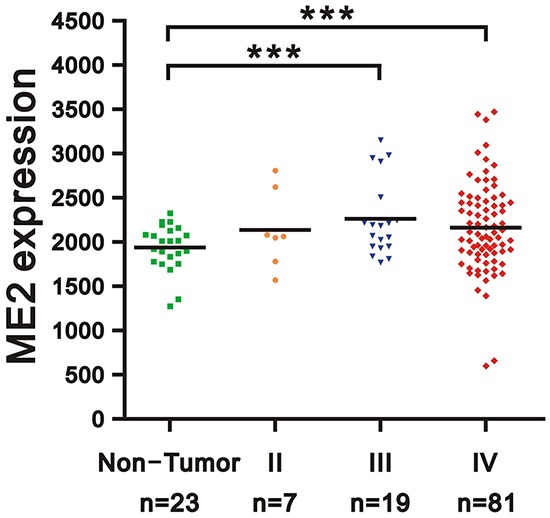
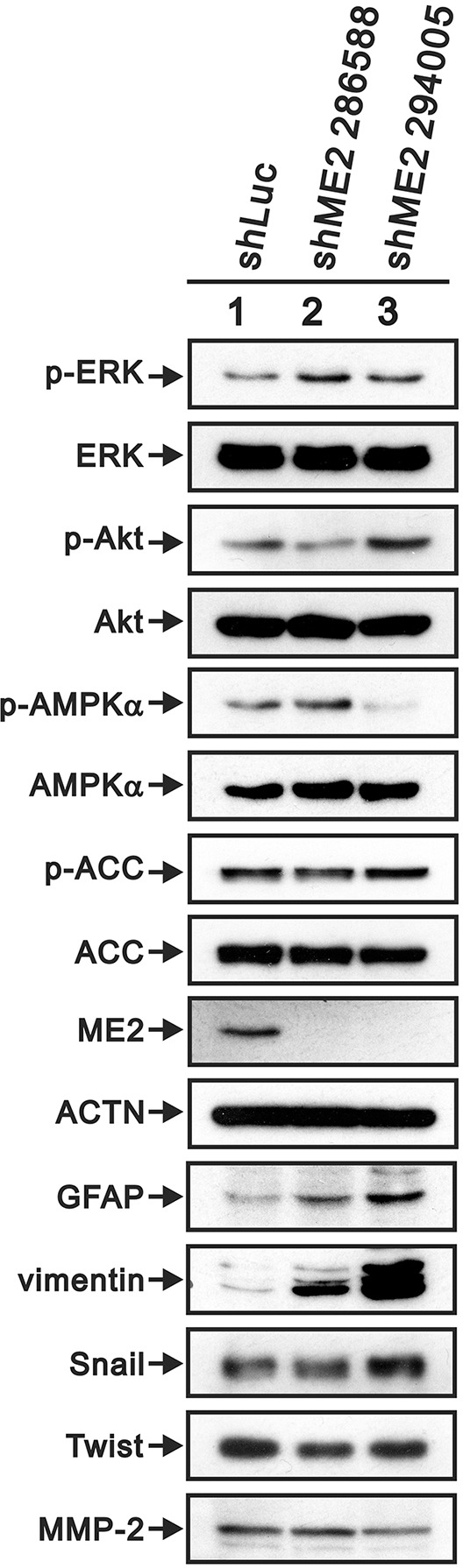
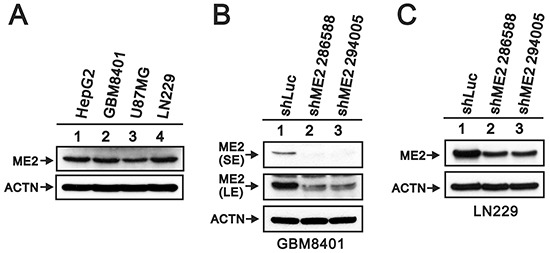
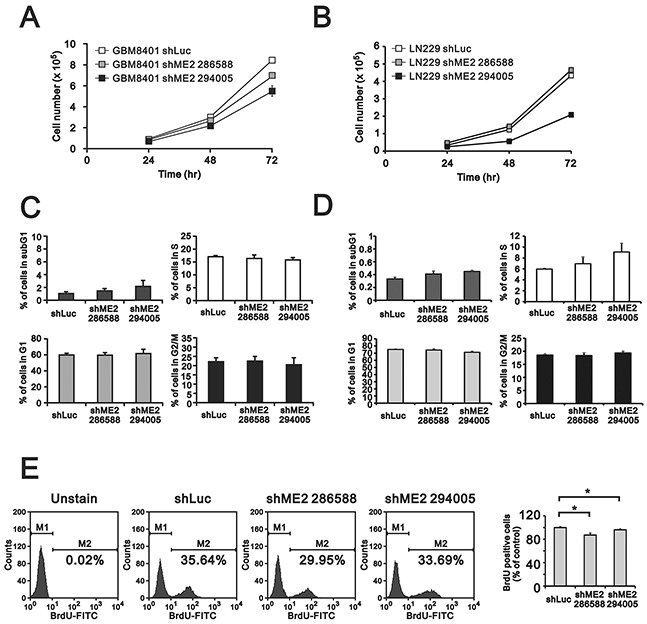
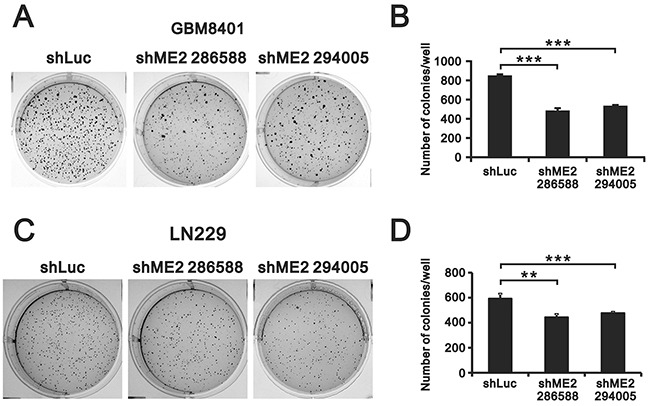
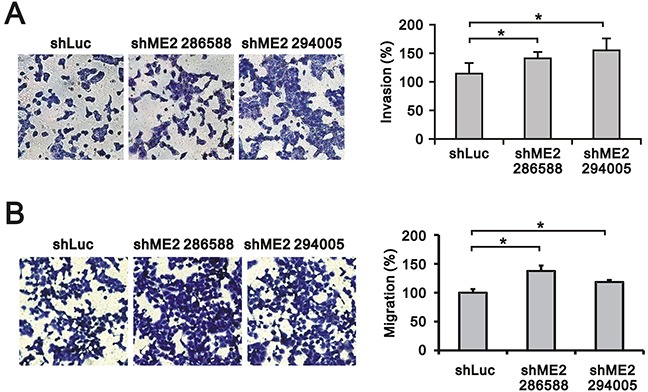
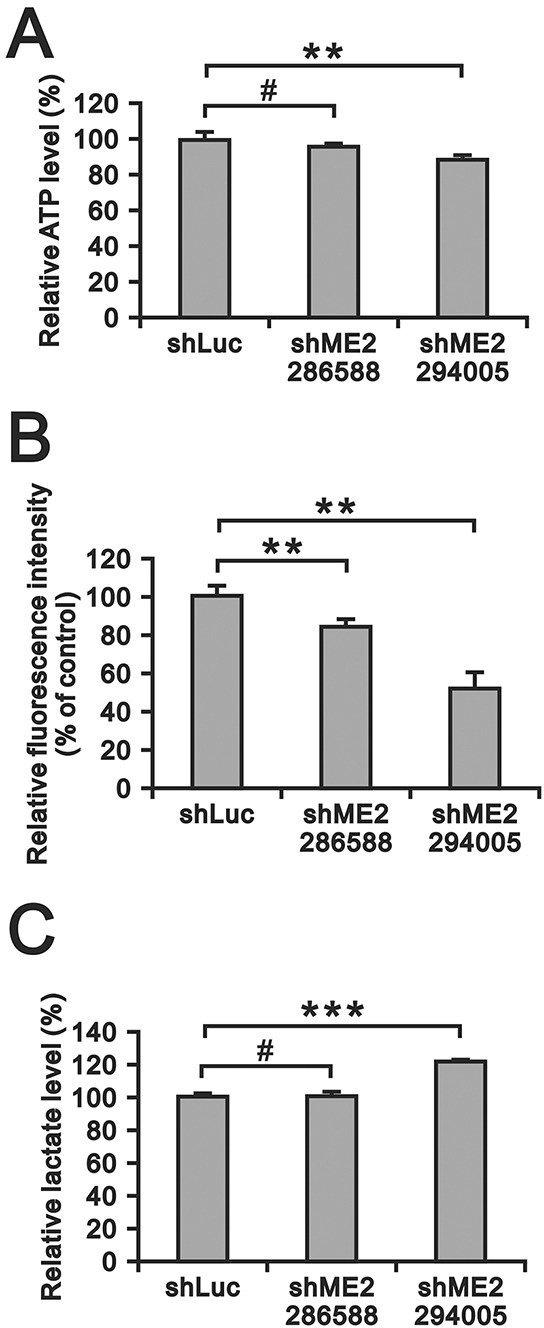
The high level of resistance of glioblastoma multiforme (GBM) to currently used chemotherapies and other conventional therapies, its invasive characteristics and the presence of stem-like cells are the major factors that make the treatment of GBM difficult. Recent studies have demonstrated that the homeostasis of energy metabolism, glycolysis and mitochondrial oxidation of glucose are important for GBM cell growth and chemo-resistance. However, it is not clear which specific gene(s) are involved in the homeostasis of energy metabolism and invasiveness of GBM cells. We performed a preliminary analysis of data obtained from Gene Expression Omnibus profiles and determined that malic enzyme 2 (ME2) expression was positively associated with WHO grade in human primary gliomas. Hence, we evaluated the detailed working mechanisms of ME2 in human GBM cell processes, including proliferation, cell cycle, invasion, migration, ROS, and ATP production. Our data demonstrated that ME2 was involved in GBM growth, invasion and migration. ME2 has two cofactors, NAD+ or NADP+, which are used to produce NADH and NADPH for ATP production and ROS clearance, respectively. If the catalytic activity of ME2 is determined to be critical for its roles in GBM growth, invasion and migration, small molecule inhibitors of ME2 may be valuable drugs for GBM therapy. We hope that our current data provides a candidate treatment strategy for GBM.
多形性胶质母细胞瘤(GBM)对目前使用的化疗及其他传统疗法具有高度抗性,其侵袭性特征以及干细胞样细胞的存在是导致GBM治疗困难的主要因素。最近的研究表明,能量代谢的稳态、糖酵解和葡萄糖的线粒体氧化对GBM细胞的生长和化疗抗性很重要。然而,尚不清楚哪些特定基因参与GBM细胞能量代谢和侵袭性的稳态。我们对从基因表达综合数据库(Gene Expression Omnibus)图谱获得的数据进行了初步分析,确定苹果酸酶2(ME2)的表达与人类原发性胶质瘤的世界卫生组织(WHO)分级呈正相关。因此,我们评估了ME2在人类GBM细胞过程中的详细作用机制,包括增殖、细胞周期、侵袭、迁移、活性氧(ROS)和三磷酸腺苷(ATP)生成。我们的数据表明,ME2参与了GBM的生长、侵袭和迁移。ME2有两个辅助因子,即烟酰胺腺嘌呤二核苷酸(NAD+)或烟酰胺腺嘌呤二核苷酸磷酸(NADP+),分别用于生成还原型辅酶Ⅰ(NADH)和还原型辅酶Ⅱ(NADPH)以产生ATP和清除ROS。如果确定ME2的催化活性对其在GBM生长、侵袭和迁移中的作用至关重要,那么ME2的小分子抑制剂可能是GBM治疗中有价值的药物。我们希望我们目前的数据能为GBM提供一种候选治疗策略。