Zhang Yanhua, Walker Janelle Buttry, Minic Zeljka, Liu Fangchao, Goshgarian Harry, Mao Guangzhao
Department of Chemical Engineering and Materials Science, Wayne State University, 5050 Anthony Wayne Drive, Detroit, MI 48202, USA.
Department of Anatomy and Cell Biology, Wayne State University, 540 E Canfield St, Detroit, MI 48201, USA.
Sci Rep. 2016 May 16;6:25794. doi: 10.1038/srep25794.
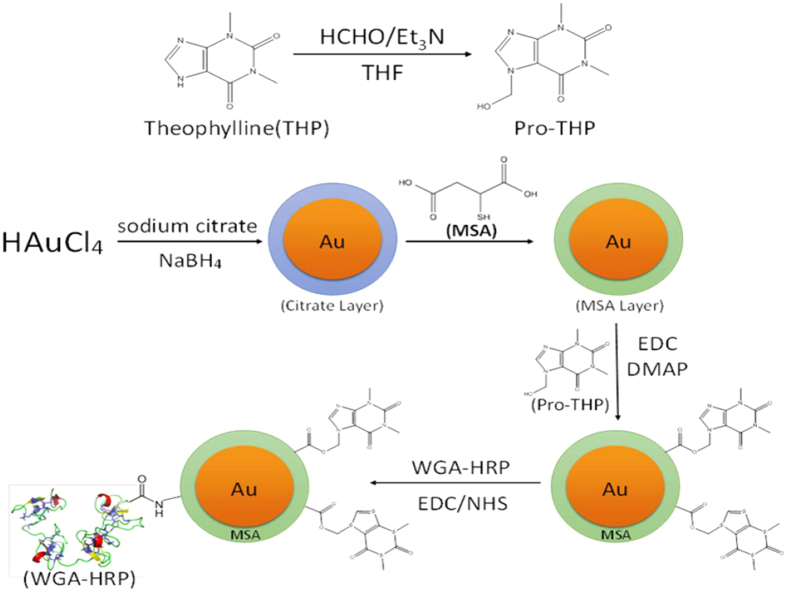
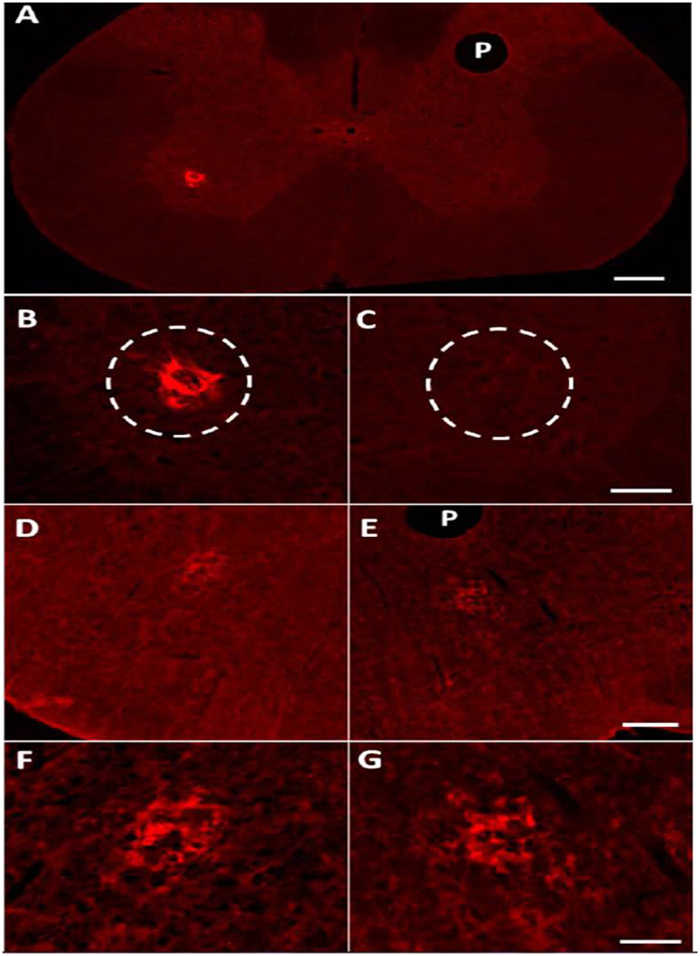
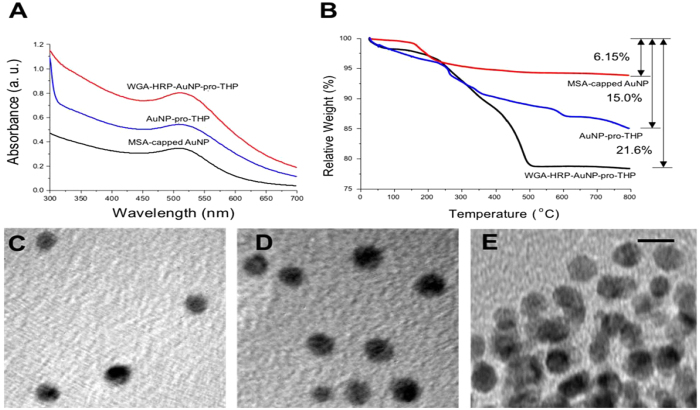
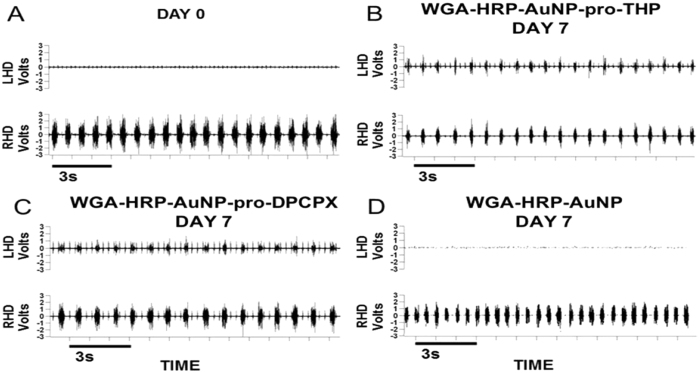
Drug delivery to the central nervous system (CNS) is challenging due to the inability of many drugs to cross the blood-brain barrier (BBB). Here, we show that wheat germ agglutinin horse radish peroxidase (WGA-HRP) chemically conjugated to gold nanoparticles (AuNPs) can be transported to the spinal cord and brainstem following intramuscular injection into the diaphragm of rats. We synthesized and determined the size and chemical composition of a three-part nanoconjugate consisting of WGA-HRP, AuNPs, and drugs for the treatment of diaphragm paralysis associated with high cervical spinal cord injury (SCI). Upon injection into the diaphragm muscle of rats, we show that the nanoconjugate is capable of delivering the drug at a much lower dose than the unconjugated drug injected systemically to effectively induce respiratory recovery in rats following SCI. This study not only demonstrates a promising strategy to deliver drugs to the CNS bypassing the BBB but also contributes a potential nanotherapy for the treatment of respiratory muscle paralysis resulted from cervical SCI.
由于许多药物无法穿过血脑屏障(BBB),向中枢神经系统(CNS)给药具有挑战性。在此,我们表明,化学偶联到金纳米颗粒(AuNPs)上的麦胚凝集素辣根过氧化物酶(WGA-HRP)在大鼠膈肌内进行肌肉注射后可被转运至脊髓和脑干。我们合成并确定了一种由WGA-HRP、AuNPs和用于治疗与高位颈脊髓损伤(SCI)相关的膈肌麻痹的药物组成的三部分纳米偶联物的大小和化学成分。在将其注射到大鼠的膈肌中后,我们发现该纳米偶联物能够以比全身注射未偶联药物低得多的剂量给药,从而有效诱导SCI大鼠的呼吸恢复。这项研究不仅展示了一种绕过血脑屏障向中枢神经系统给药的有前景的策略,也为治疗颈髓损伤导致的呼吸肌麻痹贡献了一种潜在的纳米疗法。