Cell and Molecular Biology Program, Department of Clinical Sciences, Colorado State University, Fort Collins, CO, USA.
Flint Animal Cancer Center, Veterinary Medical Center, Colorado State University, Fort Collins, CO, USA.
Vet Comp Oncol. 2017 Jun;15(2):481-492. doi: 10.1111/vco.12192. Epub 2016 May 19.
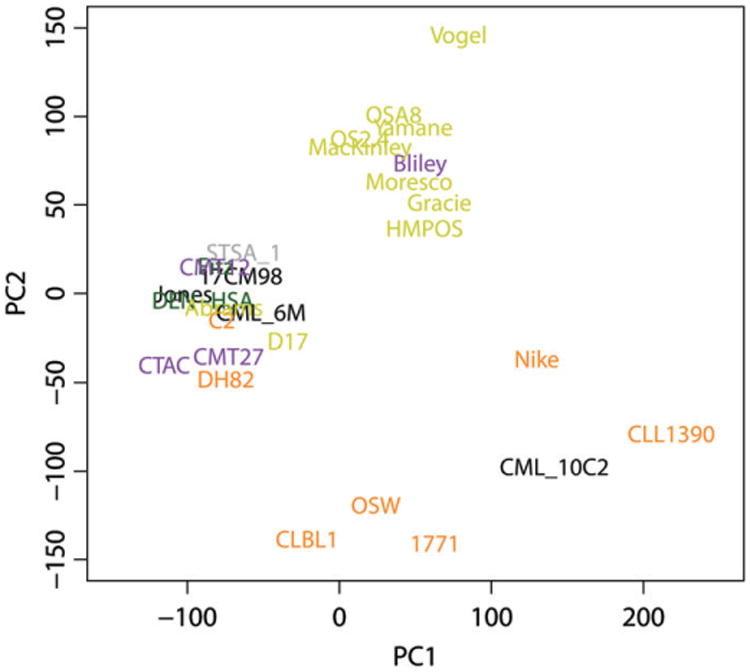
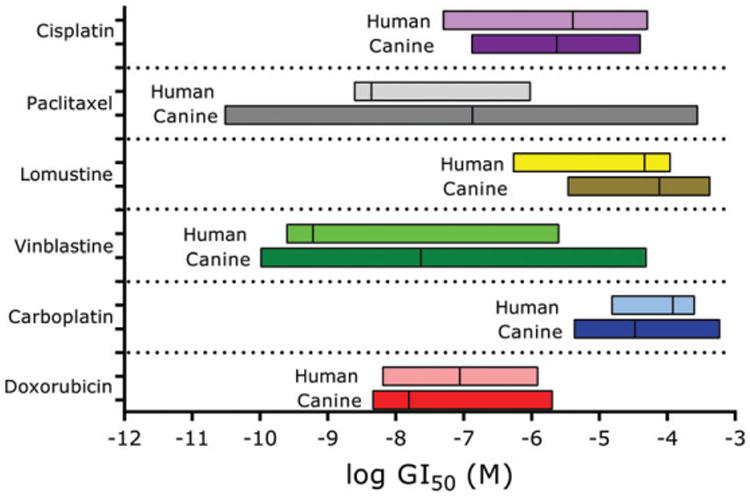
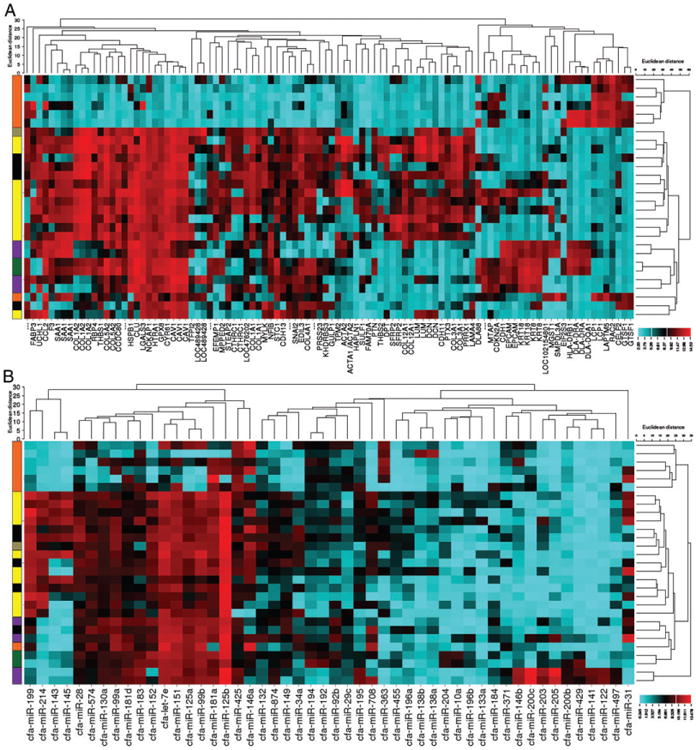
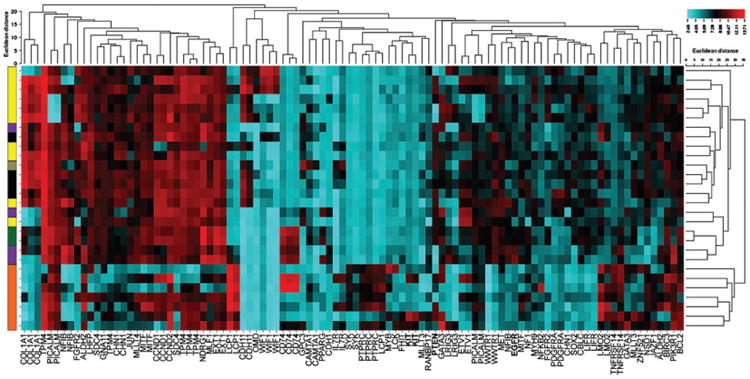
Mammalian cell tissue culture has been a critical tool leading to our current understanding of cancer including many aspects of cellular transformation, growth and response to therapies. The current use of large panels of cell lines with associated phenotypic and genotypic information now allows for informatics approaches and in silico screens to rapidly test hypotheses based on simple as well as complex relationships. Current cell line panels with large amounts of associated drug sensitivity and genomics data are comprised of human cancer cell lines (i.e. NCI60 and GDSC). There is increased recognition of the contribution of canine cancer to comparative cancer research as a spontaneous large animal model with application in basic and translational studies. We have assembled a panel of canine cancer cell lines to facilitate studies in canine cancer and report here phenotypic and genotypic data associated with these cells.
哺乳动物细胞组织培养一直是我们目前对癌症的理解的重要工具,包括细胞转化、生长和对治疗反应的许多方面。目前使用具有表型和基因型信息的大量细胞系面板,现在允许基于简单和复杂关系的信息学方法和计算机屏幕快速测试假设。目前包含大量相关药物敏感性和基因组学数据的细胞系面板由人类癌细胞系(即 NCI60 和 GDSC)组成。人们越来越认识到犬类癌症作为一种具有基础和转化研究应用的自发大型动物模型对比较癌症研究的贡献。我们已经组装了一组犬癌细胞系,以促进犬类癌症的研究,并在此报告与这些细胞相关的表型和基因型数据。