Narayan K M Venkat
Emory Global Diabetes Research Center, Hubert Department of Global Health, Rollins School of Public Health, and Department of Medicine, School of Medicine, Emory University, Atlanta, GA
Diabetes Care. 2016 May;39(5):653-63. doi: 10.2337/dc16-0205.
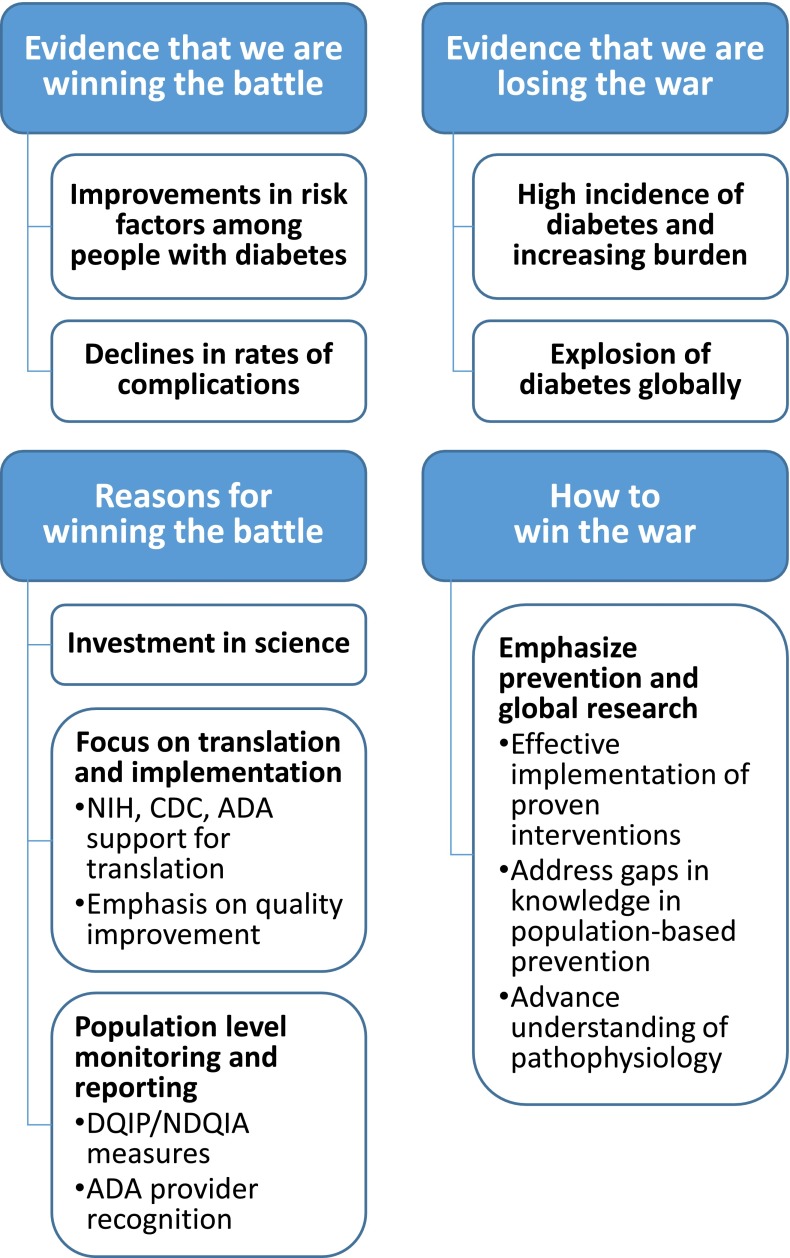
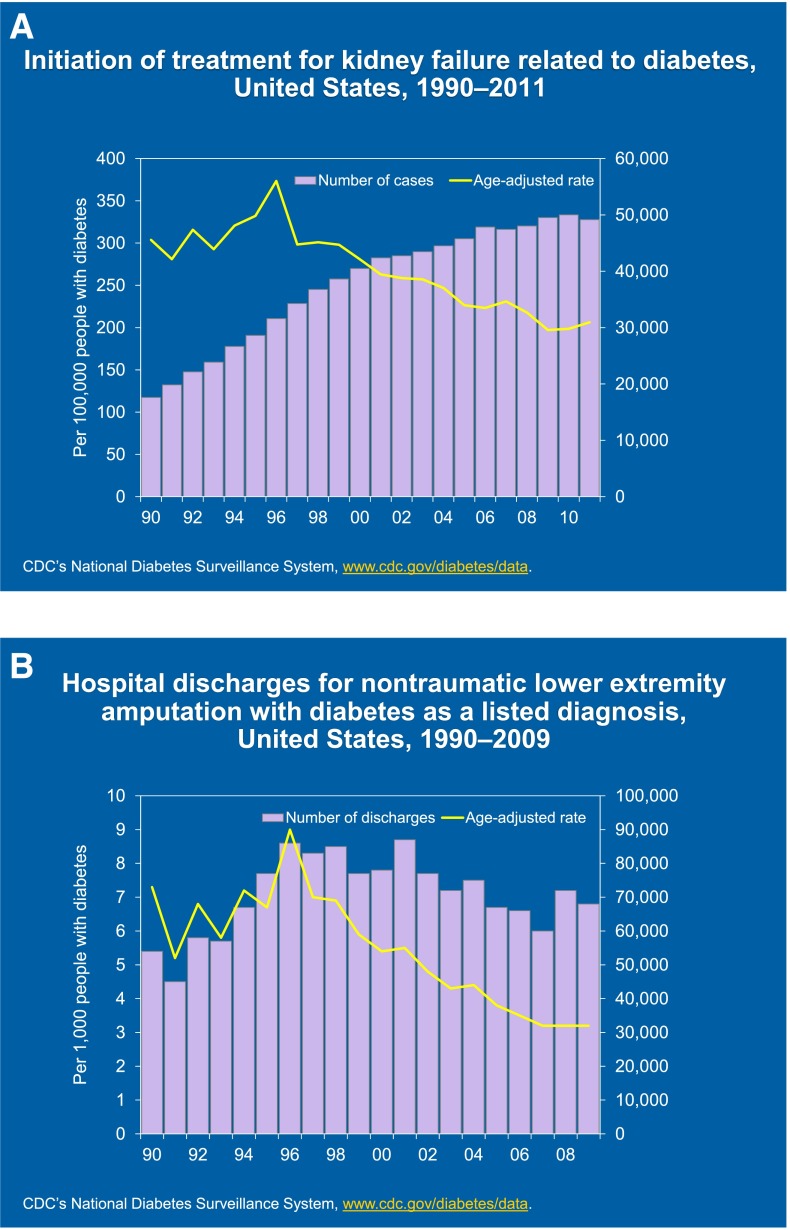
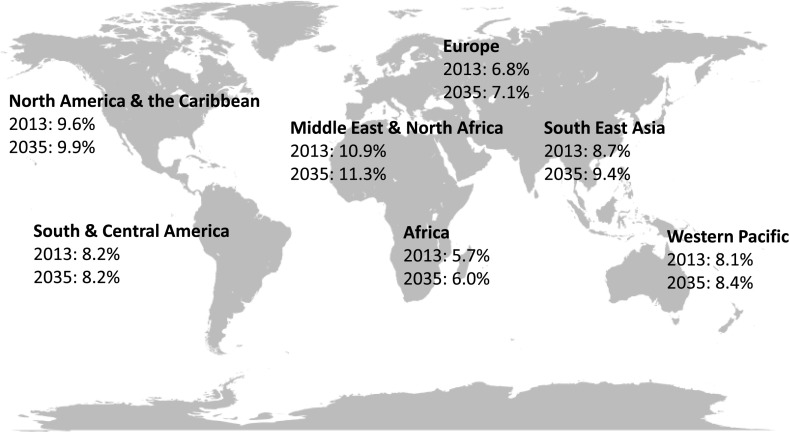
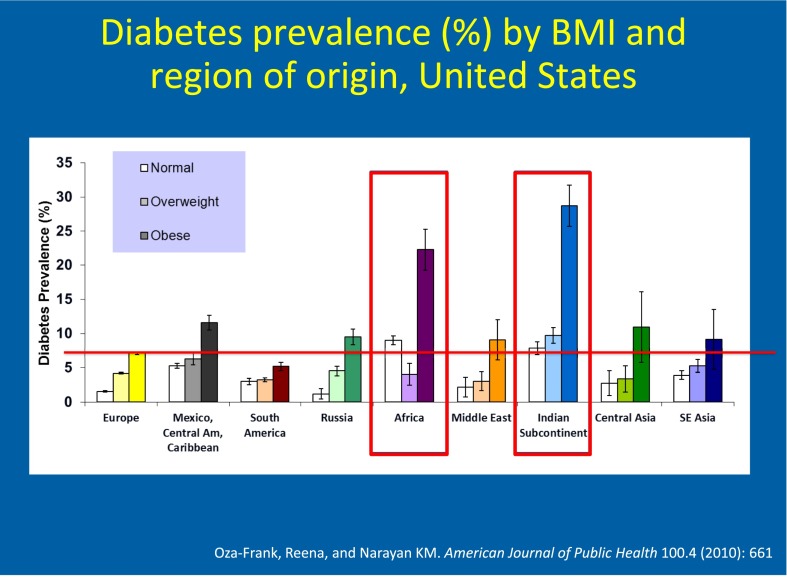
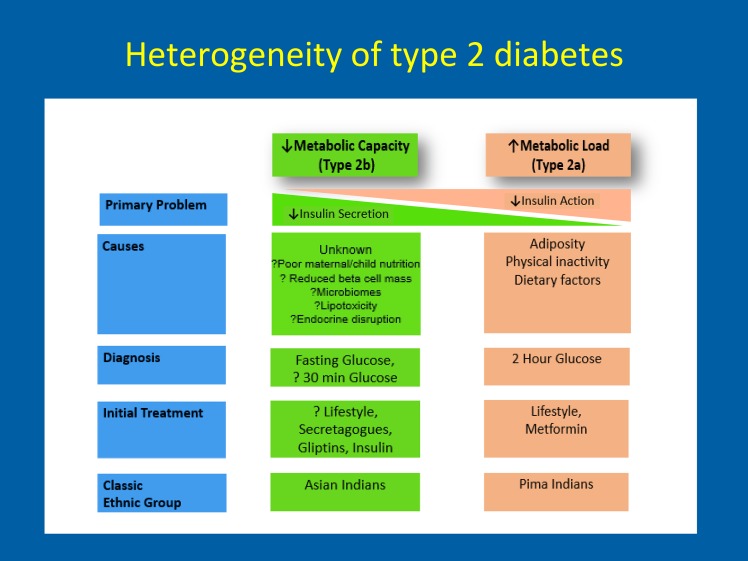
Diabetes is among the biggest of the 21st-century global health challenges. In the U.S. and other high-income countries, thanks to investments in science, dedication to implementing these findings, and measurement of quality of care, there have been improvements in diabetes management and declines in rate of diabetes complications and mortality. This good news, however, is overshadowed by the ever-increasing absolute numbers of people with diabetes and its complications and the unprecedented growth of diabetes in low- and middle-income countries of the world. To comprehensively win the war against diabetes requires 1) concerted attention to prevention and 2) expansion of global research to better inform population-level policies to curb diabetes but also to better understand individual- and population-level variations in pathophysiology and phenotypes globally so that prevention and treatment can be tailored. For example, preliminary data show that thin people in low- and middle-income countries such as India commonly experience type 2 diabetes. Global studies comparing these thin Asian Indians with other high-risk groups such as Pima Indians, a population with a high mean BMI, suggest that type 2 diabetes may not be a single pathophysiological entity. Pima Indians may represent the well-studied phenotype of poor insulin action (type 2A), whereas Asian Indians represent the grossly understudied phenotype of poor insulin secretion (type 2B). This has major implications for diagnosis, prevention, and treatment and highlights the mismatch between where diabetes burdens occur (i.e., low- and middle-income countries) and where research happens (i.e., high-income countries). Correcting this imbalance will advance our knowledge and arsenal to win the global war against diabetes.
糖尿病是21世纪全球最大的健康挑战之一。在美国和其他高收入国家,由于对科学的投入、致力于将这些研究成果付诸实践以及对医疗质量的衡量,糖尿病管理取得了进步,糖尿病并发症发生率和死亡率有所下降。然而,这一好消息被糖尿病患者及其并发症的绝对数量不断增加以及糖尿病在世界中低收入国家前所未有的增长所掩盖。要全面打赢抗击糖尿病的战争,需要1)共同关注预防,2)扩大全球研究,以便更好地为遏制糖尿病的人群层面政策提供信息,同时更好地了解全球个体和人群层面病理生理学和表型的差异,从而实现预防和治疗的个性化。例如,初步数据显示,在印度等中低收入国家,瘦人也常患2型糖尿病。将这些瘦的亚洲印度人与其他高危群体(如平均BMI较高的皮马印第安人)进行比较的全球研究表明,2型糖尿病可能不是单一的病理生理实体。皮马印第安人可能代表了胰岛素作用不佳这一研究充分的表型(2A型),而亚洲印度人则代表了胰岛素分泌不佳这一研究严重不足的表型(2B型)。这对诊断、预防和治疗具有重大意义,并凸显了糖尿病负担发生地(即中低收入国家)与研究开展地(即高收入国家)之间的不匹配。纠正这种不平衡将提升我们的知识水平和手段,以打赢全球抗击糖尿病的战争。