Bain Fletcher E, Wu Colin G, Spies Maria
Department of Biochemistry, University of Iowa Carver College of Medicine, Iowa City, IA, USA.
Department of Biochemistry, University of Iowa Carver College of Medicine, Iowa City, IA, USA.
Methods. 2016 Oct 1;108:14-23. doi: 10.1016/j.ymeth.2016.05.009. Epub 2016 May 17.
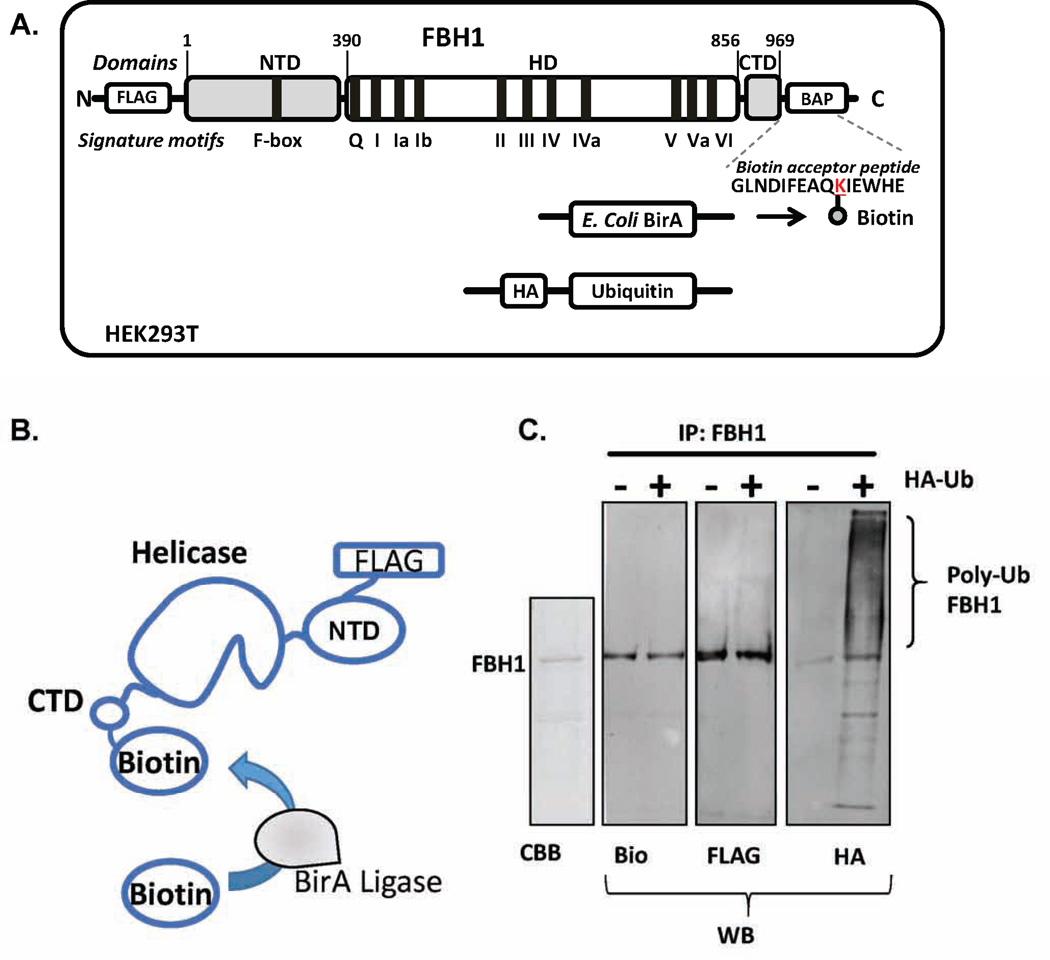
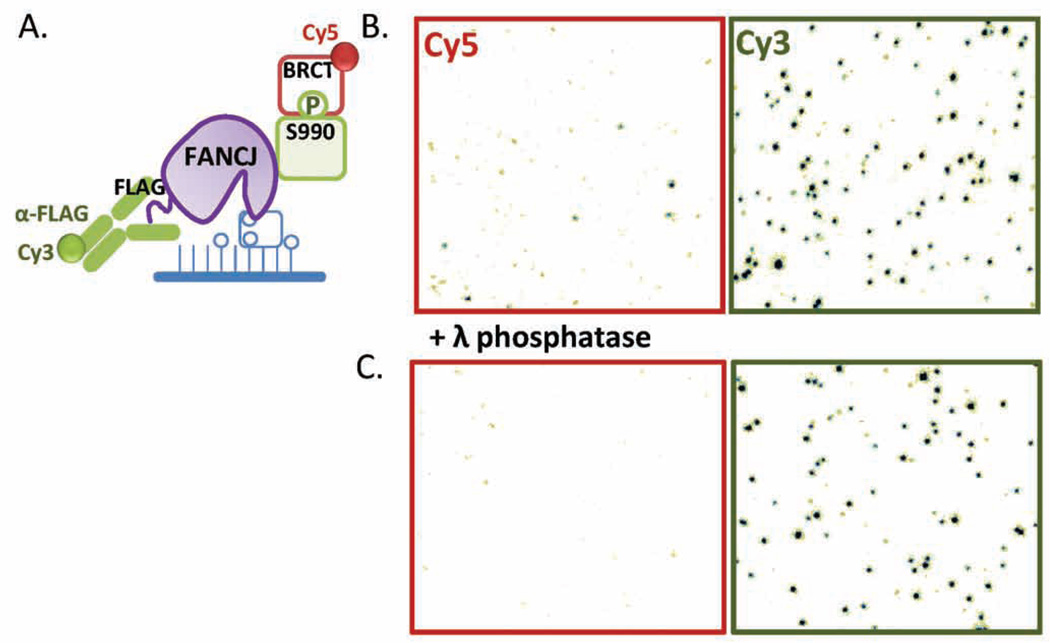
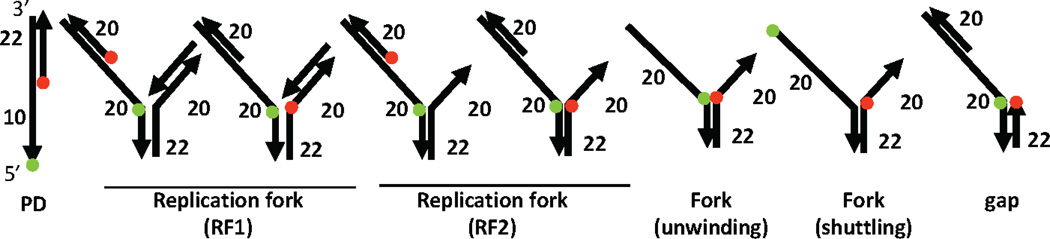
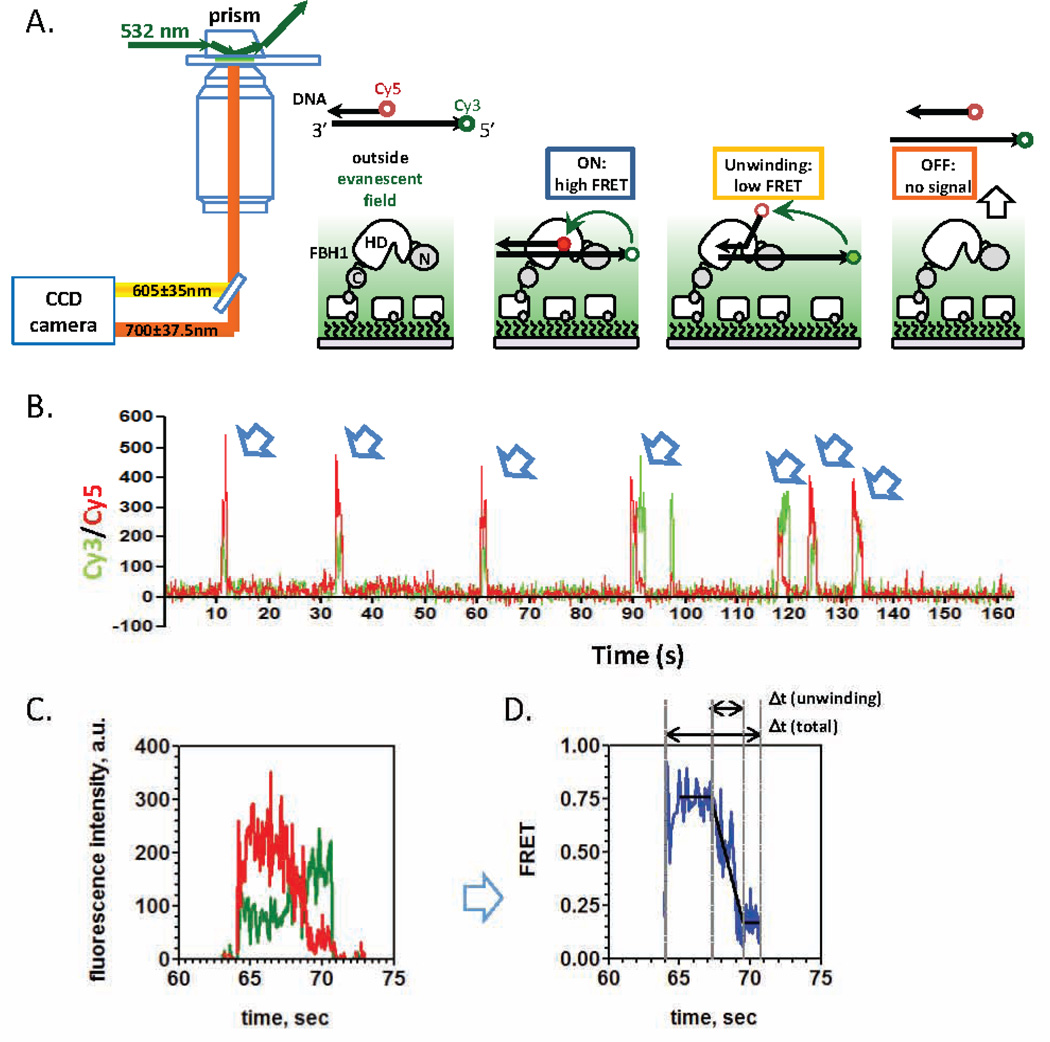
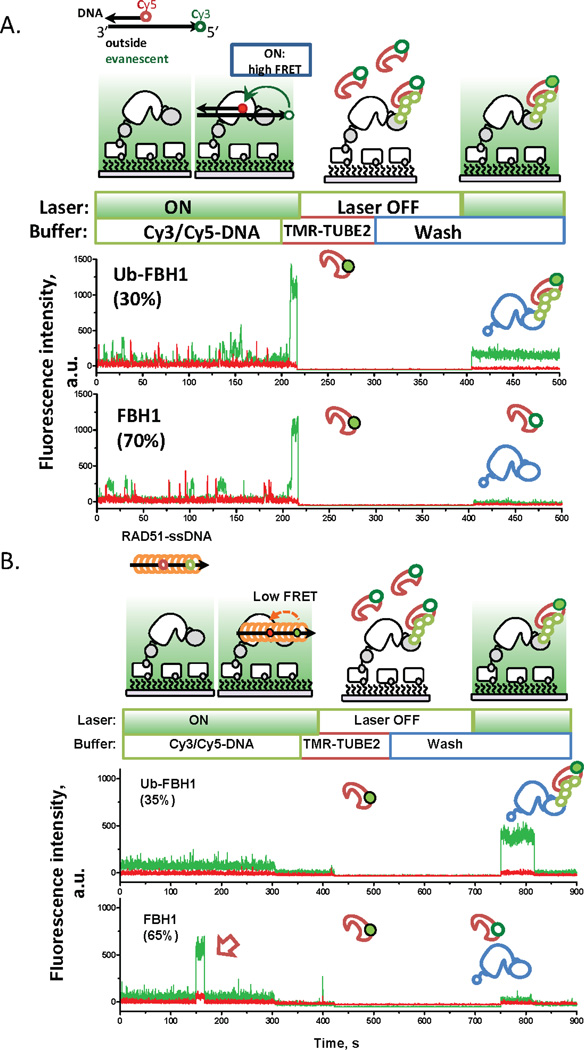
DNA helicases participate in virtually all aspects of cellular DNA metabolism by using ATP-fueled directional translocation along the DNA molecule to unwind DNA duplexes, dismantle nucleoprotein complexes, and remove non-canonical DNA structures. Post-translational modifications and helicase interacting partners are often viewed as determining factors in controlling the switch between bona fide helicase activity and other functions of the enzyme that do not involve duplex separation. The bottleneck in developing a mechanistic understanding of human helicases and their control by post-translational modifications is obtaining sufficient quantities of the modified helicase for traditional structure-functional analyses and biochemical reconstitutions. This limitation can be overcome by single-molecule analysis, where several hundred surface-tethered molecules are sufficient to obtain a complete kinetic and thermodynamic description of the helicase-mediated substrate binding and rearrangement. Synthetic oligonucleotides site-specifically labeled with Cy3 and Cy5 fluorophores can be used to create a variety of DNA substrates that can be used to characterize DNA binding, as well as helicase translocation and duplex unwinding activities. This chapter describes "single-molecule sorting", a robust experimental approach to simultaneously quantify, and distinguish the activities of helicases carrying their native post-translational modifications. Using this technique, a DNA helicase of interest can be produced and biotinylated in human cells to enable surface-tethering for the single-molecule studies by total internal reflection fluorescence microscopy. The pool of helicases extracted from the cells is expected to contain a mixture of post-translationally modified and unmodified enzymes, and the contributions from either population can be monitored separately, but in the same experiment providing a direct route to evaluating the effect of a given modification.
DNA解旋酶几乎参与细胞DNA代谢的所有方面,通过利用ATP驱动沿DNA分子进行定向转运,以解开DNA双链、拆解核蛋白复合物并去除非经典DNA结构。翻译后修饰和解旋酶相互作用伙伴通常被视为控制真正解旋酶活性与该酶其他不涉及双链分离功能之间转换的决定因素。在深入理解人类解旋酶及其翻译后修饰调控机制方面的瓶颈在于,要获得足够量的经修饰解旋酶用于传统的结构功能分析和生化重建。单分子分析可以克服这一限制,在单分子分析中,几百个表面 tethered分子就足以获得解旋酶介导的底物结合和重排的完整动力学和热力学描述。用Cy3和Cy5荧光团进行位点特异性标记的合成寡核苷酸可用于创建多种DNA底物,这些底物可用于表征DNA结合以及解旋酶转运和双链解旋活性。本章描述了“单分子分选”,这是一种强大的实验方法,可同时定量并区分携带其天然翻译后修饰的解旋酶的活性。使用这种技术,可以在人类细胞中产生并生物素化感兴趣的DNA解旋酶,以便通过全内反射荧光显微镜进行单分子研究的表面 tethering。从细胞中提取的解旋酶库预计包含翻译后修饰和未修饰酶的混合物,并且可以分别监测这两种群体的贡献,但在同一实验中提供了评估给定修饰效果的直接途径。