De Tullio Luisina, Kaniecki Kyle, Greene Eric C
Columbia University, New York, NY, United States.
Columbia University, New York, NY, United States.
Methods Enzymol. 2018;600:407-437. doi: 10.1016/bs.mie.2017.12.004. Epub 2018 Feb 1.
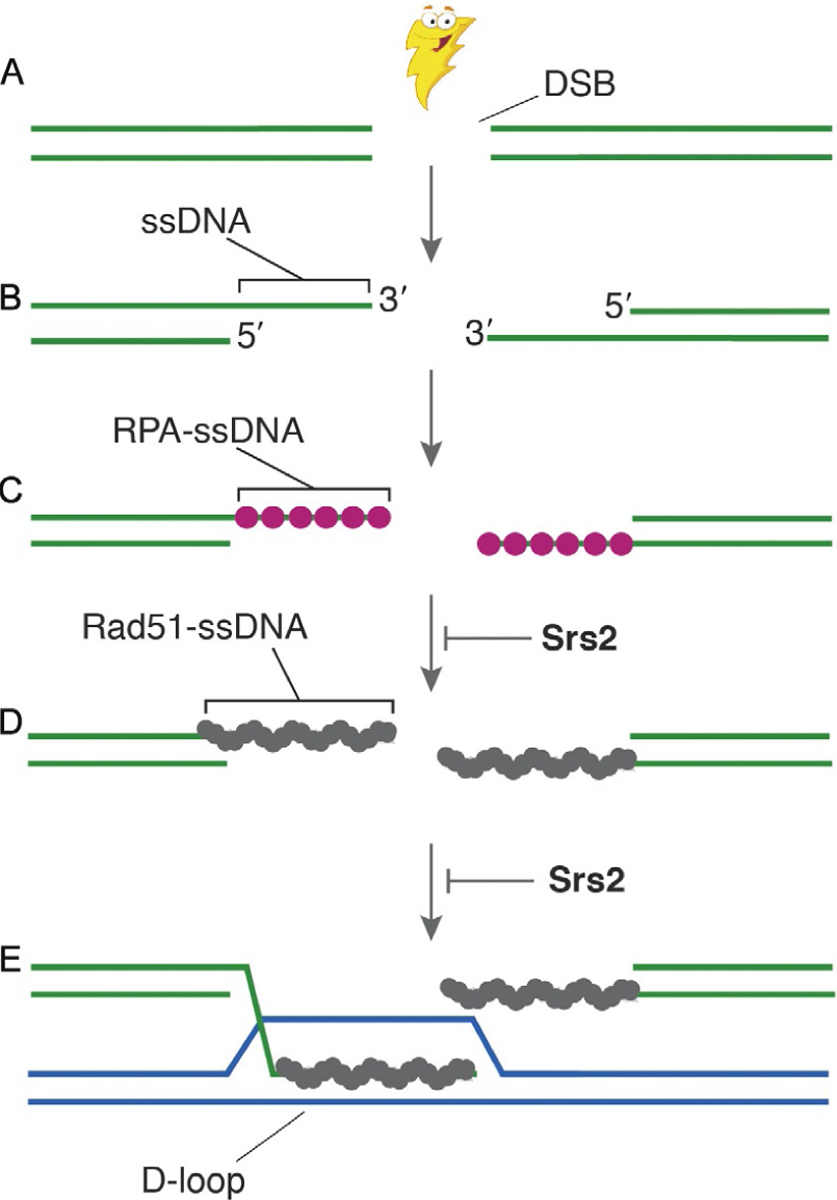
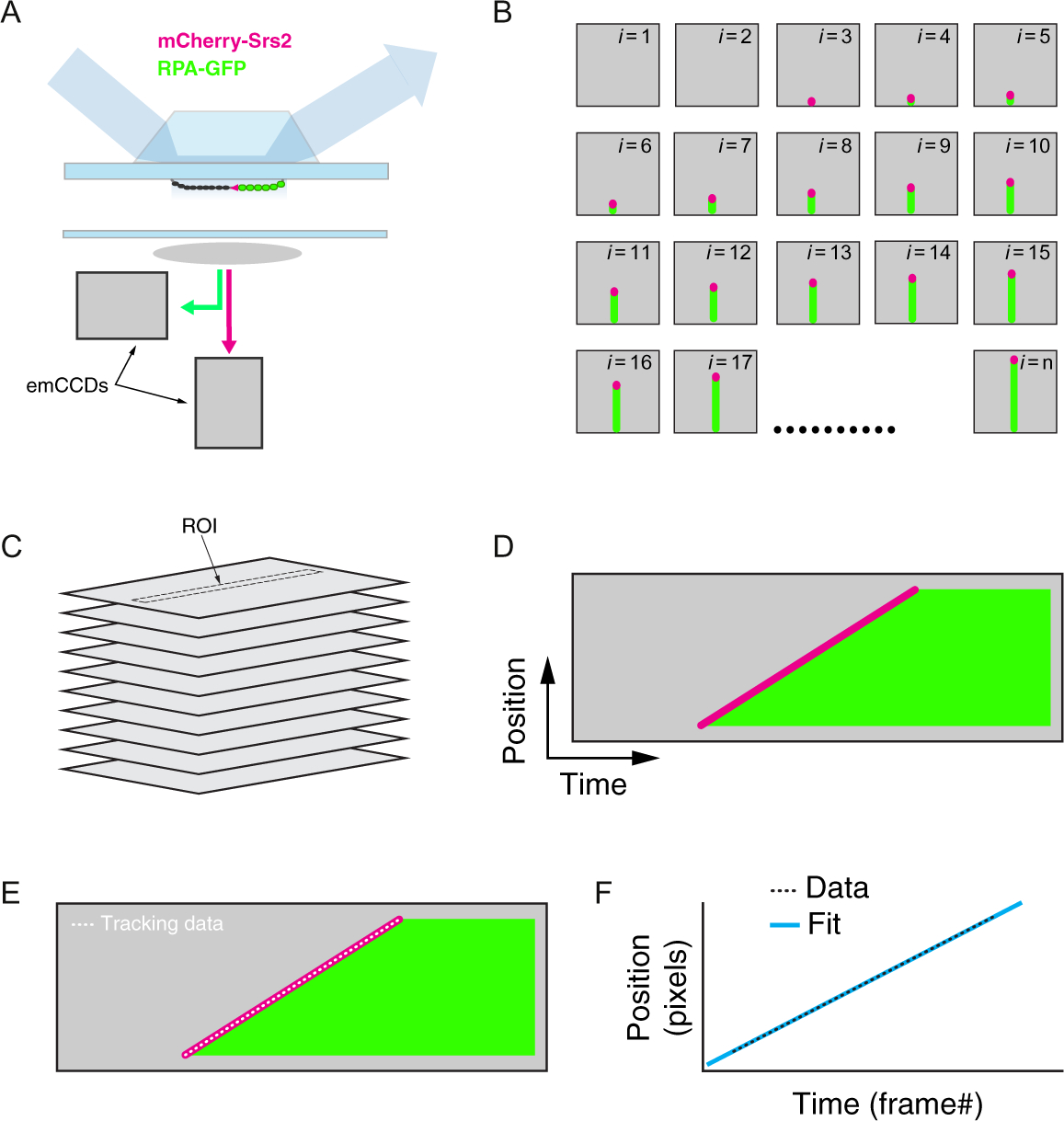
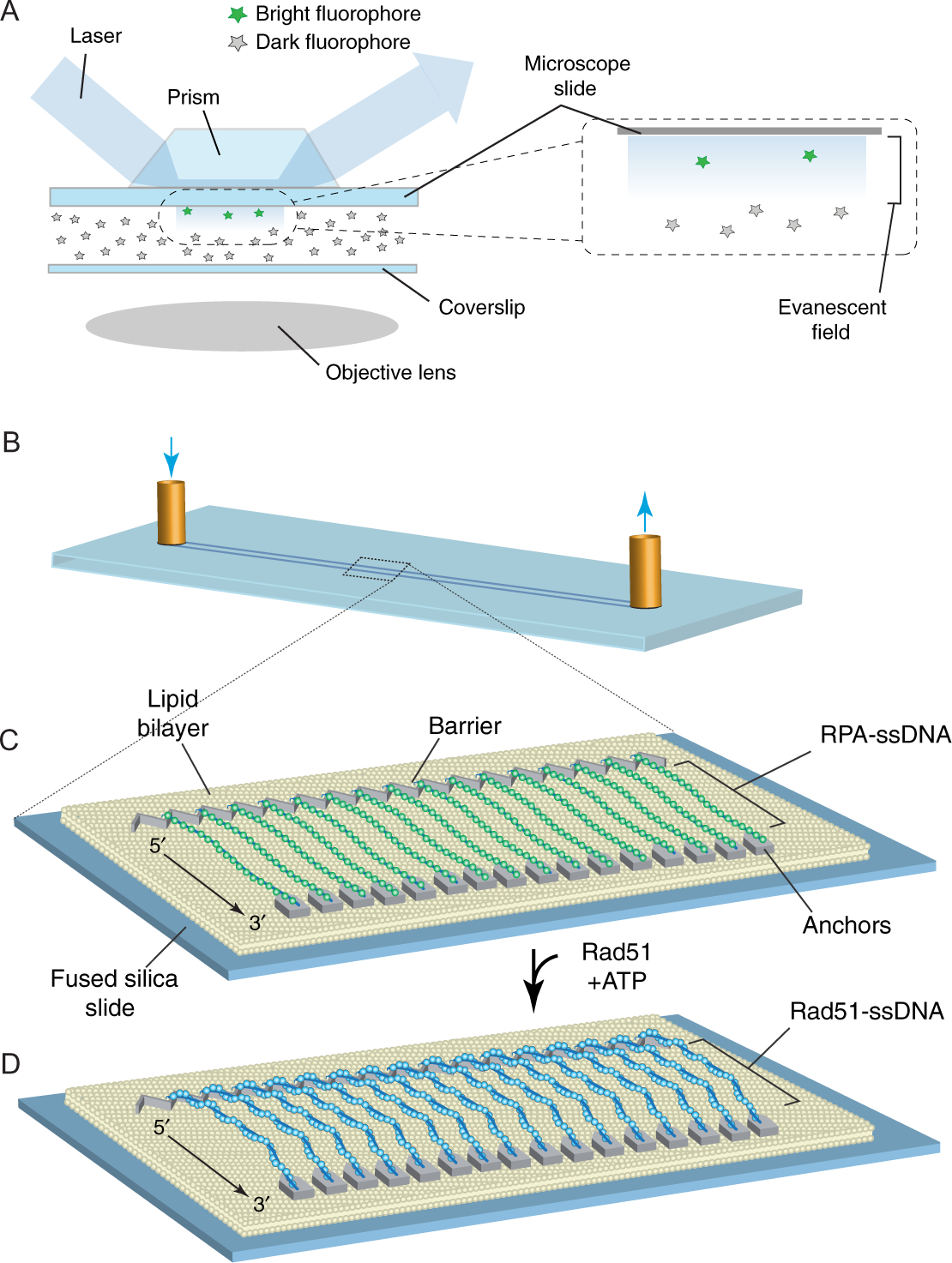
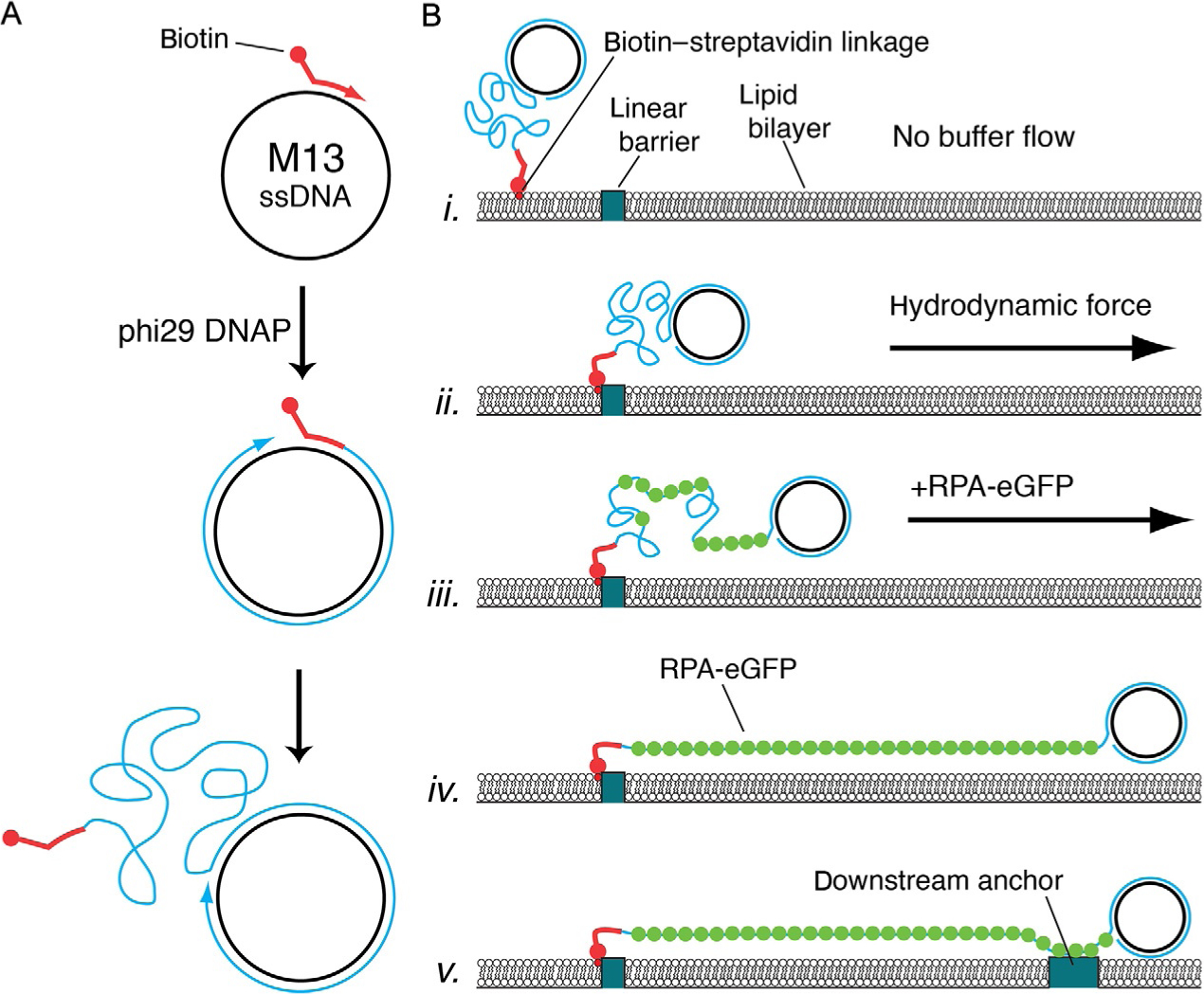
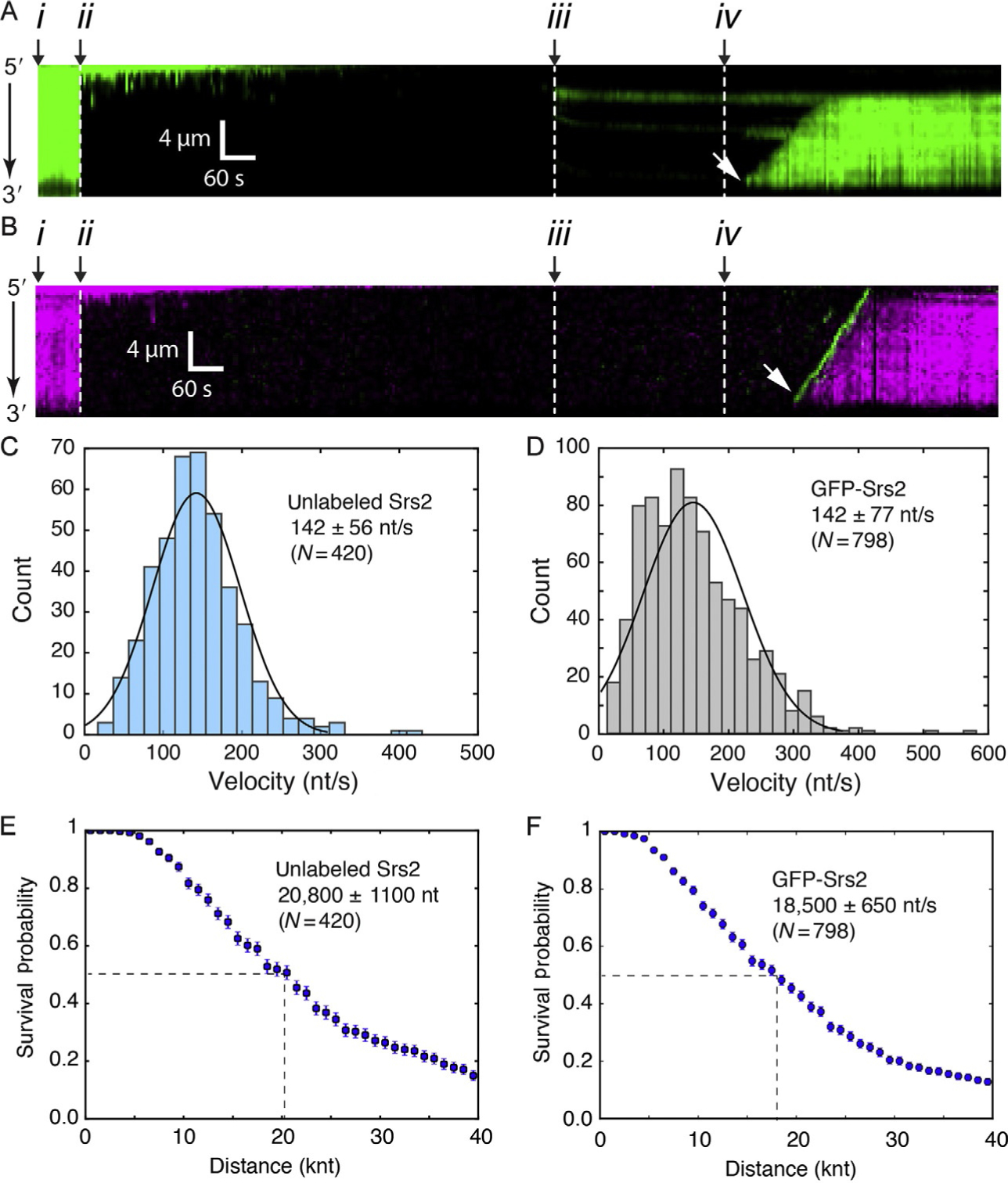
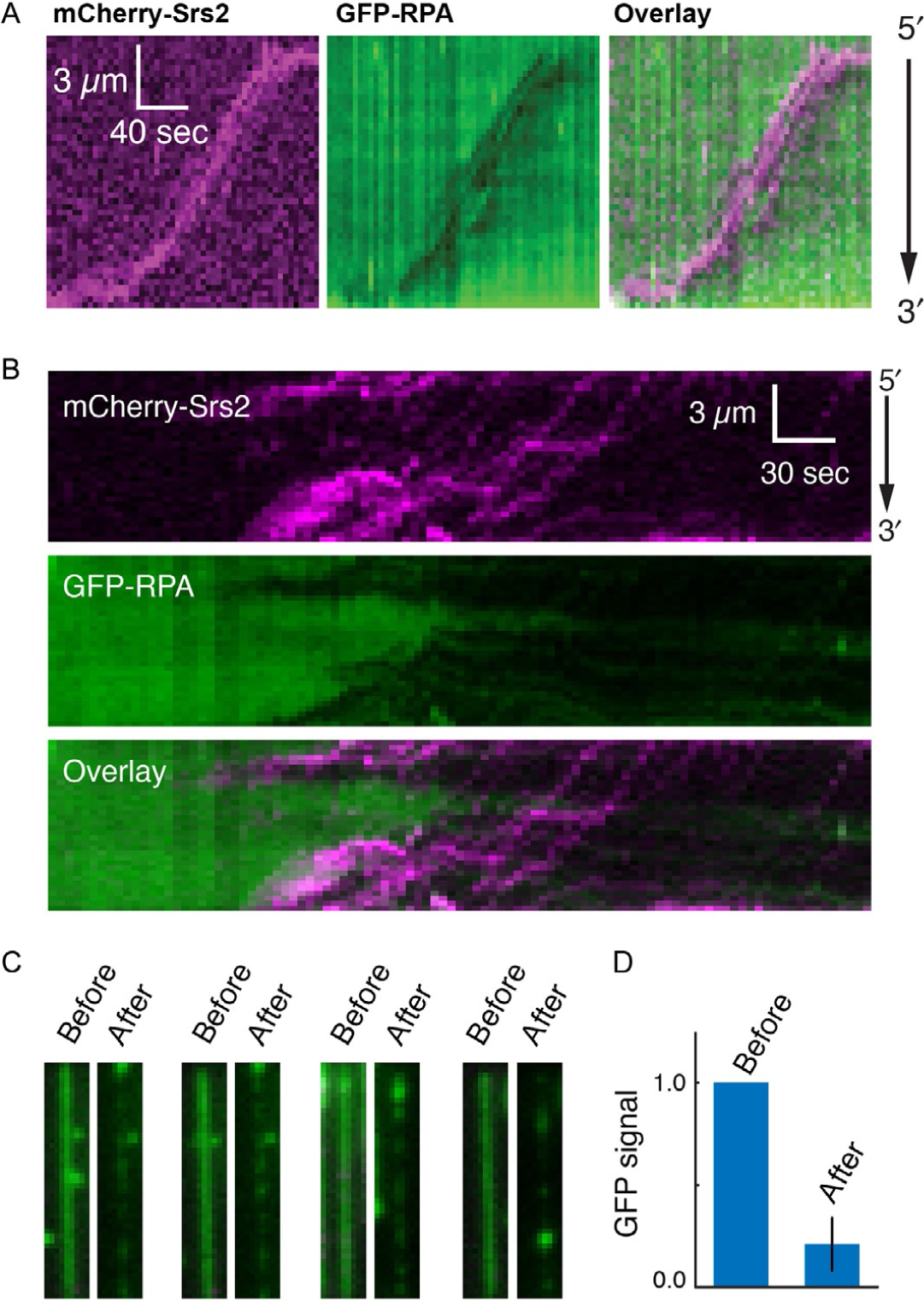
Helicases are crucial participants in many types of DNA repair reactions, including homologous recombination. The properties of these enzymes can be assayed by traditional bulk biochemical analysis; however, these types of assays cannot directly access some types of information. In particular, bulk biochemical assays cannot readily access information that may be obscured in population averages. Single-molecule assays offer the potential advantage of being able to visualize the molecules in question in real time, thus providing direct access to questions relating to translocation velocity, processivity, and insights into how helicases may behave on different types of substrates. Here, we describe the use of single-stranded DNA (ssDNA) curtains as an assay for directly viewing the behavior of the Saccharomyces cerevisiae Srs2 helicase on single molecules of ssDNA. When used with total internal reflection fluorescence microscopy, these methods can be used to track the binding and movements of individual helicase complexes, and allow new insights into helicase behaviors at the single-molecule level.
解旋酶是包括同源重组在内的多种DNA修复反应中的关键参与者。这些酶的特性可以通过传统的大量生化分析来测定;然而,这类分析无法直接获取某些类型的信息。特别是,大量生化分析无法轻易获取可能在群体平均值中被掩盖的信息。单分子分析具有能够实时可视化相关分子的潜在优势,从而直接获取与转位速度、持续性以及解旋酶在不同类型底物上行为的见解相关的问题。在这里,我们描述了使用单链DNA(ssDNA)幕帘作为一种分析方法,用于直接观察酿酒酵母Srs2解旋酶在单分子ssDNA上的行为。当与全内反射荧光显微镜一起使用时,这些方法可用于追踪单个解旋酶复合物的结合和运动,并在单分子水平上对解旋酶行为提供新的见解。