Sheikh Nissar, Wei Cheng, Szewczyk-Bieda Magdalena, Campbell Annie, Memon Shaukat, Lang Stephen, Nabi Ghulam
Department of Urology, Pilgrim Hospital, United Lincolnshire NHS Trust, England, UK.
Division of Cancer Research, School of Medicine, University of Dundee, Ninewells Hospital, Dundee, DD1 9SY, UK.
World J Urol. 2017 Feb;35(2):213-220. doi: 10.1007/s00345-016-1855-x. Epub 2016 May 28.
Transperineal template prostate (TPB) biopsy has been shown to improve prostate cancer detection in men with rising PSA and previous negative TRUS biopsies. Diagnostic performance of this approach especially MR imaging and using reliable reference standard remains scantly reported.
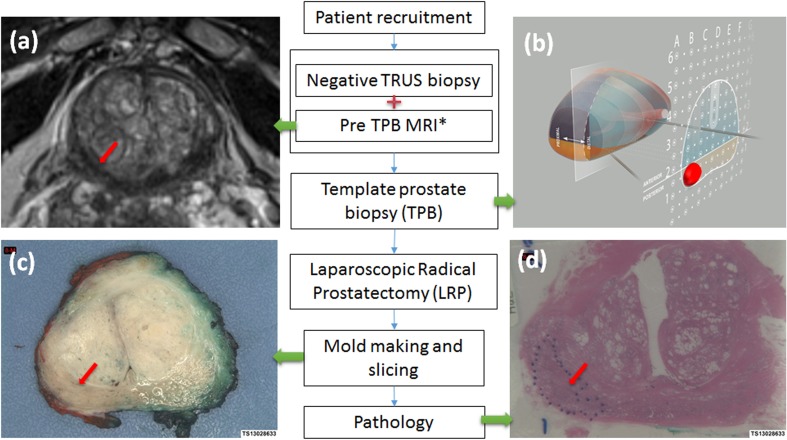
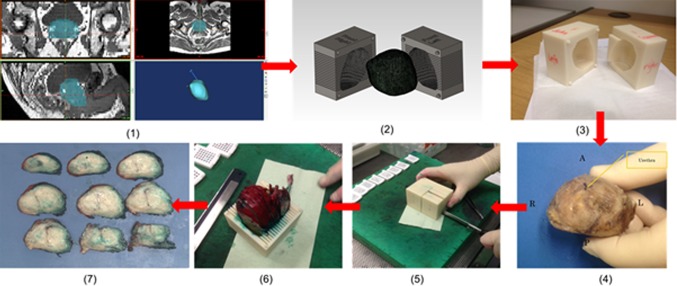
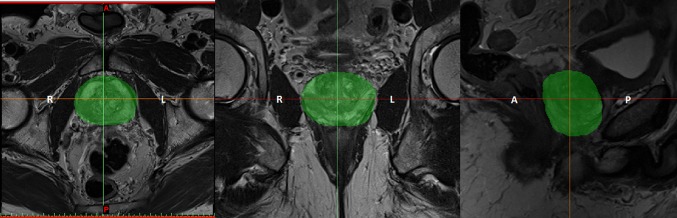
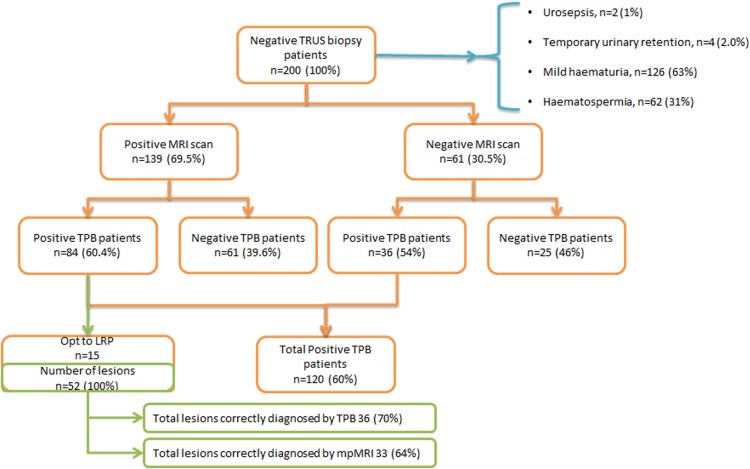
A total of 200 patients, who were previously TRUS biopsy negative, were recruited in this study. All the participants had at least 28-core TPB under general anesthetic within 8 weeks of previous negative TRUS biopsies. In 15 men undergoing laparoscopic radical prostatectomy, prostate specimens were sectioned using custom-made molds and analyzed by experienced pathologist as a feasibility study.
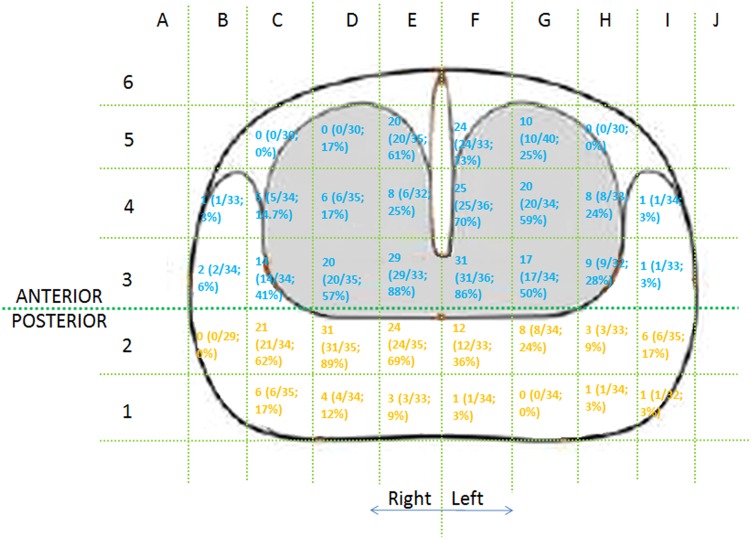
In total, 120 of 200 patients (60 %) had positive TPB biopsy results. All of these men had at least one negative biopsy from transrectal route. T2 diffusion-weighted MR imaging showed no lesion in almost one-third of these men (61/200; 30.5 %). Out of these, 33 (33/61; 54 %) showed malignancy on TPB including high-grade tumors (>Gleason 7). Out of 15 patients underwent surgery with a total of 52 lesions (mean 3.5) on radical prostatectomy histology analyses, TPB detected 36 (70 %) lesions only. Some of these lesions were Gleason 7 and more mostly located in the posterior basal area of prostate.
Transperineal template biopsy technique is associated with significantly high prostate cancer detection rate in men with previous negative TRUS biopsies, however compared to radical prostatectomy histology map, a significant number of lesions can still be missed in the posterior and basal area of prostate.
经会阴模板引导下前列腺穿刺活检(TPB)已被证明可提高前列腺特异抗原(PSA)升高且既往经直肠超声(TRUS)引导下穿刺活检阴性的男性患者前列腺癌的检出率。关于这种方法的诊断性能,尤其是磁共振成像(MR)以及使用可靠参考标准的情况,报道仍然很少。
本研究共纳入200例既往TRUS引导下穿刺活检阴性的患者。所有参与者在既往TRUS引导下穿刺活检阴性后的8周内,在全身麻醉下接受了至少28针的TPB。对15例行腹腔镜前列腺癌根治术的男性患者,使用定制模具对前列腺标本进行切片,并由经验丰富的病理学家进行分析,作为一项可行性研究。
200例患者中共有120例(60%)TPB穿刺活检结果为阳性。所有这些男性患者经直肠途径穿刺活检至少有一次为阴性。T2加权扩散加权磁共振成像显示,近三分之一的患者(61/200;30.5%)未发现病变。其中,33例(33/61;54%)在TPB检查中显示为恶性,包括高级别肿瘤(Gleason评分>7分)。在15例行手术的患者中,前列腺癌根治术后组织学分析共发现52个病灶(平均3.5个),TPB仅检测出36个(70%)病灶。其中一些病灶为Gleason评分7分,且大多位于前列腺后基底区域。
经会阴模板引导下穿刺活检技术在既往TRUS引导下穿刺活检阴性的男性患者中前列腺癌检出率显著较高,然而与前列腺癌根治术后组织学图谱相比,前列腺后基底区域仍有相当数量的病灶可能被漏诊。