Raine Cedric S
Department of Pathology (Neuropathology), Albert Einstein College of Medicine, Bronx, New York City, NY, USA; Department of Neurology, Albert Einstein College of Medicine, Bronx, New York City, NY, USA; Department of Neuroscience, Albert Einstein College of Medicine, Bronx, New York City, NY, USA.
J Neuroimmunol. 2017 Mar 15;304:2-6. doi: 10.1016/j.jneuroim.2016.05.021. Epub 2016 May 27.
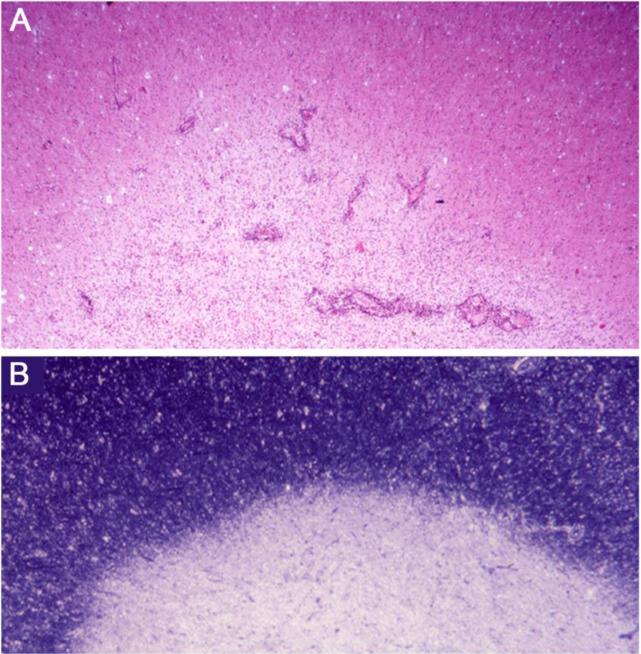
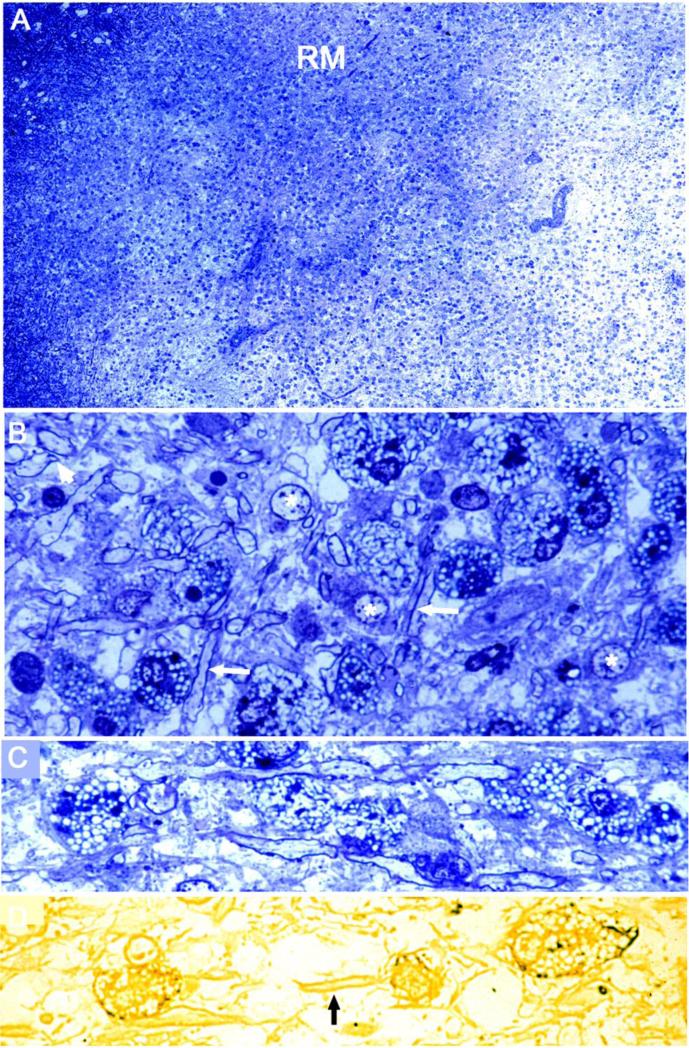
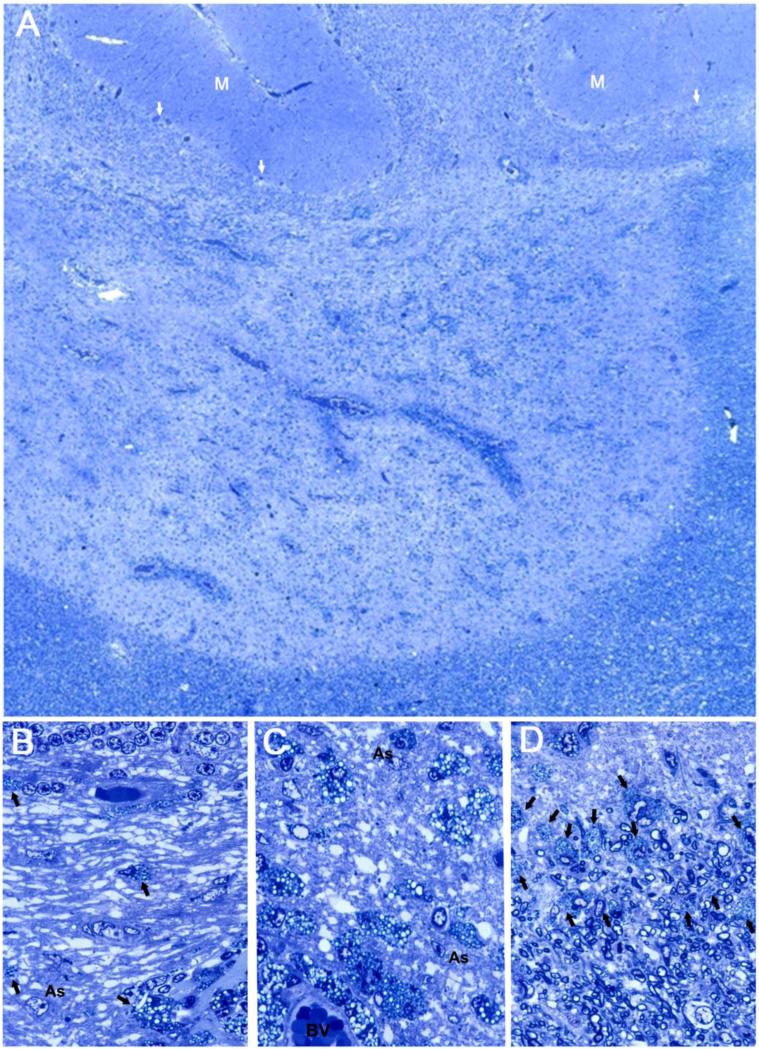
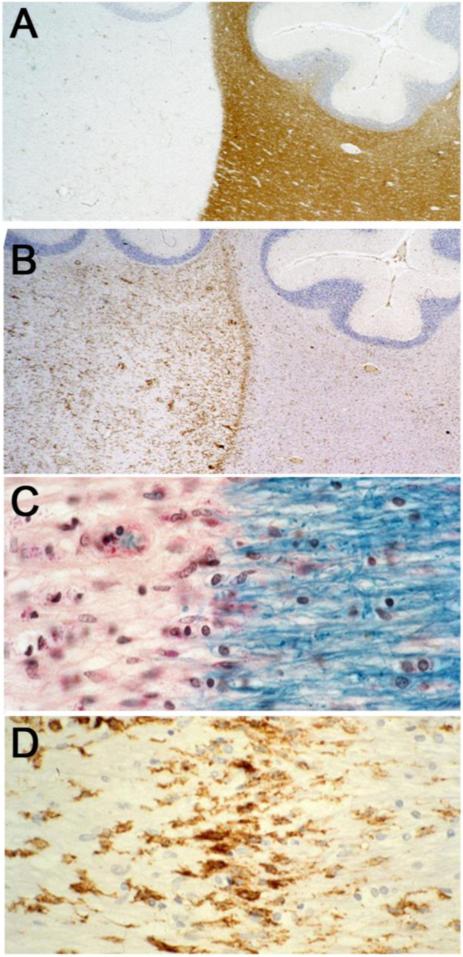
A little studied lesion, the resolving lesion, is described in multiple sclerosis (MS). Unusual features of early resolving lesions comprised a fibrous astrogliotic parenchyma replete with lipid-laden (foamy) microglia/macrophages widely scattered throughout and lined up at the edge, separating demyelinated plaque from myelinated white matter. Ongoing myelin breakdown was absent, as was remyelination. Later resolving lesions displayed the unusual coexistence of macrophages and remyelination within the gliotic parenchyma. Collectively, these observations may provide for the first time evidence for a role in MS for mitigating factors like alternatively-activated (M2) microglia/macrophages, known to have an anti-inflammatory phenotype and to be associated with wound-healing and repair.
一种研究较少的病变——消退性病变,在多发性硬化症(MS)中被描述。早期消退性病变的不寻常特征包括纤维性星形胶质细胞增生的实质,充满了富含脂质的(泡沫状)小胶质细胞/巨噬细胞,广泛分布于整个病变区域并排列在边缘,将脱髓鞘斑块与有髓白质分隔开来。没有正在进行的髓鞘破坏,也没有髓鞘再生。后期消退性病变在胶质化实质内显示出巨噬细胞和髓鞘再生异常共存。总体而言,这些观察结果可能首次为替代激活的(M2)小胶质细胞/巨噬细胞等减轻因素在MS中的作用提供证据,已知这些细胞具有抗炎表型并与伤口愈合和修复相关。