Wang Jiguang, Cazzato Emanuela, Ladewig Erik, Frattini Veronique, Rosenbloom Daniel I S, Zairis Sakellarios, Abate Francesco, Liu Zhaoqi, Elliott Oliver, Shin Yong-Jae, Lee Jin-Ku, Lee In-Hee, Park Woong-Yang, Eoli Marica, Blumberg Andrew J, Lasorella Anna, Nam Do-Hyun, Finocchiaro Gaetano, Iavarone Antonio, Rabadan Raul
Department of Systems Biology, Columbia University, New York, New York, USA.
Department of Biomedical Informatics, Columbia University, New York, New York, USA.
Nat Genet. 2016 Jul;48(7):768-76. doi: 10.1038/ng.3590. Epub 2016 Jun 6.
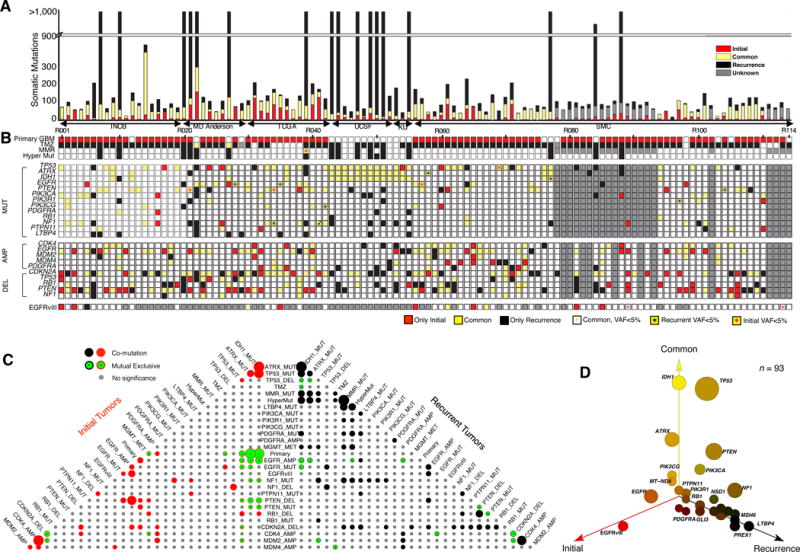
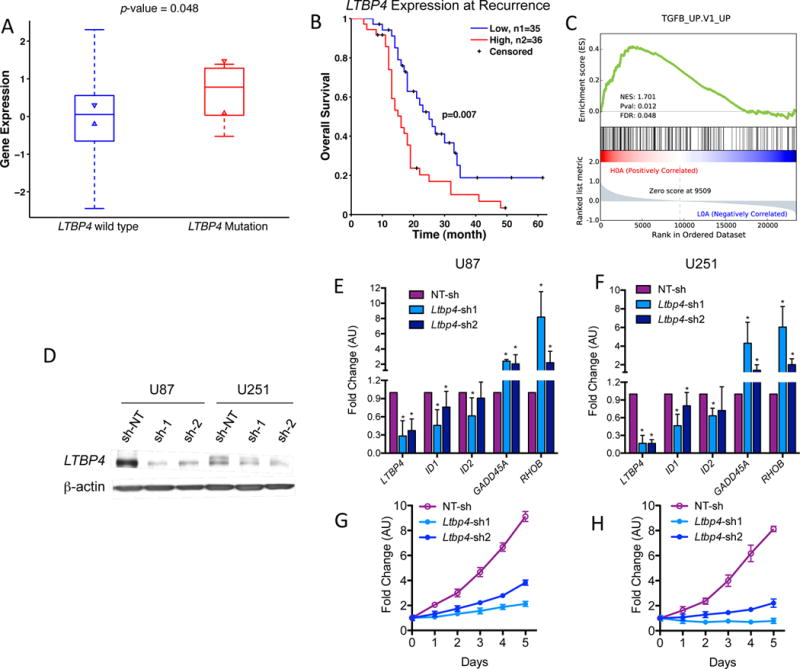
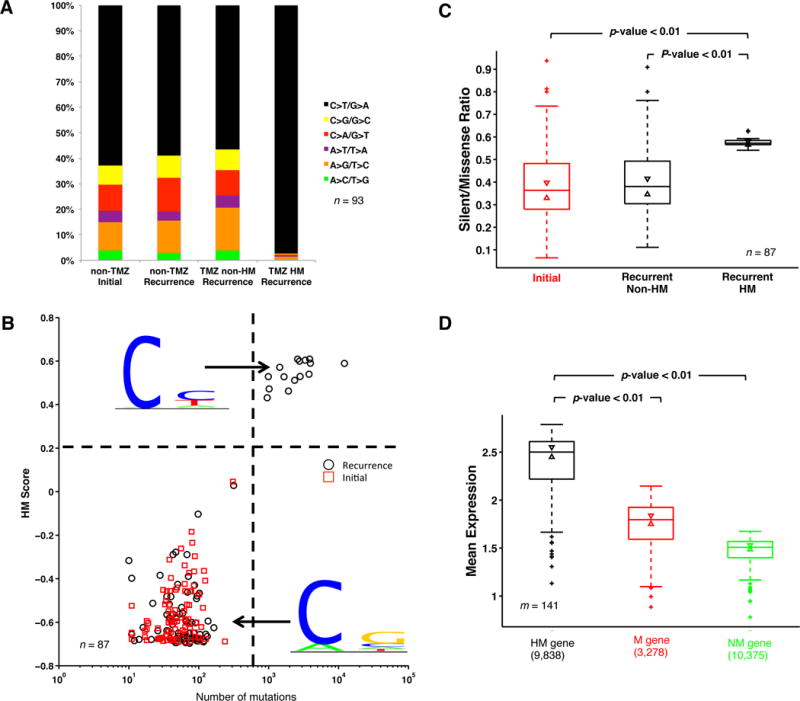
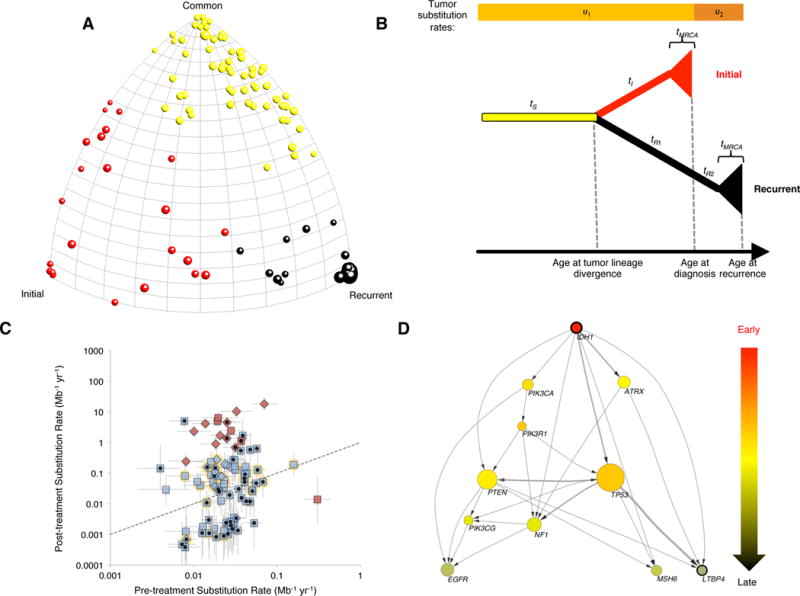
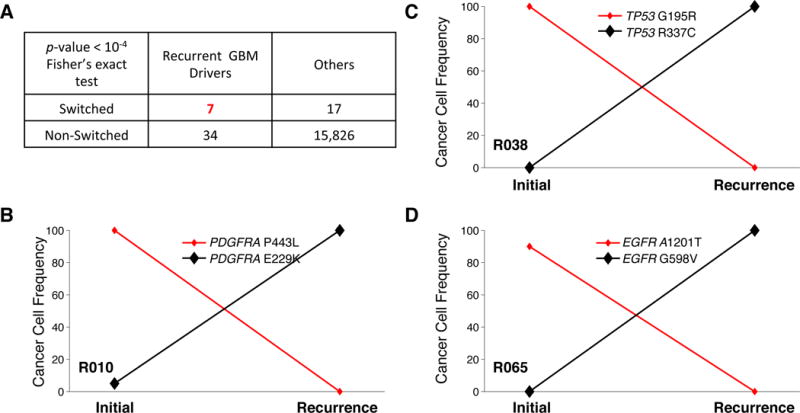
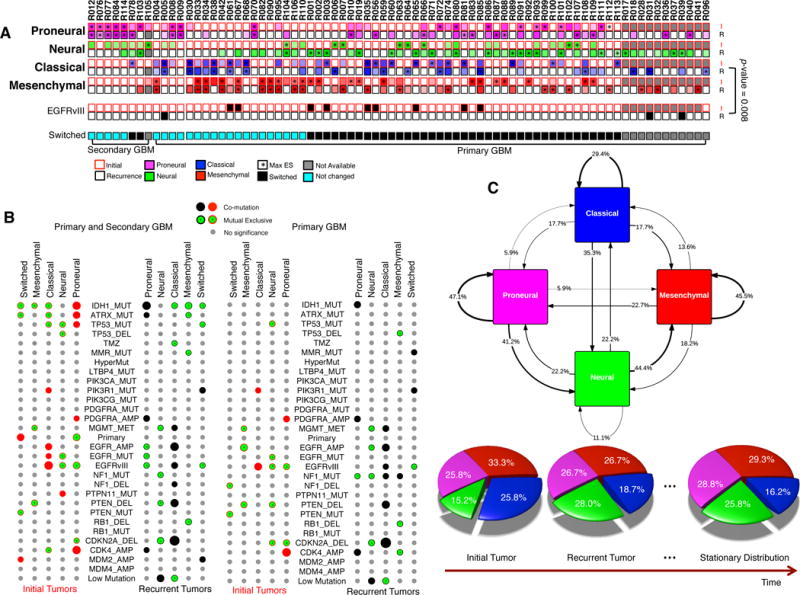
Glioblastoma (GBM) is the most common and aggressive primary brain tumor. To better understand how GBM evolves, we analyzed longitudinal genomic and transcriptomic data from 114 patients. The analysis shows a highly branched evolutionary pattern in which 63% of patients experience expression-based subtype changes. The branching pattern, together with estimates of evolutionary rate, suggests that relapse-associated clones typically existed years before diagnosis. Fifteen percent of tumors present hypermutation at relapse in highly expressed genes, with a clear mutational signature. We find that 11% of recurrence tumors harbor mutations in LTBP4, which encodes a protein binding to TGF-β. Silencing LTBP4 in GBM cells leads to suppression of TGF-β activity and decreased cell proliferation. In recurrent GBM with wild-type IDH1, high LTBP4 expression is associated with worse prognosis, highlighting the TGF-β pathway as a potential therapeutic target in GBM.
胶质母细胞瘤(GBM)是最常见且侵袭性最强的原发性脑肿瘤。为了更好地了解GBM的演变过程,我们分析了114例患者的纵向基因组和转录组数据。分析显示出一种高度分支的进化模式,其中63%的患者经历了基于表达的亚型变化。这种分支模式以及进化速率估计表明,与复发相关的克隆通常在诊断前数年就已存在。15%的肿瘤在复发时高表达基因出现超突变,具有明显的突变特征。我们发现,11%的复发性肿瘤在编码与转化生长因子-β(TGF-β)结合蛋白的LTBP4中存在突变。在GBM细胞中沉默LTBP4会导致TGF-β活性受到抑制,细胞增殖减少。在异柠檬酸脱氢酶1(IDH1)野生型的复发性GBM中,高LTBP4表达与较差的预后相关,这突出了TGF-β信号通路作为GBM潜在治疗靶点的地位。