Abbasi Ibrahim, Kirstein Oscar D, Hailu Asrat, Warburg Alon
Department of Microbiology and Molecular Genetics, The Institute for Medical Research Israel-Canada, The Kuvin Centre for the Study of Infectious and Tropical Diseases, The Hebrew University - Hadassah Medical School, The Hebrew University of Jerusalem, 91120, Israel; Department of Biological Sciences, Faculty of Science and Technology, Al-Quds University, Abu Deis, the Palestinian Territories.
Department of Microbiology and Molecular Genetics, The Institute for Medical Research Israel-Canada, The Kuvin Centre for the Study of Infectious and Tropical Diseases, The Hebrew University - Hadassah Medical School, The Hebrew University of Jerusalem, 91120, Israel.
Acta Trop. 2016 Oct;162:20-26. doi: 10.1016/j.actatropica.2016.06.009. Epub 2016 Jun 8.
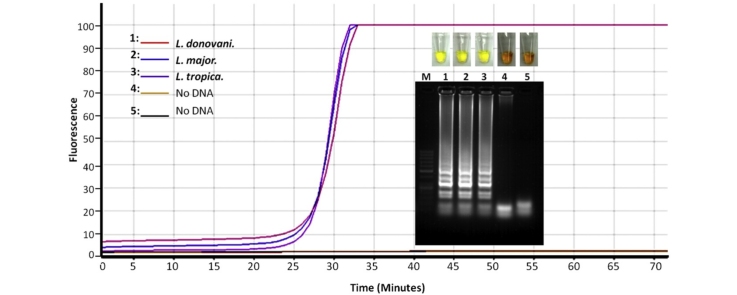
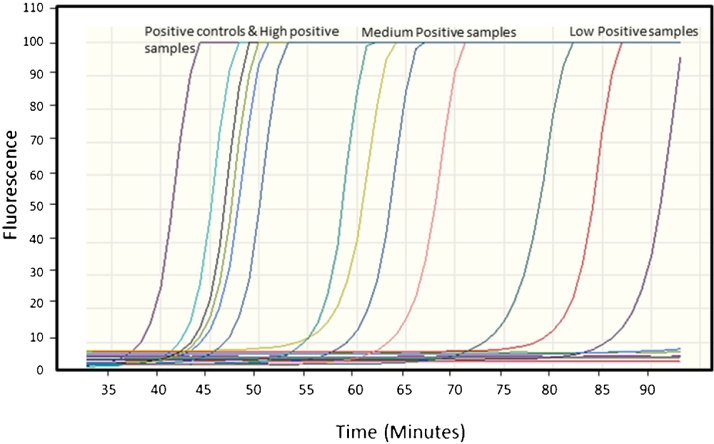
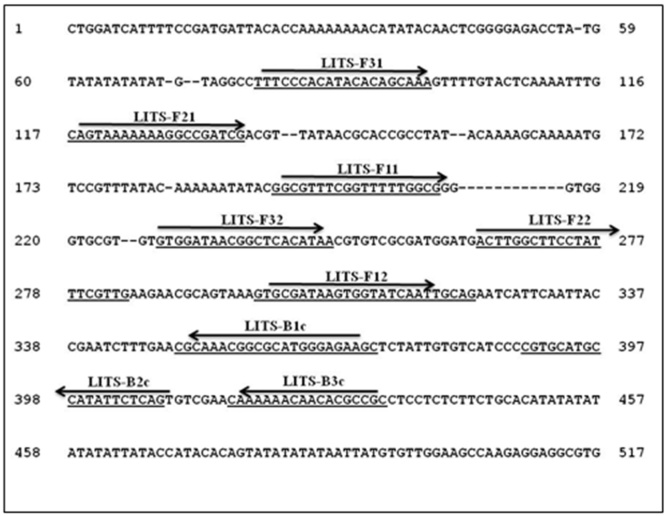
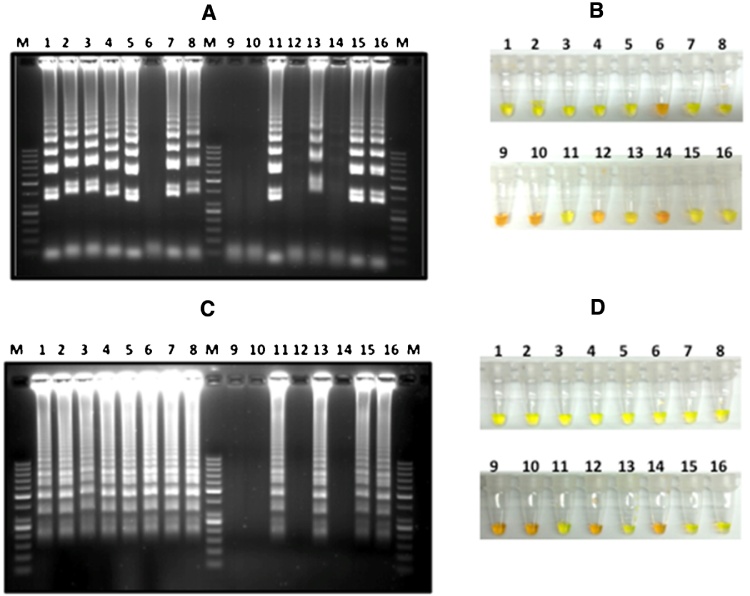
Visceral leishmaniasis (VL), one of the most important neglected tropical diseases, is caused by Leishmania donovani eukaryotic protozoan parasite of the genus Leishmania, the disease is prevalent mainly in the Indian sub-continent, East Africa and Brazil. VL can be diagnosed by PCR amplifying ITS1 and/or kDNA genes. The current study involved the optimization of Loop-mediated isothermal amplification (LAMP) for the detection of Leishmania DNA in human blood or tissue samples. Three LAMP systems were developed; in two of those the primers were designed based on shared regions of the ITS1 gene among different Leishmania species, while the primers for the third LAMP system were derived from a newly identified repeated region in the Leishmania genome. The LAMP tests were shown to be sufficiently sensitive to detect 0.1pg of DNA from most Leishmania species. The green nucleic acid stain SYTO16, was used here for the first time to allow real-time monitoring of LAMP amplification. The advantage of real time-LAMP using SYTO 16 over end-point LAMP product detection is discussed. The efficacy of the real time-LAMP tests for detecting Leishmania DNA in dried blood samples from volunteers living in endemic areas, was compared with that of qRT-kDNA PCR.
内脏利什曼病(VL)是最重要的被忽视热带病之一,由利什曼原虫属的杜氏利什曼原虫这种真核原生动物寄生虫引起,该病主要流行于印度次大陆、东非和巴西。VL可通过聚合酶链反应(PCR)扩增内转录间隔区1(ITS1)和/或动基体DNA(kDNA)基因来诊断。当前研究涉及环介导等温扩增技术(LAMP)的优化,用于检测人血液或组织样本中的利什曼原虫DNA。开发了三种LAMP系统;其中两种的引物是基于不同利什曼原虫物种ITS1基因的共享区域设计的,而第三种LAMP系统的引物则源自利什曼原虫基因组中一个新发现的重复区域。LAMP检测显示出足够的灵敏度,能够检测到大多数利什曼原虫物种0.1皮克的DNA。绿色核酸染料SYTO16首次在此用于实时监测LAMP扩增。讨论了使用SYTO16进行实时LAMP相对于终点LAMP产物检测的优势。将实时LAMP检测在来自流行地区志愿者的干血样本中检测利什曼原虫DNA的功效与定量逆转录kDNA PCR的功效进行了比较。