Zhang Yu, Yang Jinhua, Zhang Peng, Liu Tao, Xu Jianwei, Fan Zhihai, Shen Yixin, Li Wenjie, Zhang Huanxiang
Department of Orthopedics, the Second Affiliated Hospital of Soochow University, Suzhou, China.
Department of Orthopedics, the Second People's Hospital of Changshu, Suzhou, China.
Sci Rep. 2016 Jun 14;6:27724. doi: 10.1038/srep27724.
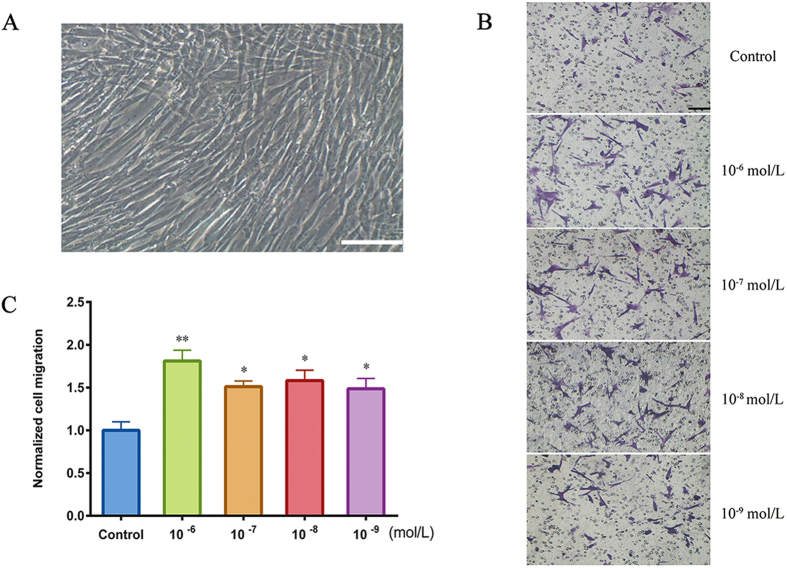
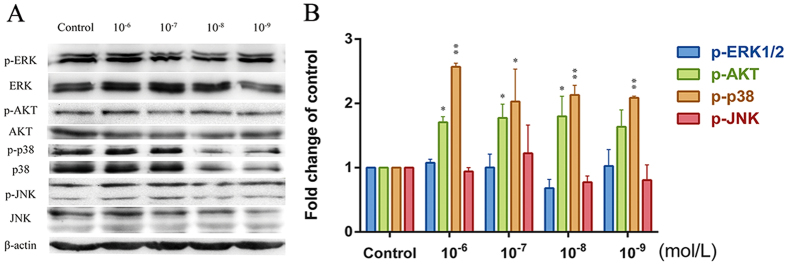
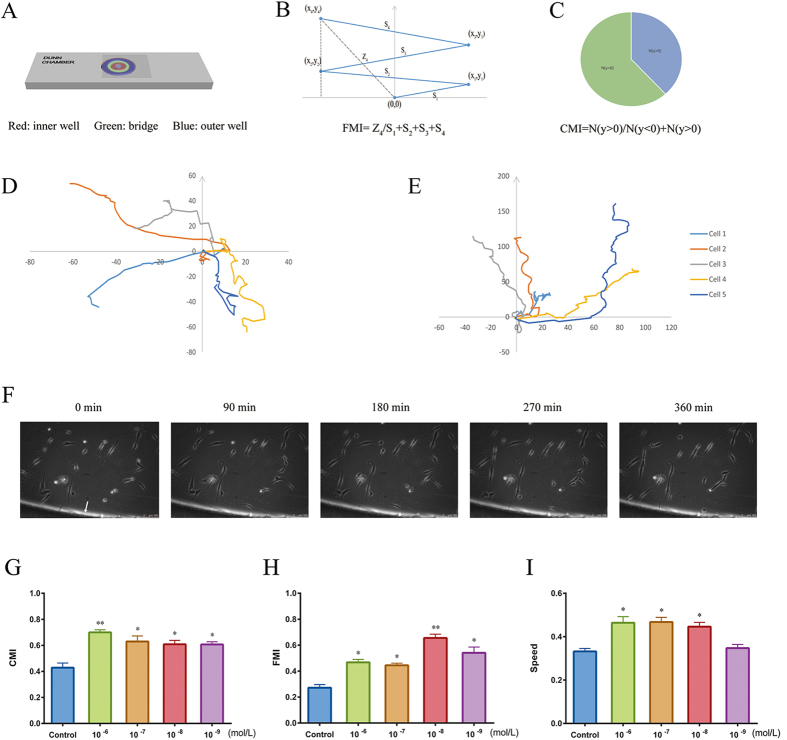
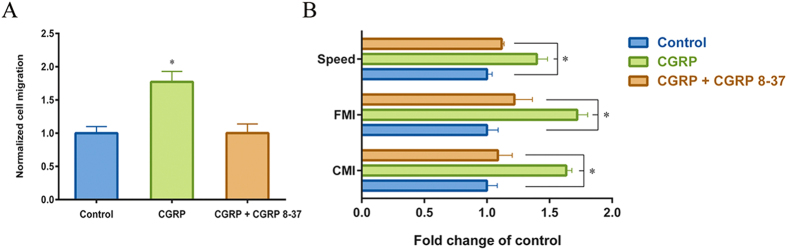
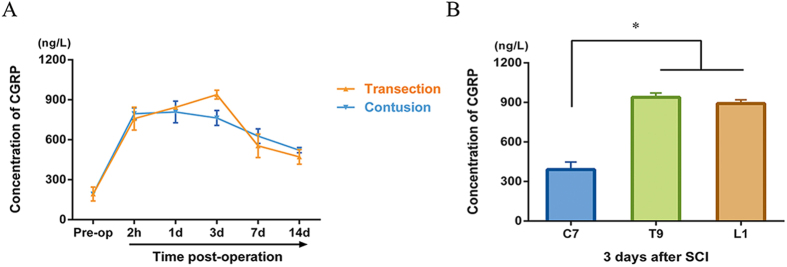
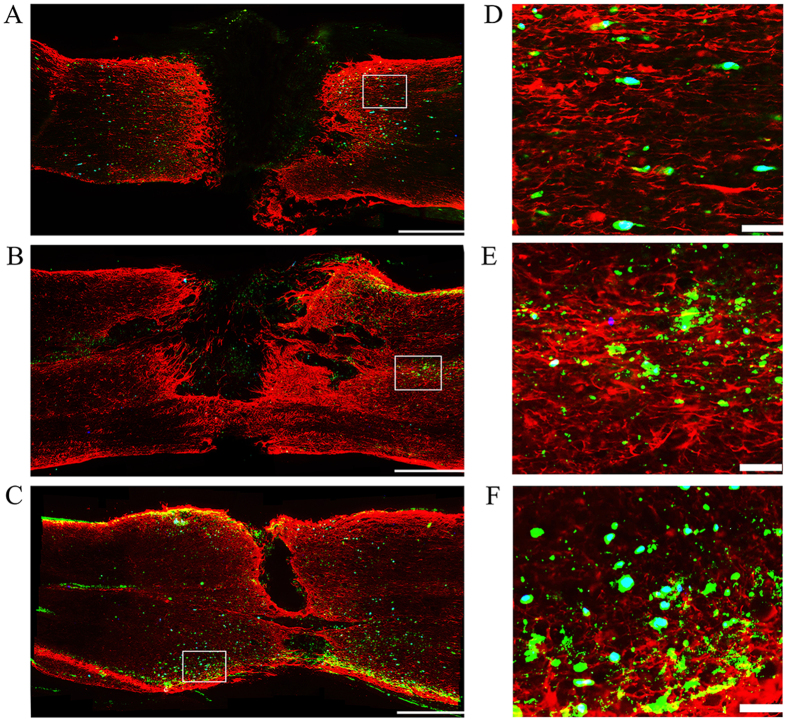
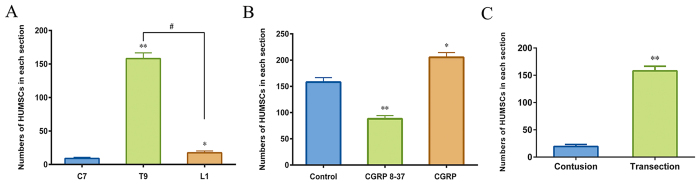
Mesenchymal stem cells (MSCs) can be used to treat many diseases, including spinal cord injury (SCI). Treatment relies mostly on the precise navigation of cells to the injury site for rebuilding the damaged spinal cord. However, the key factors guiding MSCs to the epicenter of SCI remain unknown. Here, we demonstrated that calcitonin gene-related peptide (CGRP), a neural peptide synthesized in spinal cord, can dramatically aid the homing of human umbilical cord mesenchymal stem cells (HUMSCs) in spinal cord-transected SCI rats. First, HUMSCs exhibited chemotactic responses in vitro to CGRP. By time-lapse video analysis, increased chemotactic index (CMI), forward migration index (FMI) and speed contributed to this observed migration. Then, through enzyme immunoassay, higher CGRP concentrations at the lesion site were observed after injury. The release of CGRP directed HUMSCs to the injury site, which was suppressed by CGRP 8-37, a CGRP antagonist. We also verified that the PI3K/Akt and p38MAPK signaling pathways played a critical role in the CGRP-induced chemotactic migration of HUMSCs. Collectively, our data reveal that CGRP is a key chemokine that helps HUMSCs migrate to the lesion site and thereby can be used as a model molecule to study MSCs homing after SCI.
间充质干细胞(MSCs)可用于治疗多种疾病,包括脊髓损伤(SCI)。治疗主要依赖于细胞精确导航至损伤部位以重建受损脊髓。然而,引导MSCs至SCI中心部位的关键因素仍不清楚。在此,我们证明了降钙素基因相关肽(CGRP),一种在脊髓中合成的神经肽,可显著促进人脐带间充质干细胞(HUMSCs)在脊髓横断的SCI大鼠中的归巢。首先,HUMSCs在体外对CGRP表现出趋化反应。通过延时视频分析,趋化指数(CMI)、向前迁移指数(FMI)和速度的增加促成了观察到的迁移。然后,通过酶免疫测定法,损伤后在损伤部位观察到更高的CGRP浓度。CGRP的释放将HUMSCs导向损伤部位,而CGRP拮抗剂CGRP 8 - 37可抑制这一过程。我们还证实PI3K/Akt和p38MAPK信号通路在CGRP诱导的HUMSCs趋化迁移中起关键作用。总体而言,我们的数据表明CGRP是一种关键趋化因子,有助于HUMSCs迁移至损伤部位,因此可作为研究SCI后MSCs归巢的模型分子。