Lundqvist Lars-Olov, Zetterlund Christina, Richter Hans O
*PhD †MS Örebro University, Örebro, Sweden (L-OL, CZ); The Low Vision Center, Region Örebro County, Örebro, Sweden (CZ); and Department of Occupational and Public Health Sciences, Faculty of Health and Occupational Studies, Centre for Musculoskeletal Research, University of Gävle, Gävle, Sweden (HR).
Optom Vis Sci. 2016 Sep;93(9):1147-57. doi: 10.1097/OPX.0000000000000902.
To evaluate the reliability and validity of the 15-item Visual, Musculoskeletal, and Balance Complaints Questionnaire (VMB) for people with visual impairments, using confirmatory factor analysis (CFA) and with Rasch analysis for use as an outcome measure.
Two studies evaluated the VMB. In Study 1, VMB data were collected from 1249 out of 3063 individuals between 18 and 104 years old who were registered at a low vision center. CFA evaluated VMB factor structure and Rasch analysis evaluated VMB scale properties. In Study 2, a subsample of 52 individuals between 27 and 67 years old with visual impairments underwent further measurements. Visual clinical assessments, neck/scapular pain, and balance assessments were collected to evaluate the convergent validity of the VMB (i.e. the domain relationship with other, theoretically predicted measures).
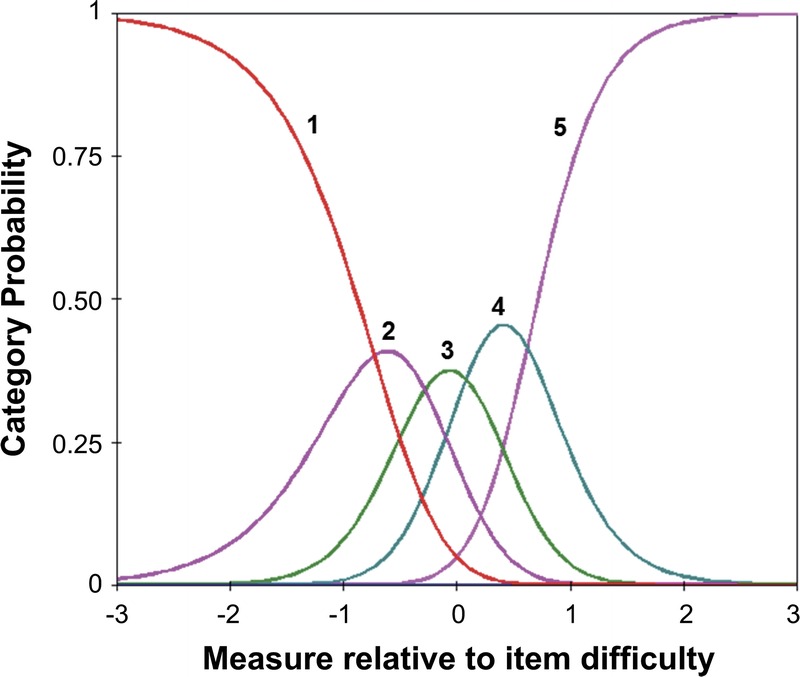
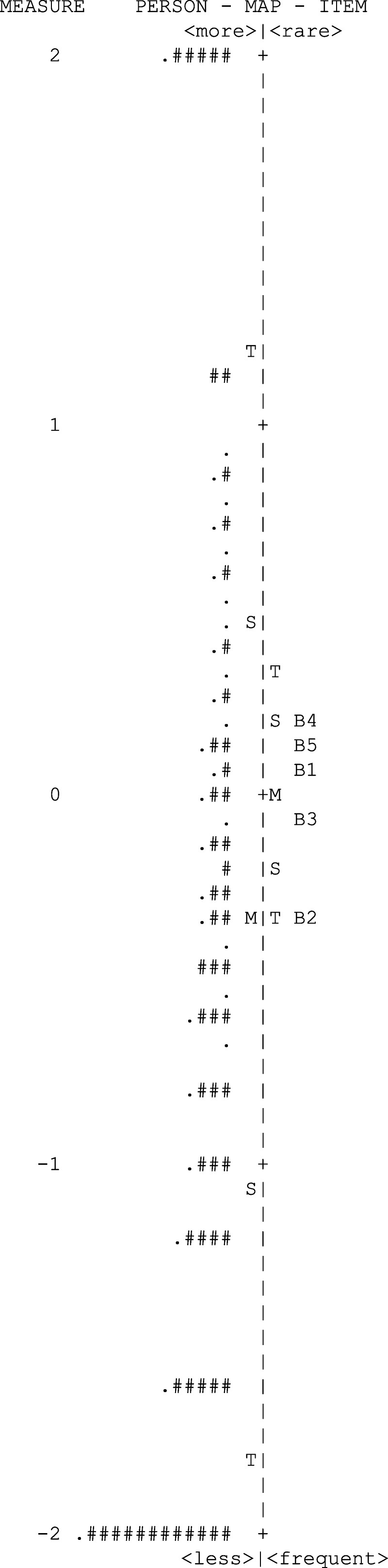
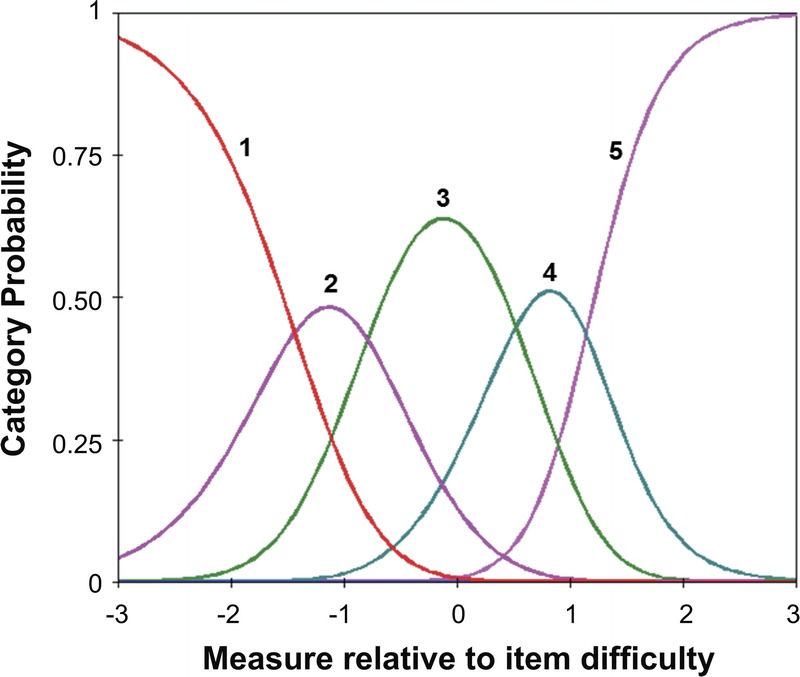
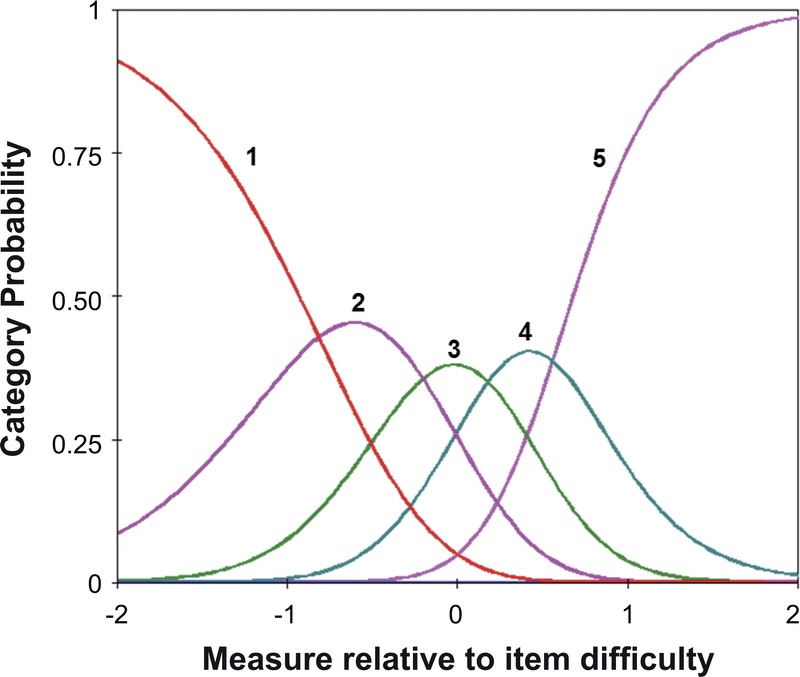
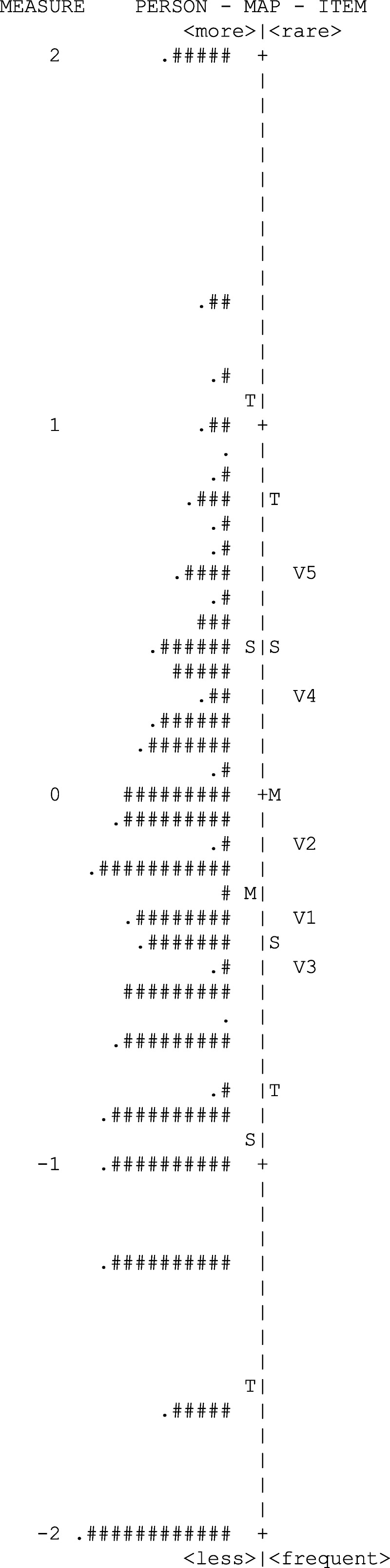
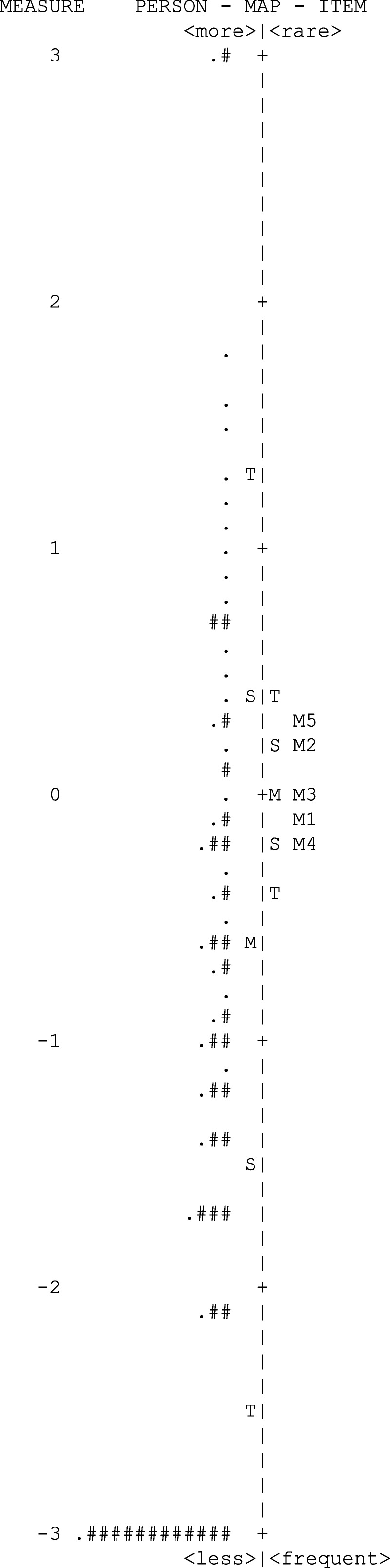
CFA supported the a priori three-factor structure of the VMB. The factor loadings of the items on their respective domains were all statistically significant. Rasch analysis indicated disordered categories and the original 10-point scale was subsequently replaced with a 5-point scale. Each VMB domain fitted the Rasch model, showing good metric properties, including unidimensionality (explained variances ≥66% and eigenvalues <1.9), person separation (1.86 to 2.29), reliability (0.87 to 0.94), item fit (infit MnSq's >0.72 and outfit MnSq's <1.47), targeting (0.30 to 0.50 logits), and insignificant differential item functioning (all DIFs but one <0.50 logits) from gender, age, and visual status. The three VMB domains correlated significantly with relevant visual, musculoskeletal, and balance assessments, demonstrating adequate convergent validity of the VMB.
The VMB is a simple, inexpensive, and quick yet reliable and valid way to screen and evaluate concurrent visual, musculoskeletal, and balance complaints, with contribution to epidemiological and intervention research and potential clinical implications for the field of health services and low vision rehabilitation.
使用验证性因子分析(CFA)并通过拉施分析作为结果测量方法,评估针对视力障碍者的15项视觉、肌肉骨骼和平衡问题问卷(VMB)的信度和效度。
两项研究对VMB进行了评估。在研究1中,从3063名年龄在18至104岁之间、登记在低视力中心的个体中收集了1249人的VMB数据。CFA评估VMB的因子结构,拉施分析评估VMB量表属性。在研究2中,对52名年龄在27至67岁之间的视力障碍个体的子样本进行了进一步测量。收集视觉临床评估、颈部/肩胛疼痛和平衡评估,以评估VMB的收敛效度(即与其他理论上预测的测量指标的领域关系)。
CFA支持VMB的先验三因子结构。各项目在其各自领域的因子载荷均具有统计学意义。拉施分析表明类别存在无序情况,随后将原来的10分制量表替换为5分制量表。每个VMB领域均符合拉施模型,显示出良好的计量学特性,包括单维性(解释方差≥66%且特征值<1.9)、人员分离度(1.86至2.29)、信度(0.87至0.94)、项目拟合度(内拟合均方>0.72且外拟合均方<1.47)、目标定位(0.30至0.50对数单位),以及性别、年龄和视力状况的差异项目功能不显著(所有差异项目功能除一项外均<0.50对数单位)。VMB的三个领域与相关的视觉、肌肉骨骼和平衡评估显著相关,表明VMB具有足够的收敛效度。
VMB是一种简单、廉价且快速的方法,同时可靠且有效,可用于筛查和评估并发的视觉、肌肉骨骼和平衡问题,对流行病学和干预研究有贡献,对健康服务和低视力康复领域具有潜在临床意义。