Tanaka Kenta, Kamada Hiroshi, Shimizu Yukiyo, Aikawa Shizu, Nishino Tomofumi, Ochiai Naoyuki, Sakane Masataka, Yamazaki Masashi
Department of Orthopaedic Surgery, Faculty of Medicine, University of Tsukuba, Japan.
Department of Orthopaedic Surgery, Faculty of Medicine, University of Tsukuba, Japan; Department of Rehabilitation Medicine, University of Tsukuba Hospital, Japan.
J Rural Med. 2016;11(1):11-6. doi: 10.2185/jrm.2906. Epub 2016 Jun 16.
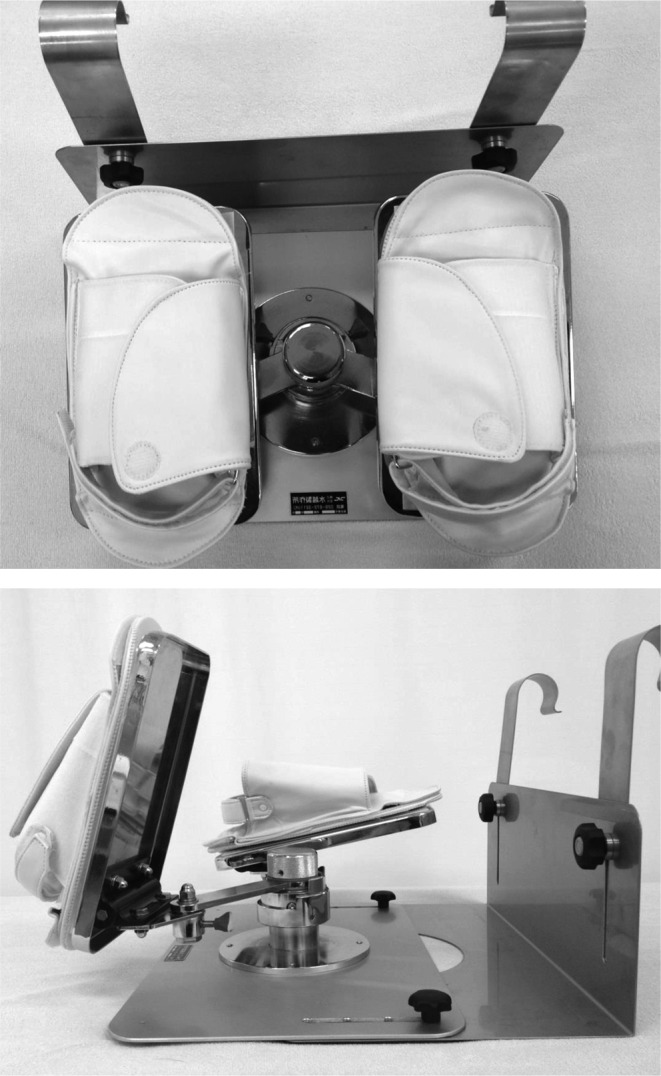
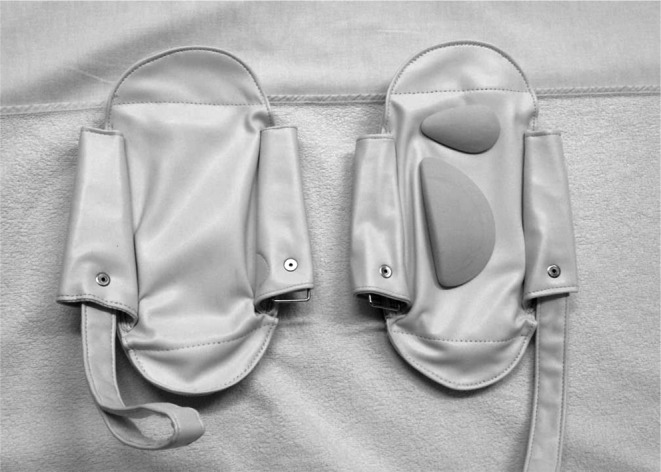
The incidence of pulmonary embolism (PE) and leg deep vein thrombosis (DVT) has increased in recent years in association with aging and an increase in the number of bedridden individuals. We developed an active in-bed leg exercise apparatus labeled the Leg Exercise Apparatus (LEX) for DVT prevention. We compared the effect of leg exercises performed using the LEX to conventional active ankle exercises on increased blood flow.
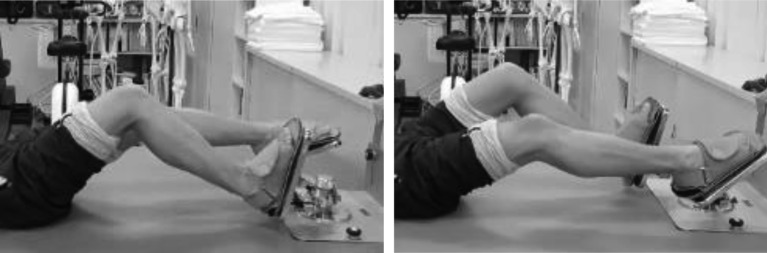
MATERIALS & METHODS: The subjects were eight healthy adult volunteers [five men and three women, aged 20-34 (mean 27.0) years]. Subjects performed two types of exercise; exercise 1 consisted of leg exercises using the LEX, while exercise 2 consisted of in-bed active plantar flexion/dorsiflexion exercises without the device. Measurements were taken 1, 5, 10, 20, and 30 minutes after exercise including common femoral vein blood flow, mean blood flow velocity, maximum blood flow velocity, and vessel diameter using Doppler ultrasound. Statistical procedures included timed measurement data analysis using a linear mixed model. A Bonferroni correction was used for multiple comparisons.
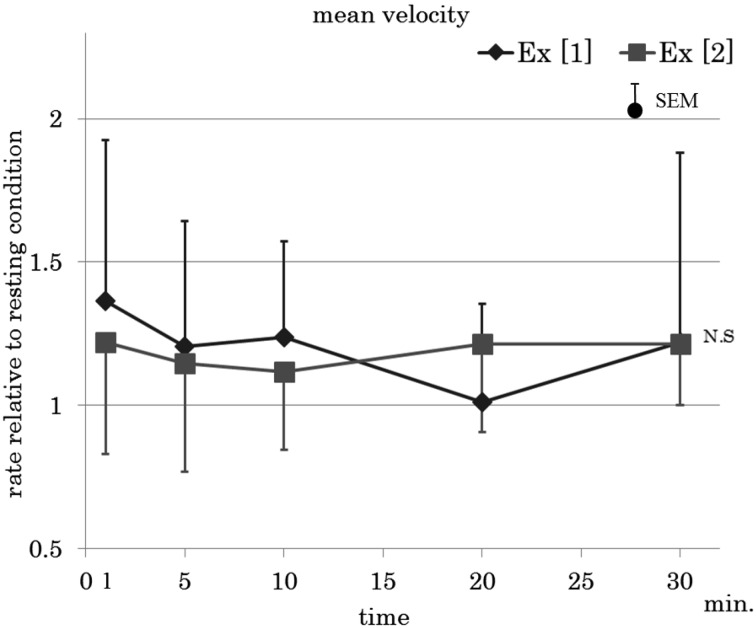
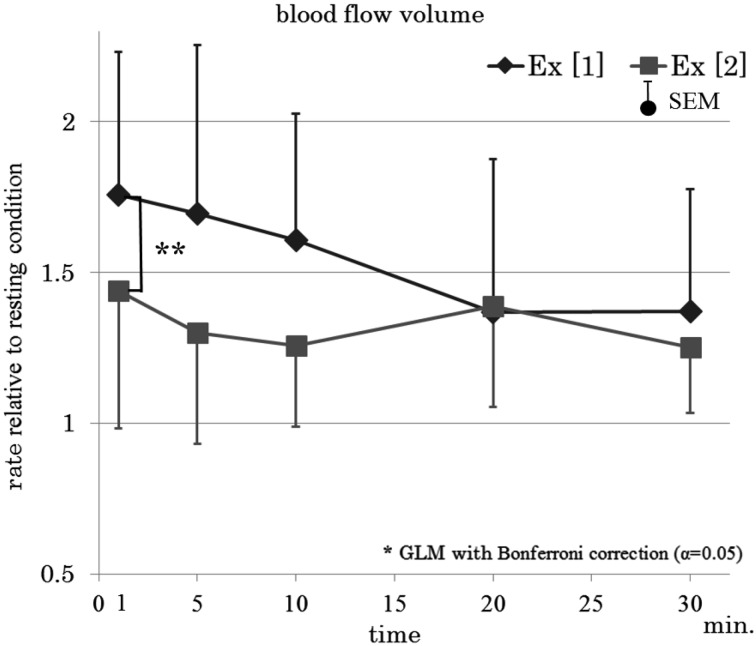
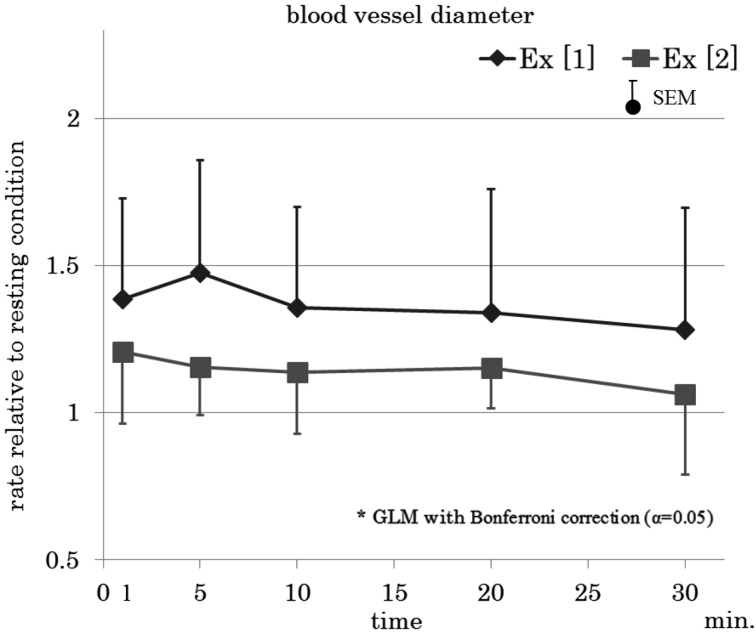
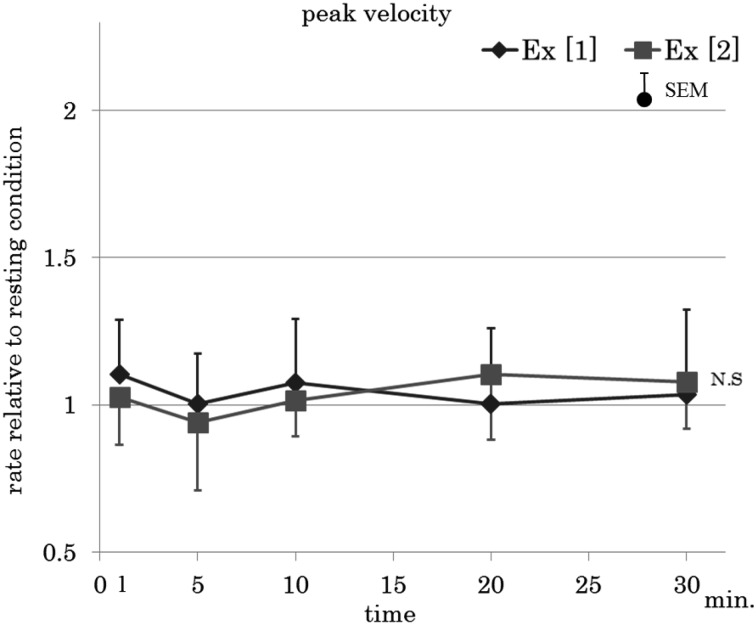
Compared to resting levels, blood flow reached a maximum value 1 minute after exercise for both exercise types, with a significantly greater increase after exercise 1 (1.76-fold increase) compared to exercise 2 (1.44-fold increase) (p = 0.005). There was a significant difference (p = 0.03) between the two exercises for all values from 1 minute to 30 minutes following exercise. There was no significant difference between exercises for peak or mean blood flow velocity. Compared to resting levels, blood vessel diameter reached a maximum value of 1.47-fold greater at 5 minutes post-exercise for exercise 1 and a maximum value of 1.21-fold greater at 1 minute post-exercise for exercise 2.
Exercise using the LEX increased lower leg venous blood flow and vessel diameter. We propose that the LEX may serve as a new DVT prevention tool.
近年来,随着老龄化及卧床人数的增加,肺栓塞(PE)和下肢深静脉血栓形成(DVT)的发病率有所上升。我们开发了一种用于预防DVT的主动式床上腿部锻炼器械,称为腿部锻炼器械(LEX)。我们比较了使用LEX进行腿部锻炼与传统主动踝关节锻炼对增加血流的效果。
受试者为8名健康成年志愿者[5名男性和3名女性,年龄20 - 34(平均27.0)岁]。受试者进行两种类型的锻炼;锻炼1包括使用LEX进行腿部锻炼,而锻炼2包括不使用该器械的床上主动跖屈/背屈锻炼。在锻炼后1、5、10、20和30分钟进行测量,包括使用多普勒超声测量股总静脉血流、平均血流速度、最大血流速度和血管直径。统计程序包括使用线性混合模型进行定时测量数据分析。采用Bonferroni校正进行多重比较。
与静息水平相比,两种锻炼类型的血流在锻炼后1分钟均达到最大值,锻炼1后(增加1.76倍)的血流增加幅度显著大于锻炼2后(增加1.44倍)(p = 0.005)。锻炼后1分钟至30分钟的所有测量值,两种锻炼之间均存在显著差异(p = 0.03)。峰值或平均血流速度在两种锻炼之间无显著差异。与静息水平相比,锻炼1后5分钟血管直径达到最大值,比静息时增大1.47倍;锻炼2后1分钟血管直径达到最大值,比静息时增大1.21倍。
使用LEX进行锻炼可增加小腿静脉血流和血管直径。我们认为LEX可能成为一种新的DVT预防工具。