Zhang Chong, Wu Mengzhi, Zhang Lizhen, Shang Li-Ru, Fang Jian-Hong, Zhuang Shi-Mei
Key Laboratory of Gene Engineering of the Ministry of Education, State Key Laboratory of Biocontrol, Collaborative Innovation Center for Cell Signaling Network, School of Life Sciences, Sun Yat-Sen University, Guangzhou, P.R. China.
Oncotarget. 2016 Jul 19;7(29):45702-45714. doi: 10.18632/oncotarget.10157.
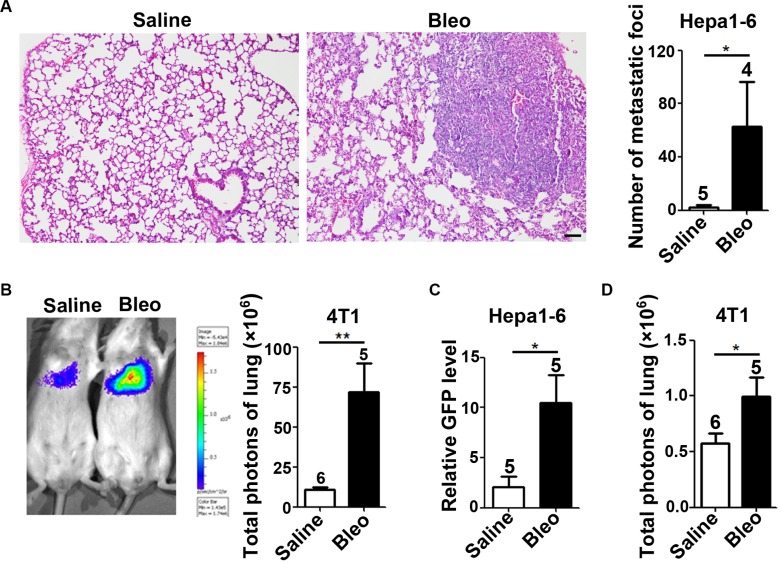
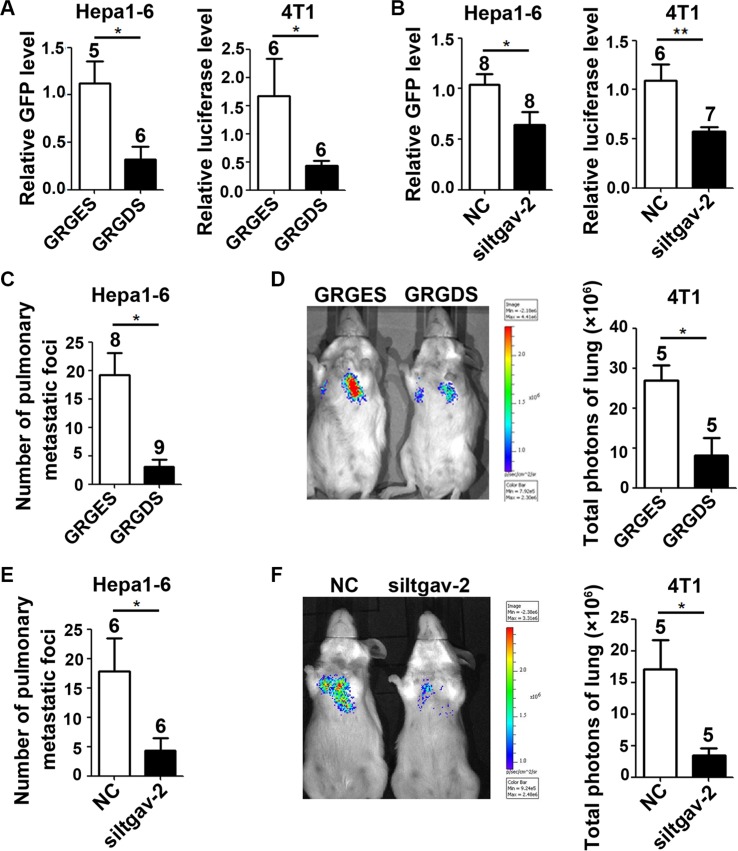
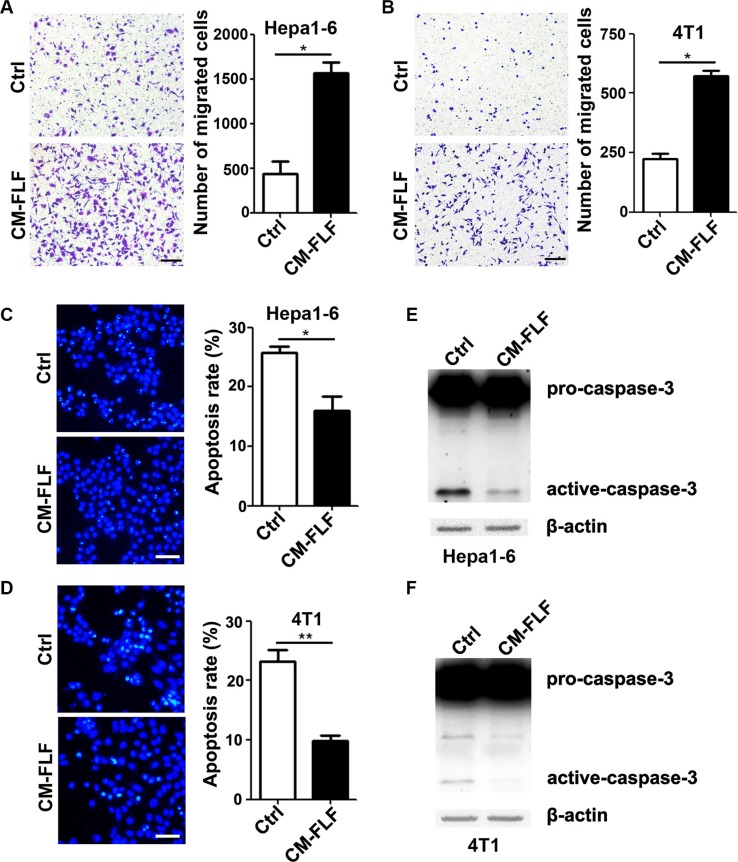
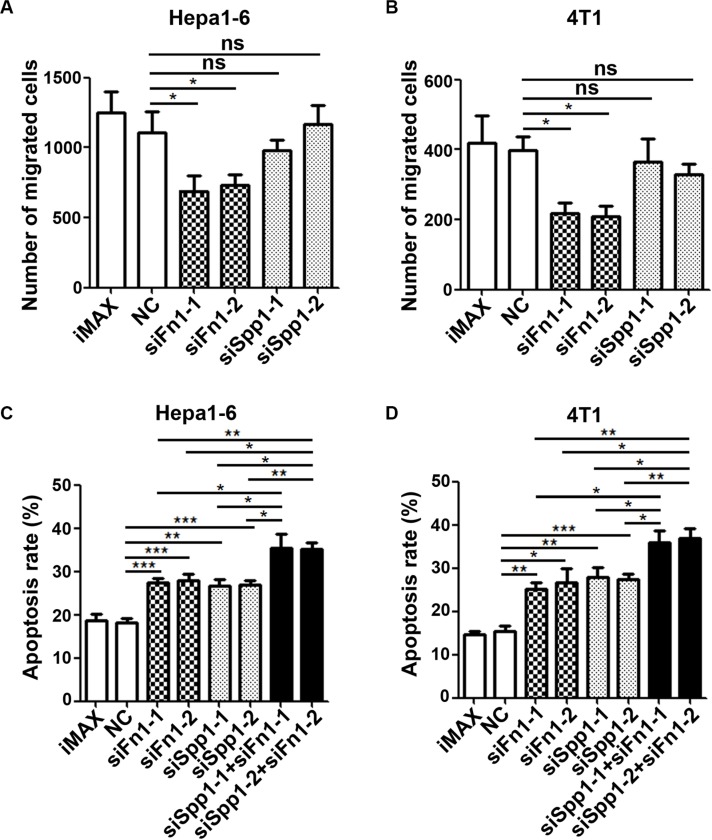
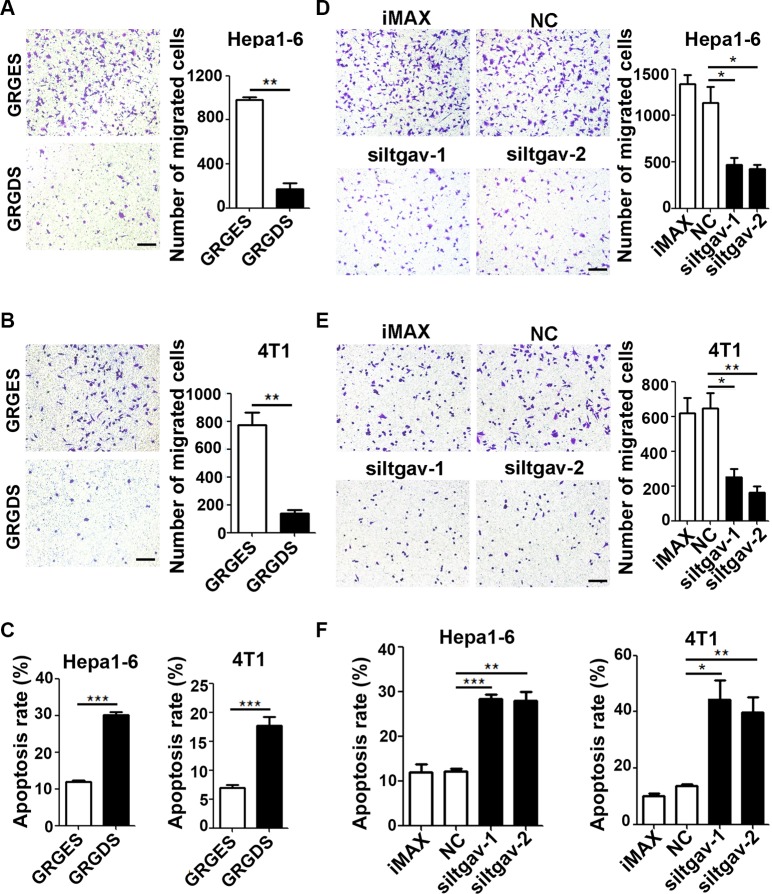
The seeding of tumor cells is a critical step in the process of metastasis, but whether and how the microenvironment of target organs affects metastatic seeding remain largely unknown. Based on cell and mouse models, we found that the metastatic seeding and outgrowth of tumor cells were significantly enhanced in fibrotic lungs. The conditioned medium from both fibrotic lungs and the fibrotic lung-derived fibroblasts (CM-FLF) had a strong activity to chemoattract tumor cells and to inhibit the apoptosis of tumor cells. Subsequent investigations revealed that the levels of fibronectin 1 (FN1) and secreted phosphoprotein 1 (SPP1) were significantly increased in fibrotic lungs. Silencing of FN1 in the fibrotic lung-derived fibroblasts dramatically decreased the chemoattracting activity of CM-FLF, while silencing of FN1 or SPP1 in fibroblasts attenuated the anti-apoptosis activity of CM-FLF. Moreover, the CM-FLF-induced apoptosis resistance or chemotaxis of tumor cells was attenuated when ITGAV, the common receptor of FN1 and SPP1, was silenced by RNA interference or blocked by GRGDS treatment in tumor cells. Consistently, ITGAV silencing or GRGDS treatment significantly inhibited the seeding and outgrowth of tumor cells in fibrotic lungs in vivo. Collectively, we suggest that fibrotic microenvironment may enhance the metastatic seeding of tumor cells in the lung by chemoattracting tumor cells and inhibiting their apoptosis via activating the FN1/SPP1-ITGAV signaling. These findings give a novel insight into the regulatory mechanisms of cancer metastasis and provide a potential target for anti-metastasis therapy.
肿瘤细胞的播种是转移过程中的关键步骤,但靶器官的微环境是否以及如何影响转移播种在很大程度上仍不清楚。基于细胞和小鼠模型,我们发现肿瘤细胞在纤维化肺中的转移播种和生长显著增强。来自纤维化肺和纤维化肺衍生的成纤维细胞的条件培养基(CM-FLF)具有强大的趋化肿瘤细胞和抑制肿瘤细胞凋亡的活性。随后的研究表明,纤维化肺中纤连蛋白1(FN1)和分泌性磷蛋白1(SPP1)的水平显著升高。在纤维化肺衍生的成纤维细胞中沉默FN1可显著降低CM-FLF的趋化活性,而成纤维细胞中沉默FN1或SPP1可减弱CM-FLF的抗凋亡活性。此外,当FN1和SPP1的共同受体ITGAV在肿瘤细胞中通过RNA干扰沉默或通过GRGDS处理阻断时,CM-FLF诱导的肿瘤细胞凋亡抗性或趋化性减弱。一致地,ITGAV沉默或GRGDS处理在体内显著抑制了肿瘤细胞在纤维化肺中的播种和生长。总体而言,我们认为纤维化微环境可能通过趋化肿瘤细胞并通过激活FN1/SPP1-ITGAV信号通路抑制其凋亡来增强肿瘤细胞在肺中的转移播种。这些发现为癌症转移的调控机制提供了新的见解,并为抗转移治疗提供了潜在靶点。