Pimson Charinya, Ekalaksananan Tipaya, Pientong Chamsai, Promthet Supannee, Putthanachote Nuntiput, Suwanrungruang Krittika, Wiangnon Surapon
Biomedical Science Programme, Graduate School, Khon Kaen University, Khon Kaen, Thailand.
Department of Microbiology, Faculty of Medicine, Khon Kaen University,Khon Kaen,Thailand; HPV & EBV and Carcinogenesis Research Group, Khon Kaen University,Khon Kaen,Thailand.
PeerJ. 2016 Jun 9;4:e2112. doi: 10.7717/peerj.2112. eCollection 2016.
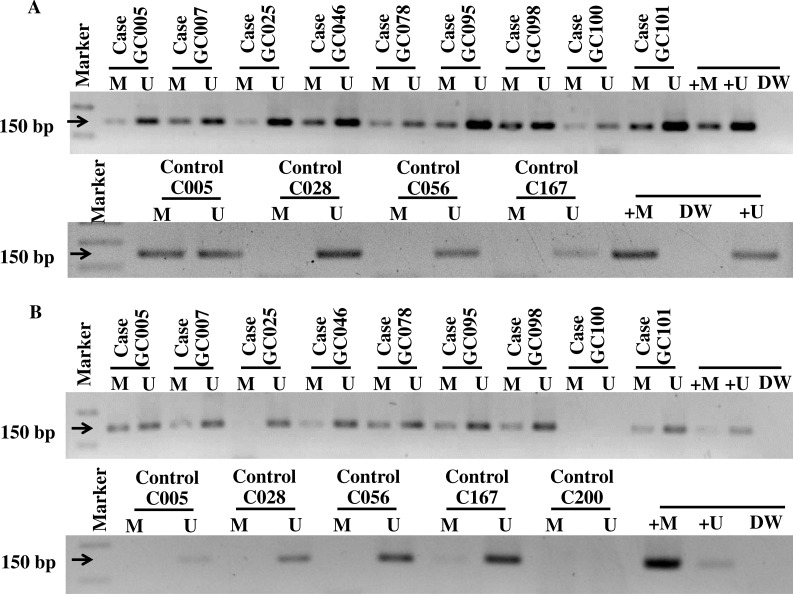
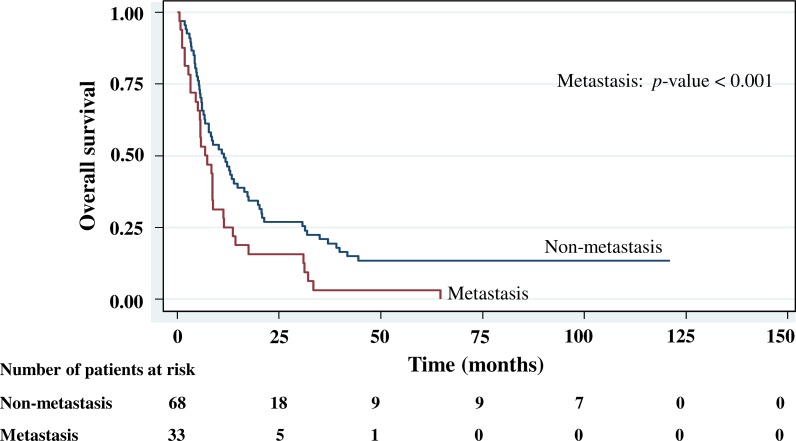
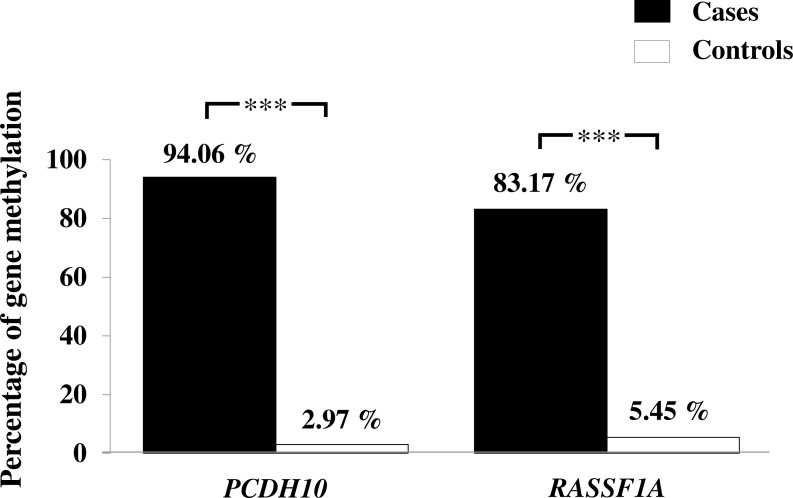
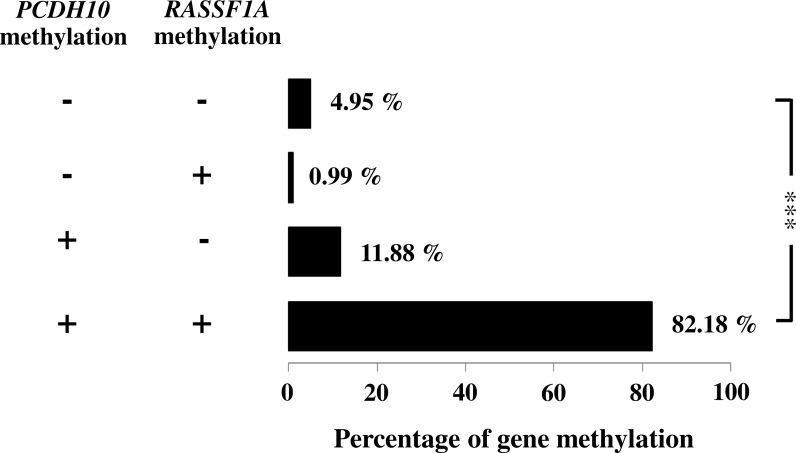
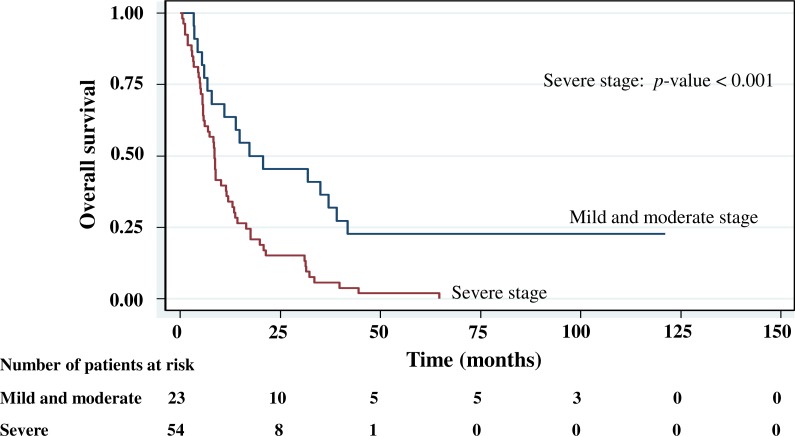
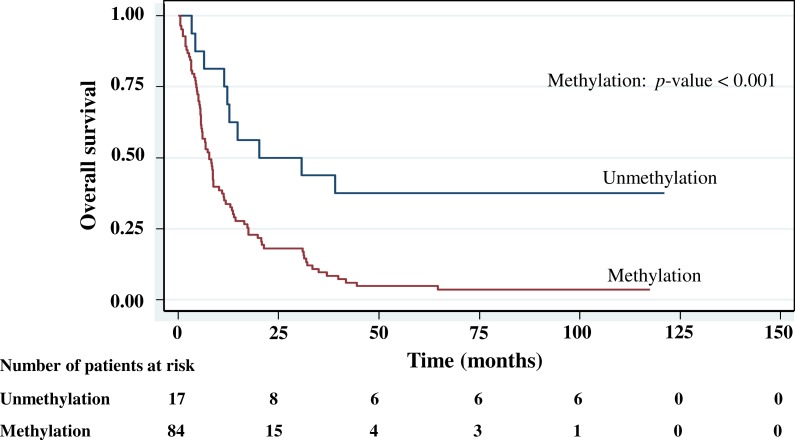
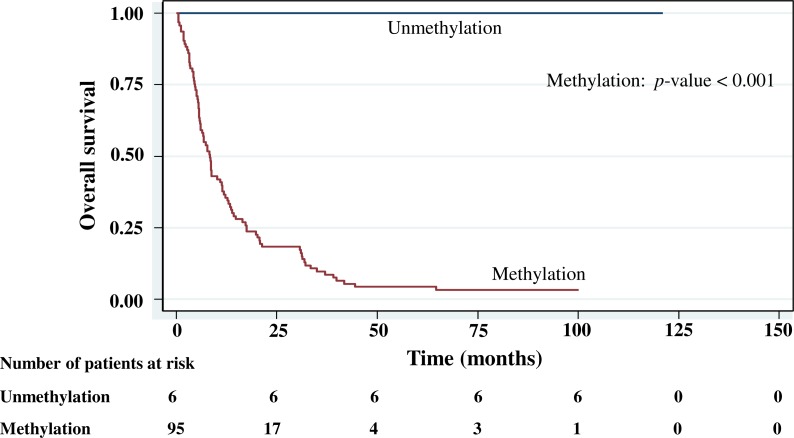
Background. Assessment of DNA methylation of specific genes is one approach to the diagnosis of cancer worldwide. Early stage detection is necessary to reduce the mortality rate of cancers, including those occurring in the stomach. For this purpose, tumor cells in circulating blood offer promising candidates for non-invasive diagnosis. Transcriptional inactivation of tumor suppressor genes, like PCDH10 and RASSF1A, by methylation is associated with progression of gastric cancer, and such methylation can therefore be utilized as a biomarker. Methods. The present research was conducted to evaluate DNA methylation in these two genes using blood samples of gastric cancer cases. Clinicopathological data were also analyzed and cumulative survival rates generated for comparison. Results. High frequencies of PCDH10 and RASSF1A methylations in the gastric cancer group were noted (94.1% and 83.2%, respectively, as compared to 2.97% and 5.45% in 202 matched controls). Most patients (53.4%) were in severe stage of the disease, with a median survival time of 8.4 months after diagnosis. Likewise, the patients with metastases, or RASSF1A and PCDH10 methylations, had median survival times of 7.3, 7.8, and 8.4 months, respectively. A Kaplan-Meier analysis showed that cumulative survival was significantly lower in those cases positive for methylation of RASSF1A than in their negative counterparts. Similarly, whereas almost 100% of patients positive for PCDH10 methylation had died after five years, none of the negative cases died over this period. Notably, the methylations of RASSF1A and PCDH10 were found to be higher in the late-stage patients and were also significantly correlated with metastasis and histology. Conclusions. PCDH10 and RASSF1A methylations in blood samples can serve as potential non-invasive diagnostic indicators in blood for gastric cancer. In addition to RASSF1A methylation, tumor stage proved to be a major prognostic factor in terms of survival rates.
背景。评估特定基因的DNA甲基化是全球癌症诊断的一种方法。早期检测对于降低癌症死亡率至关重要,包括胃癌。为此,循环血液中的肿瘤细胞为非侵入性诊断提供了有前景的候选对象。肿瘤抑制基因如PCDH10和RASSF1A通过甲基化导致的转录失活与胃癌进展相关,因此这种甲基化可作为生物标志物。方法。本研究旨在利用胃癌病例的血液样本评估这两个基因的DNA甲基化情况。还分析了临床病理数据并生成累积生存率进行比较。结果。胃癌组中PCDH10和RASSF1A甲基化频率较高(分别为94.1%和83.2%,而202例匹配对照中分别为2.97%和5.45%)。大多数患者(53.4%)处于疾病晚期,诊断后中位生存时间为8.4个月。同样,有转移的患者以及RASSF1A和PCDH10甲基化的患者,中位生存时间分别为7.3、7.8和8.4个月。Kaplan-Meier分析表明,RASSF1A甲基化阳性病例的累积生存率显著低于阴性病例。同样,PCDH10甲基化阳性的患者几乎100%在五年后死亡,而阴性病例在此期间无一死亡。值得注意的是,RASSF1A和PCDH10的甲基化在晚期患者中更高,并且也与转移和组织学显著相关。结论。血液样本中PCDH10和RASSF1A甲基化可作为胃癌血液中潜在的非侵入性诊断指标。除了RASSF1A甲基化外,肿瘤分期在生存率方面被证明是一个主要的预后因素。