State Key Laboratory of Pharmaceutical Biotechnology, School of Life Sciences, Nanjing University, 163 Xianlin Avenue, Nanjing 210093, China.
State Key Laboratory of Quality Research in Chinese Medicine, Institute of Chinese Medical Sciences, University of Macau, Taipa, Macau SAR.
Sci Rep. 2016 Jun 23;6:28596. doi: 10.1038/srep28596.
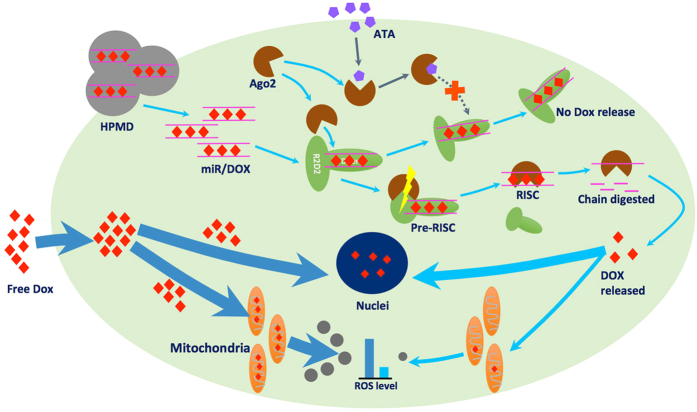
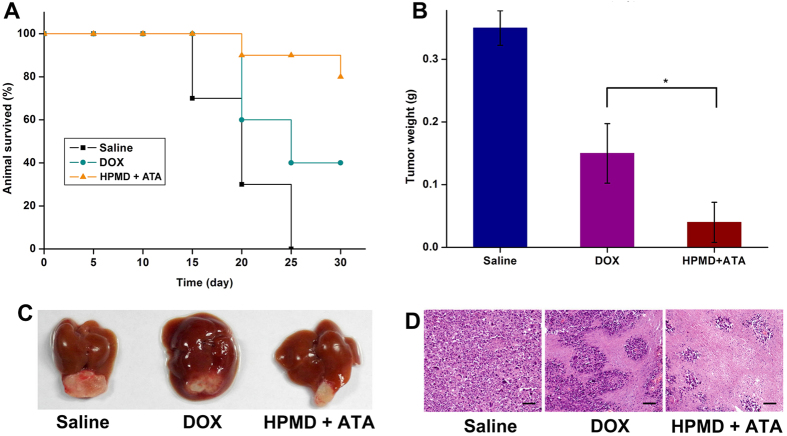
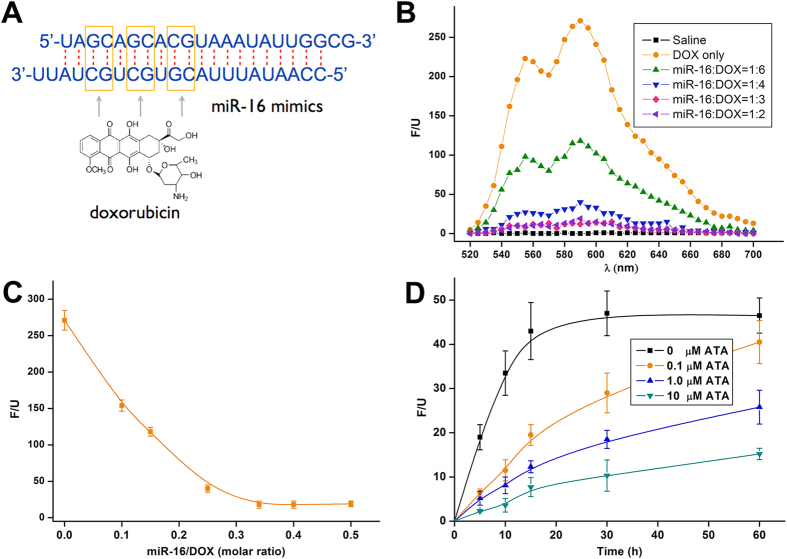
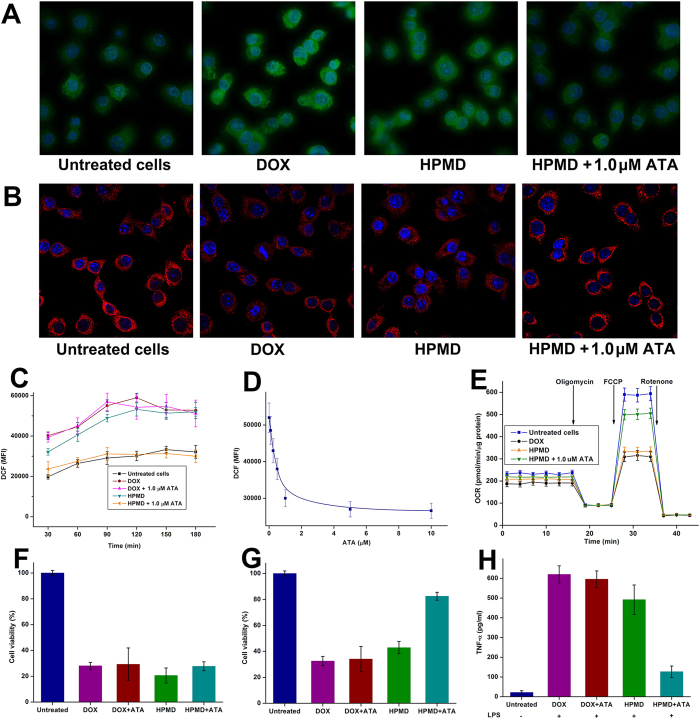
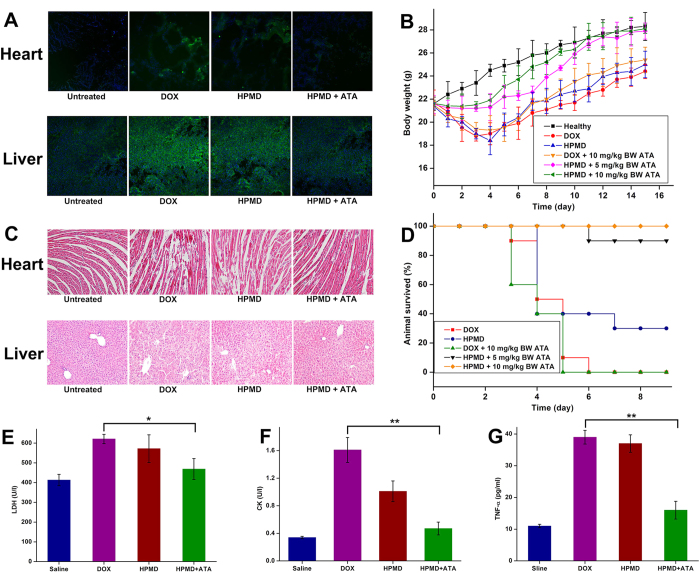
The difficulty of controlling drug release at an intracellular level remains a key challenge for maximising drug safety and efficacy. We demonstrate herein a new, efficient and convenient approach to extracellularly control the intracellular release of doxorubicin (DOX), by designing a delivery system that harnesses the interactions between the system and a particular set of cellular machinery. By simply adding a small-molecule chemical into the cell medium, we could lower the release rate of DOX in the cytosol, and thereby increase its accumulation in the nuclei while decreasing its presence at mitochondria. Delivery of DOX with this system effectively prevented DOX-induced mitochondria damage that is the main mechanism of its toxicity, while exerting the maximum efficacy of this anti-cancer chemotherapeutic agent. The present study sheds light on the design of drug delivery systems for extracellular control of intracellular drug delivery, with immediate therapeutic implications.
在细胞内水平控制药物释放的难度仍然是最大限度提高药物安全性和疗效的关键挑战。我们在此展示了一种新的、高效和便捷的方法,可以通过设计一种利用系统与特定细胞机制之间相互作用的输送系统,来控制阿霉素(DOX)的细胞内释放。通过简单地在细胞培养基中添加一种小分子化学物质,我们可以降低细胞质中 DOX 的释放速度,从而增加其在核内的积累,同时减少其在线粒体中的存在。使用该系统输送 DOX 可有效防止 DOX 诱导的线粒体损伤,这是其毒性的主要机制,同时发挥这种抗癌化疗药物的最大功效。本研究为设计用于细胞外控制细胞内药物输送的药物输送系统提供了思路,具有直接的治疗意义。