Fine Lauren M, Bernstein Jonathan A
Department of Medicine, University of Miami Miller School of Medicine, Department of Internal Medicine, Division of Pulmonary, Allergy, Critical Care and Sleep Medicine, Miami, FL, USA.
Department of Medicine, University of Cincinnati College of Medicine, Department of Internal Medicine, Division of Immunology/Allergy Section, Cincinnati, Ohio, USA.
Allergy Asthma Immunol Res. 2016 Sep;8(5):396-403. doi: 10.4168/aair.2016.8.5.396.
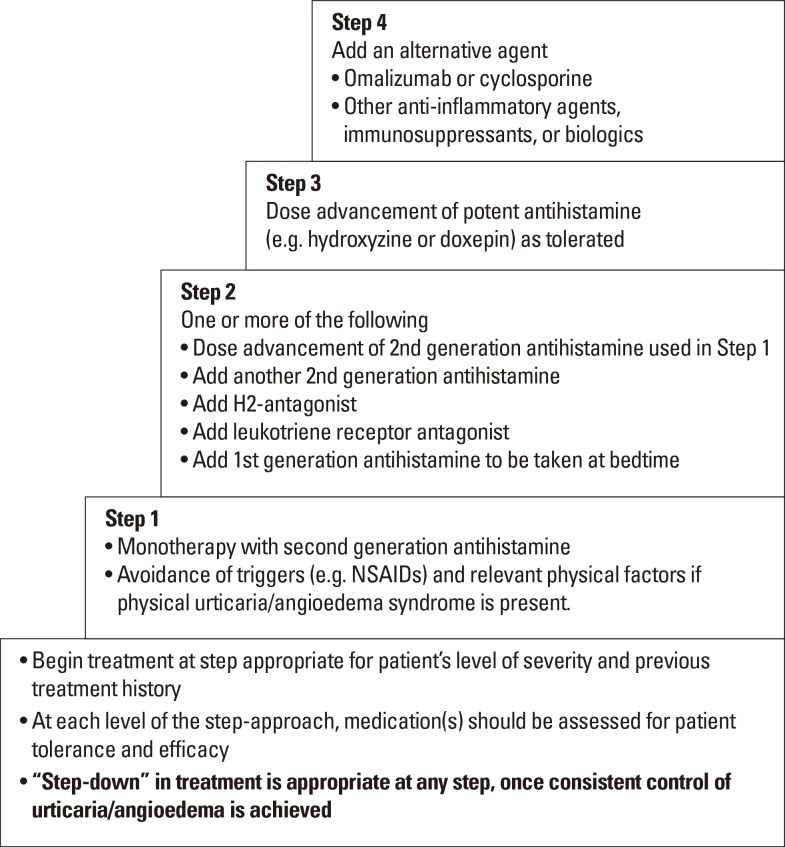
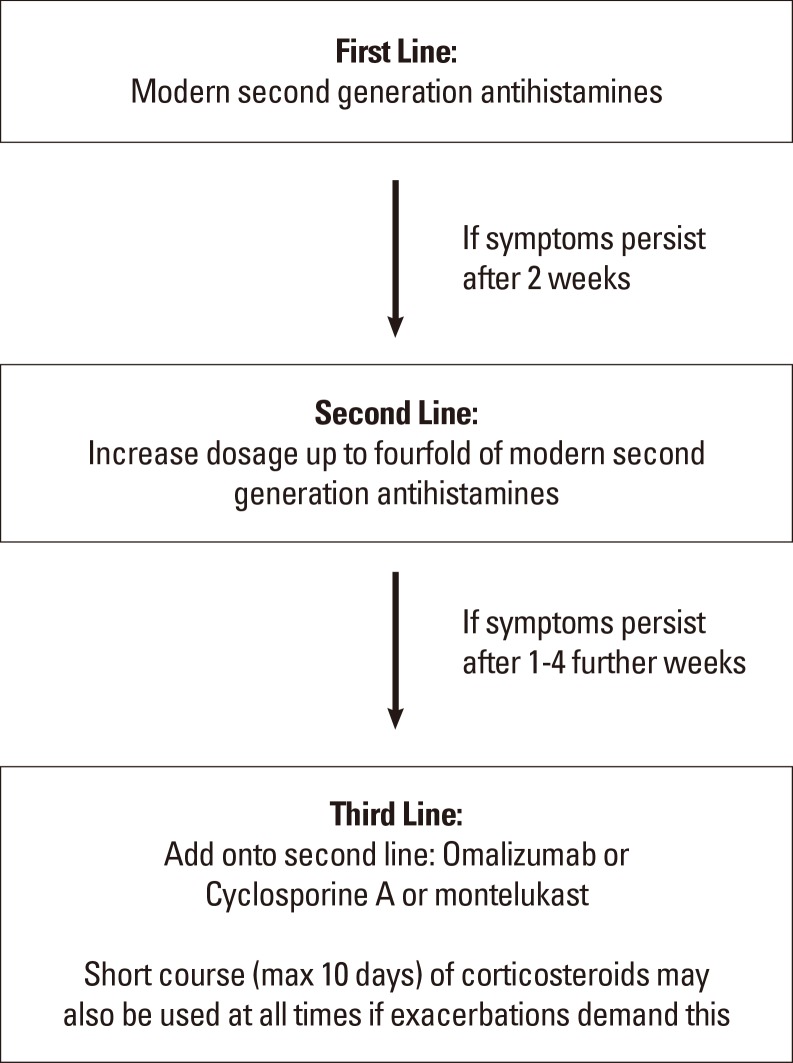
Urticaria is a relatively common condition that if chronic can persist for weeks, months or years and affect quality of life significantly. The etiology is often difficult to determine, especially as it becomes chronic. Many cases of chronic urticaria are thought to be autoimmune, although there is no consensus that testing for autoimmunity alters the diagnostic or management strategies or outcomes. Many times, urticaria is easily managed with antihistamines and/or short courses of oral corticosteroids, but too often control is insufficient and additional therapies must be added. For years, immune modulating medications, such as cyclosporine and Mycophenolate Mofetil, have been used in cases refractory to antihistamines and oral corticosteroids, although the evidence supporting their efficacy and safety has been limited. Omalizumab was recently approved for the treatment of chronic urticaria unresponsive to H1-antagonists. This IgG anti-IgE monoclonal antibody has been well demonstrated to safely and effectively control chronic urticaria at least partially in approximately 2/3 of cases. However, the mechanism of action and duration of treatment for omalizumab is still unclear. It is hoped that as the pathobiology of chronic urticaria becomes better defined, future therapies that target specific mechanistic pathways will be developed that continue to improve the management of these often challenging patients.
荨麻疹是一种相对常见的病症,若是慢性的,可能会持续数周、数月或数年,并严重影响生活质量。其病因往往难以确定,尤其是当它发展为慢性时。许多慢性荨麻疹病例被认为是自身免疫性的,尽管对于自身免疫检测是否会改变诊断、管理策略或结果尚无共识。很多时候,荨麻疹用抗组胺药和/或短期口服糖皮质激素很容易控制,但往往控制效果不佳,必须添加其他疗法。多年来,免疫调节药物,如环孢素和霉酚酸酯,已被用于对抗组胺药和口服糖皮质激素难治的病例,尽管支持其疗效和安全性的证据有限。奥马珠单抗最近被批准用于治疗对H1拮抗剂无反应的慢性荨麻疹。这种IgG抗IgE单克隆抗体已被充分证明能在大约2/3的病例中至少部分地安全有效地控制慢性荨麻疹。然而,奥马珠单抗的作用机制和治疗持续时间仍不清楚。希望随着慢性荨麻疹的病理生物学得到更好的界定,未来能够开发出针对特定机制途径的疗法,继续改善对这些通常具有挑战性的患者的管理。